Imports increased by nearly 80%! South Korea still relies heavily on Japanese semiconductor equipment

Đã xuất bản: Sep 8, 2020 14:10
Nguồn: Integrated microgrid

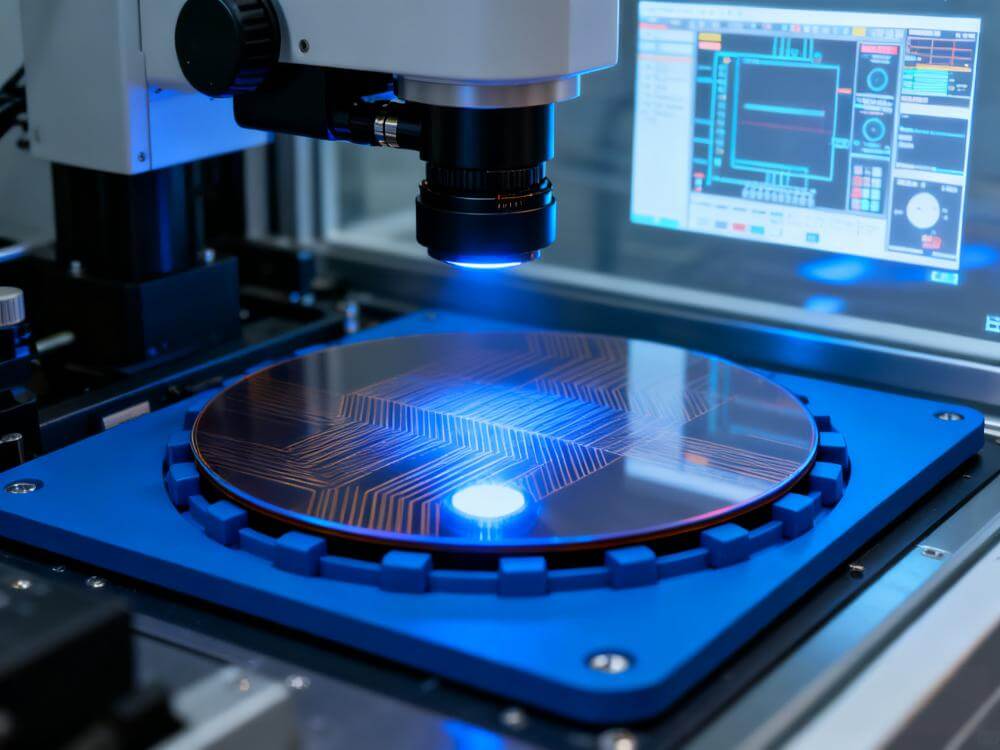
SMM: according to BusinessKorea, the Korean Trade Association (KITA) announced on September 6th that in the first seven months of 2020, South Korea imported semiconductor devices and integrated circuit manufacturing equipment from Japan totaling 1.7 billion US dollars, an increase of 77.2 percent over the same period last year. In addition, imports of processors and controllers and photosensitive semiconductor devices increased by 8.6% and 3.7%, respectively.

Although South Korea's total imports from Japan fell by about 10% in the same period compared with the same period last year, the semiconductor sector, as a pillar industry, is still heavily dependent on Japan.

South Korean media pointed out that this data is related to the large-scale investment of Samsung Electronics. The company announced in May that it would build a NAND flash memory production line in Pingze and plans to start building a "P3" fab in September, which is expected to become Samsung's largest fab in Pingze.

In addition, the new factory needs advanced equipment and manufacturing machinery, but it is difficult for local enterprises to meet the technological needs of Samsung, SK Hynix and other enterprises. At present, Samsung Electronics and many other South Korean companies still rely on Japanese semiconductor devices as high as 25.7%, almost the same as last year's 27.4%. Even if equipment from other countries is used to reduce dependence on Japan, it will not be easy to maintain the same level of efficiency.

On the other hand, South Korea's dependence on Japanese semiconductor equipment directly leads to its dependence on Japanese engineers. Usually, new equipment imported from South Korea is installed by Japanese engineers sent by suppliers, which led to the exemption of Japanese engineers from self-isolation when they entered South Korea in July. Despite violating the principle of reciprocity and risking the spread of the epidemic, the South Korean government cannot ignore companies' concerns about production disruptions.

It can be said that since Japan imposed trade controls on semiconductor materials in South Korea, the Korean government and enterprises have been working hard to improve the competitiveness of the materials, parts and equipment industries, as well as increasing support for the semiconductor and display industries. But for now, it will take time to be self-sufficient.

"Click to sign up: 2020 Tin Industry chain Trading Summit
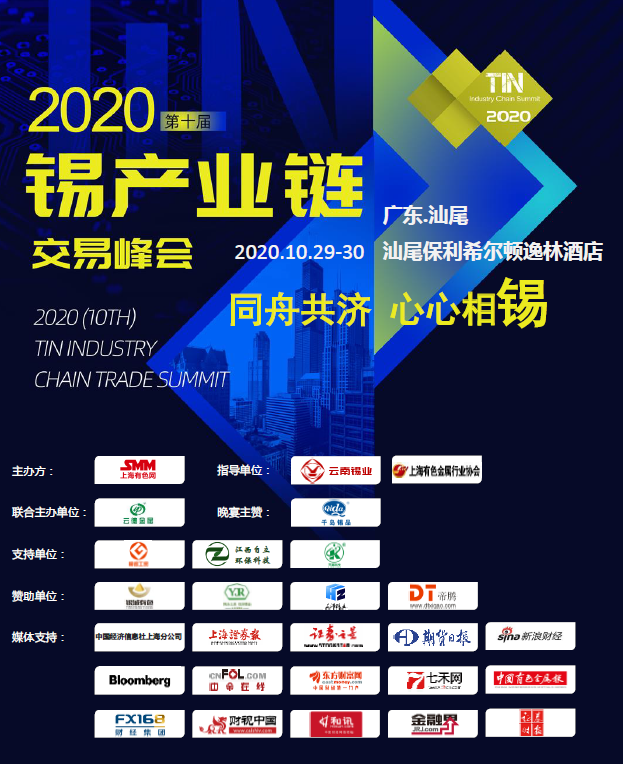
Scan the code to participate in the meeting or apply to join the SMM tin industry exchange group
Tuyên bố về Nguồn Dữ liệu: Ngoại trừ thông tin công khai, tất cả dữ liệu khác được SMM xử lý dựa trên thông tin công khai, giao tiếp thị trường và dựa trên mô hình cơ sở dữ liệu nội bộ của SMM. Chúng chỉ mang tính chất tham khảo và không cấu thành khuyến nghị ra quyết định.

Để biết thêm thông tin hoặc có thắc mắc gì, vui lòng liên hệ: lemonzhao@smm.cn
Để biết thêm thông tin về cách truy cập báo cáo nghiên cứu, vui lòng liên hệ:service.en@smm.cn
Tin Liên Quan
Nguồn cung thắt chặt hỗ trợ giá germanium tăng, ngành kim loại phụ vững mạnh, Yunnan Germanium và China Tungsten High-Tech dẫn đầu đà tăng [SMM Flash]
11 giờ trước
Nguồn cung thắt chặt hỗ trợ giá germanium tăng, ngành kim loại phụ vững mạnh, Yunnan Germanium và China Tungsten High-Tech dẫn đầu đà tăng [SMM Flash]
Đọc thêm
Nguồn cung thắt chặt hỗ trợ giá germanium tăng, ngành kim loại phụ vững mạnh, Yunnan Germanium và China Tungsten High-Tech dẫn đầu đà tăng [SMM Flash]
11 giờ trước
Dữ liệu: Biến động thị trường SHFE, DCE (06/08)
15 giờ trước
Dữ liệu: Biến động thị trường SHFE, DCE (06/08)
Đọc thêm
Dữ liệu: Biến động thị trường SHFE, DCE (06/08)
Bảng sau đây cho thấy diễn biến của kim loại đen và kim loại màu trên SHFE và DCE vào ngày 06 tháng 8 năm 2026.
15 giờ trước
Titanium Energy Chemical: Lợi nhuận ròng nửa đầu năm tăng 61,93% so với cùng kỳ, đề xuất trả cổ tức 0,2 nhân dân tệ cho mỗi 10 cổ phiếu
16 giờ trước
Titanium Energy Chemical: Lợi nhuận ròng nửa đầu năm tăng 61,93% so với cùng kỳ, đề xuất trả cổ tức 0,2 nhân dân tệ cho mỗi 10 cổ phiếu
Đọc thêm
Titanium Energy Chemical: Lợi nhuận ròng nửa đầu năm tăng 61,93% so với cùng kỳ, đề xuất trả cổ tức 0,2 nhân dân tệ cho mỗi 10 cổ phiếu
Titanium Energy Chemical công bố báo cáo bán niên. Nửa đầu năm 2026, công ty đạt doanh thu hoạt động 4,56 tỷ nhân dân tệ, tăng 20,89% so cùng kỳ; lợi nhuận ròng thuộc về cổ đông công ty niêm yết là 419,75 triệu nhân dân tệ, tăng 61,93%; thu nhập cơ bản trên mỗi cổ phiếu là 0,1170 nhân dân tệ. Phương án phân phối lợi nhuận được hội đồng quản trị thông qua tại cuộc họp lần này dựa trên tổng vốn cổ phần 3,77 tỷ cổ phiếu, phân phối cổ tức tiền mặt 0,2 nhân dân tệ (đã bao gồm thuế) cho mỗi 10 cổ phiếu cho toàn thể cổ đông, không chia cổ phiếu thưởng và không chuyển khoản thặng dư vốn thành vốn cổ phần.
16 giờ trước
Imports increased by nearly 80%! South Korea still relies heavily on Japanese semiconductor equipment - Shanghai Metals Market (SMM)