

SMM อัปเดตวันที่ 1 มิถุนายน:
ตลาดโลหะ:
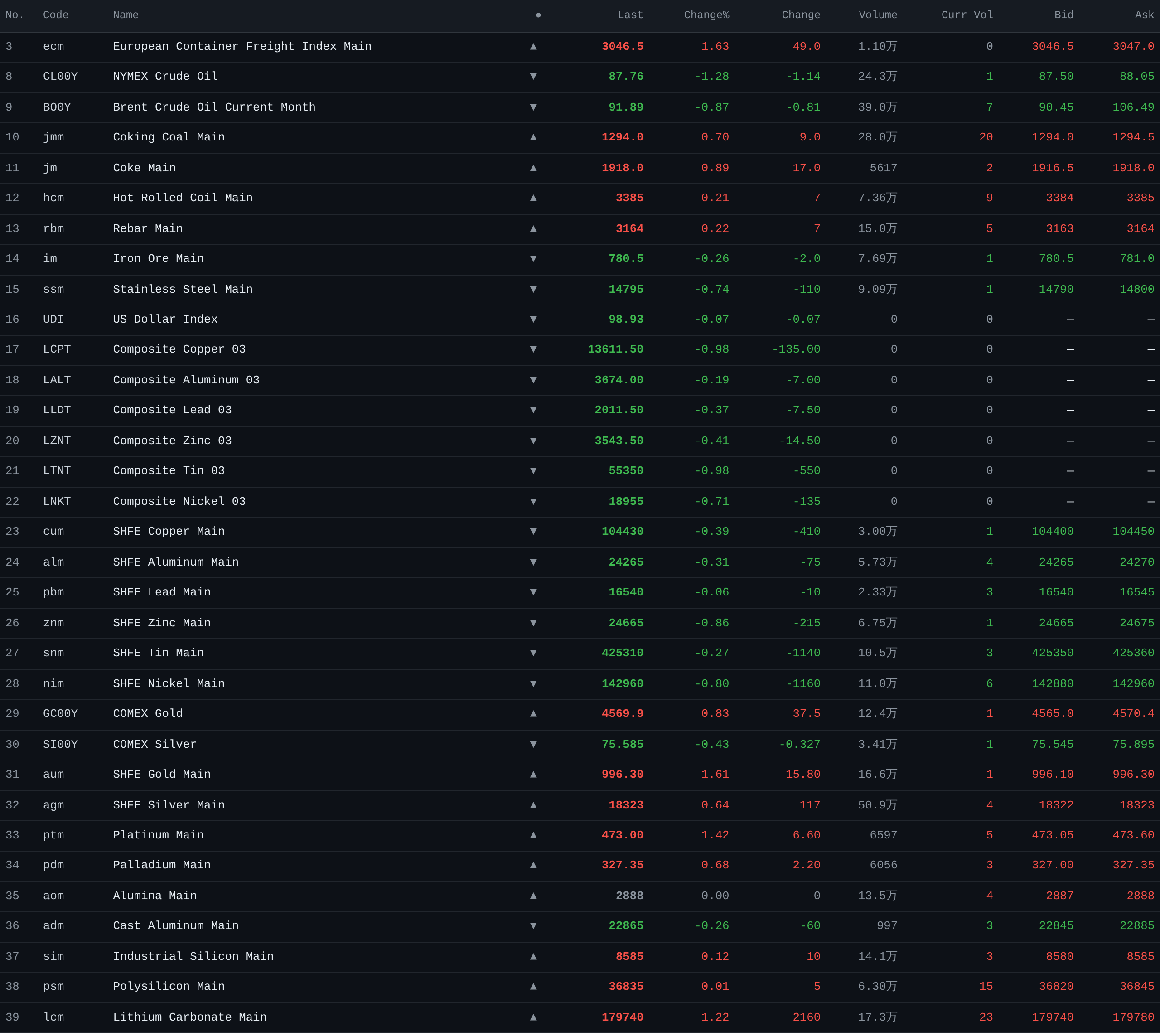
ช่วงซื้อขายกลางคืนวันศุกร์ที่ผ่านมา โลหะพื้นฐานปรับตัวลงพร้อมกันทั้งตลาดในประเทศและต่างประเทศ LME ทองแดงและ LME ดีบุกนำการปรับตัวลงด้วยการลดลง 0.98% SHFE สังกะสีลดลง 0.86% ขณะที่โลหะอื่นๆ ปรับตัวลงเล็กน้อย สัญญาเดือนใกล้ของอะลูมินาปิดทรงตัวที่ 2,888 หยวน/ตัน และสัญญาเดือนใกล้ของอะลูมิเนียมหล่อลดลง 0.26%
ช่วงซื้อขายกลางคืนวันศุกร์ที่ผ่านมา กลุ่มเหล็กมีทิศทางผสม สแตนเลสลดลง 0.74% และแร่เหล็กลดลง 0.26% เหล็กแผ่นรีดร้อนและเหล็กเส้นข้ออ้อยปรับขึ้นประมาณ 0.2% ในกลุ่มถ่านโค้กและโค้ก ถ่านโค้กเพิ่มขึ้น 0.7% และโค้กเพิ่มขึ้น 0.89%
ช่วงซื้อขายกลางคืนวันศุกร์ที่ผ่านมา โลหะมีค่า: COMEX ทองคำเพิ่มขึ้น 0.83% เพิ่มขึ้น 1.03% รายสัปดาห์แต่ลดลง 1.29% รายเดือน ลดลงติดต่อกันเป็นเดือนที่สาม COMEX เงินลดลง 0.43% ลดลง 0.81% รายสัปดาห์แต่เพิ่มขึ้น 2.1% รายเดือน ในจีน SHFE ทองคำเพิ่มขึ้น 1.61% ลดลง 0.23% รายสัปดาห์และลดลง 1.61% รายเดือน ลดลงติดต่อกันเป็นเดือนที่สามเช่นเดียวกับตลาดต่างประเทศ SHFE เงินเพิ่มขึ้น 0.64% ลดลง 1.23% รายสัปดาห์แต่เพิ่มขึ้น 3.08% รายเดือน
ณ เวลา 8:25 น. วันที่ 30 พฤษภาคม ราคาปิดช่วงซื้อขายกลางคืนวันศุกร์ที่ผ่านมา:
ด้านมหภาค
จีน:
เดือนมกราคมถึงเมษายน รายได้จากการดำเนินงานรวมของรัฐวิสาหกิจและวิสาหกิจที่รัฐถือหุ้นทั่วประเทศลดลง 0.5% YoY ขณะที่กำไรรวมเพิ่มขึ้น 1.9% YoY โดยรายได้จากการดำเนินงานรวมอยู่ที่ 26.27 ล้านล้านหยวน และกำไรรวมอยู่ที่ 1.37 ล้านล้านหยวน ภาษีค้างจ่ายเพิ่มขึ้น 3.9% YoY เป็น 2.12 ล้านล้านหยวน ณ สิ้นเดือนเมษายน อัตราส่วนหนี้สินต่อสินทรัพย์ของรัฐวิสาหกิจอยู่ที่ 65.5% เพิ่มขึ้น 0.4 จุดเปอร์เซ็นต์ YoY (สำนักข่าวซินหัว)
เมื่อวันที่ 29 พฤษภาคม มีรายงานว่าในไตรมาส 1 การส่งออกวงจรรวมของจีนมีมูลค่า 72.47 พันล้านดอลลาร์ เพิ่มขึ้น 77.5% YoY โดยการส่งออกผลิตภัณฑ์หน่วยความจำมีมูลค่า 45.99 พันล้านดอลลาร์ เพิ่มขึ้น 174.2% YoY การส่งออกผลิตภัณฑ์หน่วยความจำที่พุ่งสูงยังส่งผลต่อภาคบริการห่วงโซ่อุปทาน หัวหน้าบริษัทโลจิสติกส์กล่าวว่าตั้งแต่ต้นปีนี้ คำสั่งซื้อของบริษัทที่เกี่ยวข้องกับการส่งออกหน่วยความจำเพิ่มขึ้นเป็นสองเท่า โดยคำสั่งซื้อขนาดใหญ่ที่มีมูลค่าเกิน 100 ล้านหยวนต่อรายการเพิ่มขึ้นอย่างมีนัยสำคัญผู้เชี่ยวชาญในอุตสาหกรรมระบุว่าการเติบโตอย่างก้าวกระโดดของการส่งออกผลิตภัณฑ์หน่วยความจำเกิดจากทั้งปัจจัยวัฏจักรของอุปสงค์และอุปทานโลกที่ตึงตัว รวมถึงการเปลี่ยนแปลงเชิงโครงสร้างของอุตสาหกรรม ได้แก่ การยกระดับห่วงโซ่อุตสาหกรรมและการเพิ่มส่วนแบ่งตลาดของภาคหน่วยความจำในประเทศจีน รองเลขาธิการหอการค้าอิเล็กทรอนิกส์เซินเจิ้นกล่าวว่า เมื่อเทียบกับเดือนมีนาคมปีที่แล้ว ราคาหน่วยความจำเพิ่มขึ้นเกือบสิบเท่า บางรายการเพิ่มขึ้นมากกว่าสิบเท่า การเพิ่มขึ้นส่วนใหญ่เกิดจากราคาที่ปรับตัวสูงขึ้นอย่างมาก ซึ่งผลักดันมูลค่า (การส่งออก) รวมให้สูงขึ้น ราคาแบรนด์ในประเทศมีส่วนต่างราคาที่มากเมื่อเทียบกับแบรนด์นอกจีน ทำให้มีความสามารถในการแข่งขันสูง (CCTV Finance)
[กระทรวงอุตสาหกรรมและเทคโนโลยีสารสนเทศร่วมกับอีก 6 หน่วยงาน: ส่งเสริมการผลิตอุปกรณ์ในภาคอวกาศ ต่อเรือ ยานยนต์ หุ่นยนต์ และอื่นๆ]เมื่อวันที่ 29 พฤษภาคม สำนักงานทั่วไปของกระทรวงวัฒนธรรมและการท่องเที่ยว สำนักงานทั่วไปของกรมโฆษณาชวนเชื่อกลาง สำนักงานทั่วไปของกระทรวงอุตสาหกรรมและเทคโนโลยีสารสนเทศ สำนักงานทั่วไปของกระทรวงศึกษาธิการ สำนักงานทั่วไปของคณะกรรมการกำกับดูแลและบริหารทรัพย์สินของรัฐภายใต้คณะรัฐมนตรี สำนักงานทั่วไปของสำนักงานมรดกวัฒนธรรมแห่งชาติ และสำนักงานทั่วไปของสหพันธ์สหภาพแรงงานแห่งประเทศจีน ได้ร่วมกันออกประกาศเกี่ยวกับการส่งเสริมวัฒนธรรมอุตสาหกรรม การปกป้องมรดกอุตสาหกรรม และการพัฒนาการท่องเที่ยวเชิงอุตสาหกรรม ประกาศดังกล่าวกล่าวถึงการเพิ่มความหลากหลายของผลิตภัณฑ์การท่องเที่ยวเชิงอุตสาหกรรม โดยส่งเสริมการพัฒนาการท่องเที่ยวมรดกอุตสาหกรรมอย่างแข็งขัน ผลักดันการฟื้นฟูและใช้ประโยชน์จากพื้นที่อุตสาหกรรมผ่านการออกแบบเชิงสร้างสรรค์ การผสมผสานรูปแบบธุรกิจใหม่ และการปรับปรุงอาคาร รวมถึงพัฒนาสถานการณ์ รูปแบบ และโมเดลใหม่สำหรับการท่องเที่ยวเชิงอุตสาหกรรม ประกาศส่งเสริม "การเยี่ยมชมโรงงาน" อย่างจริงจัง โดยสนับสนุนให้สถานประกอบการในภาคการผลิตอุปกรณ์ เช่น อวกาศ ต่อเรือ ยานยนต์ และหุ่นยนต์ อุตสาหกรรมสินค้าอุปโภคบริโภค เช่น สิ่งทอและเครื่องนุ่งห่ม งานหัตถกรรม และการแปรรูปอาหาร รวมถึงโลจิสติกส์อีคอมเมิร์ซ พัฒนาโปรแกรมอย่างสร้างสรรค์ ได้แก่ การชมกระบวนการผลิต การจำลองการปฏิบัติงาน ประสบการณ์ลงมือทำ และการสั่งทำผลิตภัณฑ์ตามความต้องการ โดยรับประกันความปลอดภัยในการผลิตและข้อกำหนดด้านการรักษาความลับ เพื่อสร้างโรงงานท่องเที่ยวเชิงธีม นอกจากนี้ยังเรียกร้องให้ขยายการท่องเที่ยวเชิงอุตสาหกรรมอัจฉริยะอย่างเป็นระบบ สนับสนุนการใช้ระบบเป่ยโต่ว ปัญญาประดิษฐ์ วิดีโอความละเอียดสูงพิเศษ ความเป็นจริงเสมือน การขับขี่อัตโนมัติ และเทคโนโลยีดิจิทัลและอุปกรณ์อื่นๆ เพื่อสร้างประสบการณ์การท่องเที่ยวเชิงอุตสาหกรรมแบบดื่มด่ำและอัจฉริยะสนับสนุนแหล่งท่องเที่ยวเชิงอุตสาหกรรมในการพัฒนาการค้าเชิงธีม ประสบการณ์แบบอิมเมอร์ซีฟ ตลาดเฉพาะทาง และรูปแบบอื่นๆ เพื่อสร้างสถานการณ์การบริโภค "การท่องเที่ยวเชิงอุตสาหกรรม+" ส่งเสริมให้ท้องถิ่นเปิดตัวเส้นทางและแบรนด์การท่องเที่ยวเชิงอุตสาหกรรมคุณภาพสูงที่มีลักษณะเฉพาะของภูมิภาคและอุตสาหกรรม ส่งเสริมให้สถานประกอบการอุตสาหกรรมเสริมสร้างการส่งเสริมผลิตภัณฑ์ ขยายช่องทางการจำหน่ายผลิตภัณฑ์ และสร้างแบรนด์องค์กรให้แข็งแกร่งยิ่งขึ้นผ่านการท่องเที่ยวเชิงอุตสาหกรรม
ตลาดพลังงานระหว่างประเทศเซี่ยงไฮ้ประกาศปรับวงเงินจำกัดราคารายวันของสัญญาฟิวเจอร์สน้ำมันดิบและน้ำมันเชื้อเพลิงกำมะถันต่ำเป็น 17% อัตราส่วนหลักประกันการซื้อขายสำหรับสถานะป้องกันความเสี่ยงเป็น 18% และอัตราส่วนหลักประกันการซื้อขายสำหรับสถานะทั่วไปเป็น 19% นอกจากนี้ยังปรับวงเงินจำกัดการซื้อขายสำหรับสัญญาฟิวเจอร์สน้ำมันดิบและน้ำมันเชื้อเพลิงกำมะถันต่ำที่เกี่ยวข้อง
ดอลลาร์สหรัฐ:
ณ ราคาปิดข้ามคืนของวันศุกร์ที่ผ่านมา ดัชนีดอลลาร์สหรัฐลดลง 0.07% อยู่ที่ 98.93 ลดลง 0.39% ในรอบสัปดาห์ แต่เพิ่มขึ้น 0.85% ในรอบเดือน ความคาดหวังเชิงบวกเกี่ยวกับการขยายข้อตกลงหยุดยิงระหว่างสหรัฐฯ และอิหร่านทำให้ความต้องการสินทรัพย์ปลอดภัยลดลง
ดัชนีราคา PCE เดือนเมษายนของสหรัฐฯ เพิ่มขึ้น 3.8% เมื่อเทียบกับปีก่อน สูงสุดนับตั้งแต่เดือนพฤษภาคม 2023 สอดคล้องกับที่คาดการณ์ไว้ เทียบกับตัวเลขก่อนหน้าที่ 3.5% ดัชนีราคา PCE พื้นฐานเดือนเมษายนของสหรัฐฯ เพิ่มขึ้น 3.3% เมื่อเทียบกับปีก่อน ทำสถิติสูงสุดใหม่นับตั้งแต่เดือนพฤศจิกายน 2023 สอดคล้องกับที่คาดการณ์ไว้เช่นกัน เทียบกับตัวเลขก่อนหน้าที่ 3.2% นอกจากนี้ ข้อมูลแยกต่างหากที่เผยแพร่โดยสำนักวิเคราะห์เศรษฐกิจแสดงให้เห็นว่าเศรษฐกิจสหรัฐฯ เติบโตในอัตรารายปี 1.6% ในไตรมาสที่ 1 ต่ำกว่าข้อมูลเบื้องต้น การประมาณการเบื้องต้นที่เผยแพร่เมื่อเดือนที่แล้วแสดงการเติบโต 2% ข้อมูลบ่งชี้ว่าผู้บริโภคสหรัฐฯ ระมัดระวังมากขึ้นท่ามกลางแรงกดดันด้านค่าครองชีพและผลการดำเนินงานของตลาดแรงงานที่ไม่สม่ำเสมอ ความขัดแย้งในตะวันออกกลางผลักดันราคาเชื้อเพลิงและวัตถุดิบอื่นๆ ให้สูงขึ้น โดยผลกระทบส่งผ่านไปทั่วเศรษฐกิจในวงกว้างและทำให้ความเชื่อมั่นผู้บริโภคลดลงสู่ระดับต่ำสุดเป็นประวัติการณ์ ในขณะเดียวกัน ข้อมูลเงินเฟ้อนี้มีแนวโน้มที่จะเสริมคำเตือนจากเจ้าหน้าที่เฟดบางรายที่ว่าเฟดจำเป็นต้องพิจารณาขึ้นอัตราดอกเบี้ยหากแรงกดดันด้านราคาไม่ลดลง เควิน วอร์ช ซึ่งเพิ่งเข้าพิธีสาบานตนเข้ารับตำแหน่งประธานเฟดเมื่อวันที่ 22 พฤษภาคม อาจต้องโน้มน้าวเจ้าหน้าที่คนอื่นๆ ว่าสามารถควบคุมความคาดหวังเงินเฟ้อได้โดยไม่ต้องขึ้นอัตราดอกเบี้ย (Wallstreetcn)
ประธานเฟดสาขามินนีแอโพลิส แคชคารี กล่าวว่ายังเร็วเกินไปที่จะสรุปว่าจำเป็นต้องขึ้นอัตราดอกเบี้ย แต่เขาเชื่อว่าเฟดควรเปิดทางเลือกนโยบายทั้งหมดไว้เขากล่าวว่ายังเร็วเกินไปที่จะสรุปว่าจำเป็นต้องขึ้นอัตราดอกเบี้ยทันที โดยระบุว่าจำเป็นต้องติดตามข้อมูลเศรษฐกิจและพัฒนาการของความขัดแย้งในตะวันออกกลางต่อไป ก่อนพิจารณาว่าจำเป็นต้องปรับนโยบายหรือไม่ แคชคารีชี้ว่าทั้งในสถานการณ์ที่มองโลกในแง่ดีที่สุดและแง่ร้ายที่สุด เงินเฟ้ออาจยังคงอยู่ในระดับสูงอย่างมีนัยสำคัญเป็นระยะเวลานาน เขาติดตามความเสี่ยงนี้อย่างใกล้ชิด รวมถึงความเป็นไปได้ที่การคาดการณ์เงินเฟ้ออาจหลุดจากกรอบยึดเหนี่ยว (Wallstreetcn)
มิเชล โบว์แมน รองประธานเฟดฝ่ายกำกับดูแล กล่าวว่ายังเร็วเกินไปที่จะตัดสินผลกระทบของความขัดแย้งอิหร่านต่อเงินเฟ้อ และผู้กำหนดนโยบายจำเป็นต้องมองข้ามภาวะช็อกด้านราคาชั่วคราว เธอสนับสนุนให้เจ้าหน้าที่คงถ้อยแถลงหลังการประชุมนโยบายเดือนที่แล้วที่ส่งสัญญาณถึงความเป็นไปได้ในการปรับลดอัตราดอกเบี้ยเพิ่มเติม เธอกล่าวว่าในขณะที่พิจารณาเส้นทางนโยบายการเงินในอนาคต เธอต้องการความเข้าใจที่ชัดเจนยิ่งขึ้นเกี่ยวกับผลกระทบทางเศรษฐกิจจากความขัดแย้งในตะวันออกกลางและความยั่งยืนของผลกระทบเหล่านั้น ตราบใดที่ยังรักษาความน่าเชื่อถือในพันธกิจเพื่อบรรลุเป้าหมายเงินเฟ้อ การมองข้ามเงินเฟ้อที่สูงขึ้นชั่วคราวซึ่งขับเคลื่อนโดยราคาพลังงานที่เพิ่มขึ้นเป็นหลักนั้นเหมาะสม เธอคาดว่าผลกระทบ "ครั้งเดียว" ของภาษีศุลกากรที่ประธานาธิบดีทรัมป์บังคับใช้จะค่อยๆ จางหายไป (Wallstreetcn)
ด้านมหภาค:
สัปดาห์นี้ จีนมีกำหนดเผยแพร่ข้อมูล ได้แก่ PMI ภาคการผลิตเดือนพฤษภาคมของ RatingDog จีน และ PMI ภาคบริการเดือนพฤษภาคมของ RatingDog จีน สหรัฐฯ มีกำหนดเผยแพร่ข้อมูล ได้แก่ PMI ภาคการผลิตขั้นสุดท้ายเดือนพฤษภาคมของ S&P Global สหรัฐฯ, PMI ภาคการผลิต ISM เดือนพฤษภาคมของสหรัฐฯ, การใช้จ่ายด้านการก่อสร้างเดือนเมษายนของสหรัฐฯ เทียบรายเดือน, ตำแหน่งงานเปิดรับ JOLTs เดือนเมษายนของสหรัฐฯ, การจ้างงาน ADP เดือนพฤษภาคมของสหรัฐฯ, PMI ภาคบริการขั้นสุดท้ายเดือนพฤษภาคมของ S&P Global สหรัฐฯ, PMI นอกภาคการผลิต ISM เดือนพฤษภาคมของสหรัฐฯ, คำสั่งซื้อโรงงานเดือนเมษายนของสหรัฐฯ เทียบรายเดือน, การเลิกจ้างของ Challenger เดือนพฤษภาคมของสหรัฐฯ, จำนวนผู้ขอรับสวัสดิการว่างงานครั้งแรกสัปดาห์สิ้นสุดวันที่ 30 พฤษภาคมของสหรัฐฯ, อัตราว่างงานเดือนพฤษภาคมของสหรัฐฯ, การจ้างงานนอกภาคเกษตรปรับฤดูกาลเดือนพฤษภาคมของสหรัฐฯ, รายได้เฉลี่ยต่อชั่วโมงเดือนพฤษภาคมของสหรัฐฯ เทียบรายปี และรายได้เฉลี่ยต่อชั่วโมงเดือนพฤษภาคมของสหรัฐฯ เทียบรายเดือน สหราชอาณาจักรมีกำหนดเผยแพร่ข้อมูล ได้แก่ ดัชนีราคาบ้าน Nationwide เดือนพฤษภาคมของสหราชอาณาจักร เทียบรายเดือน, PMI ภาคการผลิตขั้นสุดท้ายเดือนพฤษภาคมของสหราชอาณาจักร, การอนุมัติสินเชื่อจำนองของธนาคารกลางเดือนเมษายนของสหราชอาณาจักร, PMI ภาคบริการขั้นสุดท้ายเดือนพฤษภาคมของสหราชอาณาจักร และดัชนีราคาบ้านปรับฤดูกาลของ Halifax เดือนพฤษภาคมของสหราชอาณาจักร เทียบรายเดือน ยูโรโซนมีกำหนดเผยแพร่ข้อมูล ได้แก่ PMI ภาคการผลิตขั้นสุดท้ายเดือนพฤษภาคมของยูโรโซน, อัตราว่างงานเดือนเมษายนของยูโรโซน, CPI เบื้องต้นเดือนพฤษภาคมของยูโรโซน เทียบรายปี, CPI เบื้องต้นเดือนพฤษภาคมของยูโรโซน เทียบรายเดือน, PMI ภาคบริการขั้นสุดท้ายเดือนพฤษภาคมของยูโรโซน, PPI เดือนเมษายนของยูโรโซน เทียบรายเดือน, ยอดค้าปลีกเดือนเมษายนของยูโรโซน เทียบรายเดือน, GDP ไตรมาส 1 ของยูโรโซน เทียบรายปี (ปรับปรุง) และการจ้างงานปรับฤดูกาลไตรมาส 1 ของยูโรโซน เทียบรายไตรมาส (ขั้นสุดท้าย)สวิตเซอร์แลนด์มีกำหนดเผยแพร่ข้อมูลรวมถึงยอดค้าปลีกที่แท้จริงของสวิตเซอร์แลนด์เดือนเมษายนเทียบรายปี ดุลการค้าสวิตเซอร์แลนด์เดือนเมษายน CPI สวิตเซอร์แลนด์เดือนพฤษภาคมเทียบรายเดือน และอัตราการว่างงานที่ปรับฤดูกาลแล้วของสวิตเซอร์แลนด์เดือนพฤษภาคม ฝรั่งเศสมีกำหนดเผยแพร่ข้อมูลรวมถึง PMI ภาคการผลิตขั้นสุดท้ายของฝรั่งเศสเดือนพฤษภาคม PMI ภาคบริการขั้นสุดท้ายของฝรั่งเศสเดือนพฤษภาคม ผลผลิตอุตสาหกรรมของฝรั่งเศสเดือนเมษายนเทียบรายเดือน และดุลการค้าฝรั่งเศสเดือนเมษายน เยอรมนีมีกำหนดเผยแพร่ข้อมูลรวมถึง PMI ภาคการผลิตขั้นสุดท้ายของเยอรมนีเดือนพฤษภาคม และ PMI ภาคบริการขั้นสุดท้ายของเยอรมนีเดือนพฤษภาคม นอกจากนี้ GDP ออสเตรเลียไตรมาส 1 เทียบรายปี และตัวเลขการจ้างงานแคนาดาเดือนพฤษภาคมจะมีการเผยแพร่เช่นกัน
น้ำมันดิบ:
ณ ราคาปิดช่วงข้ามคืนของวันศุกร์ที่ผ่านมา ราคาน้ำมันทั้งสองตลาดปรับตัวลง โดย WTI ลดลง 1.28% และ Brent ลดลง 0.87% ในรอบสัปดาห์ ราคาน้ำมันร่วงลงอย่างหนัก โดย WTI ลดลง 9.15% และ Brent ลดลง 8.3% ทั้งสองบันทึกการปรับตัวลงรายสัปดาห์ติดต่อกันเป็นสัปดาห์ที่สอง และเป็นการร่วงลงรายสัปดาห์มากที่สุดนับตั้งแต่เดือนเมษายน WTI ลดลง 16.47% ในรอบเดือน และ Brent ลดลง 16.77% ในรอบเดือน โดย WTI บันทึกการปรับตัวลงรายเดือนมากที่สุดนับตั้งแต่เดือนพฤศจิกายน 2021 และ Brent บันทึกการปรับตัวลงรายเดือนมากที่สุดนับตั้งแต่เดือนมีนาคม 2020 ตามรายงานของสำนักข่าวซินหัว ประธานาธิบดีทรัมป์ของสหรัฐฯ กล่าวเมื่อวันที่ 29 ว่าสหรัฐฯ และอิหร่านบรรลุข้อตกลงในประเด็นรองนอกเหนือจากโครงการนิวเคลียร์ของอิหร่านและการเดินเรือผ่านช่องแคบฮอร์มุซ ส่งผลให้ราคาน้ำมันดิบปรับตัวลง
ตลาดน้ำมันในเดือนพฤษภาคมมีวิวัฒนาการที่ชัดเจนเป็นสามระยะ: ต้นเดือน (1-6 พฤษภาคม): ราคาน้ำมันปรับตัวลงเล็กน้อยจากระดับสูงสุดในรอบเกือบสี่ปี แต่ Brent พุ่งขึ้นสั้นๆ ไปที่ราว 114 ดอลลาร์ หลัง OPEC+ ประกาศเพิ่มกำลังการผลิตเล็กน้อยและเกิดการโจมตีเส้นทางเดินเรือ ก่อนจะดิ่งลงสู่ช่วง 101-106 ดอลลาร์ หลังมีสัญญาณการลดความตึงเครียดระหว่างสหรัฐฯ-อิหร่าน กลางเดือน (7-20 พฤษภาคม): ราคาน้ำมันแกว่งตัวขณะที่การล้มเหลวของการหยุดยิงสลับกับความคืบหน้าในการเจรจาไกล่เกลี่ย โดยการปิดกั้นช่องแคบฮอร์มุซที่ยังคงดำเนินอยู่ทำให้ส่วนเพิ่มความเสี่ยงยังคงอยู่ในระดับสูง ปลายเดือน (21-29 พฤษภาคม): จากรายงานข้อตกลงหลักการระหว่างสหรัฐฯ-อิหร่านในการเปิดช่องแคบอีกครั้ง Brent ร่วงลงสั้นๆ สู่ช่วงต่ำ 93-100 ดอลลาร์ WTI แตะ 88-92 ดอลลาร์ และ Brent ปิดที่ราว 92 ดอลลาร์ (Wallstreetcn)
อย่างไรก็ตาม นักวิเคราะห์เน้นย้ำว่าจนกว่าความขัดแย้งจะยุติลงอย่างแท้จริงและช่องแคบกลับมาเปิดให้เดินเรือได้ตามปกติ สต็อกน้ำมันดิบทั่วโลกจะยังคงถูกใช้ลดลงประมาณ 10 ถึง 14 ล้านบาร์เรลต่อวัน และปัจจัยพื้นฐานของตลาดจริงยังคงตึงตัว การปรับตัวลงของราคาน้ำมันที่ขับเคลื่อนโดยความคาดหวังการหยุดยิง สะท้อนการตั้งราคาตามการฟื้นตัวของอุปทานในอนาคตมากกว่าการเปลี่ยนแปลงพื้นฐานของรูปแบบอุปสงค์-อุปทานในปัจจุบัน(Wallstreetcn)
รายงานล่าสุดเปิดเผยว่า การคำนวณของ Goldman Sachs แสดงให้เห็นว่าสต็อกน้ำมันดิบทั่วโลกอาจลดลงต่ำกว่าระดับเทียบเท่า 100 วันของอุปสงค์โลกได้เร็วสุดภายในสิ้นเดือนพฤษภาคม Goldman Sachs ประเมินว่า ณ สิ้นเดือนเมษายน สต็อกน้ำมันดิบทั่วโลกอยู่ที่ระดับเทียบเท่าประมาณ 101 วันของอุปสงค์โลก และคาดว่าจะลดลงเหลือ 98 วันภายในสิ้นเดือนพฤษภาคม ในจำนวนนี้ "สต็อกที่มองเห็นได้" ซึ่งสังเกตผ่านดาวเทียมและวิธีการอื่นๆ ประเมินอยู่ที่เพียง 73 วันของอุปสงค์ รายงานระบุว่าปัจจุบันมีเรือเพียงไม่กี่ลำที่สามารถผ่านช่องแคบฮอร์มุซได้ในแต่ละวัน ส่งผลให้อุปทานน้ำมันดิบโลกสูญหายเกินกว่า 10 ล้านบาร์เรลต่อวัน (Wallstreetcn)
![ราคาน้ำมันดิบลดลงติดต่อกันสองสัปดาห์ โลหะในตลาดต่างประเทศปรับตัวลดลงเป็นวงกว้าง สังกะสี LME ร่วงลงกว่า 2% ตะกั่ว LME และนิกเกิล LME นำตลาดร่วงลง และเงิน NY ติดลบเป็นสัปดาห์ที่หก [ตลาดข้ามคืน]](https://imgqn.smm.cn/usercenter/BVoXk20251217171736.jpg)
![ค่าธรรมเนียมการแปรรูปสังกะสีเข้มข้นลดลงต่อเนื่อง สังกะสี SHFE ยังคงแนวโน้มผันผวน [บทสรุปสัญญาล่วงหน้าสังกะสี SMM]](https://imgqn.smm.cn/usercenter/oTrxc20251217171755.jpg)
![ในระยะสั้น โลหะกลุ่มเหล็กจะยังคงเผชิญแรงกดดัน [รายงานห่วงโซ่อุตสาหกรรมเหล็กรายสัปดาห์ SMM]](https://imgqn.smm.cn/usercenter/YxksS20251217171748.jpg)