Titanium Concentrate
This week, domestic titanium concentrate (TiO2 ≥ 46%) was quoted at 1,550-1,600 yuan/mt, with an average price of 1,575 yuan/mt; TiO2 ≥ 47% material was quoted at 1,850-1,950 yuan/mt, with an average price of 1,900 yuan/mt.
This week, the titanium ore market remained in the doldrums, with overall performance on the weaker side. As cost pressure from titanium dioxide was passed through, downstream enterprises continued to push for lower prices on the raw material side; coupled with relatively high overall titanium ore inventory, prices were under pressure. For imported ore, elevated ocean freight rates lengthened transit times and lifted transportation costs; however, as downstream demand support was insufficient, cost pressure was difficult to effectively pass through to the buyer, and the overall titanium ore market trend still leaned weak.
Titanium Dioxide
This week, China’s titanium dioxide market prices: anatase titanium dioxide was quoted at 12,100-12,500 yuan/mt, with an average price of 12,300 yuan/mt; rutile titanium dioxide was quoted at 12,900-14,500 yuan/mt, with an average price of 13,700 yuan/mt; chloride-process titanium dioxide was quoted domestically at 14,000-17,200 yuan/mt, with an average price of 15,600 yuan/mt.
This week, overall quotations in the titanium dioxide market remained at relatively high levels, and mainstream quotations for sulphate-process rutile products were generally raised to 14,000-14,500 yuan/mt. This round of price increases was mainly driven by sustained pressure from the cost side: China’s 98% smelting acid index price was 1,050 yuan/mt, up 42 yuan/mt WoW, with sulphuric acid costs continuing to climb; in addition, natural gas prices fluctuate at highs, significantly increasing enterprises’ production cost pressure and prompting titanium dioxide enterprises to raise prices and ship. Demand side, the domestic trade market performed average, with downstream purchasing mainly for rigid demand; in the export market, affected by elevated ocean freight rates, pressure on order deliveries increased, but overall demand still provided some support to the market. Overall, supported by high costs, titanium dioxide prices were expected to remain firm in the short term.
Titanium Slag
This week, acid-soluble titanium slag (Sichuan) was quoted at 5,020-5,170 yuan/mt; mainstream quotations for regular 90 titanium slag were 5,200-5,400 yuan/mt.
This week, the titanium slag market overall remained in the doldrums. Affected by elevated raw material costs, the operating rate of enterprises was low; downstream purchases were mainly based on demand, with insufficient demand support, and high-titanium slag prices were under pressure. Going forward, continued attention should be paid to the recovery of downstream demand; the market was expected to consolidate at the bottom in the short term.
Titanium Sponge
This week, Grade 0 titanium sponge was quoted at 46,000-47,000 yuan/mt, with an average price of 46,500 yuan/mt; the average FOB price for Grade 0 titanium sponge was $6,950/mt; Grade 1 titanium sponge was quoted at 45,000-46,000 yuan/mt, with an average price of 45,500 yuan/mt; Grade 2 titanium sponge was quoted at 44,000-45,000 yuan/mt, with an average price of 44,500 yuan/mt.
This week, Yunnan Guotai Metal issued a price adjustment notice: effective March 10, domestic sales prices for all grades of titanium sponge were uniformly raised by 2,000 yuan/mt, and international sales prices were raised by $300/mt. Current market quotations stayed firm, mainly supported by factors such as strong restocking demand for titanium products and relatively low overall sponge titanium inventory, and enterprises showed a strong willingness to hold prices firm. However, enforcement of new export prices remained only average, and attention should be paid to acceptance in markets outside China going forward.
Titanium Products
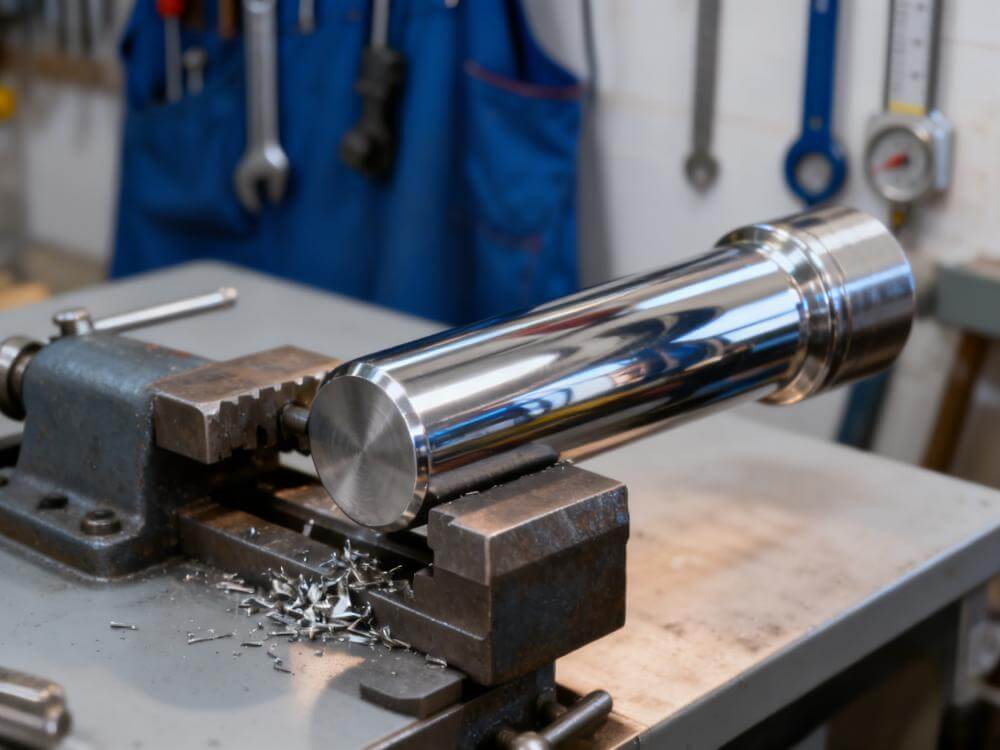
This week, the price of TA1 titanium ingot was 55-57 yuan/kg, the price of TA2 titanium ingot was 54-55 yuan/kg, and the TC4 price was 62-64 yuan/kg. This week, the quoted price of hot-rolled titanium plate (3-8 mm) was 64-65 yuan/kg, the quoted price of titanium welded pipe was 115-125 yuan/kg, the quoted price of pure titanium rod was 100-105 yuan/kg, and the quoted price of pure alloy rod was 115-125 yuan/kg.
This week, the titanium products market operated steadily. Supply side, titanium products enterprises maintained stable production, and the operating rate remained stable; demand side showed structural differentiation: in civilian sectors such as chemicals and anti-corrosion, demand was mainly rigid-demand-driven restocking, with purchases mostly in small orders and entering the market on an as-needed basis; high-end sectors such as aerospace and defense posted steady orders, providing strong support for demand for high-end titanium products. Overall demand was in a phase of steady recovery, and with sponge titanium price increases supporting costs, titanium market prices were expected to see a firmer adjustment next week.
Weekly Summary
This week, China’s titanium industry chain showed pronounced structural differentiation, with the tug-of-war between sellers and buyers across upstream and downstream intensifying and cost pass-through being impeded; the industry as a whole was in a pattern where a weak recovery coexisted with strong support in certain segments. In the upstream titanium ore and titanium slag segments, trading activity was sluggish; downstream processing enterprises strictly controlled costs, with procurement consistently maintaining a rigid-demand pace. Coupled with inventory at high levels across the industry, the raw material side was under pressure overall; enterprises had subdued willingness to operate, capacity release was constrained, and the supply-demand imbalance pattern remained prominent. The midstream titanium dioxide segment faced pressure from elevated raw material and energy costs, with production-side pressure rising sharply; enterprises showed a strong willingness to hold prices firm and make shipments. While domestic trade demand saw no obvious increase and was supported only by rigid demand, the export market still showed some resilience, and the overall market ran on the strong side. The downstream sponge titanium and titanium products segments performed well: sponge titanium industry inventory ran at low levels, and with robust downstream restocking demand, top-tier enterprise(s) took the initiative to adjust prices, with enterprises highly confident in holding prices firm; the titanium products market saw stable supply and demand, with a stable operating rate on the supply side and clear differentiation on the demand side—civilian sectors were mainly driven by rigid-demand restocking, while high-end sectors such as aerospace and defense maintained steady orders—leading to a steady market recovery. The differing pace across each segment of the industry chain also set the tone for subsequent market operations.
In the short term, the titanium industry chain was expected to continue this differentiated operating pattern. Cost support, the pace of demand recovery, and acceptance in markets outside China were the three core drivers of the industry trend. Differences in prosperity across segments were expected to persist, and the overall market would show the characteristics of “high-end stronger, low-end weaker.”Upstream raw material supply-demand imbalance fundamentals are unlikely to improve, as slow inventory drawdowns combined with undiminished downstream push for lower prices will keep the market consolidating at lows in the short term; absent a substantive recovery in downstream demand, it will be difficult to break the in-the-doldrums trajectory. Midstream titanium dioxide (TiO₂) faces strong cost support, with raw materials and energy fluctuating at highs continuing to pressure the production side; coupled with the approaching traditional peak consumption season, downstream demand is expected to be released gradually, cost pass-through remains smooth, and the market shows ample resilience, so it will maintain a steady and hold-up-well trend in the short term. Downstream sponge titanium and titanium products are expected to continue to rise in prosperity: sponge titanium is strongly supported by low inventory and restocking demand, and pricing adjustments by top-tier enterprises continue to take effect, with attention only needed on acceptance of price adjustments in markets outside China; titanium products benefit from the dual positives of rising costs and improved demand structure, with rigid demand in high-end sectors providing a floor, civilian demand steadily recovering, and supply expanding smoothly, making a hold-up-well adjustment more likely. Going forward, keep a close watch on cost fluctuations, peak-season demand release, and dynamics outside China to accurately manage market direction.