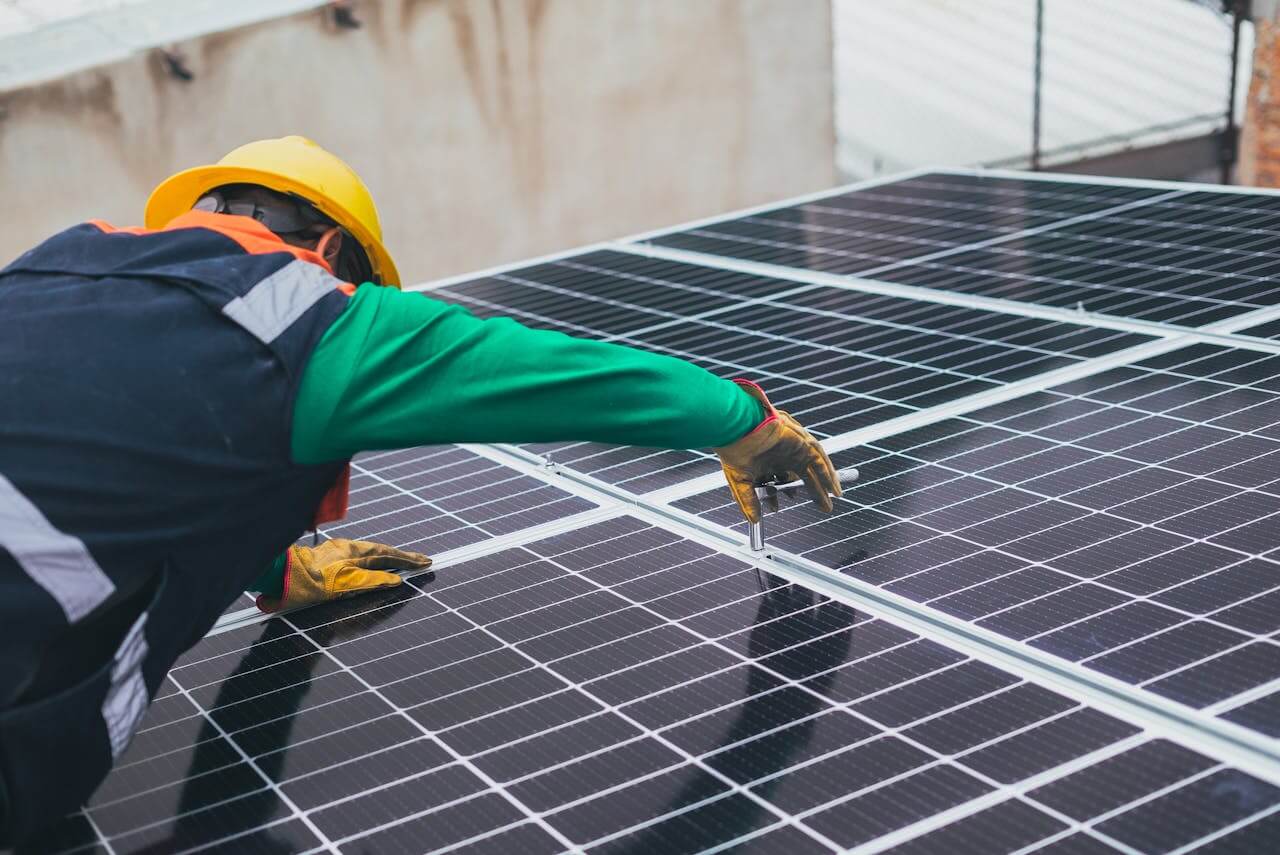
ในช่วงไม่กี่ปีที่ผ่านมา อุตสาหกรรมพลังงานแสงอาทิตย์ได้เข้าสู่ช่วงการปรับโครงสร้างอย่างลึกซึ้ง ด้วยราคาโมดูลที่ลดลงอย่างต่อเนื่อง และทั้งภาคต้นทางและปลายทางของห่วงโซ่อุตสาหกรรมเผชิญกับแรงกดดันทางผลกำไรอย่างรุนแรง การขับเคลื่อนด้วยความจำเป็นในการ "ลดต้นทุนอย่างมาก" ทำให้กระจกพลังงานแสงอาทิตย์ ซึ่งเป็นวัสดุช่วยสำคัญสำหรับโมดูลพลังงานแสงอาทิตย์ มีข้อกำหนดที่เข้มงวดมากขึ้นเกี่ยวกับต้นทุนและคุณภาพของวัตถุดิบต้นทาง โดยเฉพาะทรายควอตซ์ใสพิเศษที่มีธาตุเหล็กต่ำ ซึ่งกำหนดความสามารถในการผ่านของแสงของกระจกพลังงานแสงอาทิตย์ ได้กลายเป็นจุดสำคัญในการปรับโครงสร้างห่วงโซ่อุปทาน เมื่อทรัพยากรแร่คุณภาพสูงภายในประเทศเริ่มหมดไปและต้นทุนการขุดเจาะแบบครบวงจรเพิ่มขึ้น บริษัทกระจกพลังงานแสงอาทิตย์ของจีนได้เล็งเห็นอินโดนีเซียที่มีข้อได้เปรียบด้านทรัพยากร ในขณะนี้ การส่งเสริมและการตอบสนองระหว่างจีนและอินโดนีเซียในด้านทรายควอตซ์สำหรับกระจกพลังงานแสงอาทิตย์ได้กลายเป็นที่ใกล้ชิดมากขึ้น
เพื่ออธิบายตำแหน่งที่แท้จริงของทรายควอตซ์จากอินโดนีเซียภายในห่วงโซ่อุปทานพลังงานแสงอาทิตย์ของจีน เราได้ทำการวิเคราะห์ข้อมูลหลักและตรรกะอุตสาหกรรมอย่างลึกซึ้งตามข้อมูลสาธารณะและสำรวจตลาด:
คำถามที่ 1: ทรายควอตซ์ที่ส่งออกจากอินโดนีเซียใช้ในภาคใดของจีน?
เกือบทั้งหมด (ประมาณ 96%) ของทรายควอตซ์ที่ส่งออกจากอินโดนีเซียถูกส่งไปยังจีน จากทรายควอตซ์ที่จีนนำเข้านั้น สัดส่วนที่สำคัญ (60% ถึง 70%) ถูกใช้ในการผลิตกระจกพลังงานแสงอาทิตย์ นอกจากนี้ เนื่องจากความได้เปรียบด้านต้นทุนของทรายทะเลอินโดนีเซียเมื่อขุดใกล้กับท่าเรือ บางส่วนยังถูกใช้ภายในประเทศในการผลิตกระจกลอยหรือกระจกใสพิเศษ แต่เนื่องจากการขาดแคลนทรัพยากรแร่ที่เหมาะสมในท้องถิ่น ทรายควอตซ์จากอินโดนีเซียไม่สามารถตอบสนองความต้องการความบริสุทธิ์สูงที่จำเป็นสำหรับการผลิตหม้อหลอม นอกจากนี้ ทรายควอตซ์จากอินโดนีเซียส่วนใหญ่เป็นทรายทะเล และเนื่องจากลักษณะทางกายภาพ จึงไม่เหมาะสมในการผลิตซิลิกอนโลหะ
คำถามที่ 2: ข้อกำหนดคุณภาพเฉพาะสำหรับทรายควอตซ์ที่ใช้ในกระจกพลังงานแสงอาทิตย์คืออะไร?
ทรายควอตซ์ใสพิเศษที่มีธาตุเหล็กต่ำสำหรับกระจกพลังงานแสงอาทิตย์มีข้อจำกัดที่เข้มงวดมากเกี่ยวกับความบริสุทธิ์และสิ่งเจือปน:
- ปริมาณซิลิกอน: ต้องอยู่เหนือ 99.3%
- ปริมาณธาตุเหล็ก: นี่คือตัวชี้วัดที่สำคัญที่สุด โดยปกติจะต้องการปริมาณธาตุเหล็กน้อยกว่า 120 PPM
- ตัวชี้วัดของโลหะรอง: นอกจากซิลิกอนและธาตุเหล็กแล้ว ปริมาณของโลหะรองอื่น ๆ ในทรายควอตซ์ก็มีความสำคัญเช่นกัน ผู้ซื้อชาวจีนโดยทั่วไปต้องคัดเลือกและประเมินอย่างเข้มงวดตามมาตรฐานการจัดซื้อปริมาณโลหะรองเฉพาะที่บริษัทกระจกกำหนด
Q3: ปริมาณทรายควอตซ์จากอินโดนีเซียที่ใช้ในอุตสาหกรรมกระจกพลังงานแสงอาทิตย์ของจีนและระดับความพึ่งพาการนำเข้าเป็นอย่างไร?
ปัจจุบัน อินโดนีเซียและตุรกีเป็นแหล่งนำเข้าทรายควอตซ์หลักของจีน ตามข้อมูลสาธารณะ ทรายควอตซ์จากอินโดนีเซียประมาณ 50% ถึง 60% ของปริมาณการนำเข้าทรายควอตซ์ทั้งหมดของจีน ปริมาณการส่งออกทรายควอตซ์จากอินโดนีเซียไปยังจีนประจำปีอยู่ระหว่าง 4 ล้านถึง 5 ล้านตัน ตามการคำนวณว่าการผลิตกระจกพลังงานแสงอาทิตย์ 1 ตัน ใช้ทรายควอตซ์ประมาณ 0.7 ถึง 0.8 ตัน ประมาณ 15% ถึง 20% ของทรายควอตซ์ทั้งหมดที่ใช้ในการผลิตกระจกพลังงานแสงอาทิตย์ของจีนขึ้นอยู่กับการนำเข้าจากอินโดนีเซีย
Q4: ทรายควอตซ์จากอินโดนีเซียไม่สามารถแทนที่ได้ในเอเชียตะวันออกเฉียงใต้หรือไม่?
เมื่อพิจารณาจากมิติต่าง ๆ เช่น ระยะทางการขนส่ง ราคาการจัดซื้อ และคุณภาพที่มีอยู่ ทรายควอตซ์จากอินโดนีเซียมีความสำคัญและความไม่สามารถแทนที่ได้มากในเอเชียตะวันออกเฉียงใต้ ภายในภูมิภาคเอเชียตะวันออกเฉียงใต้ คุณภาพของทรายควอตซ์จากอินโดนีเซียในปัจจุบันอยู่ในอันดับหนึ่ง ตามมาด้วยมาเลเซีย ในขณะที่คุณภาพของเวียดนามค่อนข้างอ่อนแอ แม้ว่าคุณภาพของแร่จากภูมิภาคที่ไกลออกไปเช่น แอฟริกา อาจดีกว่า แต่ภายในขอบเขตของการขนส่งทางทะเลที่สะดวกสบายในและรอบ ๆ เอเชียตะวันออกเฉียงใต้ ทรายควอตซ์จากอินโดนีเซียมีการผสมผสานระหว่างความคุ้มค่าและคุณภาพที่โดดเด่นที่สุดในปัจจุบัน
Q5: โมเดลราคาและการกำหนดราคากลางของทรายควอตซ์จากอินโดนีเซียในปัจจุบันเป็นอย่างไร?
ปัจจุบัน ทรายควอตซ์จากอินโดนีเซียยังไม่มีมาตรฐานการกำหนดราคากลางที่แน่นอน แต่ภาคอุตสาหกรรมท้องถิ่นกำลังส่งเสริมการสร้างมาตรฐานการกำหนดราคากลาง FOB (Free on Board) และ CIF (Cost, Insurance, and Freight) คาดว่าจะมีการกำหนดราคากลางอย่างเป็นทางการในอนาคตปีที่แล้ว ราคาเอฟโอบีจากโรงงานของพืชทรายทะเลอินโดนีเซียแห่งหนึ่งอยู่ที่ประมาณ 160 หยวนต่อตัน (ไม่รวมค่าขนส่ง) ในขณะที่ราคาซีไอเอฟเมื่อถึงจีนอยู่ที่ประมาณ 330 ถึง 340 หยวนต่อตัน เมื่อเทียบกับทรายก่อสร้างทั่วไปซึ่งมีราคาเพียงกว่า 100 หยวนต่อตันเล็กน้อย ราคาของทรายกลั่นเกรดอุตสาหกรรมสำหรับโซลาร์เซลล์และกระจกลอยมักจะคงที่ในระดับสูงกว่า 300 หยวน ปัจจุบัน เมื่อวิสาหกิจกระจกในประเทศทำการซื้อ โดยทั่วไปมักจะชอบเจรจาสัญญาระยะยาวรายปีโดยตรงกับซัพพลายเออร์รายใหญ่ตามสภาพตลาดในขณะนั้น
![[พลังงานแสงอาทิตย์: อินเดียเพิ่มกำลังการผลิตพลังงานแสงอาทิตย์สูงเป็นประวัติการณ์ 15.3 กิกะวัตต์ในไตรมาส 1 ปี 2026]](https://imgqn.smm.cn/usercenter/eUzyF20251217171739.jpg)
![[โซลาร์: Genex ปรับแผน Bulli Creek ระยะที่ 1 เพิ่มระบบกักเก็บพลังงานแบตเตอรี่ 425 MW/1.7 GWh]](https://imgqn.smm.cn/usercenter/chMqV20251217171743.jpg)
![[พลังงานแสงอาทิตย์: Q.ENEST ได้รับเงินกู้ 9 พันล้านเยนสำหรับโครงการโซลาร์เซลล์แบบกระจายศูนย์ขนาด 80 เมกะวัตต์ในญี่ปุ่น]](https://imgqn.smm.cn/usercenter/wBAsG20251217171742.jpg)