By 2025, the Approved Quota for Indonesian Nickel Ore Has Reached 298 Million wmt; Medium and Long-Term Supply and Demand for High-Grade NPI Remain Tight [SMM Analysis]

Published: Feb 21, 2025 18:11
[SMM Analysis: Indonesian Nickel Ore Approval Quota Reaches 298 Million wmt by 2025, Medium and Long-Term High-Grade NPI Supply and Demand Remain Tight] In the short term, Indonesian nickel ore supply is sufficient, coupled with the recovery in stainless steel demand, maintaining a loose supply and demand balance for high-grade NPI. In the medium and long term, ...

In the Short Term:

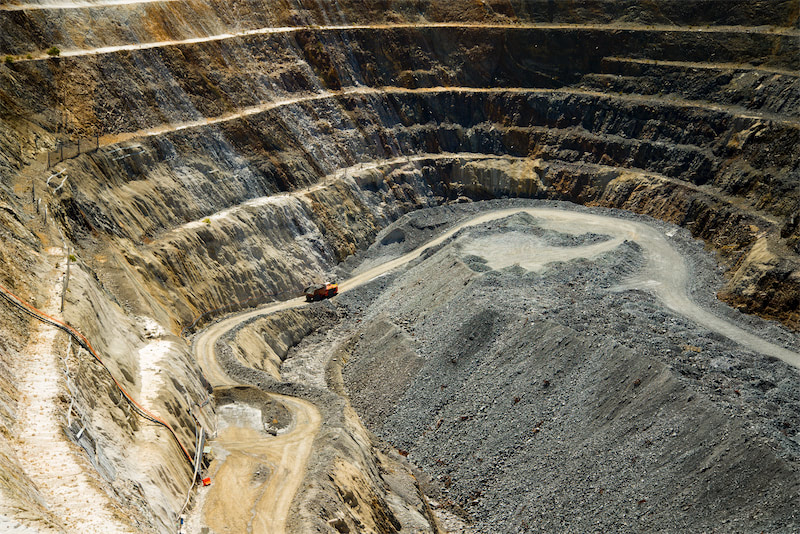
Supply Side: Indonesia, as the main global supplier of nickel ore, has approved an RKAB quota of 298 million wmt for 2025, providing sufficient raw material support for smelters. Coupled with the release of some new capacity, nickel production is expected to maintain a growth trend in the short term. However, production increases are limited in a major production area due to adjustments in production load for management optimization, which has somewhat alleviated supply surplus pressure.
Demand Side: After the Chinese New Year, the downstream stainless steel industry is gradually recovering, with steel mills increasing their operating rates, leading to a growing demand for high-grade NPI. In the short term, the supply and demand of high-grade NPI are expected to remain relatively loose, with limited price fluctuation space.

In the Medium and Long Term:

Supply Side: There remains uncertainty over whether Indonesia's nickel ore RKAB quota can be released as scheduled, and some new capacity projects may face delays in commissioning, resulting in lower-than-expected supply growth of high-grade NPI. Additionally, Indonesia's policy direction of promoting the nickel industry chain's downstream extension and restricting raw ore exports will also impact the medium and long-term nickel ore supply landscape.
Demand Side: The domestic stainless steel industry is facing intensified competition, with some steel mills potentially increasing operating rates to capture market share, further driving up demand for high-grade NPI. The growing demand for nickel in the new energy sector will also provide long-term support for nickel prices. In the medium and long term, the supply-demand relationship for high-grade NPI is expected to tighten, with the price center likely to move upward.

Risk Factors:

  1. The risk of a global economic downturn leading to lower-than-expected stainless steel demand.
  2. Changes in Indonesia's nickel ore export policies.
  3. Slower-than-expected growth in nickel demand from the new energy sector.

Summary:

In the short term, Indonesia's nickel ore supply remains sufficient, coupled with the recovery in stainless steel demand, keeping the supply and demand of high-grade NPI in a loose balance. In the medium and long term, uncertainties exist in Indonesia's nickel ore supply, while strong demand growth in the stainless steel and new energy sectors is expected. The supply-demand relationship for high-grade NPI is likely to tighten, with prices expected to strengthen. Close attention should be paid to Indonesia's policy developments, global economic conditions, and trends in the new energy industry.

》Click to View SMM Stainless Steel Spot Historical Prices

》Click to View SMM Stainless Steel Industry Chain Database


Data Source Statement: Except for publicly available information, all other data are processed by SMM based on publicly available information, market communication, and relying on SMM‘s internal database model. They are for reference only and do not constitute decision-making recommendations.

For any inquiries or to learn more information, please contact: lemonzhao@smm.cn
For more information on how to access our research reports, please contact:service.en@smm.cn
Related News
[SMM Stainless Steel Market Flash] Scrap Surge and Geopolitics Raise Cost Pressure on EU Mills
14 mins ago
[SMM Stainless Steel Market Flash] Scrap Surge and Geopolitics Raise Cost Pressure on EU Mills
Read More
[SMM Stainless Steel Market Flash] Scrap Surge and Geopolitics Raise Cost Pressure on EU Mills
[SMM Stainless Steel Market Flash] Scrap Surge and Geopolitics Raise Cost Pressure on EU Mills
According to market reports, European stainless mills are facing mounting cost pressure from both geopolitics and raw materials. Concerns linked to the US-Iran conflict are adding uncertainty to energy and input costs, while 304 scrap has climbed to €1,400/t delivered across most EU countries this month. The continued rise in costs is becoming a key support factor for higher stainless steel prices in Europe.
14 mins ago
[SMM Stainless Steel Market Flash] European Mills Lift July CRC Offers to €2,700/t Delivered
15 mins ago
[SMM Stainless Steel Market Flash] European Mills Lift July CRC Offers to €2,700/t Delivered
Read More
[SMM Stainless Steel Market Flash] European Mills Lift July CRC Offers to €2,700/t Delivered
[SMM Stainless Steel Market Flash] European Mills Lift July CRC Offers to €2,700/t Delivered
According to market reports, European mills are closing June order books and beginning to quote for July delivery. Market indications show CRC deals for May delivery were concluded at around €2,550-2,570/t delivered, while June delivery is being offered and achieved at €2,600-2,630/t delivered. July offers have now reached €2,700/t delivered, pointing to a further upward shift in the European stainless CRC price base.
15 mins ago
[SMM Stainless Steel Market Flash] European Stainless Flats Keep Rising as Sentiment Stays Cautious
16 mins ago
[SMM Stainless Steel Market Flash] European Stainless Flats Keep Rising as Sentiment Stays Cautious
Read More
[SMM Stainless Steel Market Flash] European Stainless Flats Keep Rising as Sentiment Stays Cautious
[SMM Stainless Steel Market Flash] European Stainless Flats Keep Rising as Sentiment Stays Cautious
According to market reports, European stainless flat steel prices continue to rise sharply, but overall market sentiment remains cautious. Feedback from the Tube & Wire trade show in Düsseldorf suggests that geopolitical uncertainty, subdued downstream activity, and a mixed outlook for end-users are still weighing on confidence. Although demand has improved from the weak levels seen in 2025, real end-user activity remains disappointing.
16 mins ago