

SHANGHAI, January 15 (SMM) –
Nickel prices hit bottom and rebounded, increasing during the evening session of January 10. They rose by about 3.24% last week, reaching 129,420 yuan/mt at the close on January 12. The price difference between nickel sulphate and pure nickel expanded, mainly influenced by the rise in nickel prices and relatively small fluctuations in nickel sulphate spot prices compared to the previous week. On the macro front, on the evening of January 11, the U.S. announced that the December non-seasonally adjusted CPI rose to 3.4%, up from the previous 3.1%. The non-seasonally adjusted core CPI went down from 4% to 3.9%. The expectation of further inflation pressure led to a strengthening of the U.S. dollar that night. The Fed is keeping a close eye on the year-on-year core inflation, which has slightly decreased from the previous 4% to 3.9%. This has led to a cooling off in gold prices, benefiting commodity prices, and causing nickel futures prices to trend upward. From a fundamental perspective, LME inventory added by 4,212 mt, and China's social inventory rose by 2,524 mt. Globally, apart from China, Europe has the highest cumulative inventory, increasing by about 9% compared to previous week. In Asia, the main increase in warehouse stock is in Singapore. The recent increase in inventory was mainly attributed to nickel briquettes last week. The main reason for the domestic inventory accumulation is the continuous arrival of nickel plates from other regions to Shanghai, coupled with the downstream demand weakening due to the rebound in nickel prices. Additionally, as of last Friday, electrowinning nickel exported to LME remains profitable is more profitable than selling it at a discount in the domestic spot market. The electroplating industry is growing steadily because it's receiving more orders in response to increased downstream demand from various industries. As for the alloy sector, research indicates a slight cooling of purchasing sentiment last week, primarily influenced by earlier completion of some procurement for stockpiling. In November, domestic stainless steel production is expected to decrease compared to the previous month, according to SMM research. This is attributed to the industry entering the maintenance period, leading to a further reduction in demand for pure nickel.
SMM Morning Comment For Nickel Market On January 15
Nickel prices hit bottom and rebounded, increasing during the evening session of January 10.
คำชี้แจงแหล่งที่มาของข้อมูล: นอกจากข้อมูลที่เปิดเผยต่อสาธารณะแล้ว ข้อมูลอื่นๆ ทั้งหมดได้รับการประมวลผลโดย SMM จากข้อมูลสาธารณะ การสื่อสารกับตลาด และการพึ่งพาแบบจำลองฐานข้อมูลภายในของ SMMข้อมูลเหล่านี้มีไว้เพื่ออ้างอิงเท่านั้น ไม่ถือเป็นข้อเสนอแนะในการตัดสินใจ
หากมีข้อสงสัยหรือต้องการทราบข้อมูลเพิ่มเติม กรุณาติดต่อ: lemonzhao@smm.cn
หากต้องการข้อมูลเพิ่มเติมเกี่ยวกับวิธีการเข้าถึงรายงานการวิจัยของเรา โปรดติดต่อ:service.en@smm.cn
ข่าวที่เกี่ยวข้อง
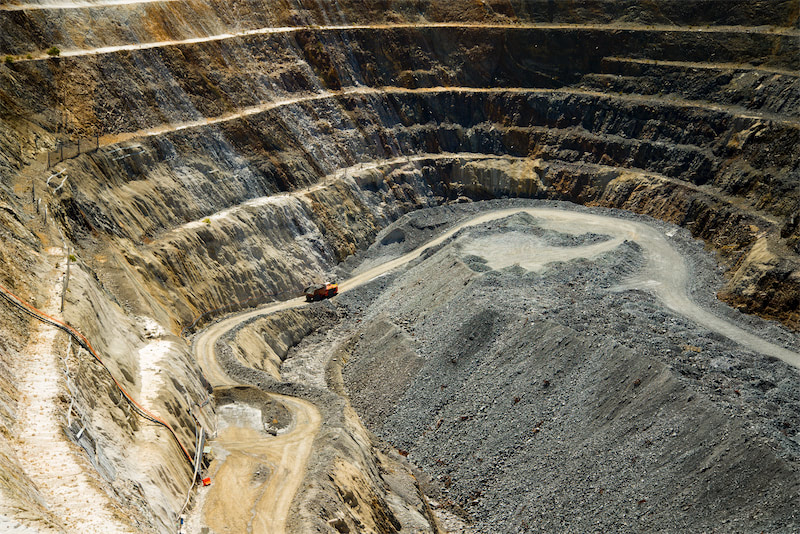
15 นาทีที่แล้ว
【SMM ข่าวด่วนนิกเกิล】อินโดนีเซียยืนยันรายละเอียดการผ่อนคลาย DHE SDA
อ่านเพิ่มเติม
【SMM ข่าวด่วนนิกเกิล】อินโดนีเซียยืนยันรายละเอียดการผ่อนคลาย DHE SDA
อินโดนีเซียได้ยืนยันรายละเอียดการบังคับใช้มาตรา 18A ของข้อบังคับรัฐบาล (PP) ฉบับที่ 21/2026 ซึ่งมีผลบังคับใช้กับใบขนสินค้าขาออก (PPE) ตั้งแต่วันที่ 1 กันยายน 2026
รัฐบาลระบุผู้ส่งออกเหมืองแร่ 64 ราย หรือประมาณ 12% จากผู้ส่งออก 537 รายที่ได้รับการตรวจสอบ ว่ามีคุณสมบัติตามเกณฑ์ในปัจจุบัน ผู้ส่งออกที่มีสิทธิ์ต้องจดทะเบียนเป็นบริษัทจำกัด (PT) ของอินโดนีเซีย ดำเนินธุรกิจในภาคเหมืองแร่ และมีผู้ถือหุ้นอย่างน้อยหนึ่งรายจากประเทศที่กำหนด ได้แก่ สหรัฐฯ จีน ฮ่องกง ออสเตรเลีย หรือแคนาดา ถือหุ้นไม่น้อยกว่า 10% รายชื่อผู้มีสิทธิ์จะได้รับการทบทวนเป็นรายเดือน
รัฐบาลยังได้กำหนดธนาคารพาณิชย์ที่ได้รับอนุญาต 15 แห่งสำหรับการวางเงินตราต่างประเทศจากการส่งออกทรัพยากรธรรมชาติ (DHE SDA) ภายใต้มาตรา 18A ประกอบด้วยธนาคารรัฐ 5 แห่ง และธนาคารที่ไม่ใช่รัฐ 10 แห่ง ซึ่งช่วยให้ผู้ส่งออกที่มีสิทธิ์สามารถวาง DHE SDA กับธนาคารที่ไม่ใช่รัฐที่ได้รับอนุญาตได้ เพิ่มความยืดหยุ่นในการจัดการรายได้จากการส่งออก
15 นาทีที่แล้ว

1 ชั่วโมงที่แล้ว
ข้อมูล: ความเคลื่อนไหวตลาด SHFE, DCE (3 ก.ย.)
อ่านเพิ่มเติม
ข้อมูล: ความเคลื่อนไหวตลาด SHFE, DCE (3 ก.ย.)
ตารางต่อไปนี้แสดงความเคลื่อนไหวของโลหะกลุ่มเหล็กและอโลหะในตลาด SHFE และ DCE ณ วันที่ 3 กันยายน 2026
1 ชั่วโมงที่แล้ว
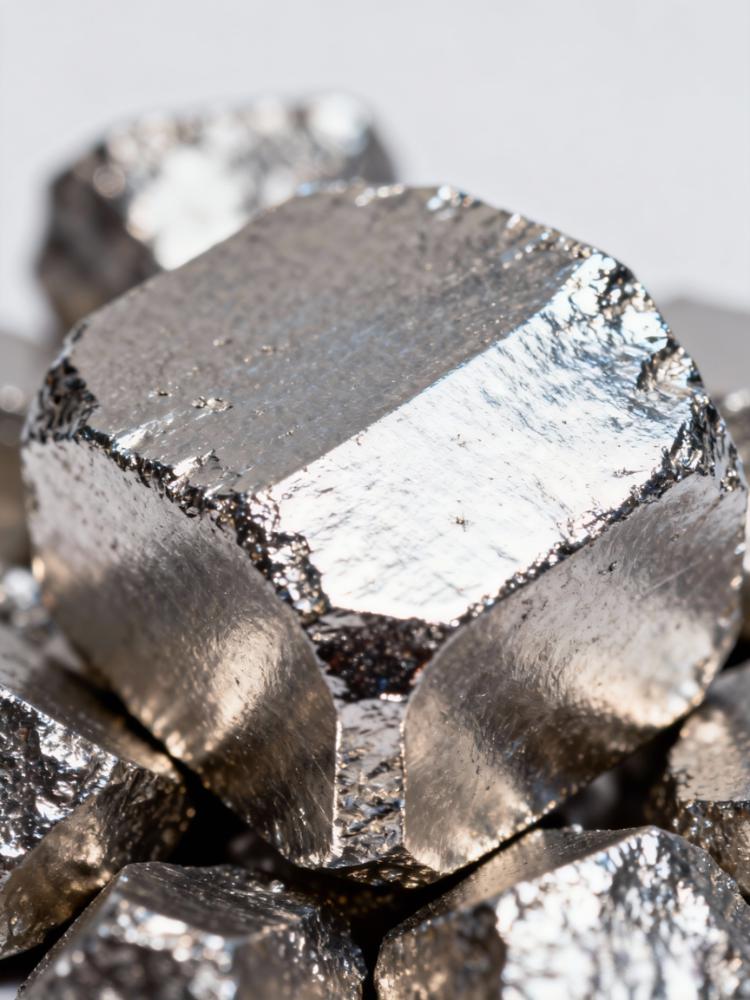
2 ชั่วโมงที่แล้ว
ราคานิกเกิลฟื้นตัว แต่ตลาด NPI เกรดสูงยังเผชิญแรงกดดันจากปัจจัยพื้นฐานอ่อนแอและสภาพคล่องต่ำ
อ่านเพิ่มเติม
ราคานิกเกิลฟื้นตัว แต่ตลาด NPI เกรดสูงยังเผชิญแรงกดดันจากปัจจัยพื้นฐานอ่อนแอและสภาพคล่องต่ำ
[SMM นิกเกิลแฟลช] ข่าววันที่ 3 กันยายน: แม้ราคานิกเกิลจะดีดตัวขึ้น แต่ตลาด NPI เกรดสูงยังยากที่จะพลิกกลับจากปัจจัยพื้นฐานที่อ่อนแอ และตลาดขาดสภาพคล่อง โรงงานเหล็กยังคงยึดระดับราคาที่ยอมรับได้ไว้ที่ระดับต่ำ และยังคงมีช่องว่างราคาที่มีนัยสำคัญระหว่างข้อเสนอจากต้นน้ำกับระดับราคาทางจิตวิทยาของโรงงานเหล็ก ส่วนต่างพรีเมียมสำหรับสินค้าหน่วยนิกเกิลสูงปรับลดลงอย่างเห็นได้ชัด และสถาบันส่วนใหญ่ยังคงมีมุมมองเชิงลบต่อตลาดล่วงหน้า
2 ชั่วโมงที่แล้ว
ข่าวที่เกี่ยวข้อง
【SMM ข่าวด่วนนิกเกิล】อินโดนีเซียยืนยันรายละเอียดการผ่อนคลาย DHE SDA
Sep 03, 2026 17:26
ข้อมูล: ความเคลื่อนไหวตลาด SHFE, DCE (3 ก.ย.)
Sep 03, 2026 16:05
ราคานิกเกิลฟื้นตัว แต่ตลาด NPI เกรดสูงยังเผชิญแรงกดดันจากปัจจัยพื้นฐานอ่อนแอและสภาพคล่องต่ำ
Sep 03, 2026 15:14
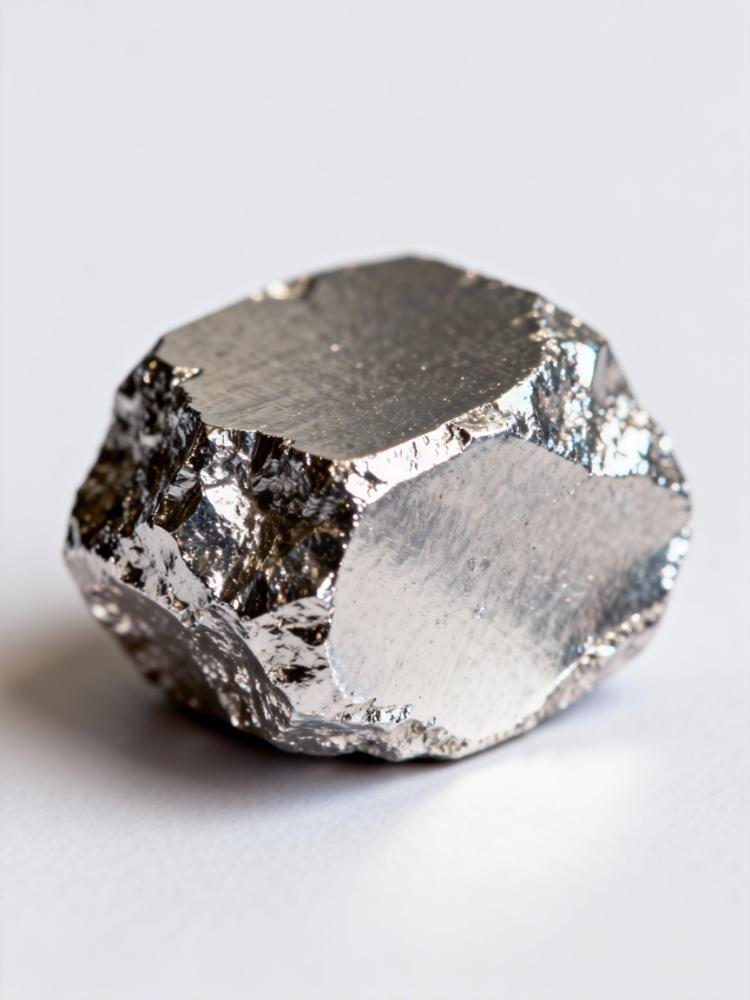
SMM: ความเชื่อมั่นตลาด NPI เกรดสูงอ่อนตัวลงในเดือนกันยายน ปัจจัยปลายน้ำและต้นน้ำปรับตัวลดลง
Sep 03, 2026 15:12