LME WEEK: China’s energy transformation, manufacturing upgrade and Belt & Road becoming new driving forces for China’s metal consumption

เผยแพร่แล้ว: Oct 11, 2023 14:44 (GMT+8)
At the SMM LME LONDON EVENT held during LME WEEK, Wu Ming, head of metals and commodities at PRC Macro, expressed her views on the impact of Chinese real estate on global metal demand.

At the SMM LME LONDON EVENT held during LME WEEK, Wu Ming, head of metals and commodities at PRC Macro, expressed her views on the impact of Chinese real estate on global metal demand.

https://imgqn.smm.cn/production/admin/news/cn/pic/QOMHf20231010193001.png?imageView2/2/w/800

China’s real estate slowdown: knowns and unknowns

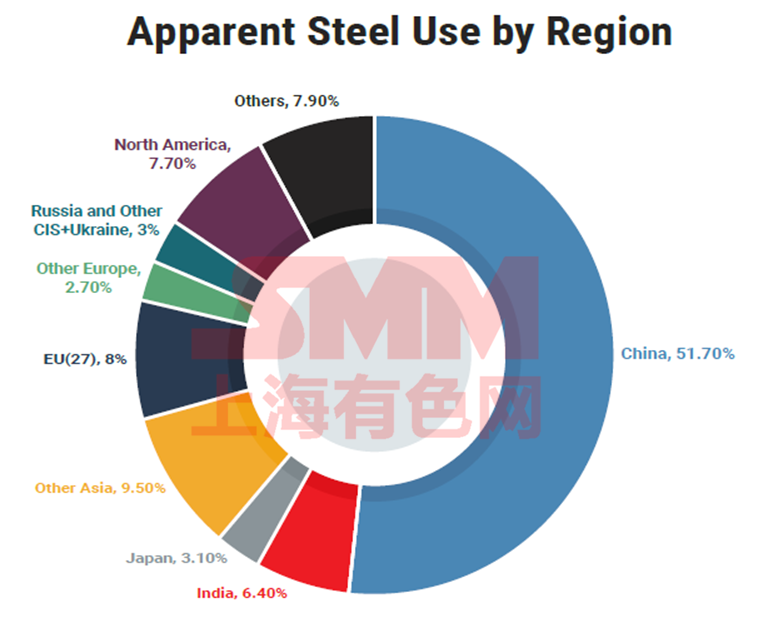
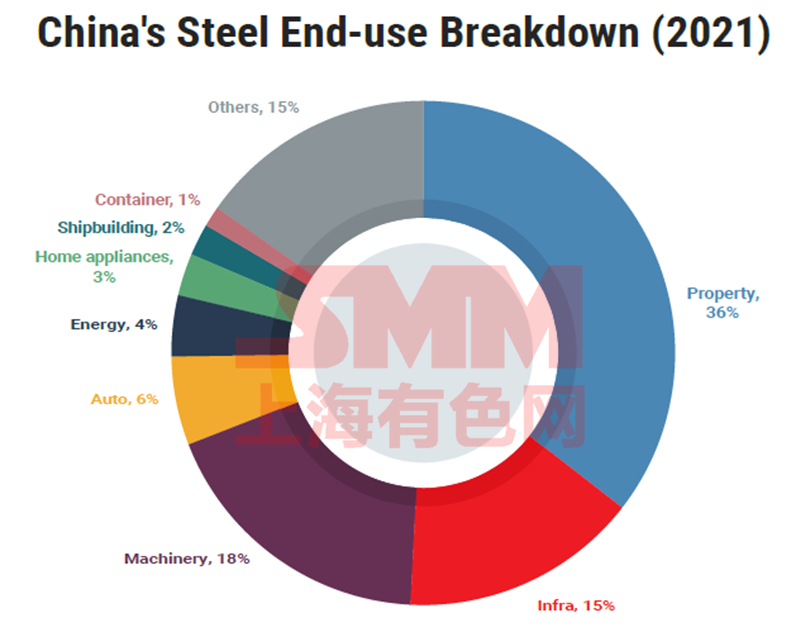
A slowdown in China's property market has weakened global metals demand as the industry accounts for about 20% of global steel demand, about 18% of aluminium demand and about 6% of copper demand. This is expected to lead to overcapacity and oversupply.
https://imgqn.smm.cn/production/admin/news/cn/pic/OUmEg20231010132836.png?imageView2/2/w/800

https://imgqn.smm.cn/production/admin/news/cn/pic/ZntDL20231010132854.png?imageView2/2/w/800

The Mystery of Steel

In theory, steel and iron ore demand should collapse as housing starts and construction weaken, but actual demand for steel this year has exceeded market expectations.

New driving forces: energy transformation, manufacturing upgrade

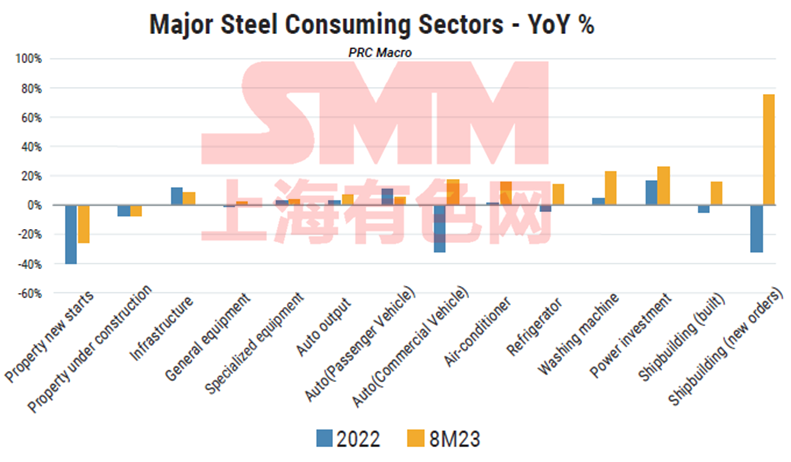
Chinese manufacturers hold a leading position in the global value chain and are capable of providing more high value-added products. China's energy transition not only boosts infrastructure and domestic consumption, but also enhances the competitiveness of Chinese manufacturers.
https://imgqn.smm.cn/production/admin/news/cn/pic/ViZVy20231010134101.png?imageView2/2/w/800

ODI boosts steel demand thanks to Belt and Road initiative

Strong exports consumed about 8% of steel production , largely counteracting the impact of the real estate slowdown.

The surge in exports to the Middle East was driven by a strong rebound in policy-supported RMB overseas direct investment (ODI).

Structural changes in China’s steel market

Manufacturing upgrades, energy transformation and overseas demand have led to changes in the structure of China's steel market, with flat steel gaining more share.

Chinese steel mills are working to reduce risks posed by the property market, and industry policy guidance will reinforce this trend.

Chinese steel mills

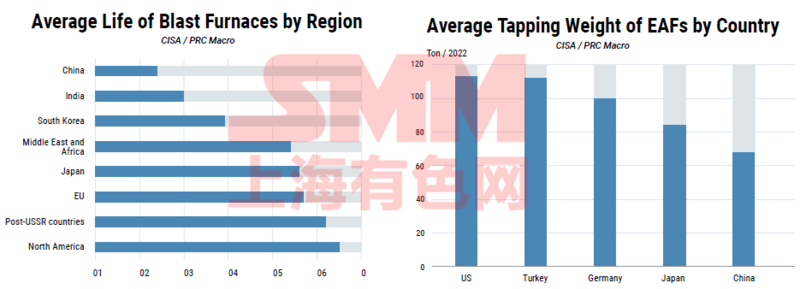
The average service life of BF-BOF assets in China is only about 14 years, compared with more than 40 years elsewhere, making it difficult for Chinese steel mills to scrap them in a short period of time. At the same time, the current capacity of electric arc furnaces is too small to produce flat steel.
https://imgqn.smm.cn/production/admin/news/cn/pic/qVwGf20231010141953.png?imageView2/2/w/800

Copper and aluminium: Still have support in the near term

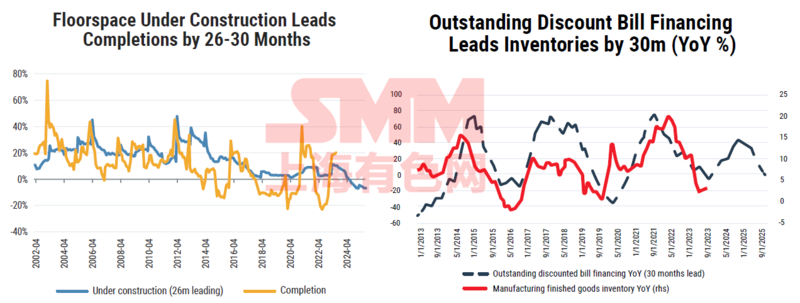
Completion of real estate will maintain growth until at least the second quarter of 2024.

Manufacturing stockpiling may begin in the fourth quarter of 2023, driven by energy investment, manufacturing upgrades and real estate completions.
https://imgqn.smm.cn/production/admin/news/cn/pic/OiJmP20231010142619.png?imageView2/2/w/800

Conclusion

•Global metal producers and metal demand are reducing the risk of China's real estate crisis. China's energy transformation, manufacturing upgrades, and strong exports driven by ODI in the Belt and Road initiative countries are becoming new driving forces for metal consumption.

•These new drivers have led to structural changes in China's steel market, with the share of flat steel rising steadily.

•This structural change on the demand side, coupled with China's supply structure, makes iron ore demand more resilient.

•China's property completion and restocking cycle will continue to support aluminium and copper demand in the short term.


คำชี้แจงแหล่งที่มาของข้อมูล: นอกจากข้อมูลที่เปิดเผยต่อสาธารณะแล้ว ข้อมูลอื่นๆ ทั้งหมดได้รับการประมวลผลโดย SMM จากข้อมูลสาธารณะ การสื่อสารกับตลาด และการพึ่งพาแบบจำลองฐานข้อมูลภายในของ SMMข้อมูลเหล่านี้มีไว้เพื่ออ้างอิงเท่านั้น ไม่ถือเป็นข้อเสนอแนะในการตัดสินใจ

หากมีข้อสงสัยหรือต้องการทราบข้อมูลเพิ่มเติม กรุณาติดต่อ: lemonzhao@smm.cn
หากต้องการข้อมูลเพิ่มเติมเกี่ยวกับวิธีการเข้าถึงรายงานการวิจัยของเรา โปรดติดต่อ:service.en@smm.cn
ข่าวที่เกี่ยวข้อง
เปรูคาดการณ์ผลผลิตทองแดงเพิ่มขึ้น 1 ล้านตันต่อปีภายใน 5-6 ปี
20 ชั่วโมงที่แล้ว
เปรูคาดการณ์ผลผลิตทองแดงเพิ่มขึ้น 1 ล้านตันต่อปีภายใน 5-6 ปี
อ่านเพิ่มเติม
เปรูคาดการณ์ผลผลิตทองแดงเพิ่มขึ้น 1 ล้านตันต่อปีภายใน 5-6 ปี
เปรูคาดการณ์ผลผลิตทองแดงเพิ่มขึ้น 1 ล้านตันภายใน 5-6 ปี รัฐมนตรีว่าการกระทรวงพลังงานและเหมืองแร่ของเปรู กิเยร์โม ชินโน กล่าวว่า ประเทศคาดว่าจะเพิ่มผลผลิตทองแดงต่อปีประมาณ 1 ล้านตันภายใน 5-6 ปีผ่านโครงการเหมืองใหม่ ผู้ผลิตทองแดงรายใหญ่อันดับสามของโลกคาดการณ์ผลผลิตปี 2569 อยู่ที่ 2.5-2.7 ล้านตัน แทบไม่เปลี่ยนแปลงจากปี 2566 เนื่องจากเกรดแร่ที่ลดลงและความขัดแย้งทางสังคมที่เกิดขึ้นซ้ำซากกดดันอุปทาน รัฐบาลที่เพิ่งได้รับการเลือกตั้งพยายามพลิกฟื้นภาวะชะงักงันดังกล่าวด้วยการลดขั้นตอนราชการ ในช่วงสองเดือนนับตั้งแต่เข้ารับตำแหน่ง บริษัทเหมืองแร่ได้เพิ่มการหารือกับกระทรวงมากขึ้น ชินโนกล่าวว่าเจ้าหน้าที่ระบุใบอนุญาต 27 รายการที่สามารถยกเลิกได้จากข้อกำหนดภาคเหมืองแร่ประมาณ 100 รายการ โดยไม่ลดทอนมาตรฐานด้านสิ่งแวดล้อม
20 ชั่วโมงที่แล้ว
ผู้ผลิตทองแดงอินเดียเรียกร้องลดภาษี GST หลังราคาพุ่งสูงสุดเป็นประวัติการณ์ซ้ำเติมภาระเงินทุนหมุนเวียน
25 Sep 2026 20:26 (GMT+8)
ผู้ผลิตทองแดงอินเดียเรียกร้องลดภาษี GST หลังราคาพุ่งสูงสุดเป็นประวัติการณ์ซ้ำเติมภาระเงินทุนหมุนเวียน
อ่านเพิ่มเติม
ผู้ผลิตทองแดงอินเดียเรียกร้องลดภาษี GST หลังราคาพุ่งสูงสุดเป็นประวัติการณ์ซ้ำเติมภาระเงินทุนหมุนเวียน
ผู้ผลิตทองแดงของอินเดียกำลังเรียกร้องให้ลดภาษี GST จาก 18% เหลือ 5% โดยอ้างถึงความต้องการเงินทุนหมุนเวียนที่เพิ่มขึ้นท่ามกลางราคาทองแดงที่สูงเป็นประวัติการณ์
25 Sep 2026 20:26 (GMT+8)
การขาดแคลนกรดซัลฟิวริกกลายเป็นข้อจำกัดต่อการเติบโตของอุตสาหกรรมทองแดงในแซมเบีย
25 Sep 2026 16:43 (GMT+8)
การขาดแคลนกรดซัลฟิวริกกลายเป็นข้อจำกัดต่อการเติบโตของอุตสาหกรรมทองแดงในแซมเบีย
อ่านเพิ่มเติม
การขาดแคลนกรดซัลฟิวริกกลายเป็นข้อจำกัดต่อการเติบโตของอุตสาหกรรมทองแดงในแซมเบีย
การขาดแคลนกรดซัลฟิวริกในแซมเบียกำลังกลายเป็นข้อจำกัดที่เพิ่มขึ้นต่อการผลิตและการกลั่นทองแดง บริษัท Jubilee Metals รายงานต้นทุนกรดเพิ่มขึ้นมากกว่า 200% ในไตรมาส 4 ปีงบประมาณ 2026 ขณะที่ผลผลิตแคโทดของ Sable ลดลงเหลือ 250 ตัน จาก 361 ตันในไตรมาส 3 ข้อมูลของรัฐบาลยังแสดงให้เห็นว่าการผลิตทองแดงขนาดเล็กลดลง 35.2% เมื่อเทียบกับช่วงเดียวกันของปีก่อน ในครึ่งแรกของปี 2026 ซึ่งสะท้อนถึงความเปราะบางของภาคส่วนนี้ต่อปริมาณกรดที่ตึงตัวและต้นทุนการแปรรูปที่สูงขึ้น
25 Sep 2026 16:43 (GMT+8)