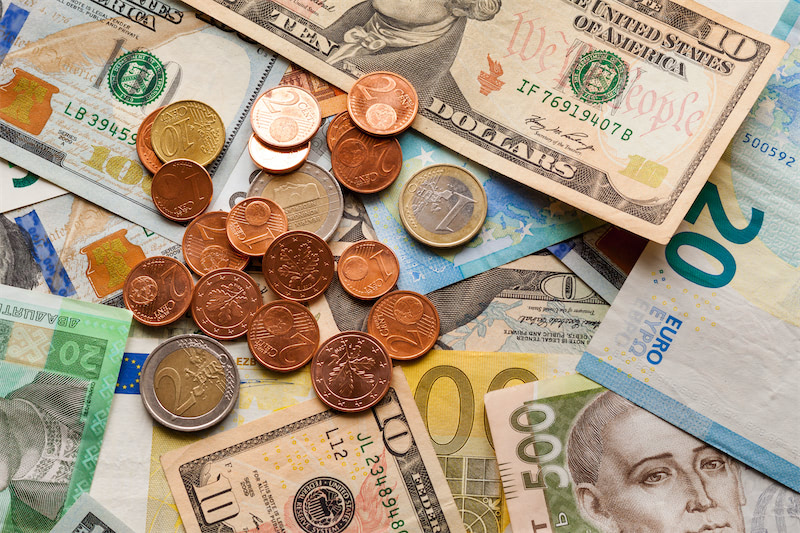
“Cash Is King” in US and Europe in Digital Age. Does Rebound in paper note Point to Recession?

เผยแพร่แล้ว: May 4, 2023 09:59
Over the past few years, the world has been searching for ways to deepen digital transactions in the hope that they can be conducted more quickly and cheaply.

Over the past few years, the world has been searching for ways to deepen digital transactions in the hope that they can be conducted more quickly and cheaply. According to statistics, nearly 90% of the world's central banks are developing central bank digital currency, and 60% have entered the proof-of-concept stage.

However, in a survey conducted in March, 53 per cent of US and 46 per cent of UK respondents said they used cash more often now than they did a year ago. Overall, 60% of respondents in both countries said using physical currency would reduce their spending.

That, in turn, has much to do with inflation in both countries, particularly in Britain, which is still running at around 10%, further amplifying the pain. The Bank of England's chief economist also put his cards on the table this week by saying that Britons need to accept being poorer.

Courtney Alev, associate director of product management at Credit Karma, which conducted the poll, said that while the world is returning to normal after the pandemic, prices have risen dramatically, and holding cash is one way to manage money to make wealth last longer.

Some respondents also said digital channels, from Apple Pay to contactless credit cards, could easily lead them to blow their budgets. Two-thirds of people in the poll said digital payments made them spend more than they had budgeted.

The smell of cash

Natalie Ceeney, chair of Cash Access UK, a non-profit organisation, said many of the theories about digital payments were designed to remove frictions from the market, but in reality many now wanted to bring them back.

She added that studies have shown that when digital payments are used in some instances, sales increase significantly. One reason is that people don't see it as a significant expense when they pay.

On the other hand, Kenneth Rogoff, an economist at Harvard University, points out that the rebound in cash use also hints at increased demand in the "underground economy". For example, he said, paying some fees in cash to avoid paying taxes.

He added that the underground economy should have grown during the pandemic and that the increased use of cash would reflect this. Rogoff also estimates that the underground economy accounts for about 10 percent of GDP in the United States and much higher in Europe.

The Bank of England revealed in October that the use of cash in the UK had continued to rise since the pandemic, with notes in circulation at record levels. Nationwide Building Society, a British bank, responded in January that British depositors had made more than 32 million withdrawals last year, a 19 percent increase on 2021.

This is clearly not very friendly to some fintech companies, especially in the payments sector. Some payment companies have introduced new features that help customers set limits to stay in the digital world. But how long cash recovers will probably depend on when inflation in the economy falls back to its target range.

Lisa Spantig, assistant professor of experimental economics at the University of Aachen in Germany, points out that while frictionless payments are generally good for society, consumers need some help, such as regulation. And digital payment providers typically benefit from higher spending, which, in times of high inflation, affects ordinary consumers.

And historically, cash is king is a constant lesson. During the Lehman crisis in 2008, eurozone paper currency use rose to an all-time high within three months. Cash use typically rises during major financial shocks or global catastrophes similar to COVID-19.

It may also be worth pondering whether the US and UK polls point to something more serious, such as a recession.
คำชี้แจงแหล่งที่มาของข้อมูล: นอกจากข้อมูลที่เปิดเผยต่อสาธารณะแล้ว ข้อมูลอื่นๆ ทั้งหมดได้รับการประมวลผลโดย SMM จากข้อมูลสาธารณะ การสื่อสารกับตลาด และการพึ่งพาแบบจำลองฐานข้อมูลภายในของ SMMข้อมูลเหล่านี้มีไว้เพื่ออ้างอิงเท่านั้น ไม่ถือเป็นข้อเสนอแนะในการตัดสินใจ

หากมีข้อสงสัยหรือต้องการทราบข้อมูลเพิ่มเติม กรุณาติดต่อ: lemonzhao@smm.cn
หากต้องการข้อมูลเพิ่มเติมเกี่ยวกับวิธีการเข้าถึงรายงานการวิจัยของเรา โปรดติดต่อ:service.en@smm.cn
ข่าวที่เกี่ยวข้อง
เบซานต์ตั้งเป้าผลิตหัวแร่เข้มข้นครั้งแรกที่เหมืองโฮปแอนด์โกรอบในนามิเบียในเดือนกันยายน
41 นาทีที่แล้ว
เบซานต์ตั้งเป้าผลิตหัวแร่เข้มข้นครั้งแรกที่เหมืองโฮปแอนด์โกรอบในนามิเบียในเดือนกันยายน
อ่านเพิ่มเติม
เบซานต์ตั้งเป้าผลิตหัวแร่เข้มข้นครั้งแรกที่เหมืองโฮปแอนด์โกรอบในนามิเบียในเดือนกันยายน
Bezant Resources กล่าวว่า การพัฒนาโครงการทองแดง-ทองคำ Hope & Gorob ในนามิเบีย และโรงงานแปรรูปโลหะ Tsoaxaub ที่เกี่ยวข้อง ยังคงเป็นไปตามกำหนดการปัจจุบันของโครงการ โดยคาดว่าจะเริ่มแปรรูปแร่จากหน้าเหมือง (ROM) ชุดแรกได้ในเดือนกันยายน 2026 ทั้งนี้ หากกิจกรรมการทดสอบเดินเครื่องส่วนที่เหลือเสร็จสมบูรณ์ การแปรรูปแร่ ROM ชุดแรกคาดว่าจะผลิตหัวแร่เข้มข้นชุดแรกของโครงการได้ แร่จากการระเบิดเหมืองสองครั้งแรกได้ถูกกองเก็บไว้แล้วและพร้อมขนส่งไปยังโรงงานแปรรูป ขณะที่ Bezant ระบุว่าปริมาณแร่ที่กองเก็บสูงกว่าประมาณการเบื้องต้น เนื่องจากการเก็บแร่เพิ่มเติมที่บันทึกไว้ในบัญชีแร่ของบริษัท งานพัฒนากำลังคืบหน้าทั้งที่เหมืองและโรงงานแปรรูป การก่อสร้างแคมป์ที่พื้นที่เหมืองแล้วเสร็จประมาณ 75% โครงสร้างพื้นฐานผิวดินประมาณ 75% ได้ถูกส่งมอบและอยู่ระหว่างการติดตั้ง และกองยานพาหนะทำเหมืองและขนส่งของ Unitrans ทั้งหมดได้เข้าประจำพื้นที่แล้ว ที่โรงงาน Tsoaxaub Bezant ได้รับใบรับรองการแล้วเสร็จงานโยธาและโครงสร้าง C1 ซึ่งยืนยันการแล้วเสร็จของงานเหล็กโครงสร้างหลักและงานโยธา ขณะที่ใบรับรองการแล้วเสร็จงานเครื่องกล C2 มีกำหนดแล้วเสร็จในเดือนกันยายน ระบบขับเคลื่อนไฟฟ้าและเครื่องมือวัดแล้วเสร็จประมาณ 90% โดยเครื่องบดกรวย อุปกรณ์ลอยแร่ โครงสร้างพื้นฐานหางแร่ และส่วนประกอบการแปรรูปอื่น ๆ อยู่ระหว่างการเตรียมขั้นสุดท้ายก่อนการทดสอบเดินเครื่อง Bezant ยังได้เร่งการทบทวนแผนขยายระยะที่ 2 โดยพิจารณาราคาทองแดง ทองคำ และเงินในปัจจุบันและที่คาดการณ์ รวมถึงความเป็นไปได้ในการรวมแร่เกรดต่ำที่ก่อนหน้านี้เคยถูกมองว่าไม่คุ้มค่าเชิงเศรษฐกิจ บริษัทกำลังประเมินกลยุทธ์การเดินเครื่องแบบ mass-pull ที่สูงขึ้นสำหรับเครื่องคัดแยกแร่ ซึ่งอาจเพิ่มอัตราการเก็บคืนทองแดง แม้อาจได้เกรดหัวแร่ก่อนแต่งที่ต่ำลงก็ตาม จากบัญชีแร่ปัจจุบัน ทรัพยากรแร่ตามมาตรฐาน JORC (2012) ที่มีอยู่ กำลังการผลิตตามแผนของโรงงานลอยแร่ และสถานการณ์ mass-pull ที่สูงขึ้นซึ่งอยู่ระหว่างการพิจารณา ฝ่ายบริหารเชื่อว่า Hope & Gorob มีศักยภาพรองรับอายุเหมืองประมาณ 35 ปี Bezant ยังไม่ได้เผยแพร่แบบจำลองทางเศรษฐกิจฉบับปรับปรุงที่รวมสถานการณ์อายุเหมืองที่ยาวขึ้นนี้ บทวิเคราะห์ SMM: เป้าหมายการแปรรูปในเดือนกันยายนทำให้ Hope & Gorob ใกล้เปลี่ยนผ่านจากการพัฒนาเหมืองไปสู่การผลิตหัวแร่เข้มข้นระยะแรก โดยมีแร่ ROM กองเก็บไว้แล้ว และโครงสร้างพื้นฐานการแปรรูปหลักใกล้แล้วเสร็จทางเครื่องกล อายุเหมือง 35 ปีที่เป็นไปได้และการขยายระยะที่ 2 ยังอยู่ระหว่างการทบทวนทางเทคนิคและเศรษฐกิจ และยังไม่ควรถือเป็นแผนพัฒนาฉบับปรับปรุงที่ยืนยันแล้ว ในระยะสั้น จุดสำคัญที่ต้องจับตาคือการแล้วเสร็จของการทดสอบเดินเครื่องโรงงาน และการยืนยันการผลิตหัวแร่เข้มข้นชุดแรกในเดือนกันยายน
41 นาทีที่แล้ว
SMM คาดว่าอัตราการดำเนินงานโดยรวมของแอโนดทองแดงจะปรับตัวขึ้นเล็กน้อยเมื่อเทียบรายเดือนในเดือนกันยายน
50 นาทีที่แล้ว
SMM คาดว่าอัตราการดำเนินงานโดยรวมของแอโนดทองแดงจะปรับตัวขึ้นเล็กน้อยเมื่อเทียบรายเดือนในเดือนกันยายน
อ่านเพิ่มเติม
SMM คาดว่าอัตราการดำเนินงานโดยรวมของแอโนดทองแดงจะปรับตัวขึ้นเล็กน้อยเมื่อเทียบรายเดือนในเดือนกันยายน
[SMM ทองแดงแอโนดแบบเร็ว] SMM คาดว่าอัตราการเดินเครื่องโดยรวมของวิสาหกิจทองแดงแอโนดของจีนจะฟื้นตัว 1.30 จุดเปอร์เซ็นต์ MoM เป็น 44.11% ในเดือนกันยายน 2026 โดยในจำนวนนี้ วิสาหกิจทองแดงแอโนดปฐมภูมิคาดว่าอัตราการเดินเครื่องจะลดลง 7.19 จุดเปอร์เซ็นต์ MoM เป็น 57.88% เนื่องจากการซ่อมบำรุงที่บางวิสาหกิจและการเพิ่มกำลังการกลั่น ส่วนวิสาหกิจทองแดงแอโนดทุติยภูมิคาดว่าอัตราการเดินเครื่องจะฟื้นตัว 4.76 จุดเปอร์เซ็นต์ MoM เป็น 38.48% (เฉพาะทองแดงแอโนดที่ไม่ใช่แบบผูกขาด)
50 นาทีที่แล้ว
อัตราการดำเนินงานแอโนดทองแดงของ SMM จีนเดือนสิงหาคมลดลงเหลือ 42.81% เมื่อเทียบรายเดือน
51 นาทีที่แล้ว
อัตราการดำเนินงานแอโนดทองแดงของ SMM จีนเดือนสิงหาคมลดลงเหลือ 42.81% เมื่อเทียบรายเดือน
อ่านเพิ่มเติม
อัตราการดำเนินงานแอโนดทองแดงของ SMM จีนเดือนสิงหาคมลดลงเหลือ 42.81% เมื่อเทียบรายเดือน
[SMM คอปเปอร์แอโนดแบบแฟลช] ในเดือนสิงหาคม 2026 อัตราการเดินเครื่องของวิสาหกิจคอปเปอร์แอโนดในจีนของ SMM อยู่ที่ 42.81% ลดลง 1.85 จุดเปอร์เซ็นต์เมื่อเทียบรายเดือน เมื่อจำแนกตามวัตถุดิบ อัตราการเดินเครื่องของวิสาหกิจคอปเปอร์แอโนดปฐมภูมิเพิ่มขึ้น 1.54 จุดเปอร์เซ็นต์เมื่อเทียบรายเดือนเป็น 65.07% ส่วนอัตราการเดินเครื่องของวิสาหกิจคอปเปอร์แอโนดทุติยภูมิลดลง 3.23 จุดเปอร์เซ็นต์เมื่อเทียบรายเดือนเป็น 33.72% เนื่องจากอุปทานเศษทองแดงรวมภาษีตึงตัว (เฉพาะคอปเปอร์แอโนดที่ไม่ใช่แบบใช้เอง)
51 นาทีที่แล้ว