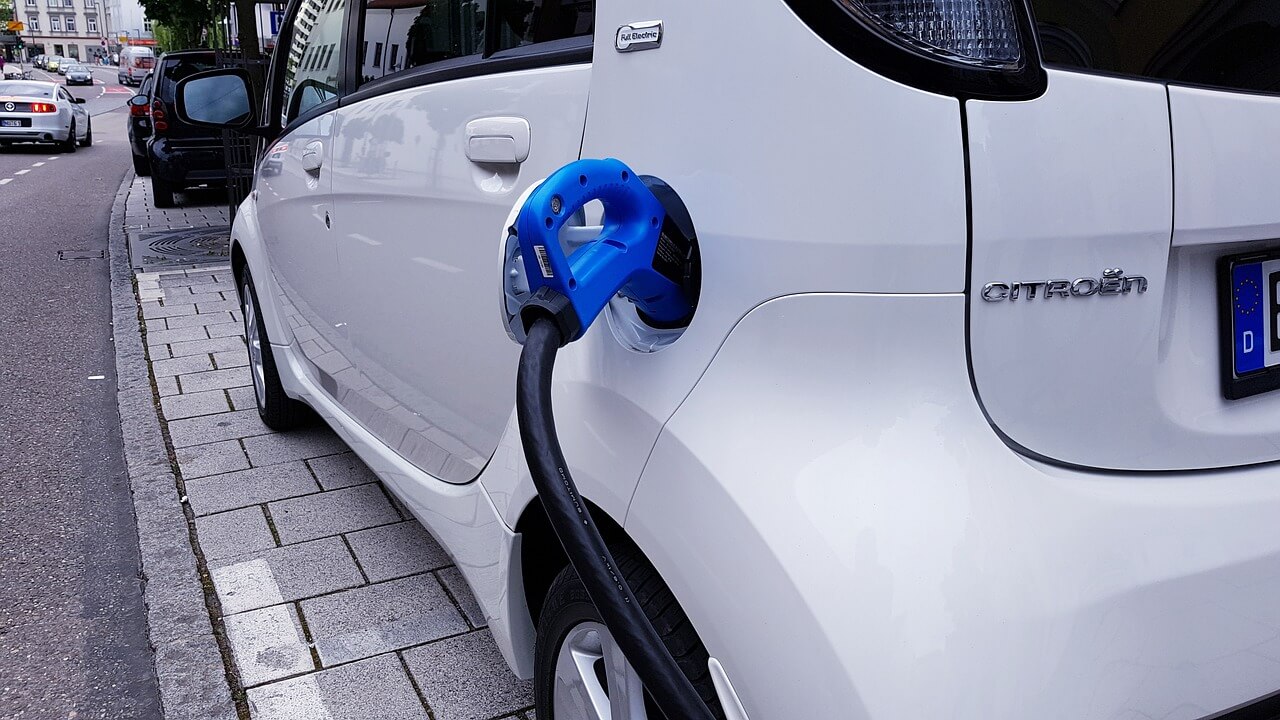
According to media sources, Daimler CEO Corinson (Ola Kallenius) said on October 27th that its luxury car brand Mercedes-Benz is considering using cheaper lithium iron phosphate batteries in entry-level models.
Kang Linsong said in an interview that Mercedes-Benz will use lithium iron phosphate batteries in its next-generation models such as Mercedes-Benz EQA and EQB from 2024, while high-end models such as EQS still use NCM ternary batteries.
According to Kang Linsong, Mercedes-Benz plans to launch lithium iron phosphate battery models, mainly considering the soaring price of metals in the key raw materials of ternary batteries, while consumers are willing to accept models with shorter mileage and cheaper range.
"We think there will be many cities where consumers do not need the E63 AMG (E63 AMG Mercedes high-performance sedan)," Mr Kang said. "for entry-level models, we are thinking about lithium iron phosphate batteries in the future."
According to Battery China, Daimler has begun to use lithium iron phosphate batteries in the field of electric trucks. The statement means that Daimler's Mercedes-Benz brand will also use lithium iron phosphate batteries in the passenger car sector.
Lithium iron phosphate battery is very popular in the Chinese market because of its low cost, rich raw materials and high safety. Now international car companies are also starting to "switch sides". Since the beginning of this year, Volkswagen, Tesla, Ford, Hyundai, Renault and other international car companies have indicated that they are considering or will further expand the scope of use of lithium iron phosphate batteries. Lithium iron phosphate batteries, which are widely popular in the Chinese market, are gradually being accepted by the international market.
In March, Volkswagen revealed on its "Power Day" that it would use lithium iron phosphate batteries in entry-level models in the future, and would be one of the main battery routes for its platform. In the layout of the battery industry chain, Volkswagen bought a stake in Guoxuan Hi-Tech and became the largest shareholder of Guoxuan Hi-Tech, which has always been a supporter of lithium iron phosphate battery technology.
Recently, Tesla said at his third-quarter investor exchange meeting that for the standard continued version of Model 3 and Model Y, it will switch to lithium iron phosphate batteries worldwide. Prior to this, Tesla has repeatedly released the signal that the proportion of lithium iron phosphate batteries will be expanded, and this statement is also a solid step forward on the route of battery technology.
Industry insiders said that prompting Tesla to choose lithium iron phosphate on the battery route is an important decision to further reduce costs in the face of fierce competition in the global new energy vehicle market. Driven by Tesla, the world's number one electric vehicle company, the global era of lithium iron phosphate is coming quietly.
Hyundai, which is vigorously developing electric vehicles based on cost and safety considerations, has begun to develop electric vehicles with lithium iron phosphate batteries in the first half of this year. It is reported that it will first launch lithium iron phosphate battery models in South Korea, followed by global sales of models with lithium iron phosphate batteries. Up to now, Hyundai pure electric vehicles still mainly use ternary batteries.
From the point of view of the Chinese market, the acceptance of lithium iron phosphate in automobile enterprises has been significantly improved.
According to the data of the Power Battery Application Branch, in September this year, the installed capacity of power batteries in China was about 15.86GWH, of which the installed capacity of lithium iron phosphate batteries was about 9.08GWH, and that of ternary batteries was about 6.76GWh. Since the lithium iron phosphate battery was installed in July, it has surpassed the ternary battery for three months in a row, and the gap between the lithium iron phosphate battery and the ternary battery is getting wider and wider.
In terms of production, in September this year, the output of power batteries in China was about 23.2GWh. Among them, the output of lithium iron phosphate battery is 13.5 GWH, accounting for 58.3% of the total output, and the output of ternary battery is 9.6 GWH, accounting for 41.6% of the total output. From January to September, China's power battery output totaled 134.7 GWH, of which lithium iron phosphate battery output totaled 71.6 GWH, accounting for 53.2% of the total output, and ternary battery output totaled 62.8 GWH, accounting for 46.6% of the total output. It is worth noting that in terms of year-on-year growth, from January to September, the output of lithium iron phosphate batteries increased by about 291.4%, while the output of ternary batteries increased by 131.1%.
International mainstream car companies have thrown an olive branch to lithium iron phosphate batteries, which has also attracted overseas battery companies to begin to layout lithium iron phosphate batteries.
In September this year, according to foreign media reports, LG New Energy, a subsidiary of LG Chemical, has developed lithium iron phosphate batteries in its battery laboratory in (Daejeon), Daejeon, South Korea, and is expected to conduct trial production in 2022.
According to media reports, LG Chemical may set up a joint venture with its Chinese partners to supply LG new energy with raw materials for the production of lithium iron phosphate batteries.
SKI, another overseas battery company, also revealed earlier this month that it is considering developing lithium iron phosphate batteries. "although its energy density is not as dense as ternary batteries, it has obvious advantages in terms of cost and thermal stability." It is reported that SKI's battery customers Volkswagen and Ford have made it clear that they will use lithium iron phosphate batteries in low-cost entry-level models. A number of car companies have shown interest in lithium iron phosphate batteries, prompting these battery companies to pay attention to lithium iron phosphate batteries.
Panasonic Battery, the world's third-largest battery maker, recently said it has no plans to produce cheaper lithium iron phosphate batteries for electric vehicles. However, its main customer Tesla has begun to use lithium iron phosphate batteries in large quantities, and it remains to be seen whether Panasonic batteries will increase the capacity layout of lithium iron phosphate batteries in the future.
![การวิเคราะห์การผลิตลิเทียมซัลไฟด์เกรดแบตเตอรี่เดือนสิงหาคม: ไตรมาส 4 จะเห็นการพุ่งขึ้นหรือไม่? [บทวิเคราะห์ SMM]](https://imgqn.smm.cn/usercenter/mpqgn20251217171727.jpg)