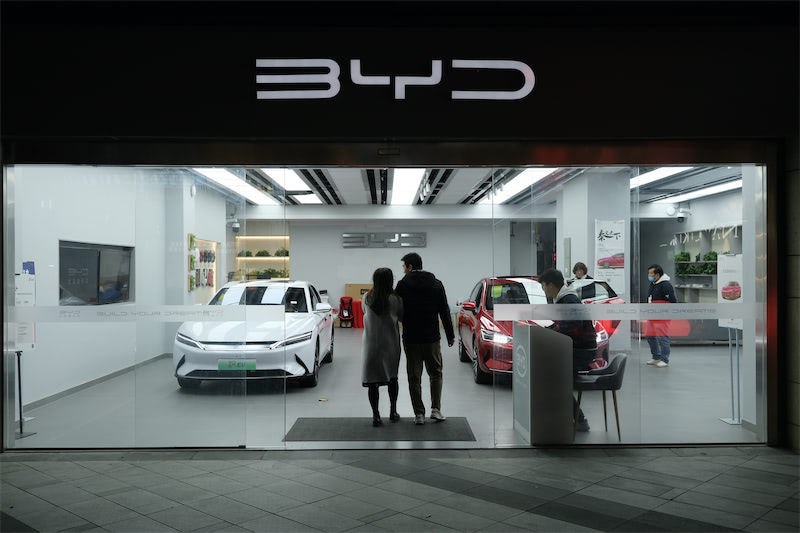
Due to the rising prices of copper, cobalt, lithium and other raw materials, Japanese car companies have added 9 billion US dollars in costs.

เผยแพร่แล้ว: Jul 27, 2021 14:08
[due to rising prices of raw materials such as copper, cobalt and lithium, Japanese automakers have added 9 billion dollars to their costs] according to foreign media reports, Japanese automakers' earnings this fiscal year will be affected by billions of dollars due to rising prices of lithium, copper and other materials. These raw materials play a vital role in the production of clean energy vehicles.

Japanese automakers' earnings this fiscal year will be affected by billions of dollars due to rising prices of lithium, copper and other materials, according to foreign media reports. These raw materials play a vital role in the production of clean energy vehicles.

(Goldman Sachs Japan), a Goldman Sachs Japan firm, estimates that the impact of rising raw material costs on operating profits will be about 1 trillion yen ($9 billion) for Japan's six largest automakers, represented by Toyota. This is equivalent to about 30 per cent of the total profits expected by these companies, and US manufacturers are also feeling the pressure in addition to Japanese carmakers.

Stricter car emission standards in places such as China and Europe have also pushed up demand for raw materials. This trend is expected to continue in the medium term, so the automotive industry will face the lasting impact of decarbonization. Kohei Takeuchi, Honda's chief financial officer, once said: "the rise in raw material prices will not be a temporary phenomenon."

The price of battery materials has risen sharply, reflecting the increasing popularity of electric vehicles. In China, the price of lithium carbonate has reached 88000 yuan ($13600) per ton, more than double what it was a year ago. In Europe, the price of cobalt has risen by about 80%. The price of copper, which is widely used in wire harnesses and motors, has halved. Compared with fuel cars, electric cars need two to three times as much copper as the former.

In addition to the raw materials for electric cars, the price of raw materials for fuel cars is also rising. The price of rhodium, which is used to purify tail gas in catalytic converters, is 30 times higher than it was five years ago. In addition, due to the rising price of iron ore, the price of steel for cars is also rising.

The rise in the price of these raw materials has undermined the earnings of car companies. Toyota, Japan's largest carmaker, expects its operating profit to fall by 440 billion yen, or 18%. Honda is expected to be affected by 250 billion yen, or 38 per cent of its expected operating profit. The impact on Nissan, Subaru, Mazda and Mitsubishi ranges from 37.4 billion yen to 100 billion yen.

Japanese carmakers are not the only ones affected. GM expects its annual costs to increase by billions of dollars as a result of rising raw material prices. The average material cost of US-made gasoline cars reached $3600 in May, double that of the same period last year, according to consultancy AlixPartners.

As car companies plan to increase production of electric vehicles, the market for electric vehicles is expected to reach 23 million units in 2030, 10 times that of 2020. Analysts say this rate of growth could lead to high prices for lithium and other battery materials.

In the face of this pressure, enterprises will be subjected to double tests in terms of R & D and supply chain. Companies such as Nissan and Tesla are developing batteries that do not require cobalt. Toyota and Volkswagen are also taking action to lock in the supply of lithium. Panasonic has joined a project led by US oil company Schlumberger to seek to extract lithium from underground salt water.

Industry insiders say it is difficult for car companies to pass on costs to consumers. One auto executive, who spoke on condition of anonymity, said it was "very difficult for car companies to raise prices while remaining competitive".

คำชี้แจงแหล่งที่มาของข้อมูล: นอกจากข้อมูลที่เปิดเผยต่อสาธารณะแล้ว ข้อมูลอื่นๆ ทั้งหมดได้รับการประมวลผลโดย SMM จากข้อมูลสาธารณะ การสื่อสารกับตลาด และการพึ่งพาแบบจำลองฐานข้อมูลภายในของ SMMข้อมูลเหล่านี้มีไว้เพื่ออ้างอิงเท่านั้น ไม่ถือเป็นข้อเสนอแนะในการตัดสินใจ

หากมีข้อสงสัยหรือต้องการทราบข้อมูลเพิ่มเติม กรุณาติดต่อ: lemonzhao@smm.cn
หากต้องการข้อมูลเพิ่มเติมเกี่ยวกับวิธีการเข้าถึงรายงานการวิจัยของเรา โปรดติดต่อ:service.en@smm.cn
ข่าวที่เกี่ยวข้อง
[แบตเตอรี่โซลิดสเตต: การผลิตอิเล็กโทรไลต์ซัลไฟด์ 70 เมตริกตัน มกราคม-สิงหาคม]
29 นาทีที่แล้ว
[แบตเตอรี่โซลิดสเตต: การผลิตอิเล็กโทรไลต์ซัลไฟด์ 70 เมตริกตัน มกราคม-สิงหาคม]
อ่านเพิ่มเติม
[แบตเตอรี่โซลิดสเตต: การผลิตอิเล็กโทรไลต์ซัลไฟด์ 70 เมตริกตัน มกราคม-สิงหาคม]
[แบตเตอรี่โซลิดสเตต: การผลิตอิเล็กโทรไลต์ซัลไฟด์ 70 เมตริกตัน มกราคม-สิงหาคม]
[แบตเตอรี่โซลิดสเตต: การผลิตอิเล็กโทรไลต์ซัลไฟด์ 70 เมตริกตันในเดือนมกราคม-สิงหาคม] ตั้งแต่เดือนมกราคมถึงสิงหาคม 2569 การผลิตอิเล็กโทรไลต์ซัลไฟด์สะสมของจีนอยู่ที่ 70 เมตริกตัน เพิ่มขึ้น 119.7% เมื่อเทียบกับช่วงเดียวกันของปีก่อน ซึ่งแซงหน้ายอดรวมทั้งปี 2568 (58.29 เมตริกตัน) แล้ว อย่างไรก็ตาม การเติบโตที่น่าประทับใจนี้ปกปิดความจริงอันโหดร้ายสามประการ: ① บรรลุเป้าหมายคาดการณ์รายปี (360 เมตริกตัน) เพียง 19.6% เท่านั้น ② อัตราการใช้กำลังการผลิตในเดือนสิงหาคมอยู่ที่เพียง 5.82% โดยกำลังการผลิตถูกปล่อยทิ้งร้างอย่างรุนแรง ③ ราคาผลิตภัณฑ์ยังคงดิ่งลงอย่างต่อเนื่อง (LPSC ลดลงกว่า 24% ในเดือนเดียว) การผลิตเฉลี่ยรายเดือนในไตรมาส 4 มีแนวโน้มสูงสุดที่จะอยู่ในช่วง 11.5-13 เมตริกตัน โดยมียอดรวมทั้งปีประมาณ 118-121 เมตริกตัน ซึ่งถือเป็นการ "ไต่ระดับอย่างมั่นคง" คาดการณ์รายปี 360 เมตริกตัน แต่แปดเดือนแรกทำได้เพียง 70 เมตริกตัน: ช่องว่างระหว่าง "การเร่งการผลิตแบบค่อยเป็นค่อยไป" ของอิเล็กโทรไลต์ซัลไฟด์ของจีนกับความเป็นจริง
29 นาทีที่แล้ว
[SMM Analysis] ยุโรปแสวงหาความเป็นอิสระของห่วงโซ่อุปทานลิเธียม แต่โครงการของตนกลับดึงดูดนักลงทุนเอเชีย
45 นาทีที่แล้ว
[SMM Analysis] ยุโรปแสวงหาความเป็นอิสระของห่วงโซ่อุปทานลิเธียม แต่โครงการของตนกลับดึงดูดนักลงทุนเอเชีย
อ่านเพิ่มเติม
[SMM Analysis] ยุโรปแสวงหาความเป็นอิสระของห่วงโซ่อุปทานลิเธียม แต่โครงการของตนกลับดึงดูดนักลงทุนเอเชีย
[SMM Analysis] ยุโรปแสวงหาความเป็นอิสระของห่วงโซ่อุปทานลิเธียม แต่โครงการของตนกลับดึงดูดนักลงทุนเอเชีย
45 นาทีที่แล้ว
โครงการฟาเรลลอนทองแดง-ทองคำ-โคบอลต์ของชิลีส่งมอบแร่ชุดแรกเสร็จสิ้น เริ่มการผลิตขนาดเล็ก
1 ชั่วโมงที่แล้ว
โครงการฟาเรลลอนทองแดง-ทองคำ-โคบอลต์ของชิลีส่งมอบแร่ชุดแรกเสร็จสิ้น เริ่มการผลิตขนาดเล็ก
อ่านเพิ่มเติม
โครงการฟาเรลลอนทองแดง-ทองคำ-โคบอลต์ของชิลีส่งมอบแร่ชุดแรกเสร็จสิ้น เริ่มการผลิตขนาดเล็ก
ตามรายงานของ Red Metal Resources เมื่อวันที่ 3 กันยายน โครงการ Farellon ซึ่งเป็นส่วนหนึ่งของแหล่งแร่ทองแดง-ทองคำ-โคบอลต์ Carrizal ใกล้เมือง Vallenar ประเทศชิลี ได้ส่งมอบแร่คอปเปอร์ซัลไฟด์ล็อตแรกเสร็จสิ้นแล้ว นับเป็นการเปลี่ยนผ่านของโครงการจากขั้นตอนการพัฒนาไปสู่การขายแร่จริงและการผลิตขนาดเล็ก Minera KMT ผู้เช่าและผู้ดำเนินโครงการได้ขนส่งแร่ล็อตแรกไปยังโรงงานแปรรูป Vallenar ซึ่งดำเนินการโดย ENAMI บริษัทเหมืองแร่ของรัฐชิลี เมื่อวันที่ 20 และ 21 สิงหาคม เหตุการณ์สำคัญนี้เกิดขึ้นเพียงประมาณสามเดือนหลังจากทั้งสองฝ่ายลงนามข้อตกลงการทำเหมืองในเดือนพฤษภาคม ซึ่งเร็วกว่ากำหนดการพัฒนาเดิมเจ็ดเดือนประมาณสี่เดือน Farellon เป็นส่วนสำคัญของแหล่งแร่ทองแดง-ทองคำ-โคบอลต์ Carrizal การส่งมอบแร่ล็อตแรกคาดว่าจะสร้างรายได้ค่าภาคหลวงให้กับ Red Metal และวางรากฐานสำหรับการขยายกิจกรรมการทำเหมืองและการแปรรูปต่อไป บริษัทยังไม่ได้เปิดเผยเกรดโคบอลต์ ปริมาณผลผลิตโคบอลต์ หรืออัตราการนำกลับคืนของแร่ที่ส่งมอบ อย่างไรก็ตาม การที่โครงการเข้าสู่การผลิตและการขายจริงถือเป็นการพัฒนาใหม่ในแหล่งทรัพยากรโคบอลต์ของชิลีนอกทวีปแอฟริกา
1 ชั่วโมงที่แล้ว