Imports increased by nearly 80%! South Korea still relies heavily on Japanese semiconductor equipment

เผยแพร่แล้ว: Sep 08, 2020 14:10 (GMT+8)
แหล่งที่มา: Integrated microgrid

SMM: according to BusinessKorea, the Korean Trade Association (KITA) announced on September 6th that in the first seven months of 2020, South Korea imported semiconductor devices and integrated circuit manufacturing equipment from Japan totaling 1.7 billion US dollars, an increase of 77.2 percent over the same period last year. In addition, imports of processors and controllers and photosensitive semiconductor devices increased by 8.6% and 3.7%, respectively.

Although South Korea's total imports from Japan fell by about 10% in the same period compared with the same period last year, the semiconductor sector, as a pillar industry, is still heavily dependent on Japan.

South Korean media pointed out that this data is related to the large-scale investment of Samsung Electronics. The company announced in May that it would build a NAND flash memory production line in Pingze and plans to start building a "P3" fab in September, which is expected to become Samsung's largest fab in Pingze.

In addition, the new factory needs advanced equipment and manufacturing machinery, but it is difficult for local enterprises to meet the technological needs of Samsung, SK Hynix and other enterprises. At present, Samsung Electronics and many other South Korean companies still rely on Japanese semiconductor devices as high as 25.7%, almost the same as last year's 27.4%. Even if equipment from other countries is used to reduce dependence on Japan, it will not be easy to maintain the same level of efficiency.

On the other hand, South Korea's dependence on Japanese semiconductor equipment directly leads to its dependence on Japanese engineers. Usually, new equipment imported from South Korea is installed by Japanese engineers sent by suppliers, which led to the exemption of Japanese engineers from self-isolation when they entered South Korea in July. Despite violating the principle of reciprocity and risking the spread of the epidemic, the South Korean government cannot ignore companies' concerns about production disruptions.

It can be said that since Japan imposed trade controls on semiconductor materials in South Korea, the Korean government and enterprises have been working hard to improve the competitiveness of the materials, parts and equipment industries, as well as increasing support for the semiconductor and display industries. But for now, it will take time to be self-sufficient.

"Click to sign up: 2020 Tin Industry chain Trading Summit
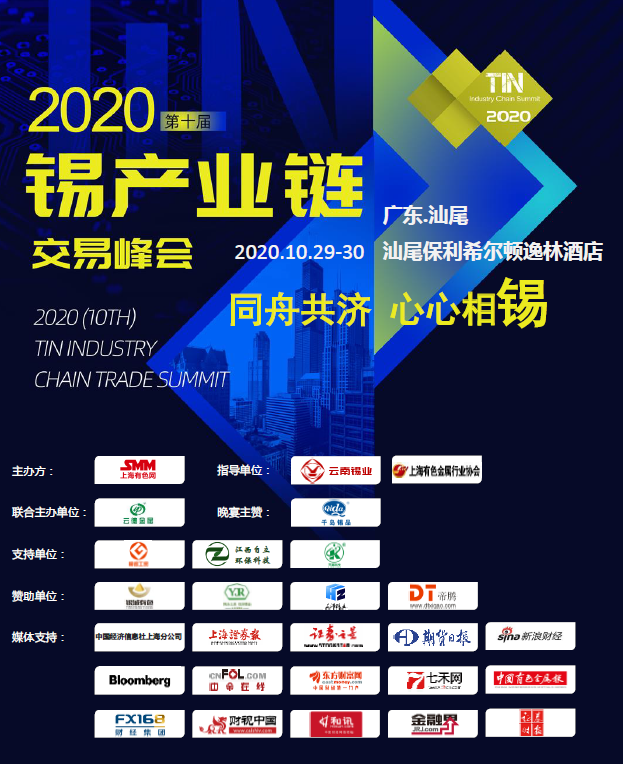
Scan the code to participate in the meeting or apply to join the SMM tin industry exchange group
คำชี้แจงแหล่งที่มาของข้อมูล: นอกจากข้อมูลที่เปิดเผยต่อสาธารณะแล้ว ข้อมูลอื่นๆ ทั้งหมดได้รับการประมวลผลโดย SMM จากข้อมูลสาธารณะ การสื่อสารกับตลาด และการพึ่งพาแบบจำลองฐานข้อมูลภายในของ SMMข้อมูลเหล่านี้มีไว้เพื่ออ้างอิงเท่านั้น ไม่ถือเป็นข้อเสนอแนะในการตัดสินใจ

หากมีข้อสงสัยหรือต้องการทราบข้อมูลเพิ่มเติม กรุณาติดต่อ: lemonzhao@smm.cn
หากต้องการข้อมูลเพิ่มเติมเกี่ยวกับวิธีการเข้าถึงรายงานการวิจัยของเรา โปรดติดต่อ:service.en@smm.cn
ข่าวที่เกี่ยวข้อง
【แฟลช | แผนสังกะสี H2 ของ DOWA พุ่ง 27% อาจหนุนการรีไซเคิลอินเดียม】
19 ชั่วโมงที่แล้ว
【แฟลช | แผนสังกะสี H2 ของ DOWA พุ่ง 27% อาจหนุนการรีไซเคิลอินเดียม】
อ่านเพิ่มเติม
【แฟลช | แผนสังกะสี H2 ของ DOWA พุ่ง 27% อาจหนุนการรีไซเคิลอินเดียม】
DOWA Holdings วางแผนผลิตสังกะสี 113,543 ตันในช่วงครึ่งหลังของปีงบประมาณ 2569 เพิ่มขึ้น 27.0% จากแผนครึ่งแรกที่ 89,373 ตัน และเพิ่มขึ้น 26.8% จากปริมาณ 89,525 ตันที่ผลิตได้ในช่วงครึ่งหลังของปีงบประมาณ 2568 โรงงาน Akita Zinc ใช้กระบวนการฮีมาไทต์เพื่อนำอินเดียมและโลหะมีค่าอื่น ๆ กลับคืนในอัตราที่สูง และผสานการถลุงสังกะสีเข้ากับการผลิตโลหะหายากและการรีไซเคิล แผนการผลิตสังกะสีที่สูงขึ้นอาจเพิ่มปริมาณวัตถุดิบสำหรับการนำอินเดียมซึ่งเป็นผลพลอยได้กลับคืน อย่างไรก็ตาม DOWA ไม่ได้เปิดเผยเป้าหมายการผลิตอินเดียม และอุปทานที่เพิ่มขึ้นจะขึ้นอยู่กับเกรดของวัตถุดิบ อัตราการนำกลับคืน และตารางการเดินเครื่อง มากกว่าปริมาณสังกะสีเพียงอย่างเดียว
19 ชั่วโมงที่แล้ว
【แฟลช | PhotonLink ของ Coherent ปูทางสู่การขยายกำลังการผลิตอินเดียมฟอสไฟด์ (InP) เชิงพาณิชย์】
02 Oct 2026 14:34 (GMT+8)
【แฟลช | PhotonLink ของ Coherent ปูทางสู่การขยายกำลังการผลิตอินเดียมฟอสไฟด์ (InP) เชิงพาณิชย์】
อ่านเพิ่มเติม
【แฟลช | PhotonLink ของ Coherent ปูทางสู่การขยายกำลังการผลิตอินเดียมฟอสไฟด์ (InP) เชิงพาณิชย์】
โคฮีเรนต์เปิดตัว PhotonLink แพลตฟอร์มออปติกส์แบบบูรณาการสำหรับโครงสร้างพื้นฐาน AI ที่รวมเลเซอร์อินเดียมฟอสไฟด์ (InP) ซิลิคอนโฟโตนิกส์ ตัวตรวจจับ และโมดูลออปติคัล บริษัทเปิดเผยว่ามีโครงการ CPO มากกว่า 10 ราย โครงการ NPO มากกว่า 10 ราย และโครงการเชื่อมต่อชิปถึงชิปมากกว่า 5 โครงการ โดยมีลูกค้าหลักและข้อตกลงระยะยาวสำหรับทั้ง CPO และ NPO คาดว่ารายได้จะเริ่มเพิ่มขึ้นในไตรมาส 4 ปี 2026 โคฮีเรนต์ได้จัดส่งเลเซอร์ InP ไปแล้วกว่า 300 ล้านตัว และกำลังขยายกำลังการผลิต InP ขนาด 6 นิ้วเพื่อรองรับการเติบโตดังกล่าว กลุ่มลูกค้าในท่อส่งนี้ให้สัญญาณความต้องการเชิงพาณิชย์ที่ชัดเจนขึ้นสำหรับอุปกรณ์ InP และวัสดุต้นน้ำ แม้จะยังไม่มีการเปิดเผยกำลังการผลิตเพิ่มเติมและการบริโภคอินเดียม
02 Oct 2026 14:34 (GMT+8)
สถาบัน: ยอดขายสัปดาห์แรกของ iPhone 18 Pro ซีรีส์ในจีนเพิ่มขึ้น 12% เมื่อเทียบปีต่อปี
30 Sep 2026 18:09 (GMT+8)
สถาบัน: ยอดขายสัปดาห์แรกของ iPhone 18 Pro ซีรีส์ในจีนเพิ่มขึ้น 12% เมื่อเทียบปีต่อปี
อ่านเพิ่มเติม
สถาบัน: ยอดขายสัปดาห์แรกของ iPhone 18 Pro ซีรีส์ในจีนเพิ่มขึ้น 12% เมื่อเทียบปีต่อปี
ตามรายงาน China Smartphone Weekly Sales Tracker ของ Counterpoint Research ยอดขายสมาร์ทโฟนรายสัปดาห์ในจีนลดลงเป็นตัวเลขสองหลักเมื่อเทียบปีต่อปีนับตั้งแต่เดือนกรกฎาคม เนื่องจากต้นทุนหน่วยความจำที่สูงขึ้น ความต้องการของผู้บริโภคยังคงอ่อนแอ แต่เมื่อเข้าสู่ช่วงเปิดตัวผลิตภัณฑ์ใหม่ในเดือนกันยายน คาดว่าตลาดจะฟื้นตัวเมื่อเทียบเดือนต่อเดือน ยอดขาย iPhone 18 Pro series ในสามวันแรกที่วางจำหน่าย (คิดเป็นเพียงสามวันของสัปดาห์ที่ 38) เพิ่มขึ้น 12% เมื่อเทียบปีต่อปี เมื่อเทียบกับยอดขายสัปดาห์แรกของ iPhone 17 Pro series ด้วยการเริ่มต้นที่แข็งแกร่งนี้ Apple ขึ้นอันดับหนึ่งในชาร์ตยอดขายรายสัปดาห์ในสัปดาห์ที่ 38 ครองส่วนแบ่ง 33% ของตลาดสมาร์ทโฟนจีน
30 Sep 2026 18:09 (GMT+8)