

Импорт сульфата никеля в Китай резко вырос на 57% м/м, 125% г/г в июне 2026 года
Заявление об источниках данных: За исключением общедоступной информации, все остальные данные обрабатываются SMM на основе общедоступной информации, рыночного общения и с опорой на внутреннюю базу данных и модели SMM. Они приведены только для справки и не являются рекомендациями для принятия решений.
По любым вопросам или для получения дополнительной информации, пожалуйста, свяжитесь: lemonzhao@smm.cn
Для получения дополнительной информации о доступе к нашим исследовательским отчётам обращайтесь:service.en@smm.cn
Связанные новости
11 часов назад
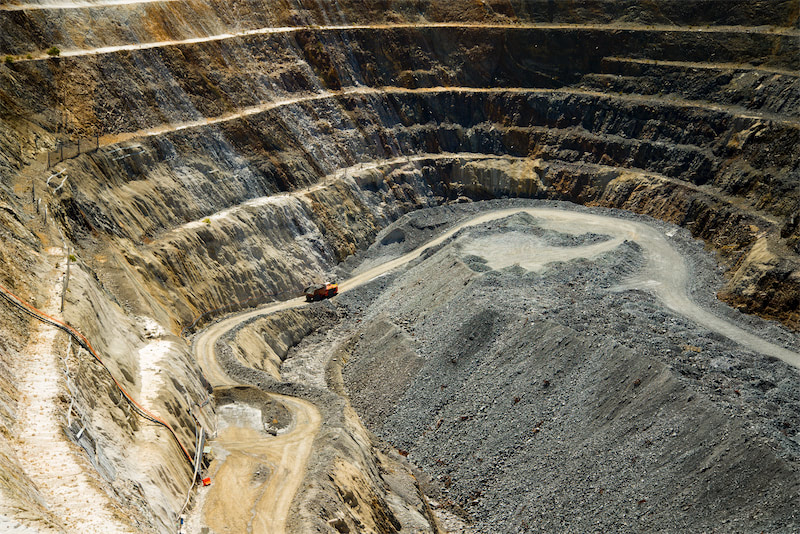
【SMM Никель: экспресс】Индонезия подтверждает детали реализации послаблений DHE SDA
Читать далее
【SMM Никель: экспресс】Индонезия подтверждает детали реализации послаблений DHE SDA
Индонезия подтвердила детали реализации статьи 18A Постановления Правительства (PP) № 21/2026, которая вступила в силу для экспортных таможенных деклараций (PPE) с 1 сентября 2026 года.
Правительство определило 64 экспортёра горнодобывающей отрасли, или около 12% из 537 проверенных экспортёров, как соответствующих критериям на текущий момент. Соответствующие требованиям экспортёры должны быть зарегистрированы как индонезийские PT, работать в горнодобывающем секторе и иметь как минимум одного акционера из указанных стран — США, Китая, Гонконга, Австралии или Канады — с долей не менее 10%. Список соответствующих требованиям будет пересматриваться ежемесячно.
Правительство также назначило 15 банков с иностранным участием для размещения DHE SDA в соответствии со статьёй 18A, включая пять государственных банков и 10 частных банков. Это позволяет соответствующим требованиям экспортёрам размещать обязательные DHE SDA в назначенных частных банках, обеспечивая большую гибкость в управлении экспортной выручкой.
11 часов назад
12 часов назад
Данные: динамика рынка SHFE, DCE (3 сентября)
Читать далее
Данные: динамика рынка SHFE, DCE (3 сентября)
В следующей таблице показано движение черных и цветных металлов на SHFE и DCE 3 сентября 2026 года.
12 часов назад
13 часов назад
Цены на никель восстанавливаются, но рынок высокосортного никелевого чугуна страдает от слабых фундаментальных показателей и низкой ликвидности
Читать далее
Цены на никель восстанавливаются, но рынок высокосортного никелевого чугуна страдает от слабых фундаментальных показателей и низкой ликвидности
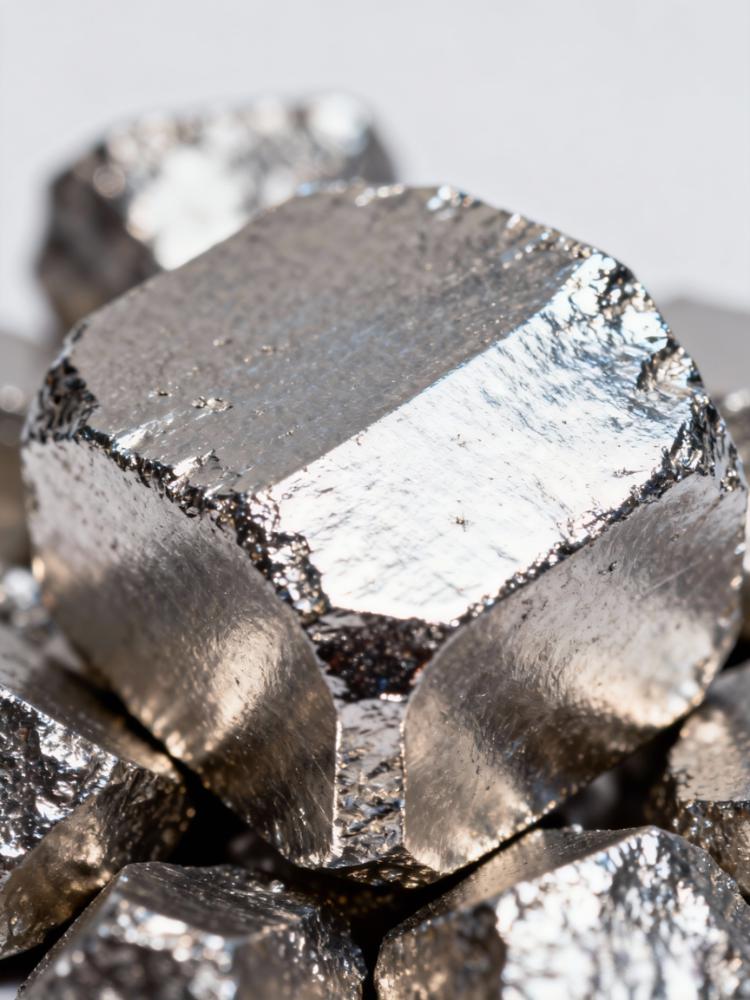
[Экспресс-новости SMM по никелю] 3 сентября: несмотря на отскок цен на никель, рынку высокосортного никельсодержащего чугуна (NPI) трудно переломить слабые фундаментальные показатели, и на рынке не хватает ликвидности. Металлургические заводы продолжают удерживать приемлемые для них цены на нижнем уровне, и между предложениями поставщиков и психологическими ценовыми уровнями заводов сохраняется значительный ценовой разрыв. Премия за высоконикелевые партии заметно сузилась, и большинство участников рынка по-прежнему придерживаются медвежьего прогноза по форвардному рынку.
13 часов назад
Связанные новости
【SMM Никель: экспресс】Индонезия подтверждает детали реализации послаблений DHE SDA
Sep 03, 2026 17:26
Данные: динамика рынка SHFE, DCE (3 сентября)
Sep 03, 2026 16:05
Цены на никель восстанавливаются, но рынок высокосортного никелевого чугуна страдает от слабых фундаментальных показателей и низкой ликвидности
Sep 03, 2026 15:14
SMM: Настроения на рынке высокосортного никелевого чугуна ослабли в сентябре, снижение как в переработке, так и в добыче
Sep 03, 2026 15:12