1 Market Review
1 Dolomite
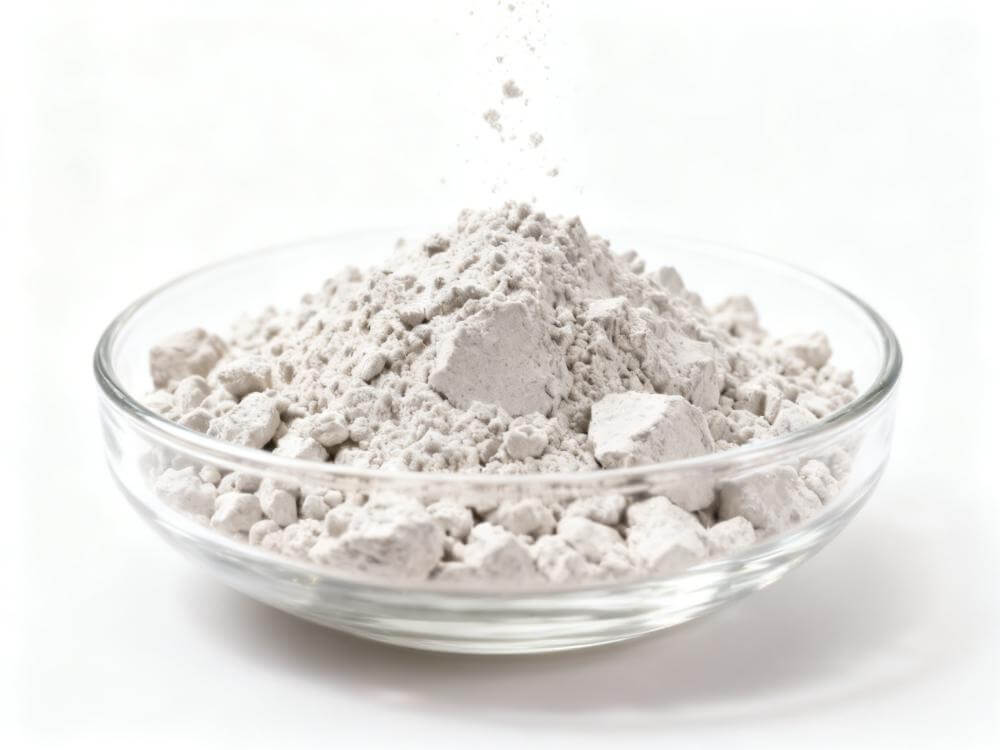
This week, the ex-factory tax-exclusive price of 1-3 cm dolomite (Wutai) was 108 yuan/mt, flat WoW, and the ex-factory tax-exclusive price of 2-4 cm dolomite (Wutai) was 138 yuan/mt, flat WoW.
This week, China's dolomite ex-factory prices remained basically stable with steady market operations and limited price fluctuations. Downstream primary magnesium smelters saw a steady rebound in operating loads, with increased just-in-time procurement volumes providing solid bottom support for the dolomite market. Supply side, continued production shutdowns in the Wutai mining area led to tight local supply, with the supply gap mainly filled by inflows from Hubei, Wenxi surrounding areas, Henan, and Inner Mongolia. Additionally, international oil prices fluctuated at highs, pushing up logistics freight rates. Transportation costs supported dolomite delivery-to-factory prices to consolidate at highs this week, with overall dolomite prices moving sideways.
1.2 Magnesium Ingot
1.2.1 Magnesium Ingot (Fugu, Shenmu - Main Production Area)
This week, magnesium prices showed a pattern of initial weakness followed by strength, gradually consolidating at lows and stabilizing. As of press time, mainstream quotations for 99.90% magnesium ingot in the main production area were 16,500-16,600 yuan/mt, basically flat WoW.
This week, magnesium prices showed a trend of initial weakness followed by strength. Specifically, at the beginning of the week when the market resumed, constrained by the momentum from prior gradual price declines, bearish sentiment was strong among sellers and buyers, and the magnesium market continued its gradual decline. However, as current magnesium prices were close to the break-even line, smelters' price drops were limited to 50 yuan/mt, a narrow decline. As magnesium prices gradually fell to around 16,300-16,400 yuan/mt, primary magnesium producers with previously good transaction performance suspended shipments, market supply narrowed, and a market bottom appeared to be emerging. The bottom signal drove speculative demand to enter the market to buy the dip, transactions recovered, and supported by both transactions and costs, magnesium prices bottomed out.
1.2.2 Magnesium Ingot (Tianjin Port - China FOB)
This week, China FOB prices were quoted at $2,350-2,430/mt, with an average of $2,390/mt. The magnesium ingot export market continued its sluggish trend this week.
This week, affected by the continued decline in magnesium ingot ex-factory prices at the beginning of the week, magnesium ingot FOB quotations remained basically stable at $2,340-2,350/mt. The export market overall saw transactions skewed toward low-end deals, with inquiries dominated by small orders and almost no tender orders placed, and market sentiment was rather subdued. On Thursday, driven by factories holding prices firm, export traders' quotations rebounded slightly to the $2,350-2,400/mt range.
1.3 Magnesium Powder
This week, mainstream tax-inclusive ex-factory prices of 20-80 mesh China magnesium powder were 17,750-17,650 yuan/mt; China FOB prices were $2,500-2,600/mt.
This week, the magnesium powder market remained basically stable. Magnesium powder orders in April and May decreased compared to Q1, with enterprise operating rates declining slightly and new orders dominated by just-in-time procurement. Magnesium powder producers' raw material inventory was at a relatively high level, with overall procurement sentiment being lukewarm.
1.4 Magnesium Alloy
This week, mainstream tax-inclusive ex-factory prices of China magnesium alloy were 18,700-18,900 yuan/mt, and mainstream FOB prices of China magnesium alloy were $2,730-2,770/mt.
This week, the magnesium alloy market remained basically stable, while raw material magnesium ingot and alloy processing fees were in the doldrums. Supply side, magnesium alloy smelter operating rates rose steadily, spot supply was sufficient, and most magnesium alloy smelters maintained safety inventory. However, due to differences in cooperative clients, magnesium alloy smelters serving the automotive application field quoted higher prices, while competition was fierce in low-end application fields. Demand side, demand across major application fields of magnesium alloy diverged — automotive magnesium alloy demand saw steady release, while two-wheeler market demand was weak. Overall, the magnesium alloy market showed a pattern of strong supply and weak demand, alloy processing fees were under pressure, and overall magnesium alloy prices are expected to fluctuate in sync with magnesium ingot prices.
2 Weekly Summary
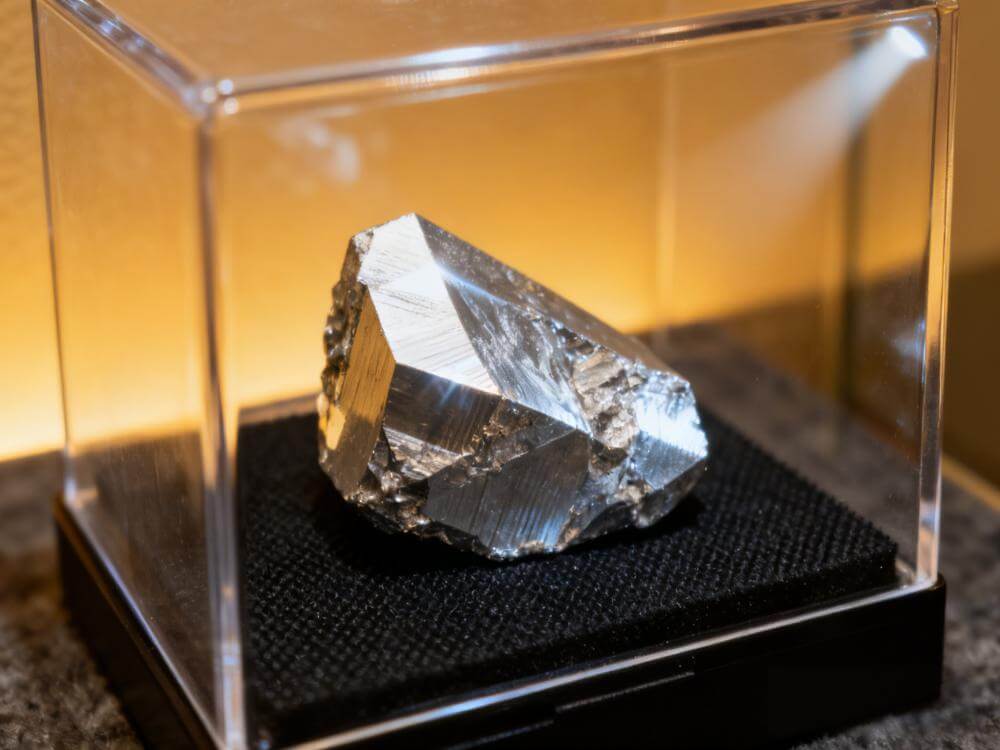
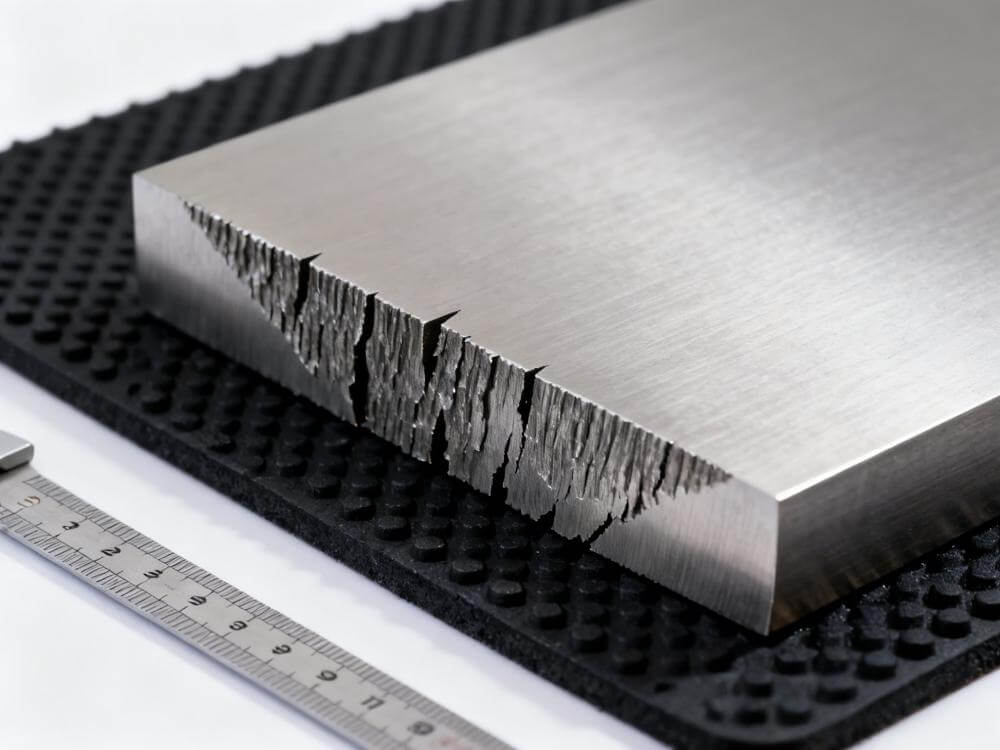
This week, the magnesium market overall showed a pattern of initial weakness followed by strength, gradually consolidating at lows and stabilizing. Dolomite prices remained stable, with transportation costs supporting delivery-to-factory prices to fluctuate at highs. Magnesium ingot prices declined slightly at the beginning of the week under bearish sentiment, then bottomed out as producers held back from selling, speculative demand entered the market, and cost support kicked in. The export market continued to be sluggish, with FOB quotations stabilizing at lows before rebounding slightly. Magnesium powder and magnesium alloy markets remained stable, with orders decreasing compared to Q1, operating rates declining slightly, and new orders dominated by just-in-time procurement. The magnesium alloy market showed clear supply-demand divergence, with stable demand in the automotive sector, weak two-wheeler demand, and processing fees under pressure. Overall, short-term bottom support for magnesium prices has emerged, but demand divergence will continue to constrain upside room.
![[SMM Analysis] Futures Weakened with Rigid Demand Providing Support, Stainless Steel Social Inventory Slightly Destocking](https://imgqn.smm.cn/usercenter/XUnxM20251217171723.jpeg)