March 6 (CLSA) – Goldman Sachs' latest report indicates that US President Trump's recently implemented and proposed tariffs are disrupting US trade relations. The tariff hikes are expected to impact major US industries: some may benefit, but more are likely to suffer.
US Manufacturing Will Be Hurt
As of this Tuesday (Eastern Time), Trump's tariffs on products from Canada, Mexico, and China have taken effect. These three countries are the top three trading partners of the US.
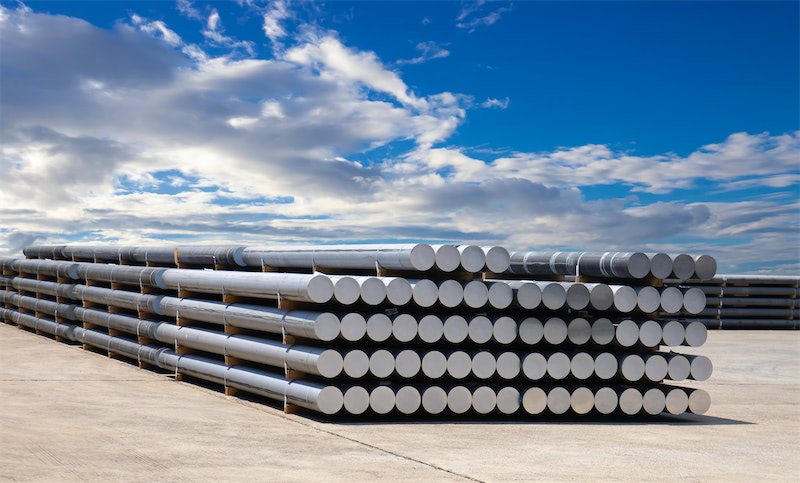
Looking ahead, Trump plans to raise tariffs on imported steel and aluminum from 10% to 25% starting March 12 and is expected to implement reciprocal tariff policies beginning April 2. Additionally, he is expected to impose a 25% tariff on EU-manufactured cars and a 10% tariff on key imported products.
Trump has also warned that if US trading partners retaliate, he may impose additional tariffs.
In their analysis report, Goldman Sachs economists led by Jan Hatzius wrote:
"These tariff proposals may help some domestic industries in the US but will harm others... Higher tariffs will increase the prices of imported goods, boosting market demand for some domestically produced goods. However, higher tariffs will also raise production costs for some US producers and may trigger foreign retaliation against US exports, both of which could harm US manufacturing."
Secondary Material Production Industries Hit Hardest
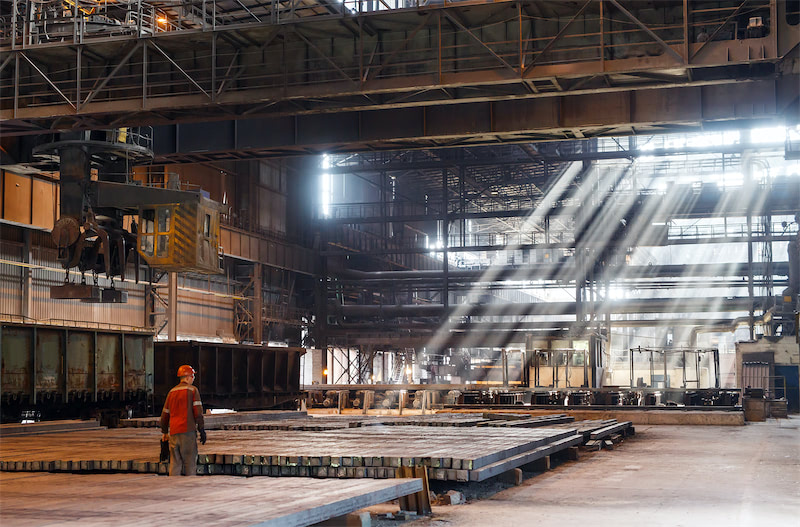
Goldman's analysis examined Trump's tariffs on Chinese goods, as well as the proposed tariffs on steel and aluminum, key imported products, and European cars. They found that while US steel and aluminum producers and oil and natural gas producers stand to benefit the most from the tariffs, downstream manufacturing industries that process these raw materials into finished products will suffer the greatest harm.
Goldman economists wrote: "The biggest beneficiaries are primary steel and aluminum manufacturing and raw material processing industries, while the hardest-hit sectors will be those specializing in secondary material production, such as the manufacturing of steel and aluminum products, petroleum and coal products, and pharmaceutical products."
They added that a 10% tariff on pharmaceuticals and related chemical products "would impose a significant 1% drag on US pharmaceutical manufacturing," as imported end-user pharmaceuticals do not hold a significant market share in the US, yet the US pharmaceutical industry "heavily relies on global intermediate pharmaceutical production and supply."
Goldman noted that tariff hikes on key imported products such as steel and aluminum, oil and natural gas, semiconductors, and pharmaceuticals will have a significant impact on US businesses.
Could US Goods Face Boycotts?
Beyond the direct impact of tariffs, Goldman economists also mentioned: "In addition to potential retaliatory tariffs from foreign governments, US producers appear to face some consumer boycotts," citing examples of US products being boycotted during the Iraq War.
They wrote: "While it is difficult to predict how far recent boycotts of US products (e.g., Canadian boycotts of US alcohol, European boycotts of US cars) will go, past experience suggests limited impact. We estimate that since early February, the impact on US exports from such boycotts has been only -0.1%."
Goldman estimated that, in terms of data, the net impact of Trump's tariff proposals through the production channel appears relatively small: a drag of -0.2% on US industrial output, -0.04% on GDP, and minimal impact on most industries.
However, "While the net impact through the production channel is small, we expect greater effects through other channels, particularly by reducing household real income and tightening financial conditions."
Chinese source: CLS
Translated by SMM