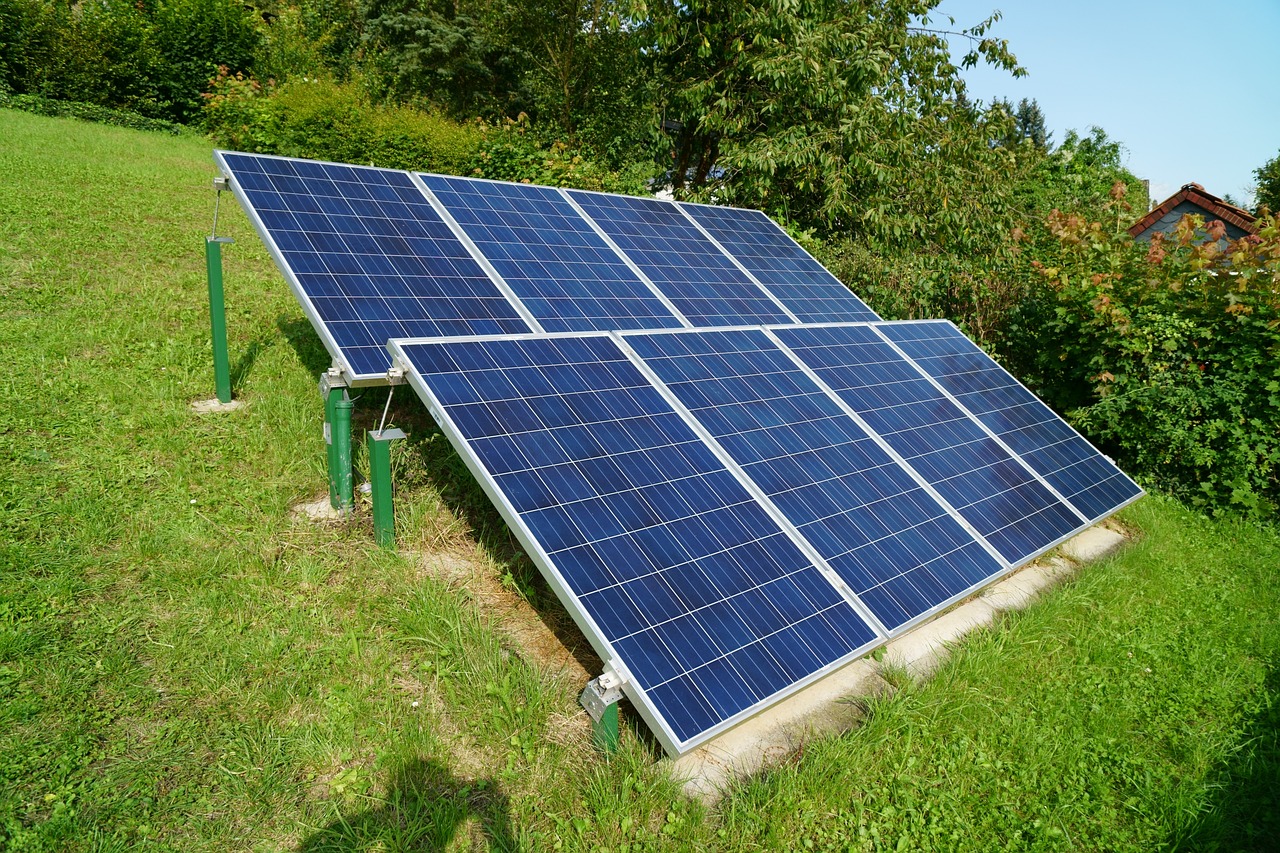
2025 is expected to be an explosive year in the solar industry as the world ramps up its efforts toward renewable energy. With the sector being at an edge in terms of cost and environmental friendliness, solar energy has gained a strong foothold as the anchor for global de-carbonization. The entire transition has a great link with or reliance on key metals like copper, aluminum, and nickel, and their availability for efficient utilization. These metals are vital for solar infrastructure, from PV cells to wiring and energy storage systems. For companies in the supply chain of metals-particularly Carbon Steel Bar suppliers-knowing the dynamics of the solar market, especially its increasing demand for metals, is not an opportunity but a requirement.
Driving the Solar Market: Trends and Forecasts
The global solar market is set to break the $320 billion barrier by 2025, driven by plummeting costs, improved solar technology, and government incentives. Solar energy, according to the International Energy Agency (IEA), will dominate the addition of new renewable energy capacity with over 60%. In fact, the ambitious growth of photovoltaic demand would depend on a robust supply of metals identified as critical to the infrastructure.
According to the Shanghai Metals Market (SMM), base metals demand, in particular, is expected to see a remarkable increase because of the need from the solar and energy storage market. High-grade copper, used in wiring and inverters, will be in high demand, aluminum for its light weight in mounting systems and frames, while nickel will also present an outlook for advanced battery storage systems.
Why Copper is the Lifeblood of Solar Energy
Copper is one of the key metals in the solar industry due to its high electrical conductivity and strength. According to SMM's Copper Market Reports, copper demand from the solar industry will rise more than 20% alone in 2025. About 5.5 tons of copper per MW are required in each solar PV system, thus becoming very crucial for both solar farms and distributed rooftop systems.
Copper is used in the following high-volume applications:
Wiring: Due to copper's incomparable conductivity, transportation of electricity from solar panels to inverters and the grid is effective.
Inverters: Major components such as transformers and inductors are made from copper for assured functioning.
Battery Storage: Growing installations of solar-plus-storage projects would involve using more copper for the battery components.
SMM's real-time data showed that SMM 1 Copper Cathode prices averaged $8,977.91/mt as of January 2025. This stability in price is important for long-term planning in solar projects. In addition, SMM's customized market intelligence reports have been indispensable for copper suppliers in terms of insights into production trends, supply chain disruptions, and price forecasts.
That said, copper product manufacturing or diversification of the carbon steel bar supplier into copper may also become a very promising and highly remunerative business opportunity within the solar market.
Aluminum: Light-Weight Champion of Solar Infrastructure
Nameless hero in solar energy, aluminum is mainly applied in the structure of the framework of PV systems. Lightweight and corrosion-resistant, and it's recyclable as well, it's a cost-efficient, eco-friendly solution for manufacturers.
SMM reports that the SMM A00 Aluminum Ingot averaged $2,364.73/mt in early 2025, with steady growth expected as solar installations accelerate. Solar frames, mounting systems, and trackers—all rely heavily on aluminum to ensure durability and efficiency.
Moreover, innovations in low-carbon aluminum production are gaining traction. For example, the growing adoption of low-carbon aluminum, which averaged $2,495.49/mt in January 2025, demonstrates the industry's shift toward sustainable sourcing.
This makes aluminum indispensable in the quest for net-zero targets, as it can support lightweight, durable, and scalable solar structures. Suppliers of Carbon Steel Bars may want to consider exploring partnerships with fabricators of aluminum to leverage this trend.
Nickel: Powering the Future of Energy Storage
Nickel's role has grown exponentially with the energy storage systems becoming integral to solar projects. Nickel is a very key raw material in the manufacture of lithium-ion batteries, which are widely used for energy storage solutions in solar power. According to SMM's Nickel Industry Procurement Strategy Report, global demand for nickel will increase by 30% in 2025, mainly driven by the battery and renewable energy sectors.
SMM 1 Nickel prices averaged $15,267.2/mt in January 2025, reflecting strong demand dynamics. Nickel's high energy density and thermal stability make the metal ideal for battery cathodes, enabling longer life and efficiency in energy storage.
In countries such as Indonesia, rich in some of the world's largest nickel reserves, refining and processing investments are increasing to meet the growing global demand. Companies involved in the solar supply chain can look forward with great eagerness to the updates on nickel production and prices from SMM for their benefit in keeping pace with market developments.
SMM's Contribution to the Solar Business
The Shanghai Metals Market (SMM) is a leading provider of metals intelligence, offering tailored solutions for businesses operating within the dynamically developing solar and metals industries. SMM's services include:
1. Real-Time Price Data: Full-cycle data on metals pricing-including but not limited to copper, aluminum, and nickel-assists stakeholders in making their decisions.
2. Market Reports: Extensive research into supply-demand dynamics, production trends, and price forecasts related to metals that are crucial for solar energy.
3. Industry Events: SMM hosts events like the 2025 NET ZERO MEA - Solar & Energy Storage Summit in Dubai, which assembles key industry players to present and debate trends and innovation in the solar market.
4. Custom Consulting Services: For those companies wanting specific information, SMM also offers customized reports and strategic advice for companies desiring to enter or further expand into the solar sector.
SMM is well-positioned to give suppliers, traders, and manufacturers the competitive edge they need in the rapidly growing solar market.
Demand Growth of Green Metals
The push towards sustainability is not only confined to the solar market. There is an increasing demand across industries for low-carbon metals that have lesser environmental impacts-a trend that aligns with global climate goals and opens up new revenue streams for suppliers of metals such as copper, aluminum, and nickel.
For example, SMM's low-carbon aluminum premium index reflects the rise in value that eco-friendly materials are commanding in the market. Similarly, recycling technologies for copper and nickel will continue to see investments rise as manufacturers look toward resource efficiency.
Carbon Steel Bars suppliers need to look at how sustainable practice and diversification into renewable energy markets can make them more competitive and desirable to environmentally conscious buyers.
A Final Word: Seizing Opportunities in the Solar Revolution
The solar market in 2025 is shining bright, with exponential growth creating an unprecedented demand for metals like copper, aluminum, and nickel. Companies along the metals supply chain must thus align their strategies in conformity with the emerging need of the renewable energy sector.
The Shanghai Metals Market is a reliable partner for the development of this complex landscape. From real-time price data to in-depth market analysis, SMM provides the materials and insight one needs to thrive in the solar revolution.
With ongoing growth in the demand for green energy, cooperation by metals suppliers and solar manufacturers will be important in the creation of a sustainable and prosperous future for all players.
![[Солнечная энергия: Нью-Джерси принимает закон о балконных солнечных установках]](https://imgqn.smm.cn/usercenter/GOtTW20251217171740.jpg)
![[Solar: В августе солнечная энергетика в Португалии достигла новых максимумов выработки электроэнергии]](https://imgqn.smm.cn/usercenter/CpbPE20251217171736.jpg)
![[Solar: Сенат Бразилии одобрил налоговый режим для дата-центров, увязывающий льготы с использованием возобновляемой энергии]](https://imgqn.smm.cn/usercenter/mfLxa20251217171736.jpg)