On December 26, polysilicon was officially listed for trading on GFEX, becoming the third new energy metal product listed on GFEX after silicon metal and lithium carbonate.
According to the official website of GFEX, the benchmark listing price for all polysilicon futures contracts was set at 38,600 yuan/mt. On the first trading day, the margin requirement for polysilicon futures contracts was set at 9% of the contract value, with the daily price limit set at 14% of the benchmark price.
The most-traded polysilicon futures contract (PS2506) hit the upper limit at the opening on its first trading day, then fluctuated downward. By the midday close, the PS2506 contract had risen by over 8%, closing at 41,700 yuan/mt. Additionally, contracts from 2507 to 2512 all recorded gains exceeding 7%.
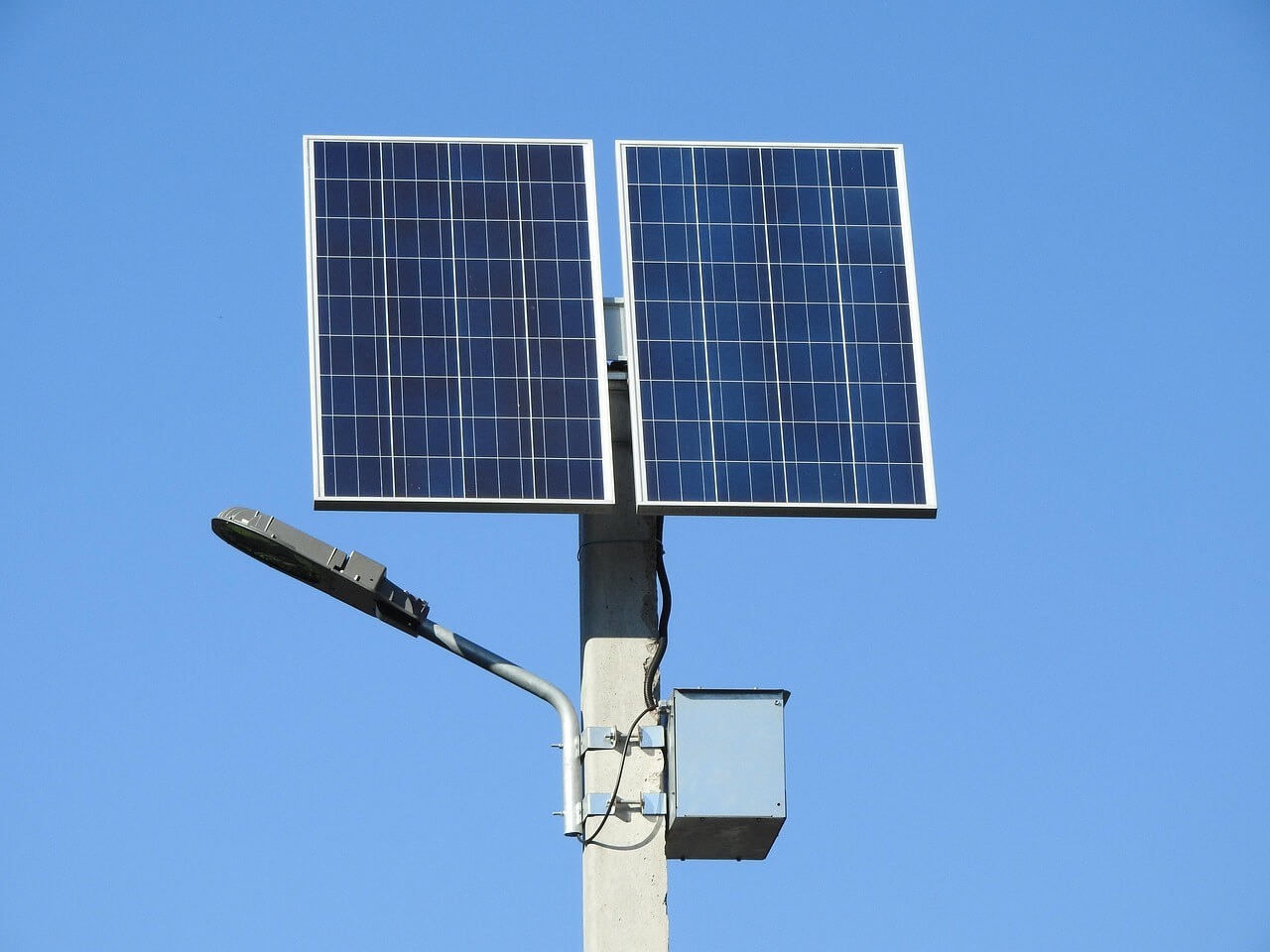
 (Image Source: Webstock Inc., compiled by CLS)
Zheng Feifan, a senior researcher in the non-ferrous and new materials group at CITIC Futures, analyzed for CLS that the supply and demand for polysilicon have recently improved, with inventory starting to decline significantly. Under these improved conditions, spot prices have also begun to rise. Polysilicon futures were officially listed on December 26, and due to the relatively low benchmark price, prices saw significant increases after the market opened.
Production Cuts Announced by Leading PV Polysilicon Producers Boost Market Sentiment
On December 24, Tongwei Co., Ltd. announced on its official WeChat account that it would carry out technological transformation and maintenance work in line with its overall production and operation plan, implementing phased and orderly production cuts. Daqo New Energy also announced plans to gradually initiate phased maintenance on its high-purity polysilicon production lines, with orderly production cuts on certain lines.
Both Tongwei Co., Ltd. and Daqo New Energy are leading enterprises in the polysilicon industry. According to data, Tongwei's polysilicon business subsidiary Yongxiang Co., Ltd. has a high-purity polysilicon capacity exceeding 900,000 mt, while Daqo New Energy's capacity is 305,000 mt, and GCL Technology's capacity is 480,000 mt, bringing the combined capacity of the three companies to over 1.6 million mt. As of October 2024, the domestic operational polysilicon capacity was approximately 2.65 million mt.
The Silicon Industry Branch of the China Nonferrous Metals Industry Association mentioned in its weekly report that polysilicon prices are expected to gradually return to rational levels in the future.
Firstly, the significant short-term reduction in market supply strongly supports market prices, and the concentrated procurement before the Chinese New Year may lead to temporary supply and demand tightness. Secondly, the listing of polysilicon futures before the year-end has encouraged futures and spot traders to enter the industry for procurement, with the futures market acting as a reservoir that benefits supply and demand as well as spot prices. Lastly, industry self-discipline and domestic industrial policies have a positive impact on the market, providing sustained benefits for long-term supply and demand.
The Listing of Futures Is Expected to Act as a Reservoir and May Drive Up Polysilicon Spot Prices
Ji Yuanfei, an analyst at GF Futures, stated that polysilicon prices have fallen into a range where most companies are operating at a loss, leading to widespread maintenance and production cuts, with the industry's operating rate below 50%. Looking ahead to 2025, under the framework of the industry self-discipline agreement, based on current prices, the production enthusiasm of polysilicon companies remains low, and the price center is expected to gradually move upward. Additionally, demand for warehouse warrants in the futures market may absorb high polysilicon inventory and even drive demand growth, leading to price increases.
Zheng Feifan believes that the continuous production cuts on the supply side and concentrated restocking by wafer producers have led to gradual improvements in the supply and demand for polysilicon. Furthermore, the listing of polysilicon futures is expected to act as a reservoir, absorbing some inventory, and polysilicon spot prices may fluctuate upward.
COFCO Futures analyzed in its research report that while the current supply and demand for polysilicon remain weak, there are marginal improvements. Costs are weak, and the macro environment is stable. In the long term, the initial effects of industry self-discipline and production cut expectations are relatively evident, but there may be uncertainties in the medium term. Considering weak costs and improved macro expectations, polysilicon is evaluated as weak in both current reality and expectations, with a bearish outlook on price trends.
![[Цены на распределенные фотоэлектрические модули продолжают расходиться]](https://imgqn.smm.cn/usercenter/CaHKo20251217171738.jpg)
![[Ведущие производители всё ещё ведут переговоры о ценах на фотоэлектрическое стекло]](https://imgqn.smm.cn/usercenter/AuVub20251217171738.jpg)
![[Солнечная энергия: Бангладеш вводит тариф $0,086/кВт·ч для кровельных солнечных установок с чистым учётом и целью 5 ГВт]](https://imgqn.smm.cn/usercenter/zvkUO20251217171743.jpg)