Understanding Germanium: A Vital Semiconductor Material
Historical Development and Characteristics of Germanium
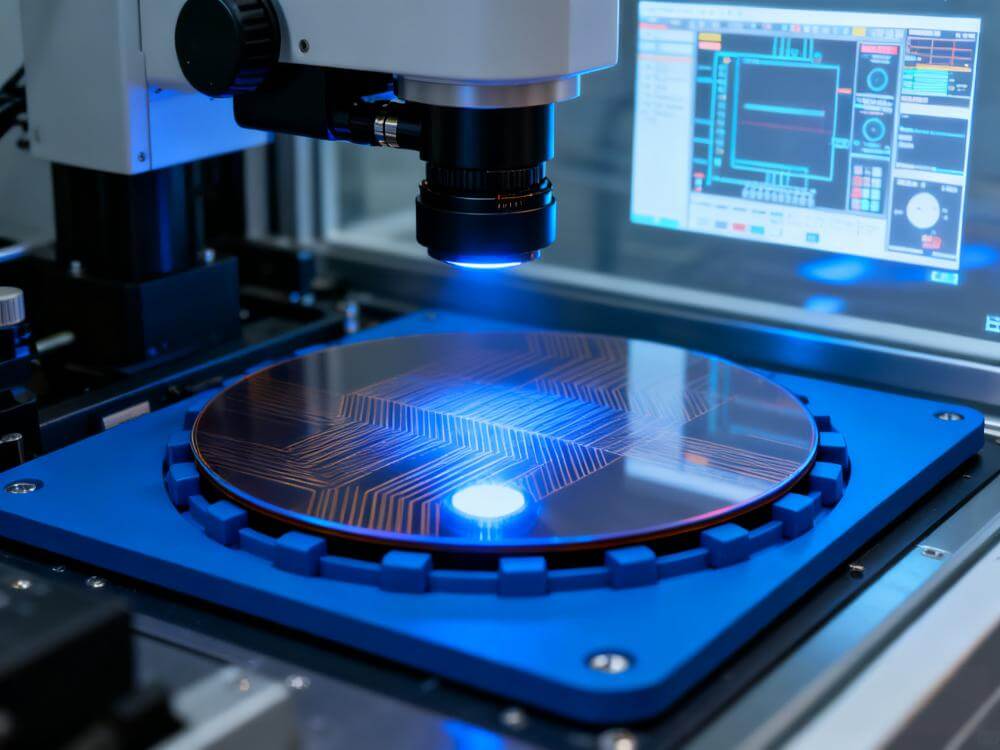
Germanium is a critical material in the semiconductor industry due to its unique properties. This shiny metalloid shares many characteristics with silicon, but it stands out with a higher electron mobility, making it exceptionally effective in high-speed electronic applications. These properties make germanium indispensable in the fabrication of transistors, diodes, and other semiconductor devices that demand superior performance. Its ability to operate effectively at high frequencies further underscores its importance in advanced telecommunications and computing technologies.
Historically, germanium was one of the first materials used in the development of semiconductor devices. During the early days of transistor technology in the 1940s and 1950s, germanium was a foundational component due to its excellent electronic properties. However, the advent of silicon, which offered better thermal stability and easier fabrication processes, led to a shift. Despite this shift, germanium has seen a resurgence in recent decades as technology has evolved, and its unique characteristics have become vital once again, particularly in niche applications that require high-efficiency and high-speed performance.
Current Trends in Germanium Prices
The dynamics of Germanium Prices are influenced by numerous factors, creating a complex landscape for stakeholders in the semiconductor industry. One of the primary determinants of germanium's market value is the balance between supply and demand. As the demand for high-performance semiconductors increases, driven by advancements in technology and the proliferation of electronic devices, the need for germanium also rises, impacting its price. Additionally, extraction and processing costs, as well as the availability of germanium ores, play significant roles in price determination.
When comparing price fluctuations of germanium with other semiconductor materials, it becomes evident that germanium prices tend to be more volatile. Silicon, which is abundantly available, generally maintains stable pricing, whereas germanium is less abundant and more costly to extract and refine, leading to more significant price swings. The comparison highlights the importance of strategic sourcing and cost management practices within the semiconductor industry to mitigate the effects of these fluctuations.
Geopolitical and economic factors further complicate the picture of Germanium Prices. Trade policies, tariffs, and international relations can all influence the availability and cost of germanium. For instance, geopolitical tensions between major germanium-producing and consuming countries can lead to supply chain disruptions, causing sudden spikes in prices. Economic downturns or booms also affect industry demand and investment in extraction and production capabilities, thereby impacting prices.
Impact of Germanium Prices on Semiconductor Manufacturing
Rising Germanium Prices can have substantial cost implications for semiconductor manufacturers. As a crucial material, any increase in germanium costs directly affects the production costs of high-speed and high-efficiency semiconductors. This can result in higher prices for end consumers or reduced profit margins for manufacturers. The industry often has to balance between absorbing these costs or passing them onto consumers, neither of which is an ideal scenario.
Supply chain considerations and risks are paramount when it comes to managing the impacts of germanium prices. The availability of germanium is dependent on a handful of global suppliers, mainly concentrated in specific countries. This concentration introduces risks such as supply disruptions due to political instability or economic sanctions. Manufacturers must strategically navigate these risks by diversifying their supplier base and maintaining adequate stockpiles of germanium or by investing in alternative materials.
The availability of alternatives and their viability remains a significant point of discussion among industry players. While silicon has largely overtaken germanium in many applications, germanium's unique properties mean that it cannot be entirely replaced in certain high-performance components. However, research into other materials like gallium arsenide and indium phosphide is ongoing, with these alternatives sometimes offering comparable or superior performance in specific contexts. Nevertheless, shifting to these materials involves considerable research and development costs, and may not be feasible for all manufacturers.
Global supply chain dependencies further underscore the strategic importance of germanium in the semiconductor industry. Countries heavily reliant on imports for their germanium supply must consider their geopolitical stance and trade policies. Developing domestic sources of germanium or investing in recycling technologies could mitigate some of these risks, ensuring a more stable supply and potentially more predictable pricing.
In conclusion, germanium remains a vital material in the semiconductor industry, despite the challenges associated with its pricing and supply. By understanding the factors driving Germanium Prices and effectively managing supply chain risks, manufacturers can better navigate the complexities of the market and continue to produce high-performance semiconductor devices essential for modern technological advancements.
How Companies Adapt to Changes in Germanium Prices
Strategies for Cost Management and Efficiency
Companies within the semiconductor industry must adopt robust strategies to manage costs and maintain efficiency in light of fluctuating Germanium Prices. One effective approach involves long-term contracts with suppliers, which can secure materials at a fixed price and mitigate the risks of sudden price hikes. By locking in prices, manufacturers can better forecast their production costs and maintain stable pricing for their products.
Another crucial cost management strategy is the optimization of the manufacturing process. This can be achieved through investment in advanced technologies that enhance yield and reduce waste. By maximizing the efficiency of germanium usage, companies can lower their material costs per unit of production, making their operations more resilient to price changes.
Cost-sharing arrangements and collaborations are also vital. Semiconductor firms can form alliances with industry partners to share the financial burden of expensive raw materials. Joint ventures or partnerships for the development of new technologies can also distribute costs more broadly and reduce the individual financial impact on each company.
Diversification of the supply base is another strategy to ensure stability. Relying on multiple suppliers from different geographic areas can reduce the risk of disruptions and price volatility. By expanding their supplier networks, companies can negotiate better terms and foster competitive pricing conditions.
Technological Innovations and Instead-of Solutions
To cope with fluctuating Germanium Prices, many companies are investing heavily in technological innovations that either increase the efficiency of germanium use or provide viable substitutes. One such innovation is the enhancement of germanium recycling technologies. By improving the recovery and recycling rates of germanium from used products, manufacturers can reduce their dependency on newly extracted materials and better cope with volatile prices.
Research into alternative materials is another critical area of focus. Materials such as gallium arsenide and indium phosphide are being explored for their potential to replace germanium in some applications. These alternatives sometimes offer comparable performance benefits and could be sourced more economically. This shift can also spur the development of new device architectures that are less reliant on germanium, further buffering against price fluctuations.
Moreover, advancements in semiconductor manufacturing techniques, such as atomic layer deposition (ALD) and molecular beam epitaxy (MBE), allow for the precise layering of materials at an atomic level. These techniques can improve the performance of semiconductors while potentially reducing the total materials used, thereby lowering the impact of high Germanium Prices on production costs.
Lastly, incorporating more sophisticated simulation and modeling tools can help predict and mitigate material usage inefficiencies. By simulating the semiconductor manufacturing processes, companies can identify areas where resource use can be optimized, leading to more efficient production and reduced costs overall.
Future Outlook: Germanium Prices and Market Dynamics
Predictions from Market Analysts
Market analysts predict that Germanium Prices will continue to exhibit volatility due to the intricate balance of supply and demand, geopolitical factors, and ongoing technological advancements. Rising demand from emerging applications such as 5G technology, electric vehicles, and advanced medical devices is likely to increase pressure on the supply side. As these technologies mature and become more widespread, the demand for germanium-enriched semiconductors is expected to grow, potentially driving prices upward.
Additionally, global political and economic trends will significantly impact germanium markets. Trade policies, especially those involving major germanium-producing countries, could introduce new tariffs or restrictions, influencing market prices. Furthermore, economic fluctuations, including recessions or growth spurts, will also determine the capital available for investment in germanium extraction and processing, thereby affecting supply levels.
Potential Innovations Affecting Future Demand and Supply
Looking ahead, several potential innovations could alter the demand and supply dynamics of germanium in the semiconductor industry. One significant area is advancements in materials science, leading to the discovery or refinement of alternative semiconductors with properties similar to germanium. If these alternatives prove commercially viable, they could alleviate some of the pressure on germanium supply chains and reduce dependency.
Technological breakthroughs in the efficiency of germanium usage within semiconductors could also play a pivotal role. Innovations that enable more precise application of germanium layers can enhance device performance while using less material, thus mitigating the impact of high prices.
In addition, the development of new recycling technologies could drastically change the landscape of Germanium Prices. Techniques that allow for efficient recovery of germanium from electronic waste can supplement raw material supplies and stabilize prices.
Automation and artificial intelligence in the mining and processing of germanium may lead to cost reductions, further influencing market dynamics. As these technologies advance, they could streamline operations, reduce overheads, and create a more stable supply environment.
Key Takeaways for Stakeholders in the Semiconductor Industry
For stakeholders in the semiconductor industry, understanding the fluctuating nature of Germanium Prices is crucial for strategic planning. Diversifying supply sources, investing in alternative materials, and advancing recycling technologies are key strategies to mitigate risk.
Maintaining flexibility in manufacturing processes and forming strategic partnerships can enhance resilience against price volatility. Stakeholders should closely monitor global geopolitical trends and economic indicators to anticipate shifts in the market.
In conclusion, while Germanium Prices present challenges, they also drive innovation and strategic adaptations in the semiconductor industry. By adopting comprehensive strategies for cost management, leveraging technological advancements, and staying informed about market dynamics, companies can navigate these challenges effectively and continue to thrive in the competitive landscape.
Shanghai Metals Market (SMM) is an integrated internet platform provider for nonferrous and ferrous metals. They offer a comprehensive range of services including benchmark prices, analysis, news, consulting, and conferences for the metals and mining industry. With headquarters in Shanghai and branch offices, SMM has a strong network and deep-rooted relationships in China's nonferrous, ferrous, and EV metal industries. They serve customers globally and provide extensive historical data and daily market insights through their flagship portal. SMM is known for its impartial, objective, and timely price assessments, which are based on their rigorous benchmark methodologies aligned with the Chinese trading market.


![[Краткий обзор SMM] Кот-д’Ивуар: обзор Atex выявил тантал вблизи поверхности](https://imgqn.smm.cn/usercenter/EutUV20251217171724.jpeg)