

Expectations of a delayed interest rate cut by the Federal Reserve depressed market optimism. Base metal prices were weighed down, with zinc prices running weakly. From a fundamental point of view, there has been no additional production resumption at overseas mines, and smelters have basically maintained regular production. The contango of LME cash to the three-month contract exceeded $24/mt amid poor overseas consumption. LME zinc prices were running weakly; maintenance and the off-season lowered output at domestic mines in December. Although the refined zinc output of Chinese smelters increased 11,900 mt from the previous month to 590,900 mt in December, output in January is expected to drop by 17,500 mt to 572,400 mt due to factors such as maintenance and environmental protection. Nonetheless, smelters were also actively stocking up on zinc concentrate for production from January to February. Port inventories have changed little, exacerbating the shortage of raw materials for domestic smelters. TCs continued to be weak; with the recent recovery of the SHFE/LME zinc price ratio, the import windows for zinc concentrate and refined zinc have both opened. It is expected that import volumes may increase, and there is limited room for a reduction in the TCs for imported zinc concentrates. There have been inflows of imported zinc ingots from South Korea, Spain and Peru. LME zinc inventory has recently dropped by about 15,000 mt, which are expected to have arrived in China. The supply pressure increased; operating rates fell across galvanising, die-casting, and zinc oxide sectors, and some companies may close earlier for Chinese New Year holidays in January, weighing on zinc prices. However, considering the still low social inventories and cost support of smelters and mines, any decline in zinc prices will be limited. Zinc prices are expected to fluctuate in a wide range.
Zinc prices expected to fluctuate in a wide range
Expectations of a delayed interest rate cut by the Federal Reserve depressed market optimism. Base metal prices were weighed down, with zinc prices running weakly.
Заявление об источниках данных: За исключением общедоступной информации, все остальные данные обрабатываются SMM на основе общедоступной информации, рыночного общения и с опорой на внутреннюю базу данных и модели SMM. Они приведены только для справки и не являются рекомендациями для принятия решений.
По любым вопросам или для получения дополнительной информации, пожалуйста, свяжитесь: lemonzhao@smm.cn
Для получения дополнительной информации о доступе к нашим исследовательским отчётам обращайтесь:service.en@smm.cn
Связанные новости
9 часов назад
Банкер-Хилл продвигает перезапуск свинцово-цинкового рудника, планируя коммерческую добычу к концу 2026 года
Читать далее
Банкер-Хилл продвигает перезапуск свинцово-цинкового рудника, планируя коммерческую добычу к концу 2026 года
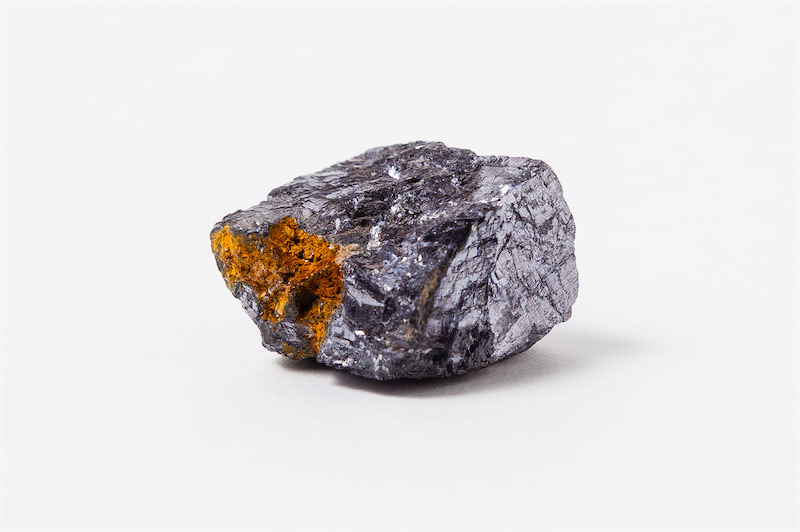
Bunker Hill Mining объявила 1 сентября, что её свинцово-цинковый рудник Bunker Hill в штате Айдахо, США, произвёл первые свинцовый и цинковый концентраты в конце июня 2026 года. В настоящее время предприятие наращивает производство, продолжая оптимизацию подземной добычи и переработки. Обогатительная фабрика имеет проектную мощность 1 800 тонн в сутки, а плановый совокупный годовой объём производства составляет около 85 000 тонн цинкового концентрата и серебросодержащего свинцового концентрата. Компания планирует пополнить оборотный капитал за счёт резервного финансирования и авансовых платежей за концентрат, рассчитывая выйти на полную коммерческую мощность к концу 2026 года. По прогнозам SMM, в 2026 году рудник произведёт около 25 000 тонн цинка в концентрате и 10 000–15 000 тонн свинца в концентрате в пересчёте на содержащийся металл.
Тем временем недавнее подземное бурение в минерализованной зоне Cate-8 показало максимальные содержания в пробах 41,1% свинца и 7,41% цинка. Компания оценивает целесообразность включения этой зоны в ближайший план горных работ. По мере наращивания добычи рудник, как ожидается, обеспечит дополнительное предложение свинца и цинка для Северной Америки.
9 часов назад
13 часов назад
ACG расширяет проект Гедиктепе по добыче сульфидов и начинает производство медного и цинкового концентратов; выход на полную мощность запланирован к концу 2026 года
Читать далее
ACG расширяет проект Гедиктепе по добыче сульфидов и начинает производство медного и цинкового концентратов; выход на полную мощность запланирован к концу 2026 года
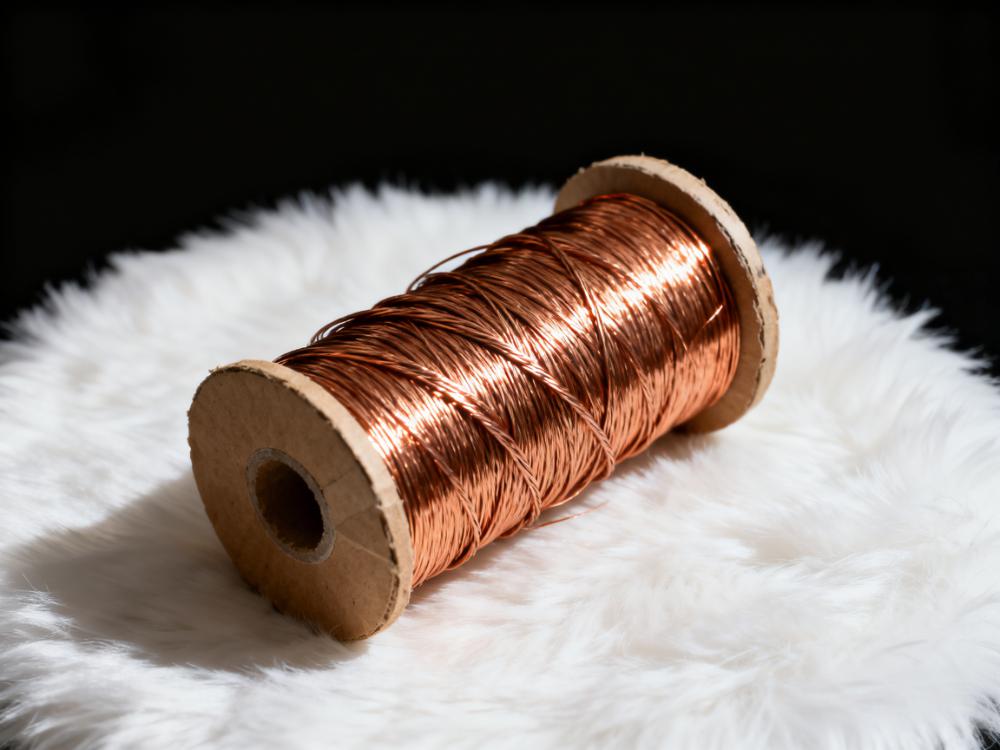
ACG Metals объявила 1 сентября, что ее рудник Гедиктепе в Турции произвел первый медный концентрат 31 августа, что ознаменовало начало этапа наращивания производства. Компания будет постепенно увеличивать производительность и оптимизировать работу обогатительной фабрики, стремясь выйти на полную мощность к концу 2026 года. Целевой показатель стабильного годового производства Гедиктепе составляет 20–25 тыс. тонн медного эквивалента.
В полном объявлении также подтверждено, что рудник произвел первый цинковый концентрат в августе 2026 года, хотя конкретная дата и объемы не раскрываются. SMM оценивает производство цинка в концентрате на руднике примерно в 10–15 тыс. тонн содержащегося цинка в 2026 году.
13 часов назад
15 часов назад
Данные: динамика рынка SHFE, DCE (2 сентября)
Читать далее
Данные: динамика рынка SHFE, DCE (2 сентября)
В следующей таблице показано движение черных и цветных металлов на SHFE и DCE 2 сентября 2026 г.
15 часов назад
Связанные новости
Банкер-Хилл продвигает перезапуск свинцово-цинкового рудника, планируя коммерческую добычу к концу 2026 года
Sep 02, 2026 21:58
ACG расширяет проект Гедиктепе по добыче сульфидов и начинает производство медного и цинкового концентратов; выход на полную мощность запланирован к концу 2026 года
Sep 02, 2026 18:43
Данные: динамика рынка SHFE, DCE (2 сентября)
Sep 02, 2026 15:56
[SMM Flash] Проливные дожди вынудили заводы по производству цинковых сплавов в Чжэцзяне остановиться, сроки возобновления работы неясны
Sep 02, 2026 15:09