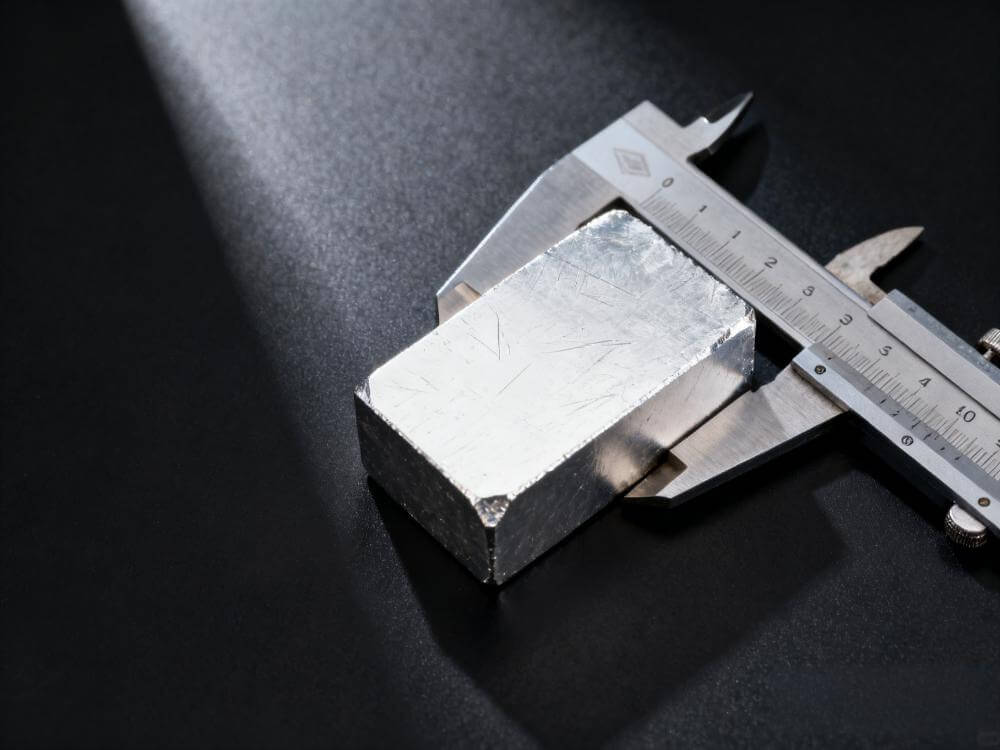
The main reason is that the price of silicon wafer increases by up to 15% capacity or is tight to accelerate the expansion of contract factories in 2023.

Опубликовано: Sep 28, 2021 13:17 (GMT+8)
[the main reason is that the price of silicon wafers has increased by up to 15% or the contract factories have accelerated production until 2023.] according to the Taiwan media "Industrial and Commercial Times", as Shin Yue and Shenggao and other Japanese silicon wafer manufacturers signed long contracts with customers in 2022 and successfully increased their prices, Taiwan silicon wafer factories have also signed 2022 long contracts with customers, of which 6-inch and 8-inch silicon wafer contract prices have increased by about 10% and 12-inch silicon wafer contract prices have increased by about 10%. 12-inch silicon wafer contract prices have increased by about 15%.

According to the Taiwan media "Industrial and Commercial Times", as Shin Yue and Shenggao and other Japanese silicon wafer companies signed 2022 long contracts with customers and successfully increased their prices, Taiwan silicon wafer factories have also signed 2022 long contracts with customers one after another. among them, the contract price of 6-inch and 8-inch silicon wafer has increased by about 10% and 12-inch silicon wafer by about 15%.

According to SEMI, the global silicon wafer shipping area grew 6% in the second quarter of 2021 from the same period last year, up 12% from a year earlier to 3,534 million square inches, surpassing the all-time high set in the first quarter.

However, this is still not enough to meet the demand. According to SUMCO, the global demand for Q2 12-inch wafers alone exceeds 7.1 million wafers per month. Industry insiders pointed out that considering that the current capacity utilization of silicon wafer factories has reached 100%, but the opening of new capacity in the next 2-3 years is very limited, it is expected that there will be a shortage of silicon wafers in the second half of 2022, and the shortage will be even more serious in 2023. Including Japan's Shin-Etsu, Japan's Shengo (SUMCO), Taiwan's global globe crystal, Germany's Siltronic (Siltronic) and other four major silicon wafer manufacturers in the world, all believe that the silicon wafer market will be in short supply until 2023.

Silicon wafer mills are reported to have received advance payments from customers to expand silicon wafer production capacity in response to strong demand in 2023-2024.

Silicon wafer is the core raw material of semiconductor manufacturing. According to SEMI statistics, the global wafer manufacturing materials market totaled US $34.9 billion in 2020, of which silicon wafers accounted for the highest proportion of sales, reaching 36.64%. The supply and demand situation and price trends of silicon wafers also largely reflect the prosperity of the semiconductor industry.

Contract manufacturers such as TSMC, SMIC and Huahong Semiconductor have sharply increased capital expenditure this year. According to the latest data from market research firm IC Insights, the contract manufacturing market will exceed the $100 billion mark for the first time this year, up 23% from a year earlier, driven by applications such as 5G smartphone processors, networks and data center processors. The new capacity will be launched one after another in the second half of next year, during which the purchase of wafers is bound to be increased.

From the perspective of the market pattern, due to the high threshold of purification and processing technology, the global silicon wafer market is highly monopolized. At present, the top five wafer manufacturers in the world account for nearly 90% of the global market share. Fang Jing, an analyst at Cinda Securities, said that China's related industries started relatively late, and the accumulation of technology is not as good as overseas. In recent years, domestic manufacturers have accelerated their R & D investment and construction of silicon wafers, and many manufacturers have achieved breakthroughs from 8-inch to 12-inch silicon wafers. In the future, domestic manufacturers are expected to fully benefit from the high-profile demeanor of silicon wafers.

Among the A-share related listed companies, the Shanghai silicon industry is the first to achieve large-scale sales of 12-inch silicon wafers, and the size of silicon wafers is expanding rapidly. Lion Micro's large-size silicon wafers were obvious in the first half of this year. Among them, the production capacity of the 8-inch silicon wafer production line has been fully released, and the 12-inch silicon wafer has achieved large-scale production and sales. With the coordinated development of photovoltaic and silicon wafers, Central is also in a leading position in the field of semiconductor large-size silicon wafers in China.

In addition, Jingsheng electromechanical Jingsheng has successfully developed silicon epitaxial equipment and silicon carbide epitaxial equipment, and the company's semiconductor monocrystalline silicon equipment industry chain is becoming more and more complete.

Заявление об источниках данных: За исключением общедоступной информации, все остальные данные обрабатываются SMM на основе общедоступной информации, рыночного общения и с опорой на внутреннюю базу данных и модели SMM. Они приведены только для справки и не являются рекомендациями для принятия решений.

По любым вопросам или для получения дополнительной информации, пожалуйста, свяжитесь: lemonzhao@smm.cn
Для получения дополнительной информации о доступе к нашим исследовательским отчётам обращайтесь:service.en@smm.cn
Связанные новости
[SMM Хром Флеш] Прогноз мирового спроса на сталь в 2026 году становится нулевым на фоне ослабления Китая, восстановление ожидается в 2027 году
16 Oct 2026 22:28 (GMT+8)
[SMM Хром Флеш] Прогноз мирового спроса на сталь в 2026 году становится нулевым на фоне ослабления Китая, восстановление ожидается в 2027 году
Читать далее
[SMM Хром Флеш] Прогноз мирового спроса на сталь в 2026 году становится нулевым на фоне ослабления Китая, восстановление ожидается в 2027 году
[SMM Хром Флеш] Прогноз мирового спроса на сталь в 2026 году становится нулевым на фоне ослабления Китая, восстановление ожидается в 2027 году
Всемирная ассоциация производителей стали (worldsteel) 12 октября пересмотрела свой прогноз мирового спроса на сталь, ожидая, что в 2026 году спрос останется практически без изменений на уровне 1,722 млрд тонн, а в 2027 году вырастет на 1,7% до 1,752 млрд тонн. Понижение прогноза в значительной степени отражает более слабый, чем ожидалось, спрос в Китае, где потребление стали, по прогнозам, сократится на 2,0% в 2026 году и ещё на 1,0% в 2027 году. За пределами Китая ожидается рост спроса на 1,5% в 2026 году с ускорением до 4,0% в 2027 году. Для рынка хрома сдержанный прогноз по мировой стали указывает на то, что широкомасштабное восстановление спроса, связанного со сталью, может занять больше времени, хотя перспективы различаются по регионам. Прогнозируется, что спрос на сталь в Индии вырастет на 7,9% в 2026 году, тогда как в США ожидается рост на 2,0%. Эти расходящиеся региональные тенденции служат важным контекстом для производителей хромовой руды и феррохрома при оценке условий на конечных рынках. Однако прогноз охватывает общий спрос на сталь, а не конкретно нержавеющую сталь, поэтому он напрямую не определяет будущее потребление хрома.
16 Oct 2026 22:28 (GMT+8)
[SMM Хром Флэш] Экспорт хромовой руды из ЮАР в августе упал на 11%, а отгрузки феррохрома выросли на 20%
16 Oct 2026 22:13 (GMT+8)
[SMM Хром Флэш] Экспорт хромовой руды из ЮАР в августе упал на 11%, а отгрузки феррохрома выросли на 20%
Читать далее
[SMM Хром Флэш] Экспорт хромовой руды из ЮАР в августе упал на 11%, а отгрузки феррохрома выросли на 20%
[SMM Хром Флэш] Экспорт хромовой руды из ЮАР в августе упал на 11%, а отгрузки феррохрома выросли на 20%
Экспорт хромовой руды из ЮАР в августе 2026 года сократился на 10,75% в месячном исчислении, до 2,36 млн тонн, тогда как экспорт высокоуглеродистого феррохрома вырос на 20,0%, до 117 180 тонн, что отражает разнонаправленные тенденции в торговле хромом в стране. Китай оставался ведущим направлением для хромовой руды, получив 1,67 млн тонн, или 70,8% от общего объёма поставок, несмотря на месячное снижение на 6,09%. Экспорт феррохрома, в свою очередь, поддерживался более активными поставками в Северную Америку: Канада получила 26 373 тонны, а США — 26 029 тонн, что в совокупности составило 44,7% экспорта феррохрома из ЮАР. Разнонаправленная динамика указывает на ослабление зарубежного спроса на сырую хромовую руду наряду с восстановлением поставок феррохрома, особенно в Северную Америку. Однако месячный рост экспорта феррохрома ещё не свидетельствует об устойчивом восстановлении внутренней выплавки, а доминирующая доля Китая в экспорте руды делает южноафриканские поставки уязвимыми к изменениям закупочной активности Китая.
16 Oct 2026 22:13 (GMT+8)
[Еженедельный обзор SMM по хрому] Экспортные потоки восстанавливаются на фоне роста портовых запасов в Китае и расхождения цен в Африке
16 Oct 2026 21:43 (GMT+8)
[Еженедельный обзор SMM по хрому] Экспортные потоки восстанавливаются на фоне роста портовых запасов в Китае и расхождения цен в Африке
Читать далее
[Еженедельный обзор SMM по хрому] Экспортные потоки восстанавливаются на фоне роста портовых запасов в Китае и расхождения цен в Африке
[Еженедельный обзор SMM по хрому] Экспортные потоки восстанавливаются на фоне роста портовых запасов в Китае и расхождения цен в Африке
Опубликовано: 16 октября 2026 г.
16 Oct 2026 21:43 (GMT+8)