
The market's understanding of China's dominant strategic small metal "antimony" is also mostly "industrial monosodium glutamate", while the downstream is represented by flame retardants and is relatively scattered, with low attention. Two differences in expectations are not fully recognized: 1) the price of antimony ingots rose by 60% from a low of 3.75 to 7.00 million yuan / ton, and the cycle reversal of the supply and demand structure has not been price in;2 by the share prices of leading companies) more importantly, the demand in the photovoltaic field is a market blind spot; driven by the demand for photovoltaic glass clarifier, the demand growth rate of the industry has doubled, and the prosperity has ushered in the new five years.
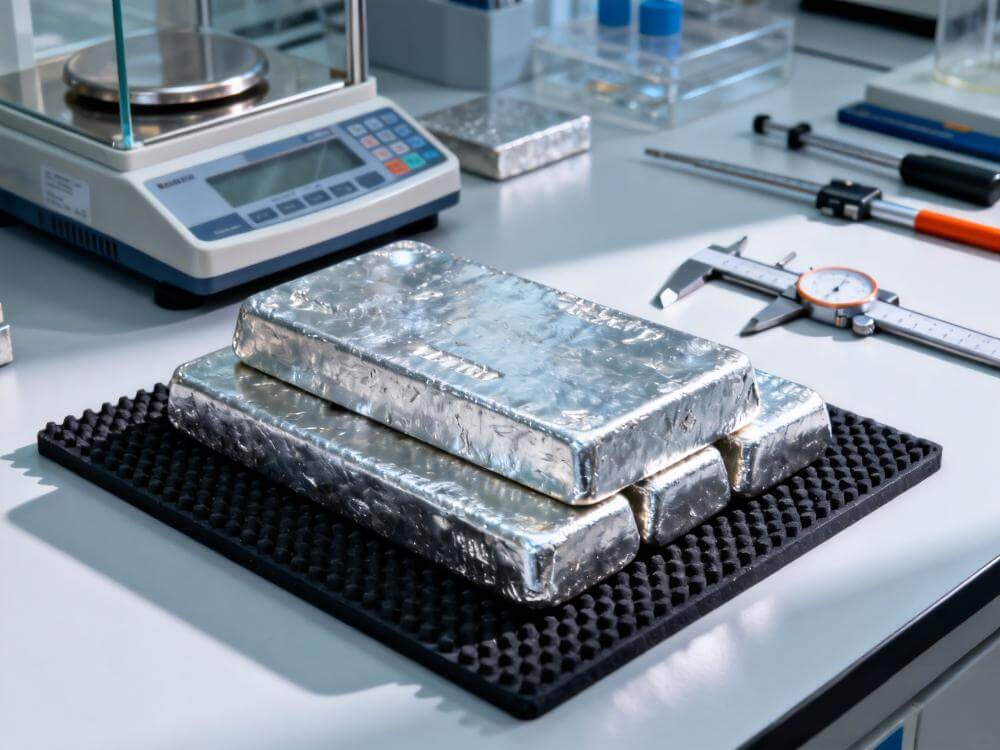
What is antimony? Antimony is a kind of silver-white glossy hard and brittle metal, which is often made into bars, blocks, powder and other shapes. it mainly exists in sulphide mineral stibnite (Sb2S3). Antimony concentrate is often used to make antimony ingots, antimony oxide and ethylene glycol antimony. Historically, flame retardant materials are the main part of downstream applications, accounting for about 55%, followed by lead-acid batteries, with demand accounting for 15%, polyester catalysis for 15%, and glass ceramics for about 10%.
Antimony supply: extremely scarce strategic mineral resources. 1) supply is highly concentrated, with global antimony reserves of about 1.87 million tons, with China accounting for 26 per cent, Russia 19 per cent and CR5 82 per cent. From the distribution of production, China accounts for 53 per cent, Russia 20 per cent and Tajikistan about 18 per cent. 2) Antimony metal is extremely scarce, and many countries have listed it as a key mineral resource. From the perspective of static reserve-production ratio, the global antimony metal can only meet the supply of 14 years, while the domestic antimony reserves can only meet the supply of 6 years, and because the main downstream application scene of antimony is flame retardant, it is difficult to recover. It is a highly scarce non-renewable metal. According to the 2016 National Mineral Resources Plan of the Ministry of Land and Resources, antimony is listed as a key mineral resource. in addition, the United States, the European Union and Japan have also listed antimony as a key mineral resource. 3) historically, the global antimony supply has been maintained at about 13-150000 tons. In recent years, due to the stricter environmental protection policies in China, the output of mineral antimony has declined year by year. The only overseas future increment is Huayu Mining's project in Tajikistan, and the rest is limited. The supply side is expected to maintain a growth rate of 2% and 3% from 2020 to 2025. 4) inventory has been greatly removed, antimony prices rose sharply in 11-12 years, accumulated too much social inventory pressure, prices fluctuated in the bottom range. Due to the tight supply of raw materials and the continuous improvement on the demand side, enterprise inventories have been substantially eliminated in 2020, with manufacturers' antimony ingot stocks falling by nearly 70 per cent from an all-time low of 9000 tons to 2710 tons.
Demand side: photovoltaic metal that is not recognized by the market. The cost of photovoltaic power generation is close to the average cost of domestic thermal power generation, and access to the grid at affordable prices is close to reality in some areas, but at present, the permeability of photovoltaic power generation is still low, photovoltaic installation has entered a period of rapid growth, and photovoltaic installation is expected to increase from 127GW to 370GW from 2020 to 2025. Antimony is mainly used in the photovoltaic glass manufacturing process. Generally speaking, 0.2% 0.4% sodium pyroantimonate needs to be added in the mixture quality. In 2025, the demand for antimony in the photovoltaic glass field will reach 35000 tons, 2020-2025CAGR is 29%, and the proportion of demand in the photovoltaic field will be from 7.30% to 21.33%.
Investment advice: antimony has entered a new cycle in which supply exceeds demand. In the next few years, domestic supply may maintain a shrinking trend. Only Huayu Mining has new projects overseas, with a supply-side CAGR of 2% and 3% in 2020-2025. On the demand side, under the rapid pull of photovoltaic demand, the overall growth rate of demand is expected to increase from 1% to 4%. 5%. Related industry chain listed companies include Hunan Gold, Huayu Mining and so on.
Risk prompt events: the risk of industrial policy change, the risk of exceeding expected release from the supply side, the risk of repeated domestic and foreign outbreaks, the risk of deviation in demand measurement, the risk that the public data used in the research report are not updated in a timely manner, and so on.
(article source: Zhongtai Securities)
![Цены на сурьму продолжили расти [Еженедельный обзор спотового рынка сурьмы SMM]](https://imgqn.smm.cn/usercenter/teIej20251217171724.jpeg)