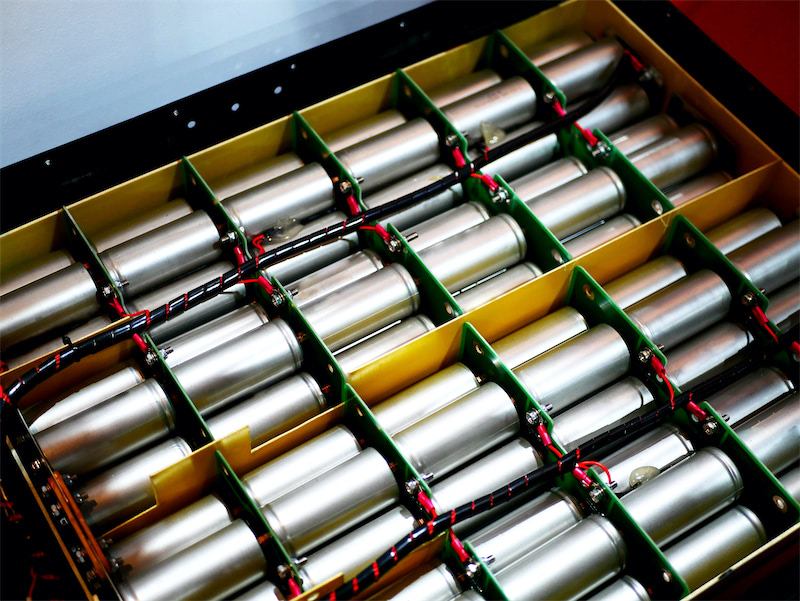
According to the latest research of TrendForce Jibang Consulting, due to the current tight production capacity of the three original factories, the DRAM market is still in short supply, the overall market situation has officially entered the rising cycle, the original factory sees the opportunity to substantially raise the monthly price of niche memory (specialty DRAM), and the monthly price increase of some particles approaches double digits.
Among them, the products with smaller capacity and more niche increased the most. Judging from the contract price in February, the increases of DDR2 and DDR3 are still high, while DDR4 continues to rise due to the price pursuit of DDR3. DDR3 4GB, which is still the largest application in niche DRAM, has a monthly increase of about 6.8 per cent.
The clearing of production capacity of large factories drives the rise of niche memory.
The report further said that the DDR3 2Gb, which has been dominated by Taiwan factories for a long time, has been seriously out of stock, and that immeasurable price has become the norm for the product, while price pursuers have become the main reason for the widening price gap in the market, with the average price rising nearly 9 per cent this month. While DDR4 4Gb was forced by the rise in DDR3 4Gb, Samsung's prices rose significantly this month, prompting low and average prices to grow by about 6 per cent.
Data show that niche memory is a kind of special memory, which is mainly used in a variety of embedded and consumer electronics markets, is relatively low-end, and accounts for about 10% of the total memory, which is far less important than PC/ server memory and mobile memory. Based on this, in recent years, Samsung, Micron, SK Hynix three major memory chip companies are reducing niche memory production.
However, niche memory has risen more than expected since the end of last year. According to industry media reports in December last year, the price of niche memory took the lead in rising sharply, and the spot urgent order price has risen by 10-20%. The quotation will gradually rise by 5-10% in 2021, and prices in the peak season in the third quarter are even expected to rise by 30-40%.
The industry pointed out that the increase in the price of niche memory is related to two factors: one is the production capacity conversion of large manufacturers such as Samsung, which was previously revealed to be preparing to change a memory production line into a CIS sensor chip production line, and the other reason is related to the recovery of demand. This year's epidemic has led to a surge in demand for goods such as digital televisions, set-top boxes and Wi-Fi routers, requiring more niche memory.
The situation of supply falling short of demand will continue until at least the first half of the year. Domestic manufacturers may meet the opportunity.
However, with the sharp rise in niche memory, several major memory chip manufacturers around the world have also slowed the pace of capacity clearance:
In terms of the three major manufacturers, Samsung's long-term strategy of continuously converting Line 13 to CIS remains unchanged, but it has slightly reduced the planned capacity schedule; after the production capacity of the old SK Hynix plant M10 was reduced at the end of last year, it was basically maintained at a similar level in 2021. With the increase in the yield of 1Z and 1 alpha nm, Meguiar will gradually increase the proportion of advanced processes, so some 20nm and more mature processes will slowly move to Fab 6 in the United States in the future due to the limited space in Taiwan.
In terms of Taiwan factory, South Asia Science has converted part of 20 and 30nm DDR4 projection back to DDR3; Huabang in recent years, the focus is on Flash business, DRAM capacity will be limited before completion of Kaohsiung Road Bamboo Factory, so the company chooses to focus on supporting DDR2 and DDR3 1/2Gb small-capacity products; LSMC previously focused on logical IC OEM, but with the significant increase in DDR3 OEM price, it will transfer part of its production capacity to DRAM.
TrendForce Jibang Consulting report believes that, on the whole, the DDR3 output of the three original factories continues to decline, but the rate of decline is slower than originally expected. On the other hand, the three major factories will allocate production capacity flexibly according to the fact that the gross margin is lower than that of each product. However, even if all suppliers respond, the short supply of Poly-based memory will continue until at least the first half of this year, and subsequent price increases will depend on the capacity adjustment of the original factories.
On this basis, mainland Chinese manufacturers may usher in the opportunity. Science and Technology Innovation Board Daily collates according to the information of the investor interactive platform, and the companies with layout in the niche memory field are mainly memory leader Zhaoyi Innovation and Hefei Changxin.
![Limited Support from Raw Material Side, Magnesium Products Overall in the Doldrums This Week [SMM Magnesium Weekly Review]](https://imgqn.smm.cn/usercenter/tfLay20251217171725.jpg)