Imports increased by nearly 80%! South Korea still relies heavily on Japanese semiconductor equipment

Опубликовано: Sep 8, 2020 14:10
Источник: Integrated microgrid

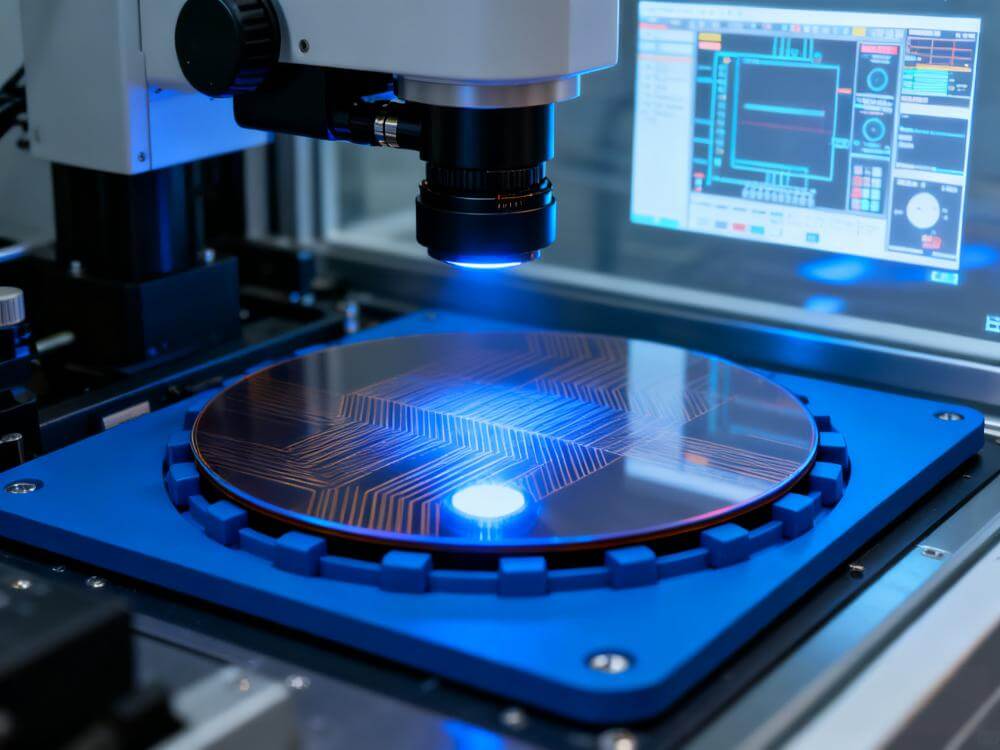
SMM: according to BusinessKorea, the Korean Trade Association (KITA) announced on September 6th that in the first seven months of 2020, South Korea imported semiconductor devices and integrated circuit manufacturing equipment from Japan totaling 1.7 billion US dollars, an increase of 77.2 percent over the same period last year. In addition, imports of processors and controllers and photosensitive semiconductor devices increased by 8.6% and 3.7%, respectively.

Although South Korea's total imports from Japan fell by about 10% in the same period compared with the same period last year, the semiconductor sector, as a pillar industry, is still heavily dependent on Japan.

South Korean media pointed out that this data is related to the large-scale investment of Samsung Electronics. The company announced in May that it would build a NAND flash memory production line in Pingze and plans to start building a "P3" fab in September, which is expected to become Samsung's largest fab in Pingze.

In addition, the new factory needs advanced equipment and manufacturing machinery, but it is difficult for local enterprises to meet the technological needs of Samsung, SK Hynix and other enterprises. At present, Samsung Electronics and many other South Korean companies still rely on Japanese semiconductor devices as high as 25.7%, almost the same as last year's 27.4%. Even if equipment from other countries is used to reduce dependence on Japan, it will not be easy to maintain the same level of efficiency.

On the other hand, South Korea's dependence on Japanese semiconductor equipment directly leads to its dependence on Japanese engineers. Usually, new equipment imported from South Korea is installed by Japanese engineers sent by suppliers, which led to the exemption of Japanese engineers from self-isolation when they entered South Korea in July. Despite violating the principle of reciprocity and risking the spread of the epidemic, the South Korean government cannot ignore companies' concerns about production disruptions.

It can be said that since Japan imposed trade controls on semiconductor materials in South Korea, the Korean government and enterprises have been working hard to improve the competitiveness of the materials, parts and equipment industries, as well as increasing support for the semiconductor and display industries. But for now, it will take time to be self-sufficient.

"Click to sign up: 2020 Tin Industry chain Trading Summit
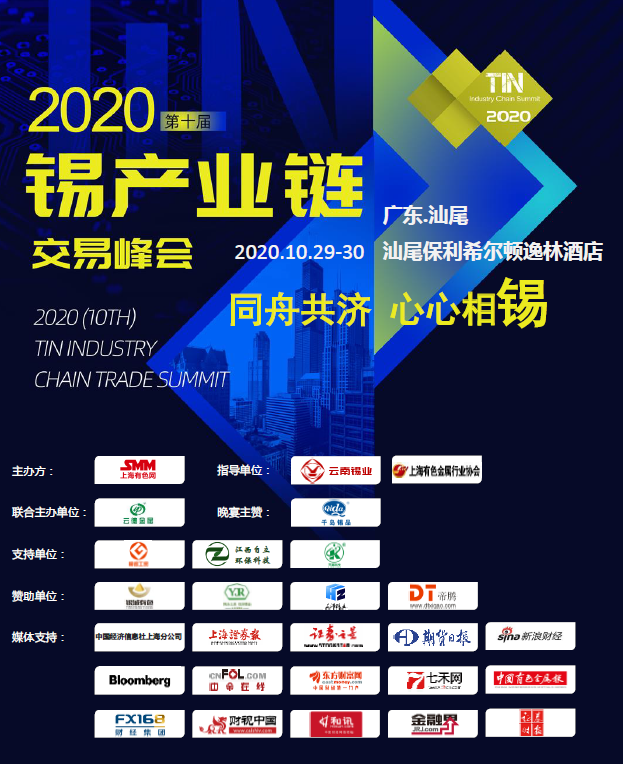
Scan the code to participate in the meeting or apply to join the SMM tin industry exchange group
Заявление об источниках данных: За исключением общедоступной информации, все остальные данные обрабатываются SMM на основе общедоступной информации, рыночного общения и с опорой на внутреннюю базу данных и модели SMM. Они приведены только для справки и не являются рекомендациями для принятия решений.

По любым вопросам или для получения дополнительной информации, пожалуйста, свяжитесь: lemonzhao@smm.cn
Для получения дополнительной информации о доступе к нашим исследовательским отчётам обращайтесь:service.en@smm.cn
Связанные новости
Данные: движение рынка SHFE, DCE (7 августа)
16 часов назад
Данные: движение рынка SHFE, DCE (7 августа)
Читать далее
Данные: движение рынка SHFE, DCE (7 августа)
В следующей таблице показано движение черных и цветных металлов на SHFE и DCE 7 августа 2026 г.
16 часов назад
Колебания доллара США доминируют в динамике фьючерсов, наиболее торгуемый фьючерс на олово SHFE консолидируется утром [Обзор SMM по олову на середину дня]
20 часов назад
Колебания доллара США доминируют в динамике фьючерсов, наиболее торгуемый фьючерс на олово SHFE консолидируется утром [Обзор SMM по олову на середину дня]
Читать далее
Колебания доллара США доминируют в динамике фьючерсов, наиболее торгуемый фьючерс на олово SHFE консолидируется утром [Обзор SMM по олову на середину дня]
[Обзор рынка олова SMM на полдень: Колебания доллара США вызывают колебания фьючерсов, наиболее торгуемый контракт на олово на SHFE консолидируется утром]
20 часов назад
[Анализ SMM] Данные по импорту и экспорту серы и серной кислоты Индонезии за июнь
21 часов назад
[Анализ SMM] Данные по импорту и экспорту серы и серной кислоты Индонезии за июнь
Читать далее
[Анализ SMM] Данные по импорту и экспорту серы и серной кислоты Индонезии за июнь
[Анализ SMM] Данные по импорту и экспорту серы и серной кислоты Индонезии за июнь
Импорт серы: 336 900 тонн, рост на 21% по сравнению с предыдущим месяцем, снижение на 26% в годовом исчислении. Основные поставщики: Канада, Саудовская Аравия, Казахстан, Малайзия, Сингапур, Тайвань (Китай), Япония, Вьетнам, Южная Корея и Филиппины. Экспорт серы: 54 800 тонн, значительный рост как в месячном, так и в годовом выражении. Основные направления: Малайзия, Китай, Восточный Тимор и Германия. Импорт серной кислоты: 111 200 тонн, рост на 101% по сравнению с предыдущим месяцем и на 150% в годовом исчислении. Основные поставщики: Южная Корея, Япония и Китай.
21 часов назад
Imports increased by nearly 80%! South Korea still relies heavily on Japanese semiconductor equipment - Shanghai Metals Market (SMM)