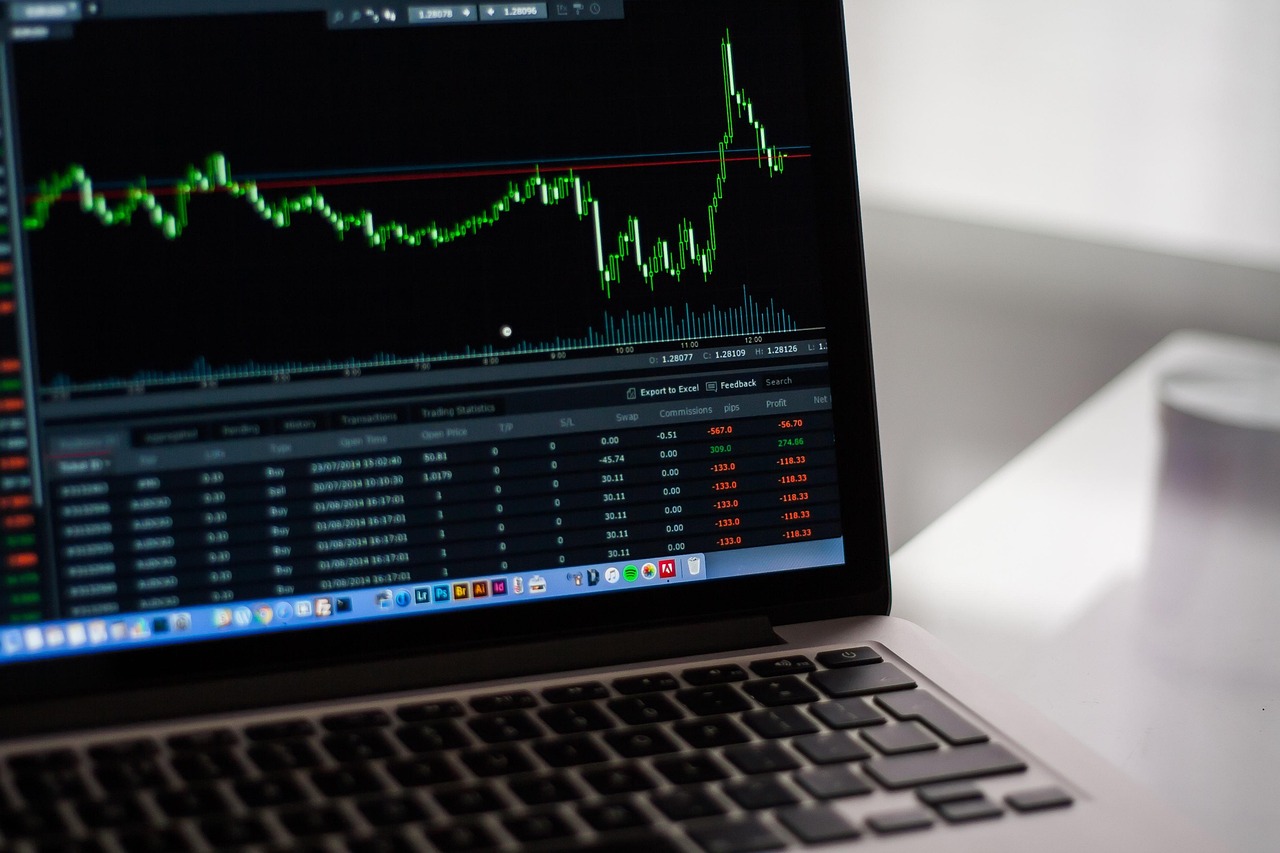
SMM: after two consecutive weeks of decline in the Fed's balance sheet, U. S. stocks began to look particularly unstable, and after a few days of sharp falls, all gains in June evaporated.
Of course, this link should not be simply judged as cause and effect, and the mainstream narrative in all types of media is that the weak market is due to fears of a renewed surge in the epidemic in the US market, and a V-shaped recovery may be a long way off. While the Fed will urgently need to expand its quantitative easing policy, to do so, the Fed needs an excuse of "market shock again" to restore aggressive balance sheet expansion, and a "resurgence of the epidemic" seems appropriate.
While the second quarter is expected to be the best for the S & P 500 and oil prices in 50 years, it is also in contrast to the first quarter. The current rally largely follows the trajectory of the "biggest bear market rally in history" (1929, 1938, 1974), but it also suggests that stocks will fall to new lows after a bear market rally.
Many analysts are trying to predict how the bear market rally will end. In March, Doug Ramsey, Leuthold Group's chief information officer, let his clients sit on the sidelines, missing the opportunity to soar market capitalization by $10 trillion.
"the rebound from the March 23 low may prove the bulls right." "it's easy to drop 20% from the June 8 high. It's easy. "
As Bloomberg pointed out, "this warning reflects the broader division of Wall Street today." Many pessimists are sceptical about the resilience of the stock market and are still waiting for a moment to prove themselves.
Just days before hitting bottom on March 23, Ramsey warned clients that it was "too early" to expect a large bear market trough in the stock market, as both stock and economic data would fall. In the past 11 recessions, on average, the stock market did not recover until a year and a half after the economy began to shrink, according to a study by the company. He hardly knows that on March 23, the Fed will abandon all strategies, even break the law, and work with the Treasury to create a special purpose vehicle that will allow it to buy corporate bonds. A similar approach will soon enable it to buy shares after the next crash.
Strategists at Barclays envisioned a scenario in which if the recession persisted, it could lead to a 50% sell-off from peak to trough. The S & P 500's biggest drop in history was 34%. Goldman had expected a second wave of selling to push the S & P 500 below 2000. Northern Trust Wealth Management points out that it usually takes about a year and a half to recover from a 20% decline. But the reality is that the s & p 500 is up 40% in 50 days, its fastest rebound in 90 years. Any attempt to follow the path of 2008 won't work.
In other words, the outlook for US stocks is very difficult to predict and seems to follow only the Fed's next move. The Fed needs to crash again to release more helicopter money and further take over the capital markets. After all, it already controls most of the bond market, where US Treasuries no longer have any signalling power; so the Fed will soon need a stock market crash to follow the BoJ and SNB to buy ETF, and eventually individual stocks, thus taking full control of the stock market. It seems that when looking to the future, one cannot think like a financial strategist, but like the Federal Reserve.
Some economists remain pessimistic and expect a decline of at least 20 per cent. However, they have abandoned their March forecast that the S & P 500 would fall below 2000 this summer. By the way, the same is true of Goldman Sachs. The S & P 500 is now expected to be around 3000 by the end of the year, while JPMorgan expects a correction due to quarter-end rebalancing. The bank will eventually raise the S & P 500 to increase its holdings and tell customers to buy. Just as the record bear market rally is coming to an end.
The "biggest bear market rally in history" still seems to be calling investors in. But one thing that will never change is that Wall Street needs more leeks if it is to prosper.

Scan the QR code and join the SMM metal communication group.