Australia's LMG Demonstration Plant Achieves Key Breakthrough, Opening New Chapter in Commercial Magnesium Extraction from Waste Residue
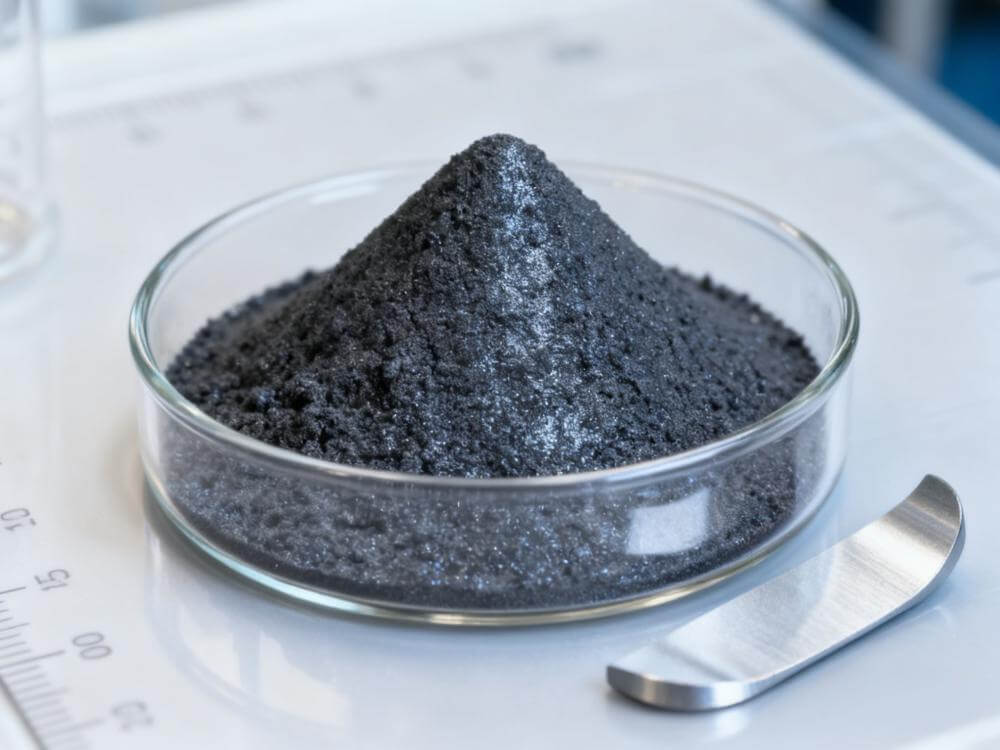
Australia's Latrobe Magnesium (LMG) officially announced on April 29 that its demonstration plant in Victoria successfully completed critical-stage testing, securing a $2 million prepayment from a key client. The project has attracted international attention for its unique "fly ash extraction technology," which extracts high-purity magnesium metal from industrial waste residue of coal-fired power plants, significantly reducing carbon emissions and production costs. The demonstration plant has produced 20 mt of high-purity magnesium oxide, marking full process integration and the project's sprint toward magnesium metal output at full speed. With the prepayment secured, LMG will further optimize its reduction system and plans to achieve the first commercial output of magnesium metal in H2 2026. This move is expected not only to ease tight supply in the global magnesium market but also to set a green benchmark for industrial waste recycling, facilitating the low-carbon transformation of the global lightweight metal supply chain.
Greenland's Malmbjerg Project Receives EU STEP Certification, Accelerating Strategic Magnesium Metal Development
Greenland Resources disclosed on April 27 that its large-scale strategic mineral project at Malmbjerg officially received the EU "Strategic Technologies for Europe Platform" (STEP) Sovereignty Seal certification. This significant certification means the project holds the highest priority in securing EU critical raw material supply, directly accelerating a recommended equity injection of €10 million. The Malmbjerg project boasts abundant reserves and includes the development of critical associated magnesium resources. Against the backdrop of the EU's efforts to reduce dependence on ex-China mineral sources, the STEP certification will provide the project with more accessible financing channels and policy support, thereby accelerating the commercial development of magnesium metal and its associated mineral species. The project's advancement will not only strengthen Europe's raw material self-sufficiency in aerospace and national defense sectors but also profoundly reshape the magnesium alloy resource trade landscape in the Atlantic region over the next decade.
Romania's Dual Projects Advance into Sibiu County, Building a Thirty-Year Long-Cycle Magnesium Shield for Europe
Romania's magnesium metal industry saw major progress in April, as domestic enterprises MPI Magnesium and Mineral Proiect Invest successively launched large-scale magnesium ore development and legal access procedures in Sibiu County. MPI officially joined the European Mining Association (Euromines) on April 22, aiming to gain greater technical support and market matching through industry collaboration. According to disclosures, the total investment in these two integrated projects is expected to exceed €300 million, covering the entire industry chain from mining and beneficiation to refining. Notably, the mining area has abundant resource reserves with an expected extraction cycle of at least 30 years, providing extremely stable long-term supply. With the support of EU strategic funding, Romania is seeking to leverage its exceptional mineral endowment to build Europe's largest domestic magnesium metal production site in Sibiu County. This long-cycle, high-investment project cluster will serve as an important "magnesium shield" for Europe's automotive industry and high-end manufacturing against supply chain fluctuations.