Currently, the global supply of primary cobalt raw materials is mainly concentrated in a few key countries or regions, with the DRC dominating. The estimated global cobalt raw material production in 2024 is about 268,000 mt, of which the DRC accounts for approximately 202,700 mt, representing 75.6% of the global total. Indonesia is the second-largest cobalt producer or region, with its production in 2024 up 79.89% YoY to 32,000 mt. According to statistics, global primary cobalt production is expected to increase from 226,000 mt in 2023 to 268,000 mt in 2024, up 18.6% YoY. The growth in cobalt raw materials in 2024 is mainly attributed to new capacity from major miners in the DRC and the commissioning of new hydrometallurgy nickel projects in Indonesia.
Refined cobalt and its compounds—cobalt sulphate, cobalt hydroxide, Co3O4, etc.—are critical materials and resources for lithium batteries. How are global mineral resources distributed, and what is the current state of mining? What are the next price trends in the Chinese market? Will trade barriers, tariffs, and geopolitical shocks choke the supply of raw materials? How should Chinese companies, lacking cobalt resources, respond?
Global Cobalt Resource Distribution and Mining Status
Current Global Cobalt Resource Distribution
· DRC, in a dominant position: About 67% of global cobalt reserves and over 70% of annual production come from the DRC, with its Mutanda and Katanga mines being core global supply sources.
· Secondary production areas include:
· Australia: Accounts for about 12%, mainly as a by-product in nickel mines (e.g., Cerro Colorado project).
· Russia: Accounts for about 10%, primarily from Norilsk Nickel.
· Indonesia/Philippines: Significant potential for cobalt as a by-product in nickel mines, with hydrometallurgy advancements likely to become a new growth driver.
· China has low reserves: Only 1.1%, but it controls about 30% of global refined cobalt capacity, heavily relying on imports.
Mining Status and Supply Chain Analysis
· DRC relies on artisanal mining: About 30%-50% of cobalt production comes from artisanal mining, which faces issues such as low efficiency, poor environmental protection, and human rights controversies.
· Dominated by top-tier enterprises:
· Glencore: Controls the Mutanda mine (halted in 2021, partially resumed in 2023) and Kamoto mine in the DRC.
· CMOC: Holds shares in the TFM copper-cobalt mine in the DRC (equity production exceeds 20,000 mt/year).
· Vale: Brazil's Samarco mine resumed partial production in 2022 after being halted due to an accident.
· Technical bottlenecks: Hydrometallurgy (SX/EW) recovery rates have improved (currently over 90%), but the DRC's underdeveloped infrastructure limits capacity release.
Current Status of the Chinese Cobalt Market
Demand-Side Drivers
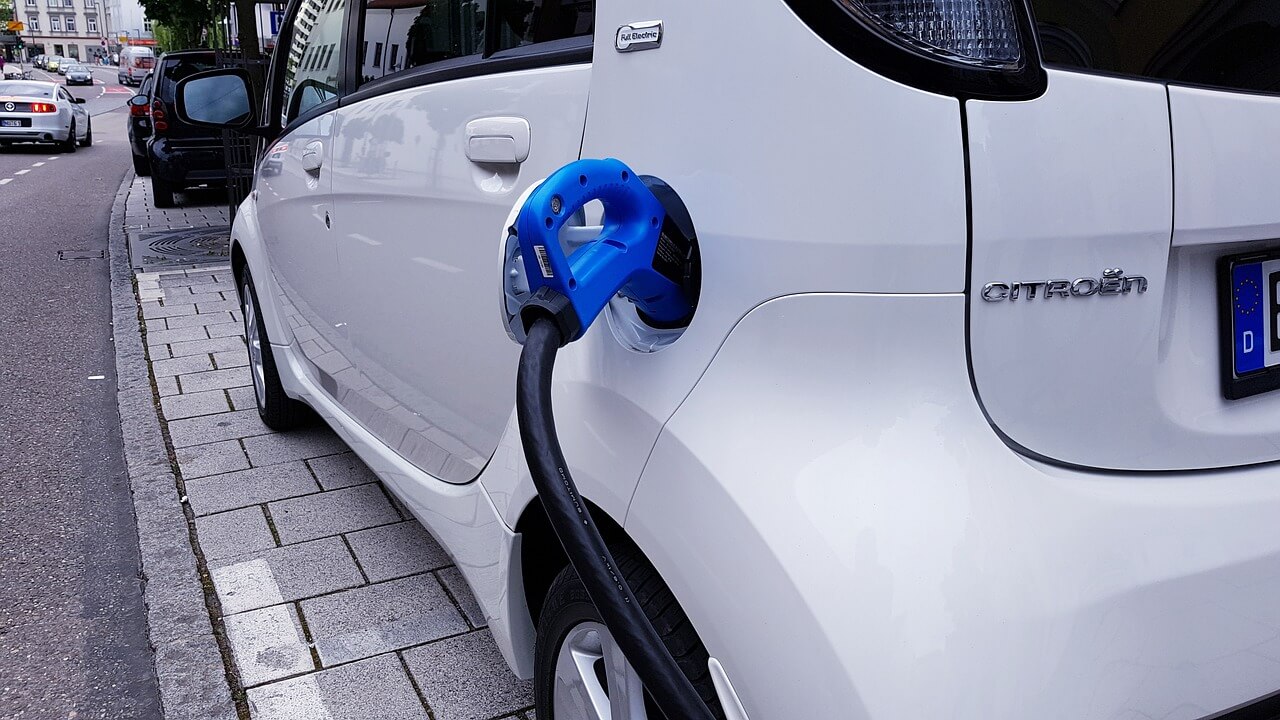
· NEV boom: China accounts for over 60% of global NEV sales, with cobalt consumption in ternary power batteries exceeding 100,000 mt in 2023 (70% of the global total).
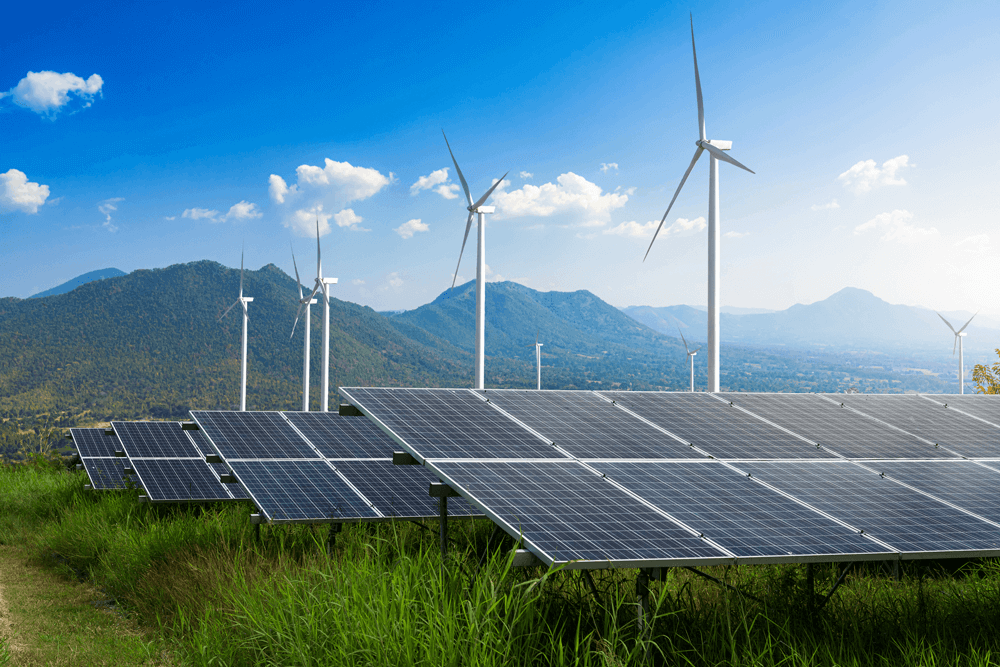
· ESS battery demand: Wind and solar power generation paired with ESS boosts cobalt demand, with global ESS cobalt demand expected to reach 15% by 2025.
· Hard alloys and superalloys: Industrial demand accounts for about 20%, but growth is slower than in the new energy sector.
Supply-Side Challenges
· High import dependency: In 2023, China's cobalt raw material import dependency reached 98%, with the DRC accounting for over 85%. Imports are expected to grow significantly in 2024, mainly due to the DRC's substantial increase in copper production, with cobalt as a by-product, leading to a surge in cobalt intermediate product supply. The DRC's exports to China are expected to increase by 245,000 mt in 2024, with the import share rising to 98.5%.
· Limited domestic capacity: Top-tier enterprises like Huayou Cobalt, Hanrui Cobalt, Tengyuan Cobalt, and Sinomine Resource Group are accelerating overseas expansion (e.g., Indonesian nickel-cobalt projects), but the import-dominated pattern is unlikely to change before 2025.
· Recycling technology breakthroughs: Power battery recycling rates are improving (currently about 30%-40%), with recycled cobalt expected to meet 15% of domestic market demand by 2030.
Cobalt Market Price Trend Analysis
· Short-term (2024-2025):
· Upward pressure: Global EV demand exceeding expectations (global sales expected to surpass 15 million units in 2024), and policy uncertainties in the DRC (e.g., adjustments to cobalt export taxes).
· Downward risks: Large-scale output from Indonesian nickel-cobalt mines (e.g., Tsingshan Group's Goulamina project) and lithium price declines affecting the cobalt market.
· Price range: Cobalt prices in 2024 are expected to fluctuate between $25,000-35,000/mt (LME spot).
· Long-term (2026-2030):
· Supply-demand balance: Capacity expansion by top-tier mines (e.g., CMOC's TFM Phase II, Glencore's Kamoya copper-cobalt mine) and the release of recycling capacity may suppress prices.
· Geopolitical premium: Risks of regime changes in the DRC and stricter cobalt supply chain scrutiny by Western countries may drive up costs.
Summary and Outlook
The DRC remains the lifeline of global cobalt, but its political stability and policy transparency are key risk factors.
China is gradually reducing external dependency through overseas acquisitions and technological upgrades (e.g., hydrometallurgy, recycling), but it is unlikely to escape an import-dominated pattern in the short term.
The long-term bullish logic for cobalt prices is weakening, but the explosive growth phase of the new energy industry (2025-2030) may lead to periodic supply-demand mismatches. Attention should be paid to infrastructure progress in Africa and the impact of alternative materials (e.g., LFP, lithium-rich manganese-based) on cobalt demand.
We will further monitor the progress of overseas projects by top-tier enterprises such as CMOC, Huayou Cobalt, and Sinomine Resource Group, as well as GEM's layout in the battery recycling sector.