China’s critical minerals ban: A new front in USA-China trade conflict

Publicado: Dec 5, 2024 10:57
Three critical minerals - gallium, germanium, and antimony - have been banned from being exported to the United States by China in an escalation of trade tensions. The decision, unveiled on December 3, 2024, comes just a day after Washington imposed new restrictions targeting China’s semiconductor sector, signalling an intensifying rivalry between the world’s two largest economies.
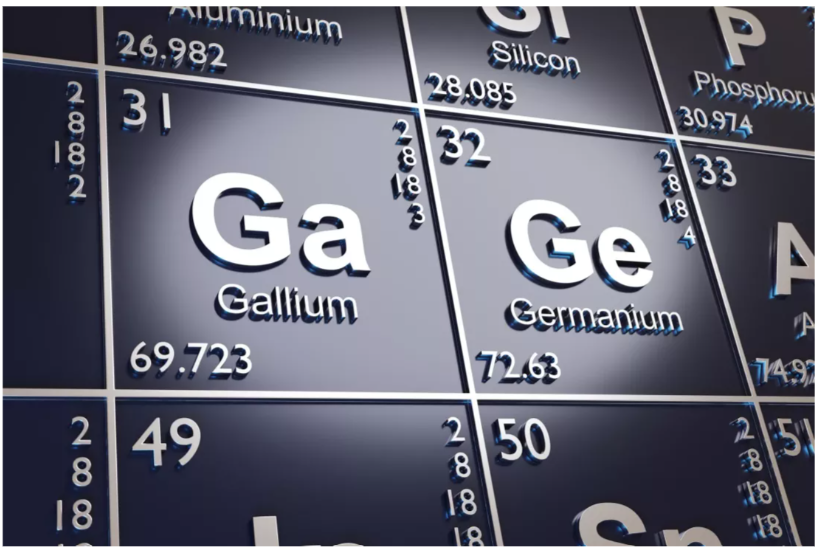
Three critical minerals - gallium, germanium, and antimony - have been banned from being exported to the United States by China in an escalation of trade tensions. The decision, unveiled on December 3, 2024, comes just a day after Washington imposed new restrictions targeting China’s semiconductor sector, signalling an intensifying rivalry between the world’s two largest economies.

China’s critical minerals ban: A new front in USA-China trade conflict

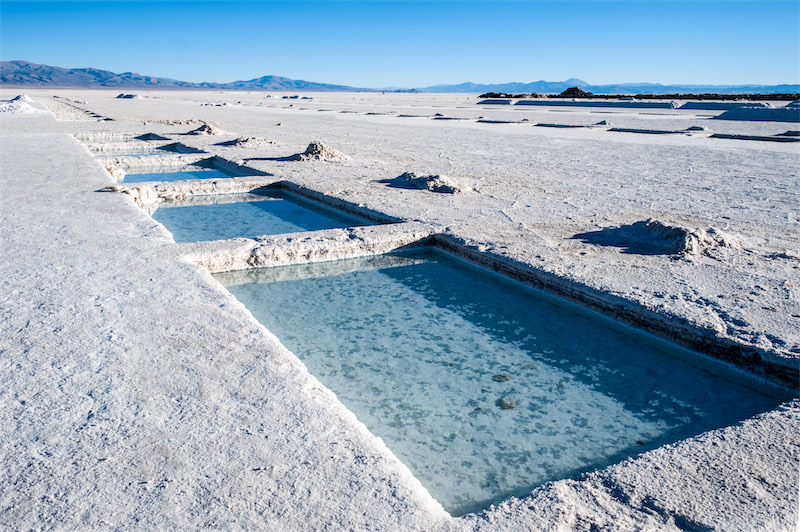
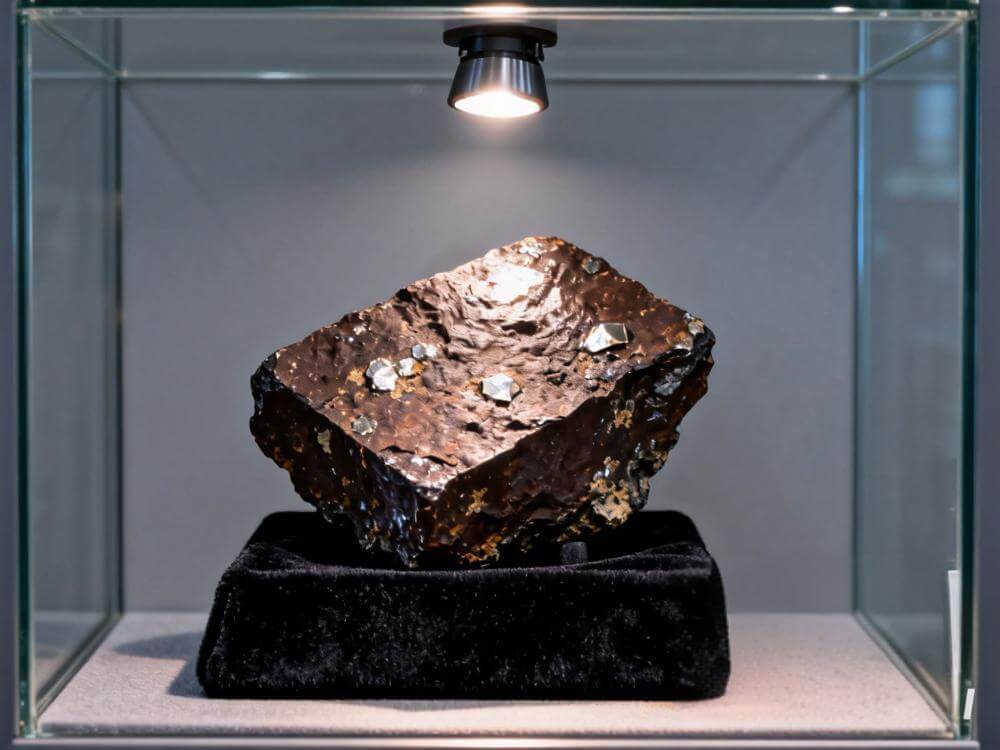
Gallium is primarily sourced as a byproduct of mining and refining other metals, especially bauxite, although some gallium is also derived from the processing of sphalerite ore for zinc. Germanium largely occurs as a geochemical substitute in various sulfide minerals, primarily in the mineral sphalerite (ZnS), with minor inclusion in silicate minerals. Stibnite (Sb2S3) is the predominant ore mineral of antimony. The most important use of antimony metal is as a hardener in lead for storage batteries.

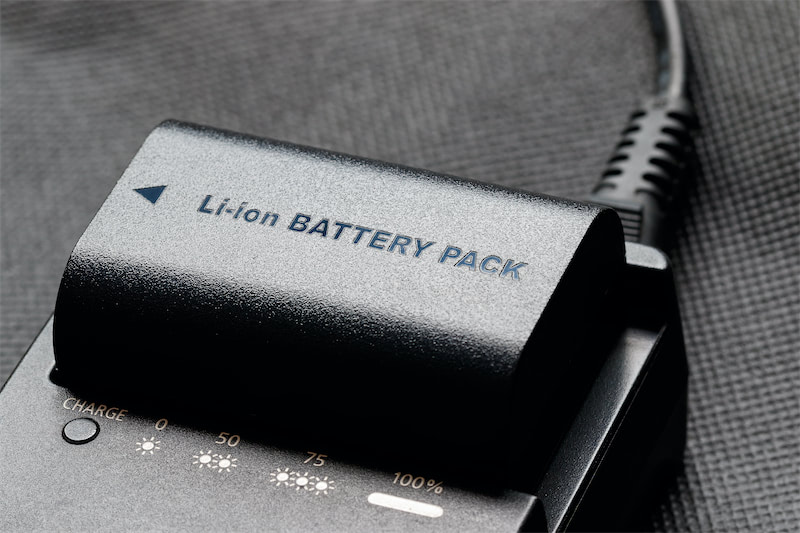
Gallium and germanium play a crucial role in semiconductor manufacturing, with germanium also being essential for infrared technology, fibre optic cables, and solar cells. Meanwhile, antimony is a key component in ammunition and weaponry, while graphite, due to its high energy density and conductivity, constitutes the largest volume component in electric vehicle batteries.

The Chinese Ministry of Commerce cited national security concerns as the primary reason for the ban, underscoring the dual-use nature of these minerals, which have both military and civilian applications. Gallium, germanium, and antimony are essential in advanced technologies, including military equipment, communications, and renewable energy, making the move a strategic blow to U.S. industries reliant on these imports.

The ministry stated, “In principle, the export of gallium, germanium, antimony and superhard materials to the United States shall not be permitted.”

This latest directive builds upon export restrictions introduced last year but narrows its focus exclusively to the U.S. market. In addition to the mineral export ban, Beijing has also mandated stricter oversight on the export of graphite items to the U.S., further tightening controls over resources crucial to high-tech manufacturing.

The timing of the announcement is notable, coming just weeks before U.S. President-elect Donald Trump is set to take office, potentially setting the stage for heightened trade tensions early in his administration. Analysts suggest this move could provoke a strong response from Washington, deepening the economic standoff and raising concerns about the future of U.S.-China trade relations.

As both nations vie for technological supremacy, this latest development highlights the growing strategic importance of critical minerals in global geopolitics and the potential ripple effects on global supply chains.

The move has raised fresh concerns that China might next target other critical minerals, particularly those with broader applications, such as nickel and cobalt.

China's announcement follows Washington's latest crackdown on its semiconductor industry—the third in three years—imposing export restrictions on 140 companies as of December 2, 2024.

Escalating retaliation

On December 3, 2024, multiple Chinese industry groups urged their members to prioritise purchasing domestically produced semiconductors, with one group claiming that U.S. chips are no longer safe or reliable. This recommendation could impact major U.S. chipmakers who, despite facing export restrictions, have continued to sell products in the Chinese market.

Peter Arkell, Chairman of the Global Mining Association of China, said, “It comes as no surprise that China has responded to the increasing restrictions by American authorities, current and imminent, with its own restrictions on the supply of these strategic minerals.”

“It’s a trade war that has no winners.”
Source: https://www.alcircle.com/news/chinas-critical-minerals-ban-a-new-front-in-usa-china-trade-conflict-112719

Declaração sobre a Fonte de Dados: Com exceção das informações publicamente disponíveis, todos os demais dados são processados pela SMM com base em informações publicamente disponíveis, comunicação de mercado e com base no modelo de base de dados interna da SMM. São apenas para referência e não constituem recomendações para a tomada de decisão.

Para quaisquer perguntas ou para obter mais informações, entre em contato: lemonzhao@smm.cn
Para mais informações sobre como aceder aos nossos relatórios de investigação, entre em contato:service.en@smm.cn
Notícias Relacionadas
Guangdong Hongtu investe US$ 274 milhões em subsidiária de fundição sob pressão de liga de magnésio para leveza automotiva
há 21 minutos
Guangdong Hongtu investe US$ 274 milhões em subsidiária de fundição sob pressão de liga de magnésio para leveza automotiva
Leia mais
Guangdong Hongtu investe US$ 274 milhões em subsidiária de fundição sob pressão de liga de magnésio para leveza automotiva
【SMM Magnésio em Foco】Recentemente, a Guangdong Hongtu Technology Co., Ltd. anunciou a intenção de investir 274 milhões de yuans para estabelecer uma subsidiária integral, Guangdong Hongmei New Material Technology Co., Ltd., no distrito de Gaoyao, cidade de Zhaoqing, para conduzir negócios de fundição sob pressão de ligas de magnésio. A nova empresa se concentrará no desenvolvimento de novos materiais de liga de magnésio, pesquisa e desenvolvimento de tecnologia de moldagem e fabricação de produtos, formando sinergias e complementaridades com o sistema de produtos existente da empresa. O objetivo é melhorar a estrutura de produtos e cultivar novos pontos de crescimento de lucro no campo da moldagem de precisão. Com a implementação gradual da capacidade de produção de fundição sob pressão de ligas de magnésio, espera-se que a Guangdong Hongtu acelere a expansão das aplicações de ligas de magnésio em áreas como o alívio de peso de automóveis.
há 21 minutos
[SMM Chromium Flash] South Africa's July Chrome Ore Exports Hit 2026 High of 2.65 Mt as Buyer Base Broadens
há 41 minutos
[SMM Chromium Flash] South Africa's July Chrome Ore Exports Hit 2026 High of 2.65 Mt as Buyer Base Broadens
Leia mais
[SMM Chromium Flash] South Africa's July Chrome Ore Exports Hit 2026 High of 2.65 Mt as Buyer Base Broadens
[SMM Chromium Flash] South Africa's July Chrome Ore Exports Hit 2026 High of 2.65 Mt as Buyer Base Broadens
South Africa's chrome ore exports rose to approximately 2.65 million tonnes in July 2026, up 10.3% month-on-month from June's 2.40 million tonnes and the highest monthly total recorded so far this year, surpassing April's previous high. China remained the dominant destination at 1.784 million tonnes, though its share of total exports eased slightly from 67.6% to 67.3% as growth broadened across smaller buyers. The clearest shift came among secondary destinations: Indonesia's imports nearly doubled month-on-month to 150,000 tonnes, overtaking the UAE, whose volumes fell 38.3% to 116,100 tonnes. Indonesia's gain tracks its expanding domestic ferrochrome and stainless steel capacity, while the UAE's decline is consistent with its role as a re-export trading hub rather than an end-use market. South Africa's proposed ITAC export-permit system and export tax remain unimplemented as of July.
há 41 minutos
Mina de Lítio de Gwanda Investe US$ 5 Milhões em Beneficiamento de Tântalo-Nióbio
há 1 hora
Mina de Lítio de Gwanda Investe US$ 5 Milhões em Beneficiamento de Tântalo-Nióbio
Leia mais
Mina de Lítio de Gwanda Investe US$ 5 Milhões em Beneficiamento de Tântalo-Nióbio
[SMM Flash] A Mina de Lítio de Gwanda, no Zimbábue, investiu US$ 5 milhões em uma planta de beneficiamento de tântalo e nióbio projetada para recuperar lítio, tântalo e nióbio do mesmo fluxo de minério. Segundo a empresa, o novo circuito de processamento deverá produzir aproximadamente 300 toneladas de concentrado de tantalita e nióbio por ano, criando uma fonte adicional de receita mineral a partir de material que antes tinha beneficiamento local limitado. O investimento está alinhado com a estratégia mais ampla do Zimbábue de aumentar o processamento mineral doméstico e reduzir a dependência de exportações de produtos minerais não processados. Para o mercado de tântalo, o desenvolvimento é notável porque pode introduzir material africano adicional contendo tântalo beneficiado na cadeia de suprimentos, ao mesmo tempo que demonstra o potencial de recuperação de tântalo como coproduto de operações de lítio. O impacto real no mercado dependerá da produção efetiva, dos teores do concentrado e das vendas comerciais assim que o circuito de processamento operar em escala.
há 1 hora
China’s critical minerals ban: A new front in USA-China trade conflict - Shanghai Metals Market (SMM)