Overview of Ferrous Metals and Their Pricing Dynamics
Introduction to Ferrous Metals
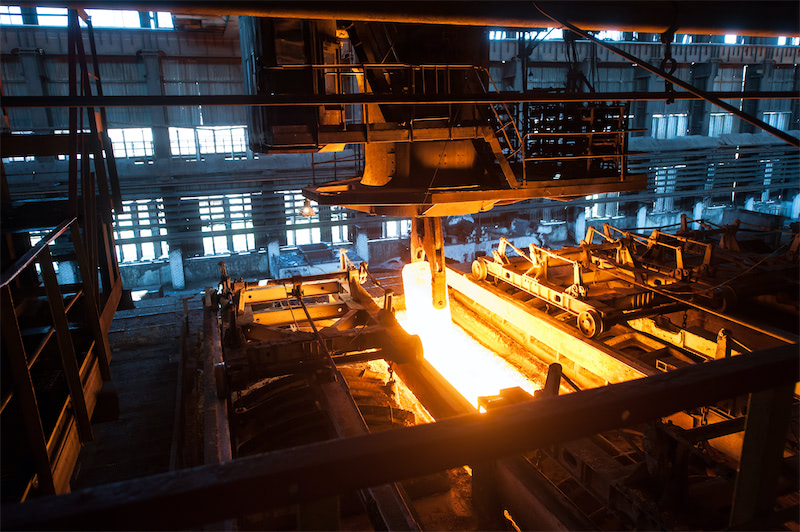
Ferrous metals are primarily composed of iron and are crucial to various industries, especially the steel sector. These metals include iron ore, pig iron, and scrap steel, all of which play a significant role in the production of steel. The pricing of ferrous metals is vital for manufacturers, as it directly affects the cost and competitiveness of steel production. Understanding the dynamics of ferrous metals pricing is essential for industry stakeholders, including investors, suppliers, and end-users.
Key Factors Influencing Ferrous Metals Pricing
Several factors influence the pricing of ferrous metals, including supply and demand dynamics, production costs, global trade policies, and economic indicators. The availability of iron ore and scrap plays a significant role as fluctuations in these resources can lead to price volatility. Additionally, changes in global economic conditions, such as industrial activity and manufacturing output, directly impact demand for ferrous metals, thereby affecting pricing. Furthermore, geopolitical factors such as tariffs and trade agreements can disrupt supply chains and create uncertainties in the market.
Trends in Global Ferrous Metal Markets
Recent trends in the global ferrous metals market indicate increasing demand from emerging economies, particularly in Asia. Countries like China and India, with rapidly growing industrial sectors, contribute significantly to the upward pressure on metal prices. Additionally, sustainability concerns and advancements in recycling techniques have led to a growing interest in scrap metal, influencing market dynamics. The increased focus on reducing carbon emissions is also shaping the ferrous metal industry as companies look to innovate and adapt to changing regulations.
Shanghai Metals Market (SMM) and Its Role in Pricing
Overview of Shanghai Metals Market (SMM)
Shanghai Metals Market (SMM) is a leading platform that provides comprehensive pricing data for various metal products, including ferrous metals. It is renowned for its robust analytics, expert insights, and real-time updates that cater to industry professionals. SMM plays a critical role in shaping market perceptions by offering timely information about pricing trends, market forecasts, and analyses that help stakeholders navigate the volatile metals landscape.
How SMM's Data Impacts Ferrous Metal Pricing
The data generated by SMM is pivotal for pricing decisions within the ferrous metals market. Industry players rely on SMM's extensive datasets and price indexes to benchmark their pricing strategies and assess market conditions. SMM's influence extends beyond national borders, as its pricing information is referenced by international traders, affecting global demand and supply dynamics. This reliance on SMM's data emphasizes the importance of accurate and timely market information in making informed decisions in the steel industry.
Comparing SMM Prices with Global Benchmarks
SMM pricing is often compared with global benchmarks to validate its credibility and relevance in the ferrous metals market. This comparison helps stakeholders assess regional pricing competitiveness and market conditions. By aligning SMM prices with widely recognized standards, industry participants can make educated decisions regarding procurement, inventory management, and sales strategies. The interplay between SMM and international price benchmarks allows for more transparent pricing mechanisms within the steel industry.
Direct Impacts on the Steel Industry
Cost Structure and Profit Margins
The pricing dynamics of ferrous metals have a direct influence on the cost structure and profit margins of steel manufacturers. As raw material costs fluctuate, steel producers must adjust their pricing strategies to maintain profitability. When ferrous metal prices rise, manufacturers often face increased operational costs, which can squeeze profit margins if not managed effectively. Thus, understanding these pricing dynamics enables companies to enhance their competitiveness while navigating fluctuations in input costs.
Supply Chain Considerations
In the steel industry, supply chain considerations are intricately linked to ferrous metals pricing. Fluctuations in the availability and cost of ferrous metals can necessitate shifts in procurement strategies and sourcing practices. A consistently high price of ferrous metals can lead steel manufacturers to seek alternative materials or optimize recycling efforts. Additionally, it affects logistics, as transportation costs and lead times can alter business operations and influence supply chain reliability.
Pricing Strategies in the Steel Industry
To mitigate the impacts of volatile ferrous metals pricing, steel manufacturers adopt various pricing strategies. These strategies may include forward purchasing agreements, dynamic pricing mechanisms, and strategic inventory management practices. By leveraging these approaches, companies can better align their pricing models with the current market landscape. Strategic pricing also helps organizations formulate responses to sudden price changes, thereby maintaining stability and competitiveness in the steel industry.
Strategic Responses to Ferrous Metal Price Fluctuations
Hedging and Risk Management Techniques
Hedging and risk management are essential strategies that steel manufacturers employ to navigate the uncertainty associated with ferrous metal pricing fluctuations. By utilizing financial instruments, such as futures contracts and options, manufacturers can lock in prices for ferrous metals, thereby shielding themselves from adverse market movements. Such risk management techniques are crucial for cash flow stability, allowing companies to plan their procurement and production expenses more effectively. Moreover, it can also enhance fiscal strategies, making it possible for steel producers to strategically forecast and manage their financial resources amid volatile market conditions.
Futures Contracts and Options
Futures contracts represent agreements to purchase ferrous metals at predetermined prices on specified future dates. This strategy is particularly advantageous for steel producers as it provides visibility over costs and helps mitigate risks associated with price hikes post-contract signing. Options, on the other hand, grant the holders the right, but not the obligation, to buy or sell ferrous metals at a specified strike price on or before a certain date. By incorporating both futures contracts and options into their risk management frameworks, steel manufacturers can create a layered hedge that secures their financial interests against market volatility.
Diversification of Supply Sources
Another key response to price fluctuations is the diversification of supply sources for ferrous metals. Relying on a single supplier or a limited set of suppliers can expose steel manufacturers to significant risks if those suppliers experience production constraints or price hikes. By broadening their vendor base, companies can take advantage of competitive pricing, negotiate better terms, and reduce their exposure to geopolitical risks that may impact specific sourcing regions. A diversified supply chain not only enhances the resilience of steel manufacturers but also fosters strategic partnerships that can lead to long-term cost efficiencies.
Technological Innovations for Cost Reduction
In the face of fluctuating ferrous metal prices, technological innovations play a critical role in helping steel manufacturers reduce costs and maintain their competitive edge. Advances in recycling techniques and efficiency improvements in production processes are two of the main areas where technology can lead to significant savings. By embracing these innovations, steel producers can enhance their operational capabilities, thereby mitigating the impact of rising raw material costs while contributing to sustainability goals.
Advances in Recycling Techniques
Recycling has emerged as a vital resource for steel manufacturers, particularly as the industry faces pressure to adopt more sustainable practices. Innovations in recycling techniques have led to improved recovery rates of scrap metal and enhanced processing methods that reduce energy consumption. These developments not only lower the reliance on virgin ferrous materials but also contribute to reduced operational costs over time. By optimizing recycling processes, steel manufacturers can effectively integrate scrap into their production lines, thus diminishing their exposure to volatile ferrous metals pricing.
Efficiency Improvements in Production Processes
Efficiency improvements in production processes are another critical area where technological advancements can help mitigate cost pressures stemming from ferrous metals pricing. Steel manufacturers are increasingly adopting advanced manufacturing technologies, such as automation, to streamline operations and reduce waste. Incorporating smart factory solutions and data analytics enables real-time monitoring of production functions, leading to increased efficiency and cost savings. By investing in these technological enhancements, steel producers not only improve their bottom line but also become more competitive within the increasingly challenging steel market.
Future Outlook for Both Ferrous Metals and Steel Industry
Emerging Markets and Demand Projections
Emerging markets will continue to be a significant driver of demand for ferrous metals and, consequently, the steel industry. Forecasts indicate that regions like Asia, particularly India and Southeast Asia, will see heightened infrastructural development and construction activities, significantly increasing the steel demand. New urbanization initiatives and government-led projects are expected to further fuel the consumption of ferrous metals, potentially leading to price volatility in the future. As such, steel manufacturers must strategically assess these market opportunities while remaining cautious about the fluctuating nature of ferrous metals pricing.
Potential Regulatory Changes and Their Effects
Possible regulatory changes could substantially influence both ferrous metals pricing and the steel industry landscape. Governments worldwide are increasingly focusing on environmental regulations aimed at reducing carbon emissions, which can impact how steel manufacturers source their ferrous materials. Such regulations may lead industries to seek out more sustainable ferrous metal sources, resulting in shifts in demand patterns and market dynamics. Companies that proactively adapt to meet these regulatory standards while ensuring their pricing strategies are aligned will likely enjoy competitive advantages in the evolving market.
Evolution of Trade Policies and Tariffs
Changes in trade policies and tariffs also play a crucial role in shaping the ferrous metals and steel industries. Manufacturers must stay attuned to policy modifications, as tariffs can directly affect the cost of imported raw materials, leading to price fluctuations within the domestic market. For instance, rising tariffs may encourage local production but could also inflate costs for steel producers, thereby affecting pricing strategies. As the geopolitical landscape evolves, steel manufacturers need to be agile in their responses to trade policies to safeguard their profitability while navigating potential market volatility.
Closing Remarks on Strategic Approaches for Industry Stability
In summary, the strategic implications of ferrous metals pricing for the steel industry are profound. Steel manufacturers who adopt comprehensive hedging and risk management techniques, invest in technological innovations, and respond adeptly to emerging market trends and regulatory changes are better positioned to maintain industry stability. As the dynamics of ferrous metals pricing continue to evolve, a proactive approach will be essential for steel producers to remain competitive and sustainable. Harnessing data and analytics from platforms like the Shanghai Metals Market will also be crucial in making informed decisions that align with market demands. Thus, the future of the steel industry relies heavily on strategic foresight and adaptability in these ever-changing market conditions.