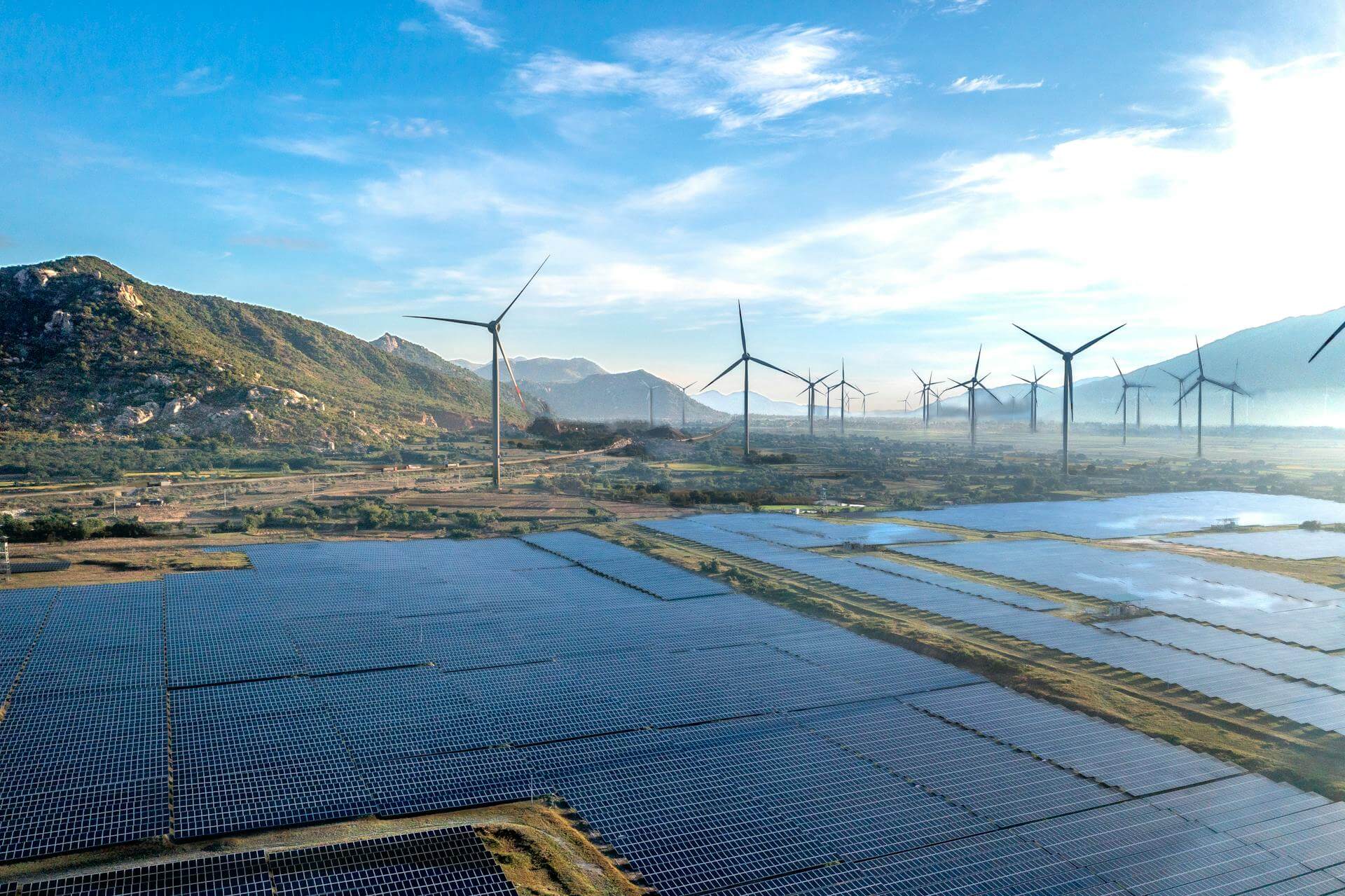
The rising need, for energy has propelled technology to the forefront of the energy industry. With solar power emerging as a player in the energy landscape it is essential for stakeholders to grasp the intricacies of its cost dynamics. The correlation between expenses and energy rates is intricate and diverse influencing investment choices, energy policies and market trends in regions. This piece delves into how photovoltaic costs impact energy price patterns with a focus on advancements cost determinants and the broader ramifications, for energy markets worldwide.
Overview of Photovoltaic Technology and its Cost Dynamics
Evolution of Photovoltaic Technology
The progress of technology has seen improvements since its early days. Initial solar cells were not very efficient or cost effective restricting their use.. Over time advancements, in research have boosted the effectiveness of cells making them more affordable and widely used. The emergence of film technologies and bifacial panels has added variety to the market increasing energy output and availability. This ongoing evolution has made solar energy a viable competitor to energy sources.
Factors Influencing Photovoltaic Costs
Technological Advancements
Technological progress plays a role, in shaping the expenses associated with photovoltaic systems. Advances in manufacturing techniques, including automated production processes and innovative design strategies have led to cost reductions and improved effectiveness. Additionally the introduction of materials such, as perovskite and organic photovoltaics is set to revolutionize the market by providing economical and efficient alternatives. These developments not make solar technology more accessible but also encourage the use of renewable energy sources.
Economies of Scale
The importance of economies of scale, in lowering the expenses of power systems cannot be overstated. As production quantities rise manufacturers are able to cut down on costs per unit by optimizing their resource utilization and operational processes. This phenomenon is especially noticeable in nations, with energy programs, where the mass production of solar panels has resulted in notable price drops. Consequently the decreasing costs of photovoltaic systems significantly influence market trends and energy pricing approaches.
Impact of Photovoltaic Costs on Global Energy Prices
Correlation Between Photovoltaic Costs and Energy Prices
The connection, between the expenses of power and energy rates can be seen in patterns and present market conditions. When the price of energy goes down its appeal compared to fuels gets better causing changes, in how energy costs are set. In areas where solar power usage has gone up energy rates have stayed steady or even dropped making conventional energy suppliers adjust their pricing tactics. Essentially the declining cost of solar generated power puts pressure on energy prices, impacting market trends.
Historical Trends in Energy Pricing
Historically, the relationship between photovoltaic costs and energy pricing has reflected significant shifts in the energy sector. Over the past decade, as photovoltaic prices have plummeted, renewable energy has gained a more substantial share of the global energy mix. This shift has not only changed the pricing landscape but has also increased competition among energy sources. The historical data demonstrates a clear trend: as solar prices continue to fall, energy prices respond accordingly, emphasizing the importance of solar cost dynamics in shaping energy price trends.
Predictive Models and Future Projections
Predictive models indicate that the trend of falling photovoltaic costs will likely persist, leading to continued shifts in energy pricing. Experts are forecasting further decreases in solar technology costs due to ongoing research, increased production efficiency, and favorable policies supporting clean energy adoption. These projections suggest that as photovoltaic systems become more accessible, energy pricing will trend toward lower rates, particularly in markets that prioritize renewable energy investments. Such predictions underscore the transformative potential of photovoltaic technology on the energy price landscape.
Regional Variations in Photovoltaic Cost Impacts
Comparison between Developed and Developing Markets
The impact of photovoltaic costs on energy prices is not uniform across regions; there are marked differences between developed and developing markets. Developed countries, with established infrastructure and supportive policies, have seen a rapid integration of solar energy. In these regions, the decreasing costs of photovoltaic technology have often led to lower energy prices and greater investment in renewable resources. Conversely, developing markets, while benefiting from reduced costs, face challenges such as political instability, infrastructure limitations, and financing barriers that can hinder the full realization of photovoltaic potential. These regional disparities highlight the need for tailored approaches to energy policy and investment strategies.
Photovoltaic Integration in the Broader Energy Sector
Adoption in Traditional Energy Markets
Co-existence with Fossil Fuels
The integration of photovoltaic technology within traditional energy markets has led to a nuanced co-existence with fossil fuels. As solar energy becomes more prevalent, traditional energy providers are re-evaluating their strategies, often integrating renewable sources into their portfolios to remain competitive. This transition reflects a growing recognition of the need for a diversified energy mix that can respond to fluctuating market demands. The co-existence of solar and fossil fuels signifies a paradigm shift, where the two energy sources must navigate market dynamics and evolving consumer preferences.
Response from Established Energy Providers
Established energy providers have had varied responses to the advent of photovoltaic technology and the subsequent changes in energy prices. Some companies have embraced renewable energy adoption, investing in solar projects and innovative technologies to enhance their offerings. Others may resist such changes, adhering to traditional energy production models. This dichotomy presents an interesting dynamic within the energy sector, as companies that adapt to the growing influence of solar sources often find new avenues for growth and profitability, validating the importance of photovoltaic costs in shaping market strategies.
Influence on Renewable Energy Policies
Government Incentives and Subsidies
Government policies play a crucial role in the evolution of photovoltaic technology and its associated costs. Many countries have introduced incentives and subsidies to encourage the deployment of solar energy systems, effectively lowering the costs associated with photovoltaic installations. These policies can range from tax credits to feed-in tariffs, creating an appealing environment for investment in renewable energy. As government support continues to evolve, it will likely further influence the relationship between photovoltaic costs and energy prices, embedding solar technologies into national energy strategies.
International Agreements and Collaborations
International agreements and collaborations significantly impact the role of photovoltaic technology within global energy markets. Collectively, nations are recognizing the importance of renewable energy in combating climate change, leading to commitments to increase renewable capacity, including solar power. Such agreements often drive financial backing, technology transfer, and research initiatives focused on reducing costs and improving efficiency. As countries work together towards shared energy goals, the influence of photovoltaic costs on energy pricing will only become more pronounced.
Challenges and Opportunities Ahead
Barriers to Reducing Photovoltaic Costs Further
Material Availability
The availability of key materials used in photovoltaic technologies poses a significant barrier to reducing costs further. For instance, silicon, the primary material in traditional solar cells, faces fluctuating prices and supply constraints, which can drive up production costs. Additionally, alternative materials like gallium and indium are limited in supply, necessitating additional investment in sourcing and recycling. Ensuring a stable supply chain is crucial not only for manufacturing efficiency but also for achieving cost-effective deployment of solar technologies on a larger scale.
Production Bottlenecks
Production bottlenecks in the manufacturing of photovoltaic cells can impede cost reduction efforts. Facilities that are unable to scale up production efficiently may struggle to meet the growing demand for solar energy solutions, leading to higher prices. Moreover, the complexity and time involved in transitioning to advanced manufacturing processes can further complicate cost mitigation strategies. Addressing these bottlenecks requires significant capital investment and operational improvements within the industry, emphasizing the need for strategic planning among market players.
Strategic Opportunities for Market Players
Investment in R&D
Investment in research and development (R&D) offers a strategic opportunity for market players to drive down photovoltaic costs. By fostering innovation, companies can develop new materials and technologies that enhance the efficiency of solar panels, subsequently lowering production costs. Moreover, R&D initiatives can lead to breakthroughs in energy storage solutions, ensuring that solar energy can be utilized more effectively in the energy grid. This approach not only focuses on cost reduction but also enhances competitive advantage in the growing renewable energy market.
Expansion into Emerging Markets
The expansion into emerging markets presents another significant opportunity for stakeholders in the photovoltaic sector. Regions with increased solar irradiance and an ongoing push for sustainable energy solutions are ripe for the introduction of photovoltaic technologies. By capitalizing on favorable market conditions and government incentives in these areas, companies can establish a foothold in rapidly growing economies. Additionally, investments in localized manufacturing and supply chains can minimize costs and enhance access to affordable energy solutions in these markets.
Perspectives from Industry Experts
Insights from Leading Industry Analysts
Leading experts, in the industry emphasize the impact of decreasing costs on the energy sector. It is widely believed that as solar technology advances costs will drop, leading to changes in how global energy's produced. Analysts point out that incorporating power into energy grids is now a crucial aspect of energy planning highlighting the critical role cost plays in shaping future energy trends. Additionally they suggest that geopolitical factors and government policies will play a role, in influencing these developments underscoring the importance of vigilance and adaptable strategies.
Predictions for Future Market Developments
In the coming years we can expect progress, in technology that will make it more affordable and eco friendly. Experts believe that new solar innovations like panels and improved energy storage solutions will change how energy costs are determined. They also foresee a future where solar power harmonizes with sources resulting in cheaper energy options for consumers. With these advancements and market shifts we are poised to see growth, in the energy industry.
Brand Highlight: Introduction to Metal.com
Brief History and Vision of Metal.com
Metal.com has positioned itself as a player, in the field of energy focusing on offering sustainable material solutions. Established during a time when the environmental impact of energy usage was gaining attention the company aims to transform material supply chains to be more effective and environmentally friendly. With a goal of supporting the shift towards energy Metal.com is dedicated to developing processes that improve the availability of materials for photovoltaic technology. This commitment is in line, with efforts to lower expenses and enhance the accessibility of energy technologies.
Role of Metal.com in the Renewable Energy Sector
In the field of energy Metal.com plays a role, in ensuring the availability of top notch materials necessary for solar power systems. By forming partnerships and investing in practices the company strives to overcome material shortages that could impede the progress of solar technology. Moreover Metal.com is actively engaged in promoting research endeavors aimed at discovering materials that can lessen dependence on resources. Through its emphasis, on sustainability and innovation Metal.com not helps reduce the costs of power but also supports broader objectives related to transitioning to cleaner energy and protecting the environment.
![Taxas de operação de molduras fotovoltaicas estáveis, expectativas enfraquecendo; a redução de estoques de lingotes de alumínio acelera, centro de preços do alumínio sobe [Análise SMM]](https://imgqn.smm.cn/usercenter/chMqV20251217171743.jpg)
![[SMM PV Flash]](https://imgqn.smm.cn/usercenter/xAoMy20251217171743.jpg)
![[SMM Notícias FV] Projeto FV de 100 MW da Huaneng em Shenmu, Shaanxi, alcança conexão à rede em plena capacidade](https://imgqn.smm.cn/usercenter/HKFoG20251217171742.jpg)