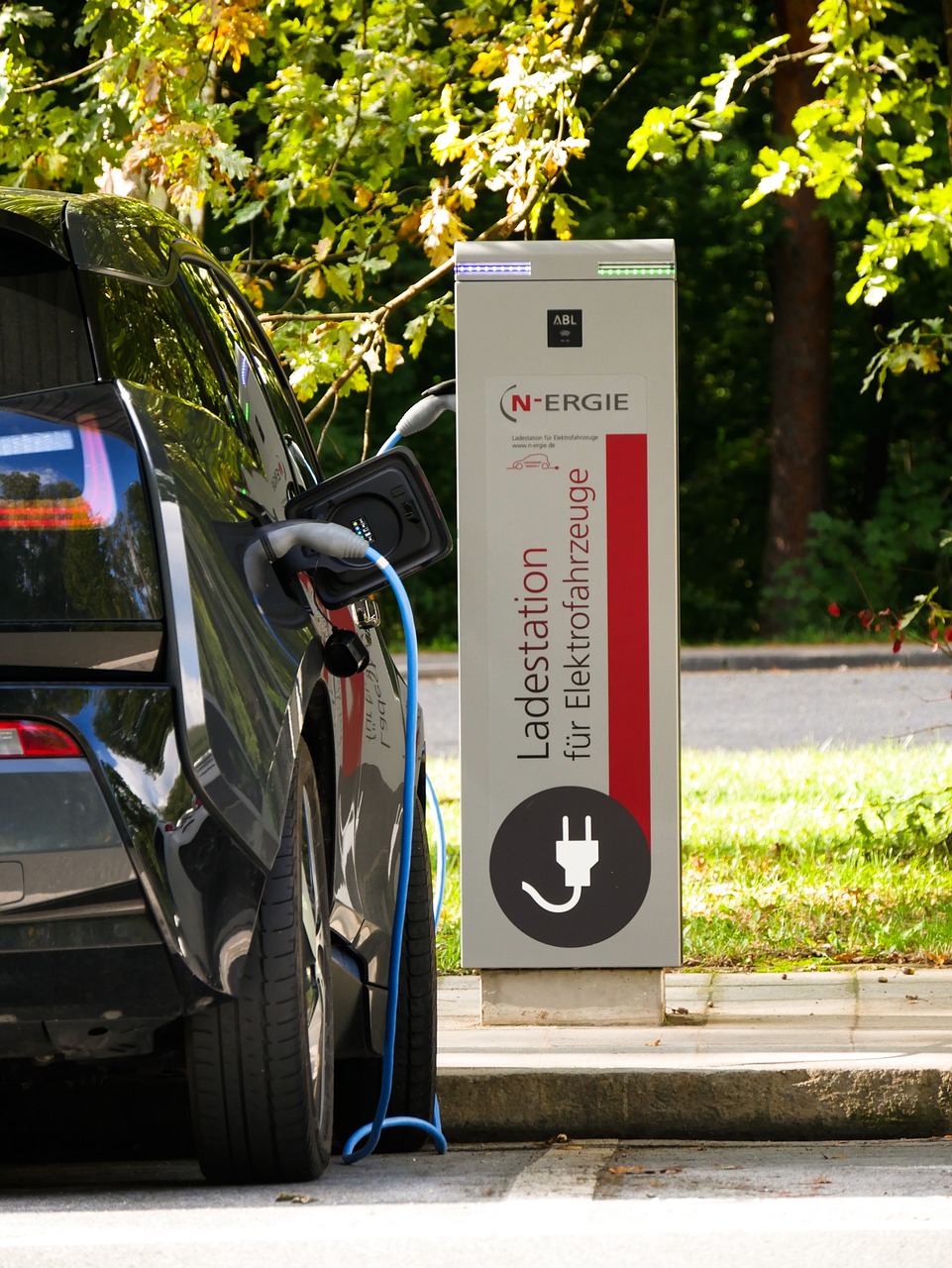
SHANGHAI, Sep 5 (SMM) –In June 2023, members of the European Parliament and the Council passed the “New EU Battery Regulation”. The EU’s regulations on batteries and waste batteries will usher in a comprehensive reform. Power batteries and energy storage batteries entering the EU market will face the challenge of “green trade barriers”. The bill came into effect on August 17, 2023.
The development of battery law aims to implement more comprehensive supervision of the European battery industry chain, requiring batteries placed on the EU market to meet safety, high performance, recyclability, and sustainable development throughout the life cycle. It stipulates carbon emissions, raw material supply and demand, and the proportion of reusable raw materials.
New battery regulations have a profound impact on the entire power battery industry chain
The Battery Regulation is the first legislation in Europe that focuses on a full life cycle approach and will likely have a profound impact on batteries, materials, manufacturing, recycling, and other aspects.
Battery Regulations 2023 have many restrictions on imported batteries, which will affect battery companies’ decisions in many aspects such as raw material selection and procurement, battery production technology, and waste battery recycling, thereby increasing battery production costs. The rise in battery costs in the short term may also be further transmitted to downstream industries. Moreover, in the face of global competition, zero-carbon transformation will also become one of the core competitiveness of power battery companies.
Material companies will be affected by the development of lithium batteries throughout the battery life cycle in the direction of carbon reduction technology, green manufacturing, accurate traceability, safety protection, standard setting, and improvement of recycling systems. At the same time, the increase in the proportion of metal material recycling applications will also stabilize and reduce the price and supply risks of upstream mineral resources.
Manufacturing complies with the needs of battery companies for zero-carbon transformation throughout the life cycle, and equipment companies will carry out technological innovation in the direction of high efficiency, low energy consumption, and low carbon. In addition, the demand for smart, digital, photovoltaic, and other green energy applications will further increase.
Recycling targets have been set clearer in new regulations, which will not only increase the demand for recycling and processing of used batteries but also put forward higher requirements for their recycling technology. The relationship between OEMs, battery companies, and recycling companies will be closer. In addition, a new business cooperation model integrating “production-application-recycling” will be realized.
From 2025, targets for recycling efficiency, material recovery, and recycled content will be gradually implemented. All collected used batteries must be recycled, and a high level of recycling should be achieved, especially for key raw materials such as cobalt, lithium, and nickel. In a word, the action will guarantee that valuable materials are recycled at the end of life and improve the economy by adopting stricter recycling efficiency and material recovery targets.
Accelerate the seizing of global zero-carbon initiative
The core appeal of the “EU New Battery Law” is to implement zero-carbon production, traceability management, and recycling of power batteries throughout their life cycle. Taking the initiative in the zero-carbon transition will also determine whether players can continue to maintain global competitiveness.
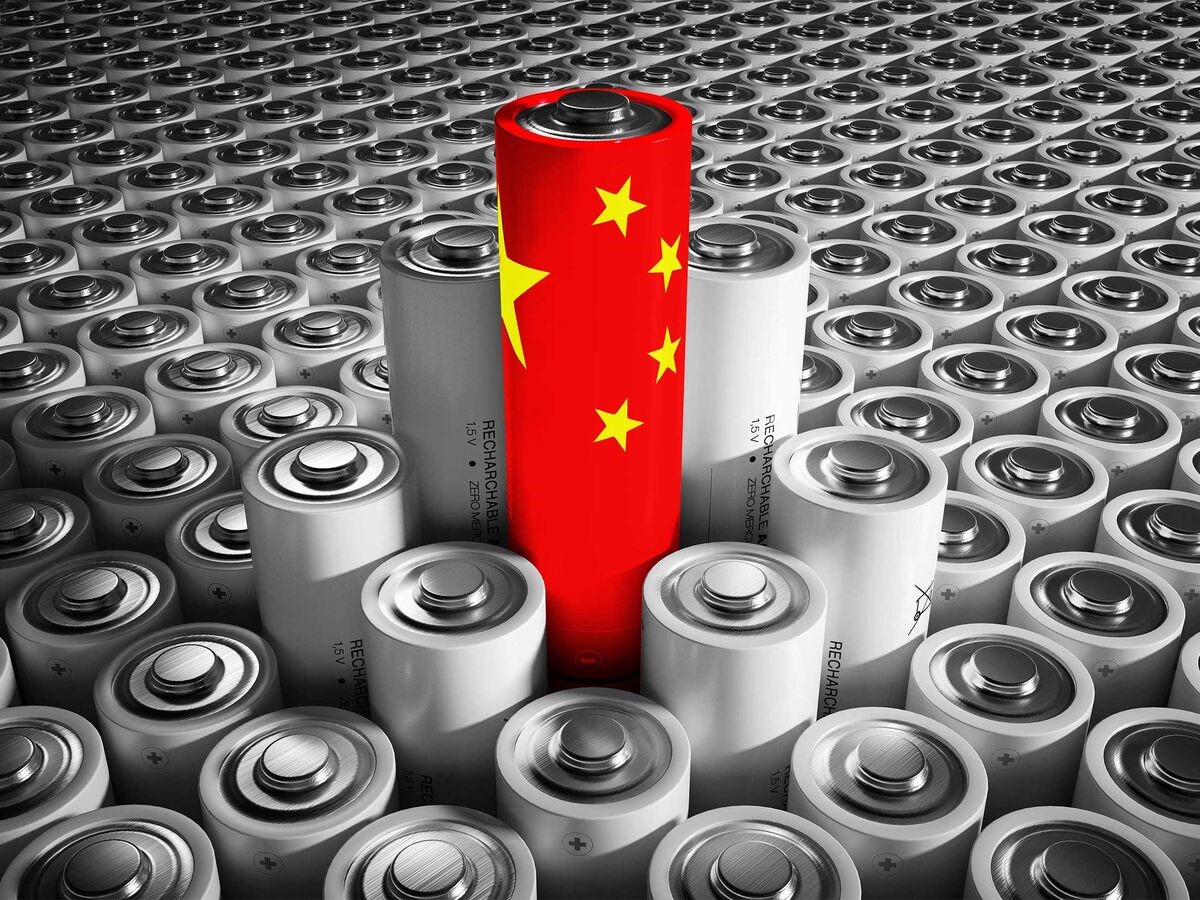
Taking China as an example, China is the EU’s main battery supplier and has contributed to the EU's green development. The issuance of the new battery law may further increase short-term export costs for Chinese battery manufacturers. However, Chinese companies can still improve their competitiveness through low-carbon products.
In April 2023, CATL released a zero-carbon strategy, planning to achieve carbon neutrality in its core business (carbon neutrality in production and manufacturing, and comprehensive zero-carbon transformation of battery factories) by 2025, and to achieve carbon neutrality in the entire battery value chain by 2035, completing the battery zero-carbon transformation of products.
Envision is also accelerating the global replication of zero-carbon production capacity. Currently, Envision has deployed 12 zero-carbon battery production bases in China, Japan, the United States, the United Kingdom, France and Spain. The total zero-carbon battery production capacity will exceed 300 GWh by 2026. At the same time, connecting the upstream industrial chain through the zero-carbon industrial park is also an innovative path for Envision to deploy the zero-carbon supply chain.
![Preços do magnésio sobem por três sessões consecutivas! Lado dos custos segue "em brasa", enquanto o lado da demanda luta para assumir o controle [Comentário SMM]](https://imgqn.smm.cn/usercenter/EutUV20251217171724.jpeg)