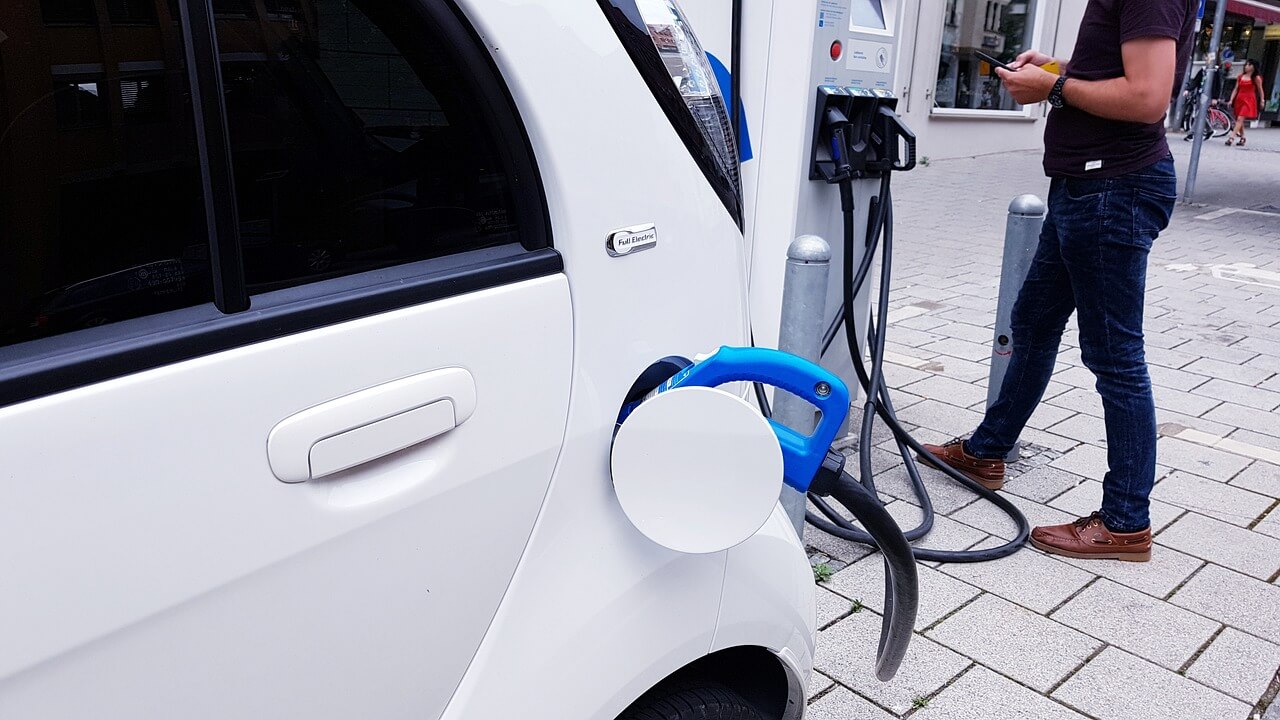
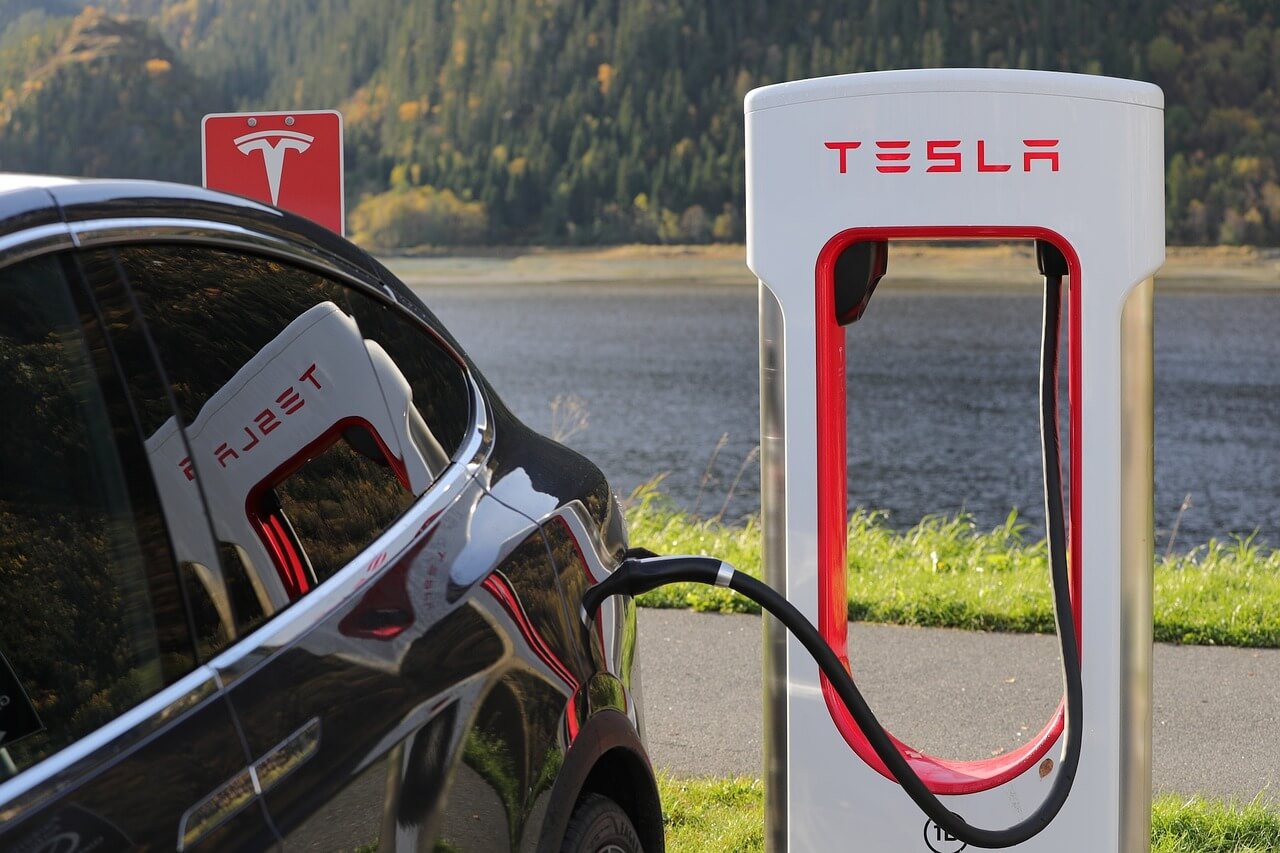
SHANGHAI, Feb 24 (SMM) - In the past 2021, China's new energy industry developed rapidly, and the demand for the new energy vehicle market was greatly increased. According to the record of 2021, the global cumulative sales of new energy passenger cars exceeded 6.31 million, more than 2.2 times that of 2020. China has accounted for 52% of the global shares of new energy vehicles, with 3.312 million vehicles sold, up 275% year-on-year. Meanwhile, the installed capacity of motive power lithium batteries reached 154.5GWh, up 143% year-on-year, in 2021.
However, some contradictions are gradually emerging with the booming of the new energy automobile industry chain. Under the rapid development of new energy vehicles, the growth of supply cannot catch up with that of the demand because the raw material in the supply side can hardly expand production in time to meet the rapid demand for raw materials in upstream. Since the beginning of last year, the shortage of lithium salt, VC and other key major materials in the lithium battery industry chain have initially appeared and continued to nowadays. The reason is that the prices of some materials have increased significantly, among which the lithium carbonate prices have increased by more than 500% since the beginning of last year. The reasons for the mismatch between supply and demand mainly include the followings:
First of all, the resource is constrained. The additional production capacity of lithium resources will be released after 2022 or 2023, and there is a risk that the production will not meet expectations. It is estimated that there will still be a supply gap of -30,000 mt of LCE in 2022.
According to SMM survey, the new production capacity of lithium resources is not expanded now. The new global production capacity of spodumene will be expanded from 2022 to 2024; the global salt lake's new production capacity will be expanded from 2023 to 2025; the new production capacity of lepidolite is mainly in China and is expected to maintain slow growth in the future.
SMM predicts that the supply and demand gap of lithium will be continued from 2021 to 2023.
Secondly, production is constrained by environmental protection. The situation of oversupply is expected to continue because of the great environmental impact assessment pressure of upstream chemical products, such as VC and phosphoric acid, and the long examine and verify cycle for new projects.
In recent years, chemical products in upstream of the new energy industry chain have been strictly controlled by the state. For instance, the production of iron phosphate is limited. Since 2019, the country has issued relevant policies on “Management on Three Phosphorus” to strictly control the construction of “Three Phosphorus” projects in the state. The production of VC is restricted due to factors such as long construction period, difficult production, tricky environmental approval, strict product verification, and high process requirements, etc. The battery-grade PVDF production is constrained. The domestic expansion of production of R142b is limited and its production quotas fell, because, as an ozone-depleting substance under national key control, R142b has been implementing the production quota system since 2014. It is expected that the above three products will have different levels of supply and demand gaps in 2021.
Thirdly, the technology is facing a bottleneck. Limited by equipment capacity, the battery separator is expected to be short of supply and demand in 2022. However, due to the high technical threshold, the production of Lithium hexafluorophosphate is concentrated in the leading plants, and the capacity is not expected to be released until 2022.
According to SMM research, limited capacity in global total equipment and long equipment delivery and commissioning cycle result in the problem of expanding lithium battery separator. In 2021, the supply and demand in lithium battery separator market are tight, and the supply can just meet the demand. It is estimated that the battery separator market will be in short supply by 2022.
Lithium hexafluorophosphate is facing the technical threshold that the complex synthesis process of hydrogen fluoride solvent method is difficult to master and the purity of raw materials is very high. The gap between supply and demand still existed in 2021, and it is expected that the situation will be alleviated in 2022.
Last but not least, China's cobalt and lithium raw materials are highly dependent on imports. In the future, due to pandemics, geopolitics, and other factors, the uncertainty of raw materials supply will increase.
The pandemics in African countries such as Congo (DRC) and Zambia, South Africa, and other countries where cobalt raw materials are supplied or transported are not optimistic throughout the year. The quarantine measures in the mining areas are strict, and the transportation efficiency is low with average land transportation delaying 7-10 days, and 50-60% of ports cannot ship.
In terms of geopolitics, China-Australian relations have continued to be tense in recent years. The risk of lithium raw materials supply is huge because of the intensified calls for “decoupling” in economic and trade fields.
In conclusion, the uncertainty of various raw materials supplies will increase in the future.
The supply and demand of industrial chains are mismatched under this background. How to fully develop the potential of economic structural growth under the triple pressure of demand contraction, supply shock, and expected weakening? Will the disadvantages affect the coordinated development of the industrial chain?
At this moment when opportunities and challenges coexist, SMM sincerely invites you to attend the 2022 (7th) China International New Energy Conference, and discuss the development of the new energy industry in the future with the delegates in five major sectors of new energy battery, photovoltaic, geothermal, hydrogen energy and energy storage!