Substitution of Primary Aluminium by Aluminium Scrap to be Slow Unless Consumption in Related Fields Offers a Boost

Publicado: Nov 26, 2021 15:03 (GMT+8)
Fonte: SMM
Recently, the market has begun to discuss the impact of aluminium scrap on primary aluminium consumption next year. However, the impact of aluminium scrap on primary aluminium will not be as significant as imagined. It also has many limitations.

SHANGHAI, Nov 26 (SMM) - Recently, the market has begun to discuss the impact of aluminium scrap on primary aluminium consumption next year. However, the impact of aluminium scrap on primary aluminium will not be as significant as imagined. It also has many limitations. The main reason is that all aluminium scrap is alloyed products, and the cost of aluminium purification is high. So the recycled aluminium scrap can only be used in downstream processing.

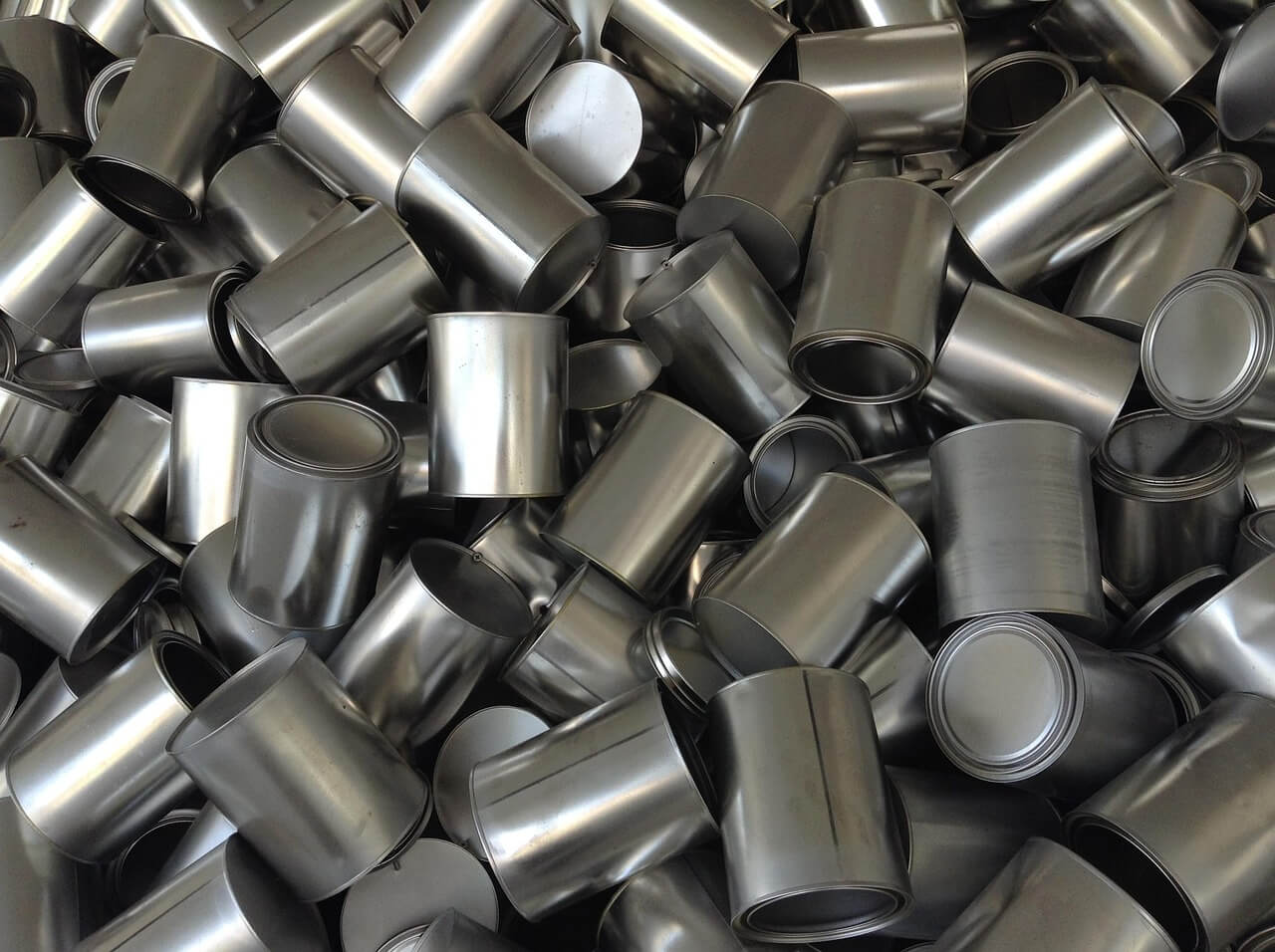
In terms of aluminium rods and primary alloys, there is not large volume of aluminium scrap for use due to the high element composition requirements. Almost only primary aluminium or even low-iron, high-purity aluminium can be used for production. The recycled aluminium scrap can only be used in three sectors, including traditional secondary cast aluminium alloy, secondary aluminium rod, and aluminium plate/sheet, strip and foil. The current proportion is approximately 7.5:1.5:1.

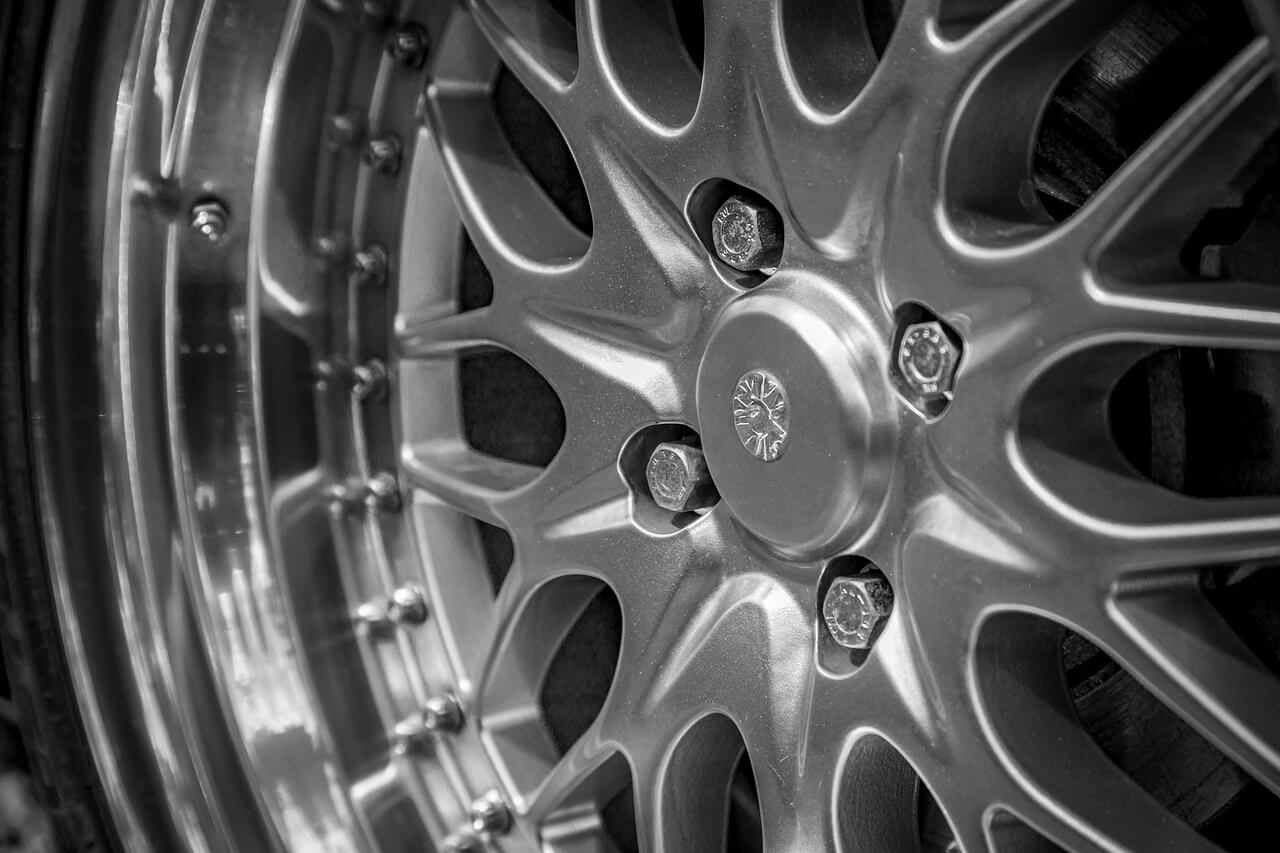
The end user consumption of secondary aluminium is mainly related to auto parts. The relatively mature ADC12, A380 and other aluminium alloy ingot brands can be directly produced using 100% aluminium scrap for a long time. There is no advantage in the cost of primary aluminium. However, in terms of automobiles, traditional fuel-powered vehicles are slowly being replaced by new energy vehicles. New energy vehicles can only be produced with primary aluminium currently due to higher material performance requirements and stringent element requirements.

Regarding secondary remelting rods, most secondary aluminium rods are 6063 alloy. Almost all the secondary aluminium rods produced with 100% aluminium scrap are non-standard aluminium rods, which can only be used for the production of non-standard building materials. And their consumption is closely related to real estate. In addition to 6063 aluminium rods, a small amount of 6061 secondary aluminium rods are currently used in the production of secondary aluminium templates. The consumption is also closely related to the real estate industry.

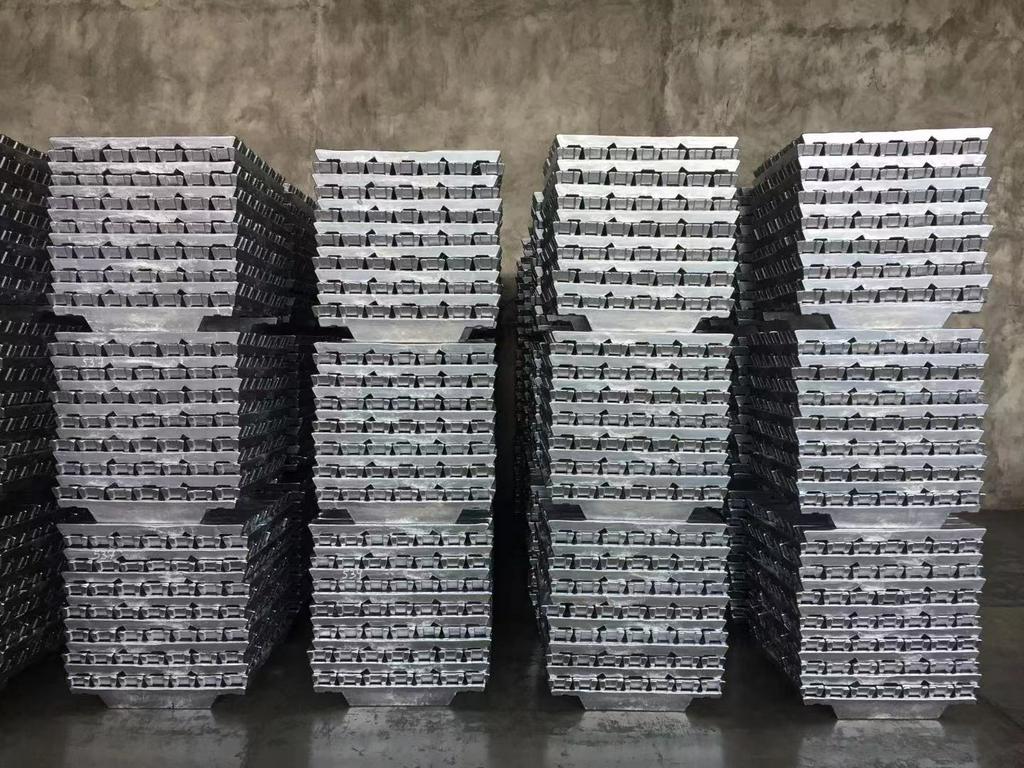
1/8 series of aluminium scrap can be used as a direct substitute for A00 aluminium ingots due to its high aluminium content. The source is mainly aluminium cable scrap and 1 series regular plate/sheet and strip scrap, which account for only a small volume in the entire aluminium processing industry. And there is no potential for a big increase.

Therefore, aluminium scrap is unlikely to have a big impact on primary aluminium in the short term unless the consumption of fuel-powered vehicles and the real estate sector surges, the sorting capacity of the recycling link improves substantially, or the purification technology of aluminium scrap makes breakthroughs. The substitution of primary aluminium by aluminium scrap will still be a relatively slow process.

Declaração sobre a Fonte de Dados: Com exceção das informações publicamente disponíveis, todos os demais dados são processados pela SMM com base em informações publicamente disponíveis, comunicação de mercado e com base no modelo de base de dados interna da SMM. São apenas para referência e não constituem recomendações para a tomada de decisão.

Para quaisquer perguntas ou para obter mais informações, entre em contato: lemonzhao@smm.cn
Para mais informações sobre como aceder aos nossos relatórios de investigação, entre em contato:service.en@smm.cn
Notícias Relacionadas
[SMM Notícias rápidas] South32 revisou a oferta de prêmio CIF MJP do 4º trimestre de 2026 para US$ 265/t
há 13 horas
[SMM Notícias rápidas] South32 revisou a oferta de prêmio CIF MJP do 4º trimestre de 2026 para US$ 265/t
Leia mais
[SMM Notícias rápidas] South32 revisou a oferta de prêmio CIF MJP do 4º trimestre de 2026 para US$ 265/t
[SMM Notícias rápidas] South32 revisou a oferta de prêmio CIF MJP do 4º trimestre de 2026 para US$ 265/t
Fontes do mercado informam: South32 revisou a oferta de prêmio CIF MJP para o 4º trimestre de 2026 para US$ 265/t, abaixo dos US$ 325/t. Validade até 5 de outubro de 2026.
há 13 horas
Índia ADC 12 se mantém firme enquanto o alumínio da LME cai; oferta restrita de sucata limita queda
01 Oct 2026 17:48 (GMT+8)
Índia ADC 12 se mantém firme enquanto o alumínio da LME cai; oferta restrita de sucata limita queda
Leia mais
Índia ADC 12 se mantém firme enquanto o alumínio da LME cai; oferta restrita de sucata limita queda
Os preços do ADC 12 na Índia permaneceram relativamente resilientes, apesar de uma queda de 1,2% nos preços do alumínio LME de 3 meses entre 24 e 30 de setembro.
01 Oct 2026 17:48 (GMT+8)
Rio Tinto garante operações da fundição de Bell Bay até o final de 2031
01 Oct 2026 17:09 (GMT+8)
Rio Tinto garante operações da fundição de Bell Bay até o final de 2031
Leia mais
Rio Tinto garante operações da fundição de Bell Bay até o final de 2031
A Rio Tinto anunciou em 1º de outubro que havia chegado a acordos com o Governo da Tasmânia, o Governo da Comunidade Australiana e a Hydro Tasmania para estender o fornecimento de eletricidade à fundição de alumínio de Bell Bay até o final de 2031. Os dois governos também fornecerão um pacote de apoio combinado de A$ 200 milhões ao longo de cinco anos, contribuindo com A$ 100 milhões cada. Os termos comerciais do acordo de energia não foram divulgados. Bell Bay produz cerca de 190.000 toneladas de alumínio primário por ano, enquanto seu contrato de eletricidade existente expiraria no final de 2026. O acordo elimina a incerteza operacional imediata da fundição. Bell Bay é a terceira grande fundição de alumínio australiana a receber apoio governamental em 2026, após Boyne e Tomago, destacando a pressão contínua dos altos custos de eletricidade e da concorrência internacional.
01 Oct 2026 17:09 (GMT+8)