

New car sales in Britain fell to their lowest level since 1991 in October
Declaração sobre a Fonte de Dados: Com exceção das informações publicamente disponíveis, todos os demais dados são processados pela SMM com base em informações publicamente disponíveis, comunicação de mercado e com base no modelo de base de dados interna da SMM. São apenas para referência e não constituem recomendações para a tomada de decisão.
Para quaisquer perguntas ou para obter mais informações, entre em contato: lemonzhao@smm.cn
Para mais informações sobre como aceder aos nossos relatórios de investigação, entre em contato:service.en@smm.cn
Notícias Relacionadas
há 26 minutos
Suzhou Jiuheng Electronic Technology Co., Ltd. apoia a SMM na criação do "Mapa de Distribuição da Cadeia Industrial Global de Folha de Cobre 2027"
Read More
Suzhou Jiuheng Electronic Technology Co., Ltd. apoia a SMM na criação do "Mapa de Distribuição da Cadeia Industrial Global de Folha de Cobre 2027"
há 26 minutos
![Preços do Cobre Sobem mas Demanda Permanece Fraca, Prêmios Spot Continuam a Enfraquecer [SMM Cobre Spot Norte da China]](https://imgqn.smm.cn/usercenter/FSTyq20251217171713.jpg)
há 2 horas
Preços do Cobre Sobem mas Demanda Permanece Fraca, Prêmios Spot Continuam a Enfraquecer [SMM Cobre Spot Norte da China]
Read More
Preços do Cobre Sobem mas Demanda Permanece Fraca, Prêmios Spot Continuam a Enfraquecer [SMM Cobre Spot Norte da China]
Hoje, os preços spot do cátodo de cobre #1 no Norte da China em relação ao contrato do mês mais próximo foram reportados com um desconto médio de 360 yuan/t a um desconto de 280 yuan/t, com o preço médio em queda de 10 yuan/t em relação ao dia de negociação anterior. O preço médio de transação foi de 105.230 yuan/t, uma alta de 1.035 yuan/t em relação ao dia de negociação anterior.
há 2 horas
há 2 horas
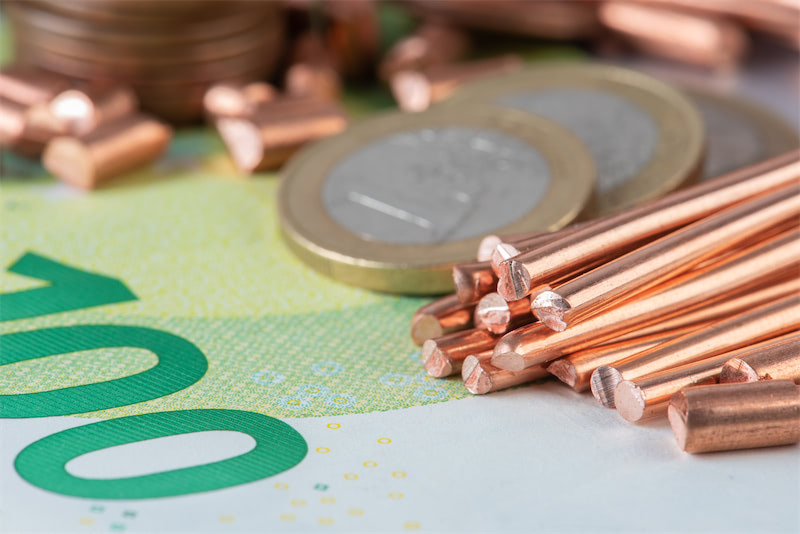
Mudança significativa na participação acionária da ERG atrai atenção do mercado para ativos de cobre e cobalto
Read More
Mudança significativa na participação acionária da ERG atrai atenção do mercado para ativos de cobre e cobalto
O Eurasian Resources Group (ERG) anunciou que a Nature Energy Solutions adquiriu uma participação de 39,3% na empresa através de compras ao cofundador Patokh Chodiev e aos herdeiros de Alexander Machkevitch. O ERG é um importante produtor de cobre, cobalto, ferroligas, minério de ferro e alumínio, com ativos de mineração significativos no Cazaquistão e na República Democrática do Congo (RDC). A atenção do mercado permanece focada na reestruturação acionária da empresa e na sua exposição estratégica às cadeias globais de fornecimento de cobre e cobalto.
há 2 horas
Notícias Relacionadas
Suzhou Jiuheng Electronic Technology Co., Ltd. apoia a SMM na criação do "Mapa de Distribuição da Cadeia Industrial Global de Folha de Cobre 2027"
May 25, 2026 13:06
Preços do Cobre Sobem mas Demanda Permanece Fraca, Prêmios Spot Continuam a Enfraquecer [SMM Cobre Spot Norte da China]
May 25, 2026 11:31
Mudança significativa na participação acionária da ERG atrai atenção do mercado para ativos de cobre e cobalto
May 25, 2026 10:42
ICSG: Produção Global de Minas de Cobre Estável no 1º Trimestre, Cobre na LME e Cobre na SHFE Fecharam em Alta Durante a Noite [Ata da Reunião Matinal de Cobre da SMM]
May 25, 2026 09:24