Double carbon standards are constantly improving, market-oriented and connected to the grid to open the space of energy storage demand.

Publicado: Oct 21, 2021 11:14 (GMT+8)
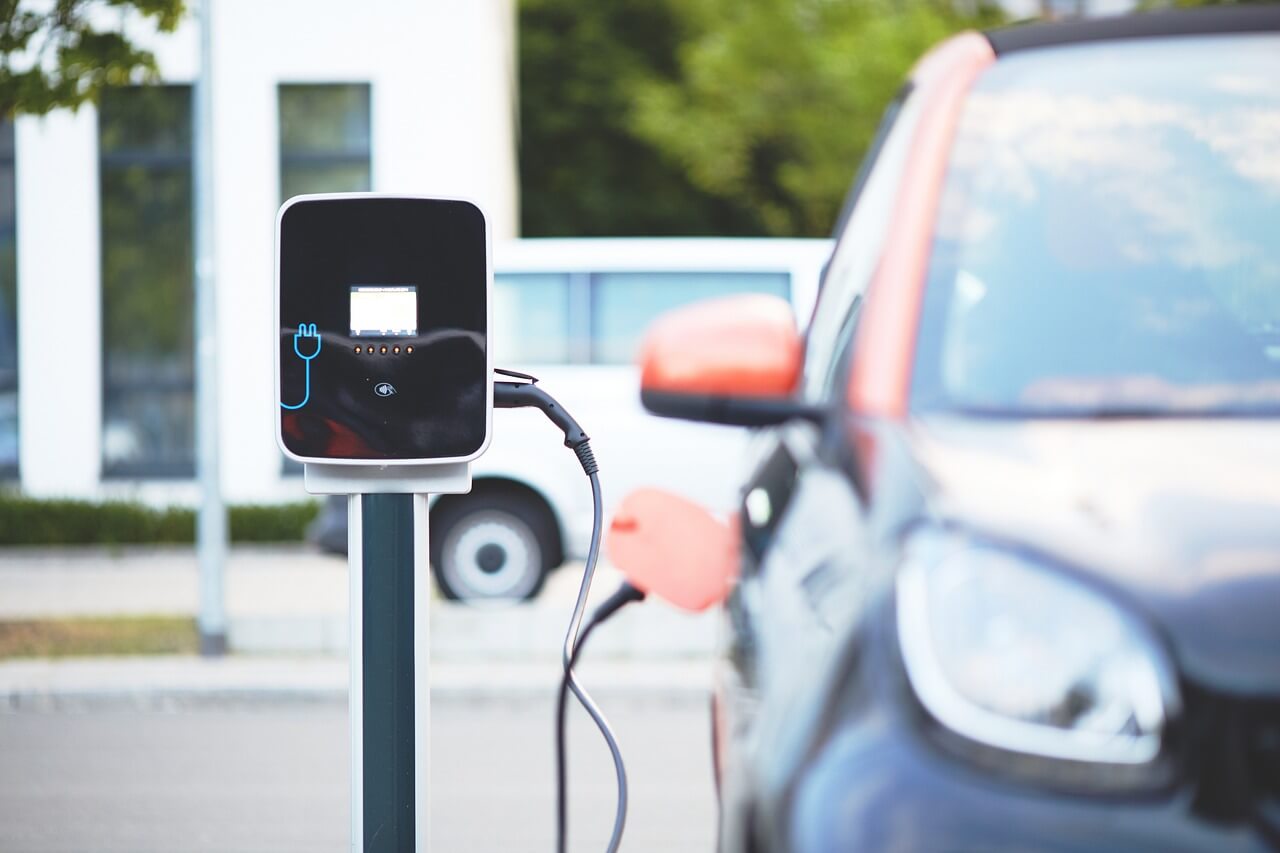
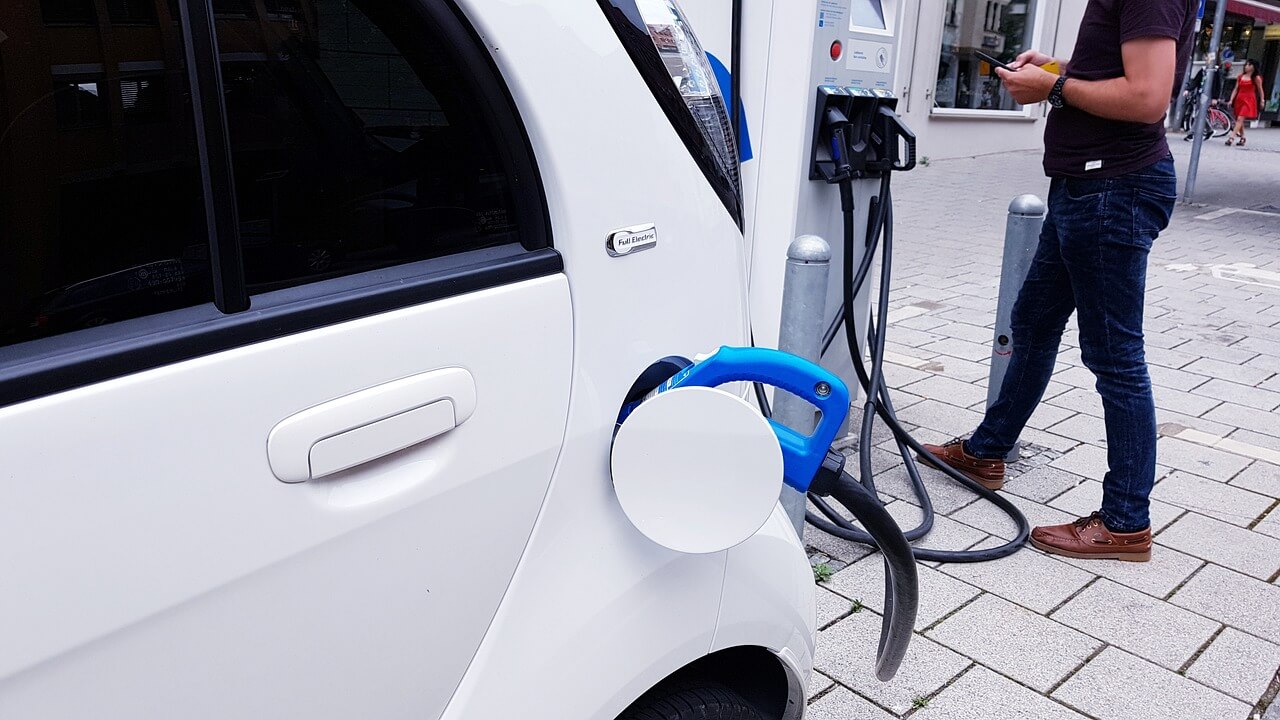
[dual-carbon standards continue to improve, market-oriented and grid-connected to open energy storage demand space] Xi Jinping: it is necessary to speed up the formation of a green and low-carbon transportation mode. In his keynote speech at the opening ceremony of the second United Nations Global Conference on Sustainable Transport on October 14, 2021, Xi Jinping, President of the people's Republic of China, pointed out that China's new energy vehicles account for more than half of the global total, and it is necessary to speed up the formation of green and low-carbon transportation modes, strengthen the construction of green infrastructure, promote new energy, intelligent, digital and lightweight transportation equipment, and encourage and guide green travel. Make transportation more environmentally friendly and travel more low-carbon.

Xi Jinping: it is necessary to speed up the formation of green and low-carbon transportation. In his keynote speech at the opening ceremony of the second United Nations Global Conference on Sustainable Transport on October 14, 2021, Xi Jinping, President of the people's Republic of China, pointed out that China's new energy vehicles account for more than half of the global total, and it is necessary to speed up the formation of green and low-carbon transportation modes, strengthen the construction of green infrastructure, promote new energy, intelligent, digital and lightweight transportation equipment, and encourage and guide green travel. Make transportation more environmentally friendly and travel more low-carbon.

"carbon peak, carbon neutralization": the continuous improvement of dual-carbon standards will continue to promote the development of new energy. Recently, the CPC Central Committee and the State Council issued the National Standardization Development outline, which proposes to establish and improve carbon peak and carbon neutralization standards, and speed up the updating and upgrading of energy conservation standards. With the issuance of the National Standardization Development outline, we expect that the formulation of dual carbon standards will be accelerated, and at the same time, the requirements of double control of energy consumption will be enhanced, which will further strengthen energy conservation and carbon reduction for the power energy industry, and new energy sources will continue to benefit.

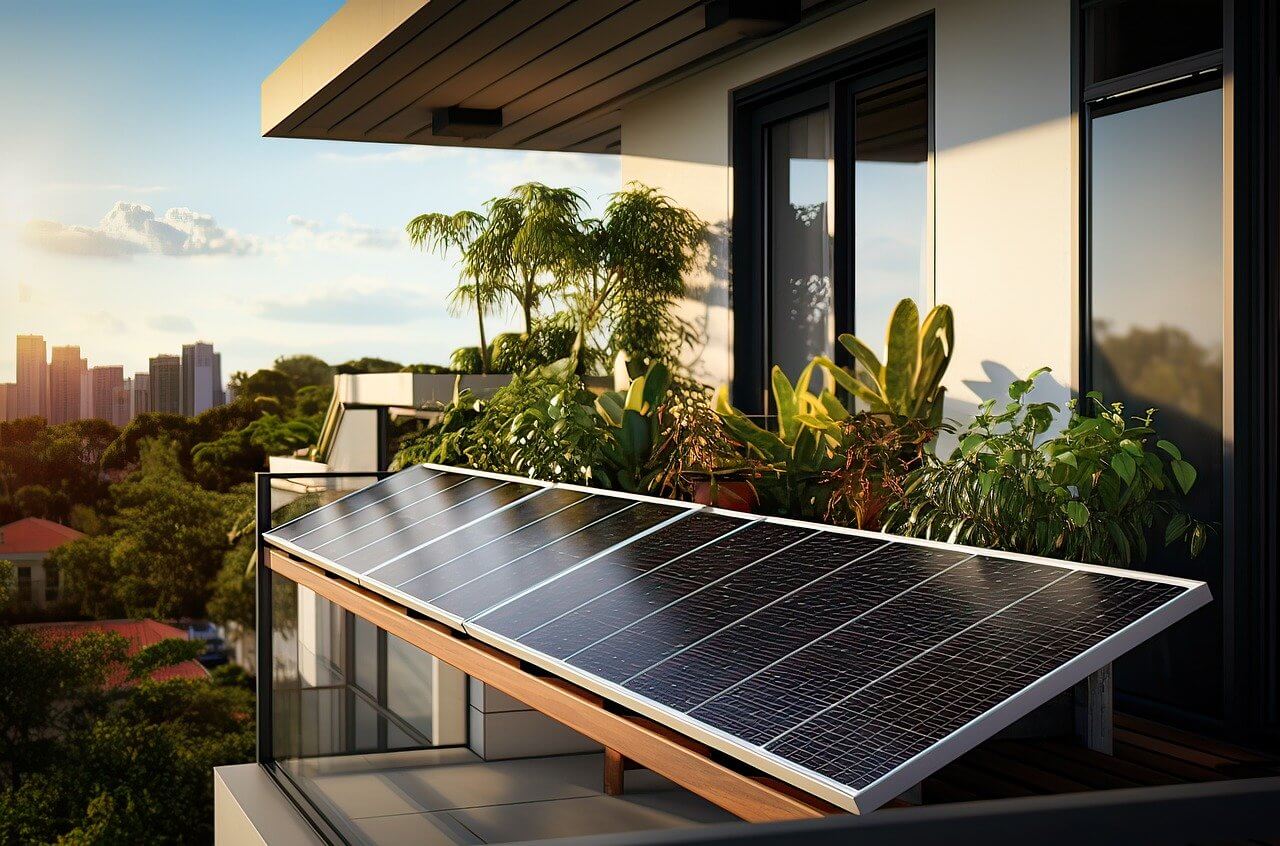
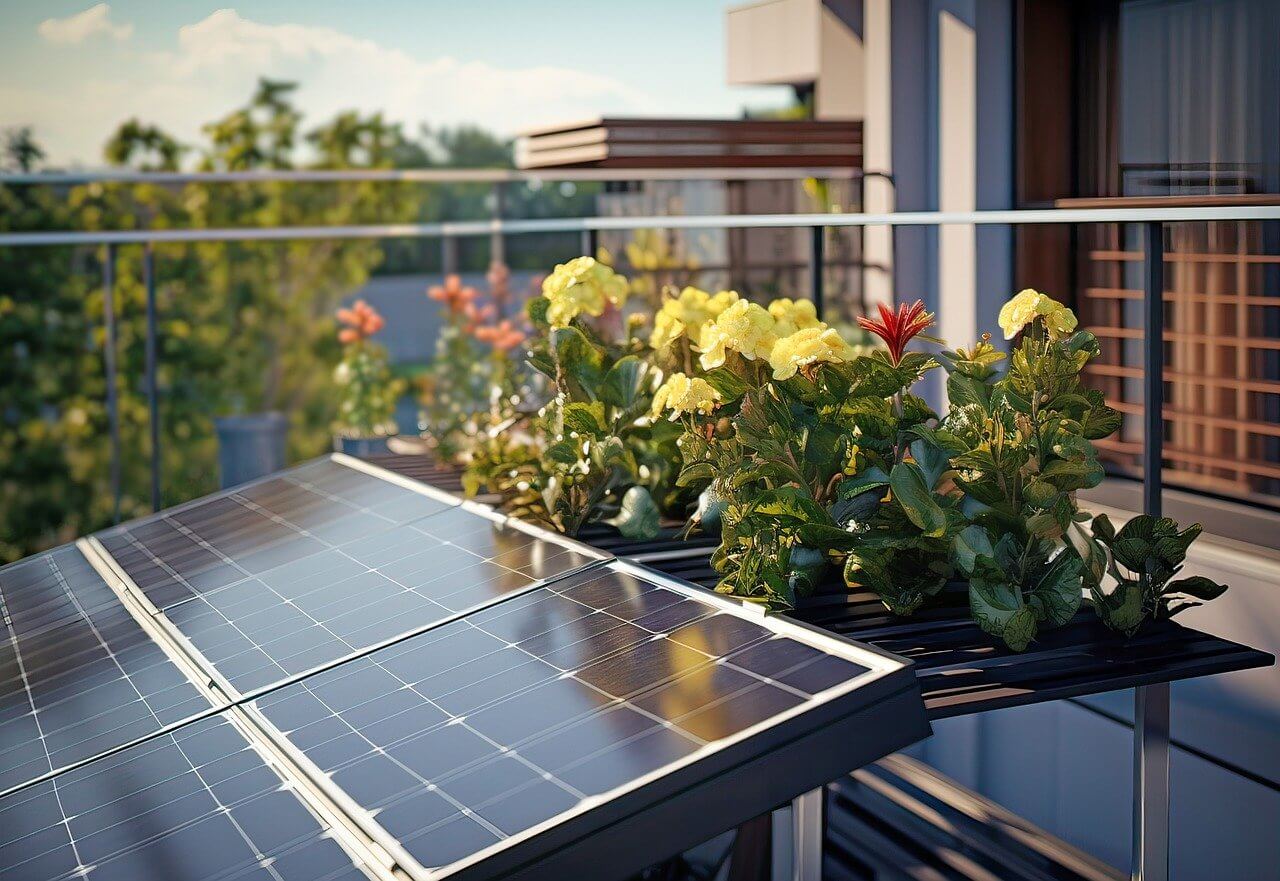
Photovoltaic industry: the supply is tight and the price of components is raised sharply. The recent domestic policy of tight power supply and double control of energy consumption has had an impact on the price of the photovoltaic industry chain. Several producing areas of photovoltaic modules and raw and auxiliary materials have pulled the gates to limit production. On the basis of tight supply this year, fluctuations in the supply of raw materials and rising costs have led to a further rise in the price of the entire industrial chain, which has forced the price of components to rise. From the perspective of domestic bidding, the price for opening bids has risen to more than 2 yuan per watt. The high price price reached 2.25 yuan / W, an increase of more than 50% compared with last year's low of 1.3-1.4 yuan / W. Taking into account the long-term cycle of new capacity expansion and the possible lasting impact of the double control policy on energy consumption, the price of silicon is likely to remain high during the period of strong demand in the fourth quarter, and the shortage of silicon may continue until the middle of next year.

New type of energy storage: the policy is constantly improved, and the market is connected to the grid to open the energy storage demand space. Guangxi and Hebei provinces issued a notice on the construction plan of wind and photopower market-oriented projects, requiring that the allocation of market-oriented projects should not be less than 20% (a small part of 15%), and the continuous energy storage period should not be less than 2 hours. Hebei requires that the peak shaving capacity of the market-oriented projects of the south and north power grids are not less than 10% and 15% respectively, and the continuous energy storage time is not less than 3 hours. The construction of peak-shaving capacity should be completed and put into production with the market-oriented grid-connected project Synchronize. It is expected that other provinces will issue corresponding market-oriented and undeveloped plans one after another. Self-construction, co-construction and purchase of peak-shaving energy will become a necessary condition, which will quickly stimulate the market demand of pumped storage and new energy storage industries.
Declaração sobre a Fonte de Dados: Com exceção das informações publicamente disponíveis, todos os demais dados são processados pela SMM com base em informações publicamente disponíveis, comunicação de mercado e com base no modelo de base de dados interna da SMM. São apenas para referência e não constituem recomendações para a tomada de decisão.

Para quaisquer perguntas ou para obter mais informações, entre em contato: lemonzhao@smm.cn
Para mais informações sobre como aceder aos nossos relatórios de investigação, entre em contato:service.en@smm.cn
Notícias Relacionadas
Planos de Veículos Conectados Inteligentes são lançados; globalização e aumento da taxa de penetração impulsionam o setor automotivo
24 Sep 2026 16:53 (GMT+8)
Planos de Veículos Conectados Inteligentes são lançados; globalização e aumento da taxa de penetração impulsionam o setor automotivo
Leia mais
Planos de Veículos Conectados Inteligentes são lançados; globalização e aumento da taxa de penetração impulsionam o setor automotivo
Dados mostram que, em agosto, a produção e as vendas de automóveis subiram mais de 4% em relação ao mês anterior, a produção e as vendas de veículos de nova energia (NEV) aumentaram cerca de 18% em relação ao ano anterior, e a taxa de penetração atingiu um novo recorde de 60,6%. As exportações superaram 1 milhão de unidades por três meses consecutivos, com crescimento anual acima de 65%, e a participação das exportações de NEV subiu para 52%. A participação de mercado dos veículos de passeio de marcas nacionais alcançou 77,76%, um aumento de mais de 8 pontos percentuais em relação ao ano anterior.
24 Sep 2026 16:53 (GMT+8)
Pedidos de rede da NARI disparam; armazenamento de energia no exterior abre uma segunda curva de crescimento
24 Sep 2026 16:52 (GMT+8)
Pedidos de rede da NARI disparam; armazenamento de energia no exterior abre uma segunda curva de crescimento
Leia mais
Pedidos de rede da NARI disparam; armazenamento de energia no exterior abre uma segunda curva de crescimento
Dados mostram que no primeiro semestre de 2026, a receita da NARI atingiu 27,767 bilhões de yuans, um aumento de 14,54% em relação ao ano anterior, com lucro líquido atribuível à empresa-mãe de 3,073 bilhões de yuans, alta de 4,08%. Os contratos recém-assinados totalizaram 45,633 bilhões de yuans, um salto de 28,79%. A receita no exterior alcançou 5,894 bilhões de yuans, disparando 196,61%, e a empresa garantiu um projeto EPC de armazenamento de energia de classe 500 MW em Omã.
24 Sep 2026 16:52 (GMT+8)
Capacidade nacional acumulada de geração de energia atingiu 4,103 bilhões de kW até o final de agosto
24 Sep 2026 16:51 (GMT+8)
Capacidade nacional acumulada de geração de energia atingiu 4,103 bilhões de kW até o final de agosto
Leia mais
Capacidade nacional acumulada de geração de energia atingiu 4,103 bilhões de kW até o final de agosto
Até o final de agosto, a capacidade instalada acumulada de geração de energia do país atingiu 4,103 bilhões de kW, um aumento de 11,1% em relação ao ano anterior. Desse total, a capacidade instalada de energia solar foi de 1,299 bilhão de kW, um aumento de 16,3% em relação ao ano anterior, e a capacidade instalada de energia eólica foi de 693 milhões de kW, um aumento de 19,6% em relação ao ano anterior.
24 Sep 2026 16:51 (GMT+8)