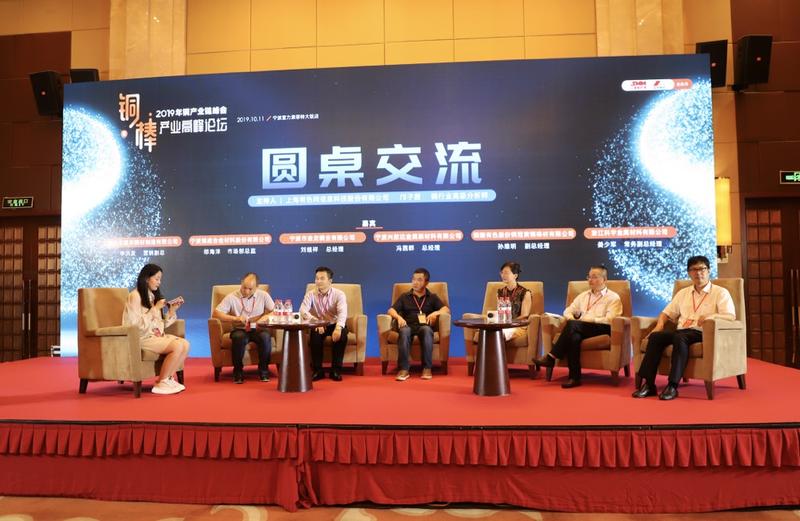
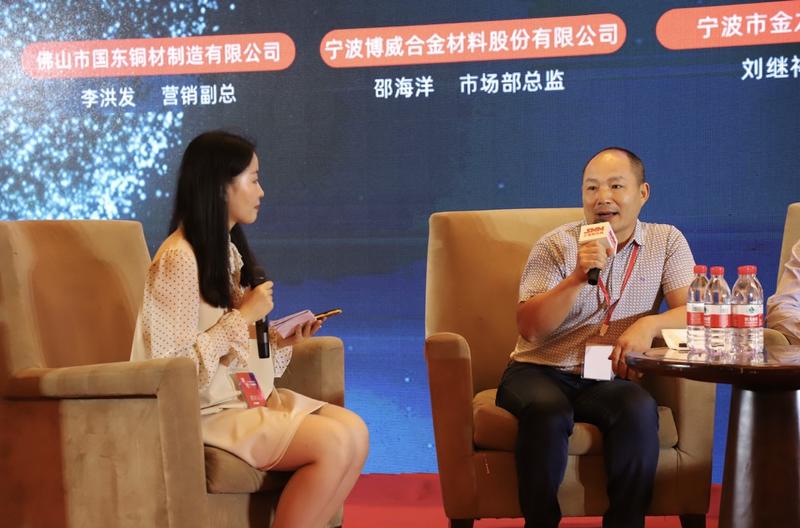
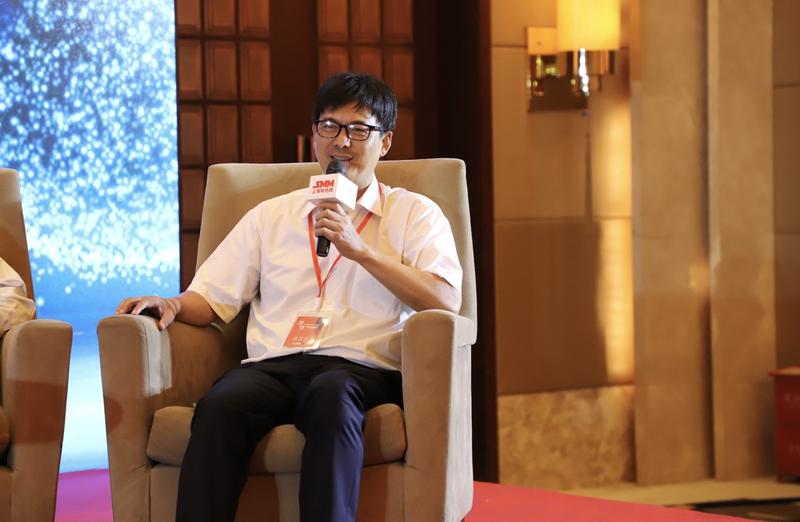
SMM10, October 12: on October 11, during the on-site interview session of the "2019 China Copper Industry chain Summit and Copper Rod Industry Summit" jointly organized by SMM and International Trade Futures Co., Ltd., Foshan Guodong Copper Manufacturing Co., Ltd. Li Hongfa, Marketing Director of Ningbo Bowei Alloy material Co., Ltd. Shao Yang, General Manager of Ningbo Jinlong Copper Co., Ltd. Liu Jixiang, General Manager of Ningbo Xingaoda Metal New material Co., Ltd. Feng Xiqun, Deputy General Manager of Tongling Nonferrous Copper Crown Brass Bar Co., Ltd., and Executive Deputy General Manager of Zhejiang Keyu Metal Materials Co., Ltd. Jiang Shaojun, In this paper, the current situation, problems, future development prospects and copper price trend of copper rod industry are discussed.
Kuang Zixi: under the impact of macro factors, what has been the impact on the exports of downstream enterprises of copper rods?
Li Hongfa: Guangdong is the bridgehead of China's reform and opening up. Hong Kong and Taiwan enterprises joined the processing manufacturing industry a long time ago. Before 2008, the market demand was very scarce, and trade was relatively easy. after 2008, trade became more and more difficult. Hong Kong and Taiwan entrepreneurs use their strategic thinking to actively layout, tariff and RMB exchange rate changes so that entrepreneurs have already transferred many copper processing enterprises to Southeast Asia.
Kuang Zixi: what is the development status of your high-end brass?
Shao Ocean: at present, there is no clear distinction between high-end and low-end products. Guowei has been in the industry for many years, in awe of the market and responsible to customers. The copper rod market is very large. High-end copper bars are usually processed according to customer needs. The main reason for the division of high and low end is the vicious competition in the market, the production of high-end copper is mainly accurate docking with customers, according to the needs of customers for business docking, to ensure that customers' products do not make mistakes in production and sales. And our company has always stressed that in the launch of new products must be responsible to customers, to ensure adequate R & D costs, otherwise it will not enter the market. In the current industry situation, enterprises should stick together to keep warm.
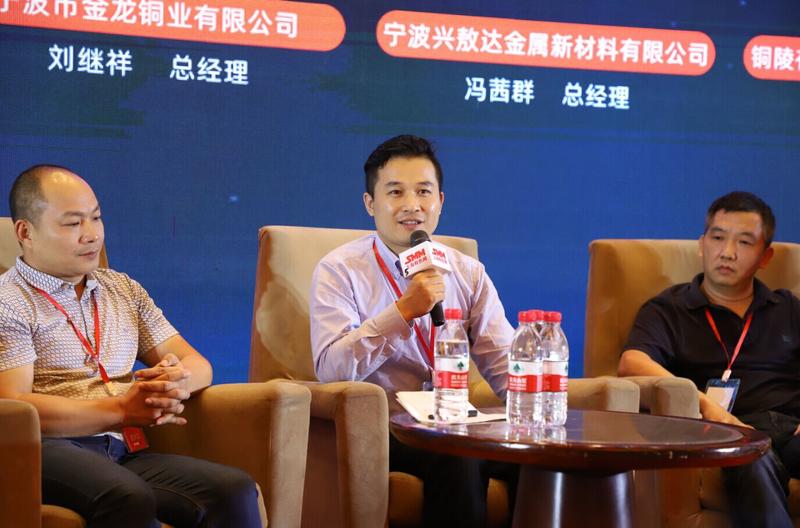
Kuang Zixi: what does Mr. Liu think of the development prospect of the copper rod industry?
Liu Jixiang: our company mainly deals in middle-and low-end copper rods. In my opinion, the copper bar industry is a relatively high-risk industry. At present, it is greatly affected by the trade tensions between China and the United States. And because the copper rod processing uses more scrap copper, affected by the stricter domestic environmental protection policy, the national strategic decision to restrict the import of scrap copper will have a greater impact on the copper rod industry.
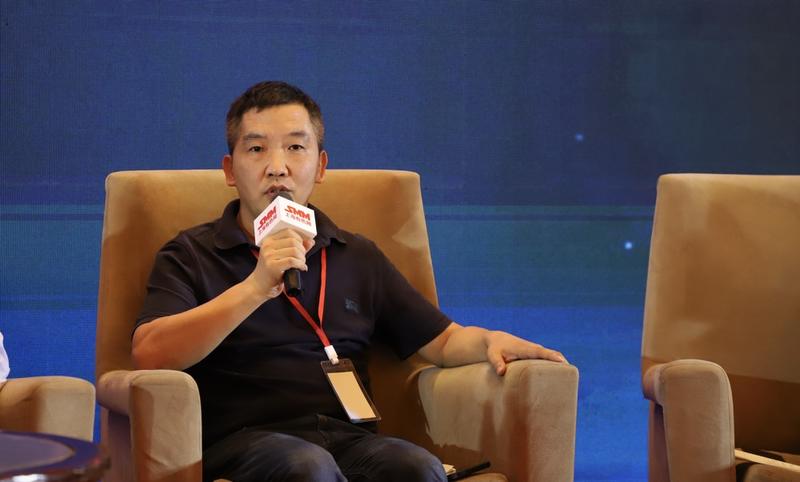
Kuang Zixi: what does Feng think of the future trend of copper prices?
Feng Xiqun: I think the price of copper is about a reincarnation in ten years. It is normal to rise and fall. At present, the trade pressure on China and the United States is only temporary. China still has great advantages in manufacturing, but at the same time, it is also necessary to guard against the development of manufacturing in Southeast Asian countries.
Copper has many advantages, with the development of smart home and smart city, copper still has a great development prospect. All in all, I am still optimistic about copper prices.
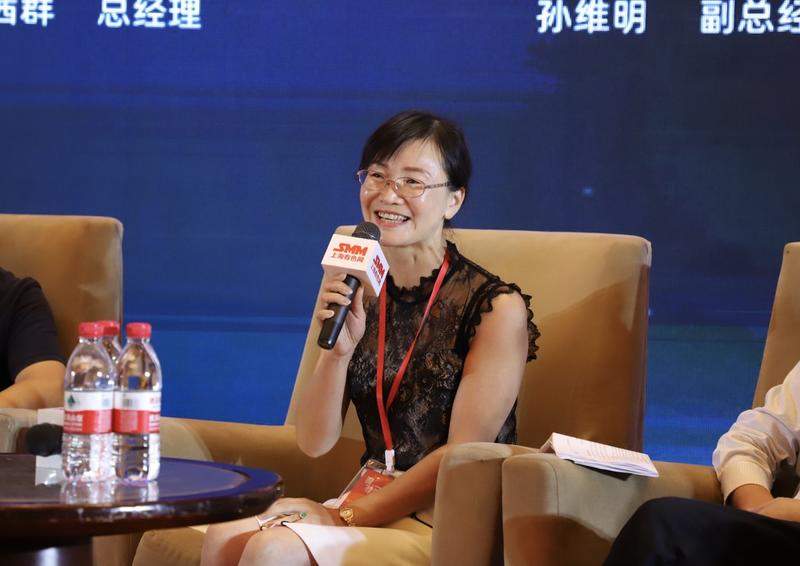
Kuang Zixi: what does Sun always think of the prospect of copper prices?
Sun Weiming: at present, due to weak global demand, copper prices are at a low level. So in the medium term, copper prices are on the low side, and by June next year, copper prices may remain at $5500-$6000 a tonne.
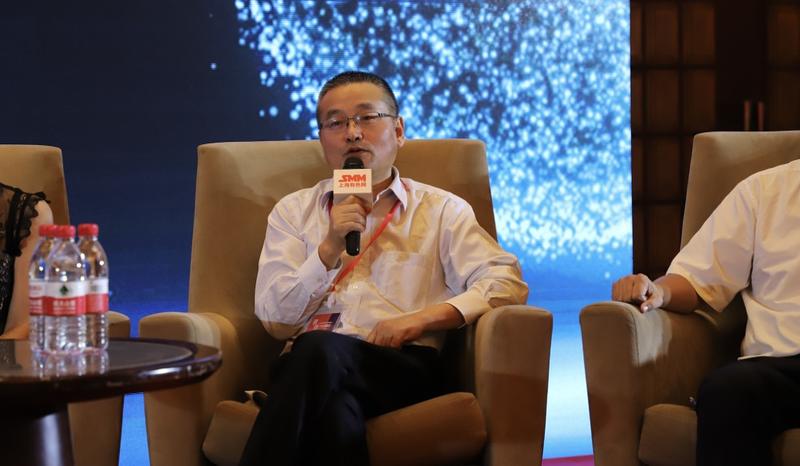
Kuang Zixi: Jiang always believes that for enterprises that use scrap copper to produce copper rods, due to the current restrictions on the import of "waste seven categories" and "waste six categories" have also begun to implement approval imports, what kind of transformation will they face in the production of raw materials in the future?
Jiang Shaojun: due to the restrictions on the import of scrap copper and the need for overlaying the domestic environment, the problem of shortage of scrap copper in the market has become increasingly serious. Some enterprises have moved abroad, so for enterprises that mainly use scrap copper to produce copper rods, they can choose to switch to electrolytic copper in the future. However, for the vast majority of enterprises, we still have to choose waste brass as raw materials. Therefore, enterprises should be good at the use of channels, put forward their own demands, in order to alleviate the shortage of raw materials. For example, if scrap copper can be turned into a bulk material, then import does not need a license. However, for waste brass, the method is to import copper ingots, but it will increase a certain cost, and whether the increased cost can be transferred downstream is open to question.
"View details of gift giving
"Click to sign up for a thousand people event in China's non-ferrous metals industry.

Scan QR code and apply to join SMM metal exchange group, please indicate company + name + main business
![O que uma retomada da Cobre Panamá poderia significar para a oferta global de cobre? [Análise SMM]](https://imgqn.smm.cn/usercenter/IHqPw20251217171709.jpg)