By Carolina Curiel
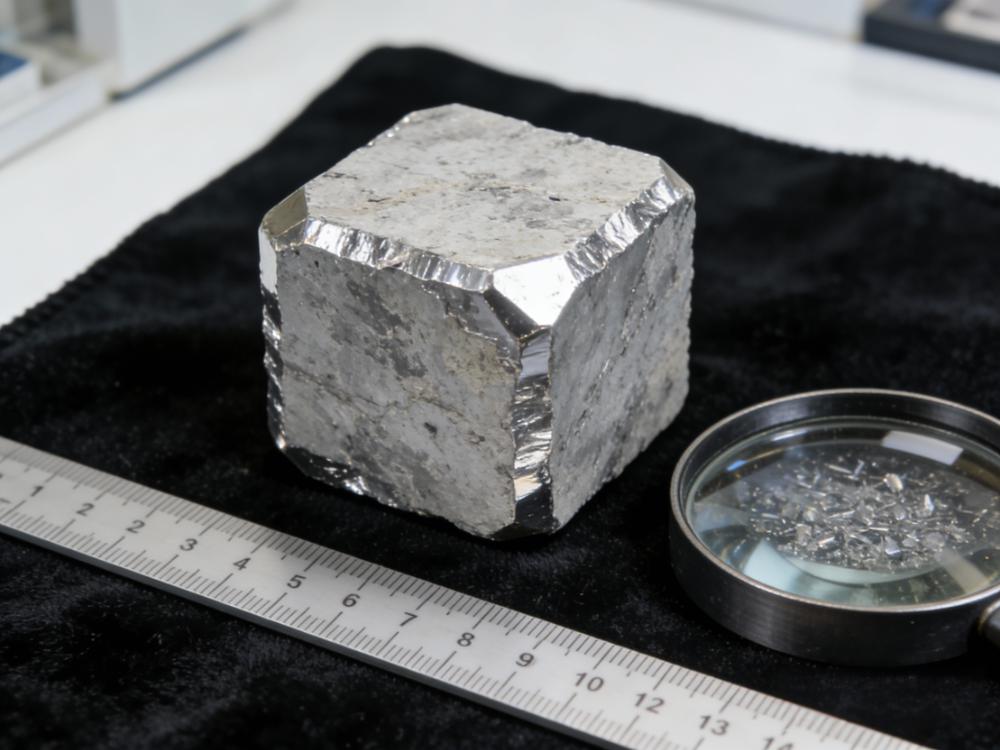
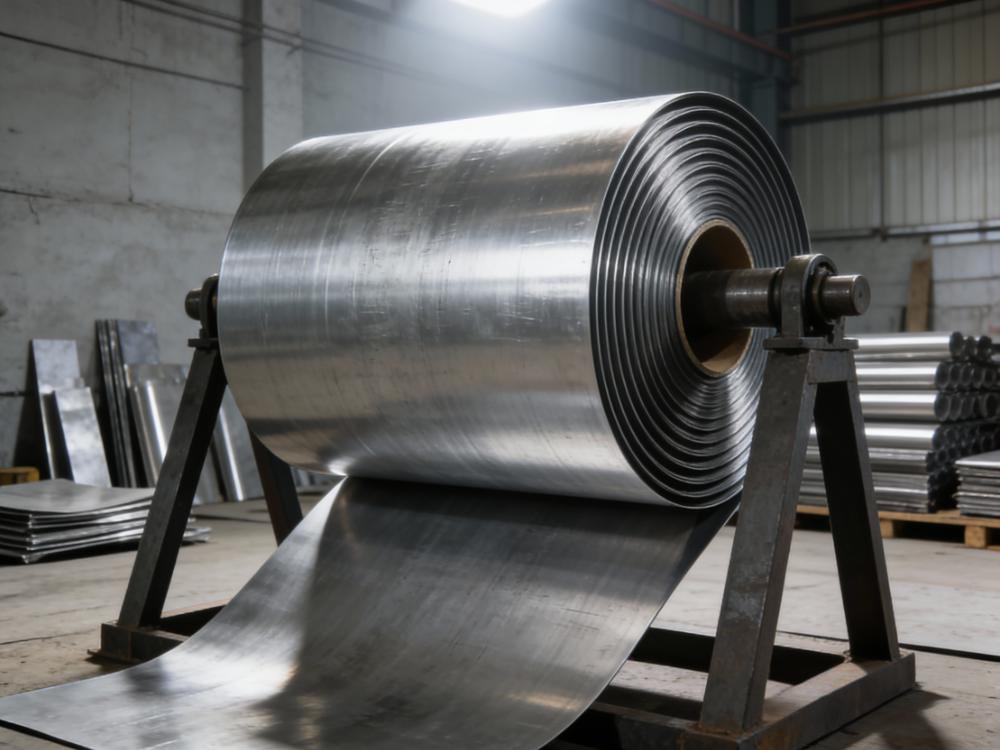
SEATTLE (Scrap Monster): The latest research report published by Green Earth in collaboration with Green Cross Switzerland has identified top ten polluting industries. According to the report, these ten industries collectively put over 32 million people at risk in low and middle-income countries. The report titled “The World’s Worst Pollution Problems 2016: The Toxics Beneath Our Feet” identifies used lead acid battery (ULAB) recycling as the most polluting industry.
The report quantifies the human health impacts of toxic pollution with a particular focus on chemical exposures. It analyzes the leading pollution-causing industries and focuses on associated contaminants that could be harmful to human health and environment. The report is based on investigations conducted at nearly 150,000 sites spread across nearly 50 countries. Part from ULAB, the other most polluting industries are lead smelting, mining and ore processing tannery operations, industrial/municipal dumpsites, industrial estates, artisanal gold mining, product manufacturing, chemical manufacturing and the dye industry.
Most recycling centers employ primitive and informal techniques to recycle used lead acid batteries. In many cases, they are broken up using hand axes or hammers. The smelting of metallic components is often carried out in open space. This operation leads to emission of toxic lead particles into the environment. In addition to highly toxic lead, the emission also results in emission of other pollutants including arsenic and cadmium. Studies have proved that lead exposure leads to developmental and neurological issues in children. The report notes that the largest number of polluted sites is in Southeast Asia. The other regions that contribute to pollution include ULAB recycling sites in Africa, Central and South America.
It is estimated that the health of nearly 7 million people is at risk from industrial mining and ore processing locations in countries where investigations were carried out. The most hazardous pollutants reported at these sites are lead, chromium, arsenic, cadmium and mercury. The report states that these sites may also contain pollutants such as radionuclides, cyanide and other heavy metals.
The report identifies lead as the largest contributing contaminant from lead smelting industries. In addition to lead, lead smelting could also result in emission of other pollutants including mercury and cadmium into air, soil and water. Tannery operations could lead to discharge of harmful chemicals such as hexavalent chromium.
Mercury is the top pollutant in artisanal gold mining operations. The sites are mainly located in Africa, Southeast Asia and Latin America. As per US EPA estimates, gold processing in artisanal mines releases approximately 400 metric tons of mercury every year.
Industrial/Municipal dumpsites pose threat to human health and environment. The largest number of these recorded dumpsites is in African, Eastern European and Northern Asian countries. Although each dumpsite varies in pollutants depending on the source of the waste, the most commonly identified pollutants include lead and chromium.
Meantime, pollution at industrial estates is generally caused by a lack of appropriate waste processing infrastructure or pollution controls. The majority of chemical manufacturing sites that cause pollution are located in China, Eastern Europe and South Asia. The report identifies lead mercury and chromium as the key pollutants from manufacturing sites. The processing of dyes causes emission of pollutants. The waste water from dye industry contains pollutants such as chromium, lead, mercury, cadmium sulfur, nitrates, chlorine compounds, arsenic, nickel and cobalt.