

By Hermann Erdmann
The world faces many major challenges including climate change, slow economic growth and a disproportionate reliance on mineral resources. It is becoming increasingly accepted that adopting the circular economy model could provide answers for many of these problems.
US President Barack Obama’s administration reported in June that the failure to act on climate change could cause an estimated 57,000 deaths a year in the US from poor air quality by 2100.
According to the European Union (EU), the air quality in eMalahleni (Witbank) is among the world’s dirtiest — even when compared to the likes of Beijing, where people wear face masks on the streets to protect themselves from air pollution. The eMalahleni region is home to 11 coal-fired power stations. A 12th one is being built and, when completed, the Kusile power plant will be one of the world’s largest, burning 17-million tonnes of coal a year.
We are creating an environmental debt that our children and grandchildren will need to pay. Just as you wouldn’t buy a car and expect your children or grandchildren to finance it, this debt isn’t fair. But what can be done about it?
The Ellen MacArthur Foundation, the McKinsey Center for Business and Environment, and SUN (Stiftungsfonds für Umweltökonomie und Nachhaltigkeit), recently released an international study titled Growth Within, which was the foundation for the keynote address at the EU Commission’s conference on the circular economy in June in Brussels.
According to the Ellen MacArthur Foundation, a circular economy is one that is restorative by design, and that aims to keep products, components and materials at their highest utility and value, at all times. It draws a distinction between the consumption and use of materials. The circular economy advocates the need for a "functional service" model in which retailers or manufacturers retain the ownership of their products and, where possible, act as service providers — selling the use of products, not their one-way consumption.
This shift has direct implications for the development of efficient and effective take-back systems and the proliferation of product-and business-model design practices that generate more durable products, facilitate disassembly and refurbishment and, where appropriate, consider product or service shifts.
The study showed, among other concerns, that "Europe’s economy remains very resource-dependent…. Proponents of a circular economy argue that it offers Europe a major opportunity to increase resource productivity, decrease resource dependence and waste, and increase employment and growth".
This situation is not dissimilar to the challenges facing the South African market, but what is interesting is that the European market has something to learn from us. To reduce the pressure on our resources, SA has already implemented a circular economy in the tyre industry that has become a globally recognised case study.
As a result of the implementation of the Waste into Worth concept for tyre waste, the Recycling and Economic Development Initiative of SA (Redisa) was invited onto the advisory board of organisations and individuals providing input on the Growth Within study.
Although the report looked at the European economy, there are insights SA should note. According to the report, the benefits of introducing a circular economy approach in Europe are an 11% gross domestic product increase compared with 4% in the current development path by 2030.
Its adoption could lead to an increase in average disposable income for EU households by €3,000, or 11% higher than the current development path. And there could be a 48% reduction of CO² emissions by 2030 across the three study sectors, or 83% by 2050.
For example, in cement kilns waste tyres can be substituted for up to 20% of current coal usage, which in SA could mean replacing tens of thousands of tonnes of coal. This equates to reduced reliance on coal (less demand for mining coal), reduced net carbon emissions and reduced air pollution (as in the correct controlled environment, tyres burn cleaner than coal). Ultimately, cost savings for the cement companies are passed to the consumer.
PPC De Hoek, Natal Portland Cement, AfriSam and La Farge are already doing this and realising the benefits. But what about increasing employment and growth?
In SA, the tyre industry has been a pilot project for circular economy development. Tyres are unusual since the collection points where waste arises are mostly known because tyres are mostly exchanged at dealerships, not at homes. This eases the "first mile" collection task.
The Integrated Industry Waste Tyre Management Plan was developed to fulfil a mandate of job creation and to bring order to SA’s recycling of tyres, a market that was processing only 10,000 tonnes of tyres each year of the 240,000 tonnes sold.
In two years, this project has resulted in more than 2,000 new jobs and more than 190 small-, medium-and micro-enterprises developed and supported — tangible proof that where some see waste, others see opportunity.
True sustainability means balancing growth, infrastructure development and creating small business and job opportunities while lowering our emissions and overall impact on the environment.
The challenge is that generally, big business struggles to find a balance between reducing carbon emissions and protecting the environment, while driving a positive effect on the bottom line.
Although interest in the circular economy approach is growing, it is happening slowly. If it is to become widespread, we must consider all industries to see how, through innovation and co-operation, we can double our efforts.
--Erdmann is the CEO of Redisa (Recycling and Economic Development Initiative of SA)
Source: Bdlive.co.za
Tyre Recycling shows benefits of circular economy
The world faces many major challenges including climate change, slow economic growth and a disproportionate reliance on mineral resources.
Declaração sobre a Fonte de Dados: Com exceção das informações publicamente disponíveis, todos os demais dados são processados pela SMM com base em informações publicamente disponíveis, comunicação de mercado e com base no modelo de base de dados interna da SMM. São apenas para referência e não constituem recomendações para a tomada de decisão.
Para quaisquer perguntas ou para obter mais informações, entre em contato: lemonzhao@smm.cn
Para mais informações sobre como aceder aos nossos relatórios de investigação, entre em contato:service.en@smm.cn
Notícias Relacionadas
02 Oct 2026 14:34 (GMT+8)
【Flash | PhotonLink da Coherent prepara o terreno para uma expansão comercial do fosfeto de índio (InP)】
Leia mais
【Flash | PhotonLink da Coherent prepara o terreno para uma expansão comercial do fosfeto de índio (InP)】
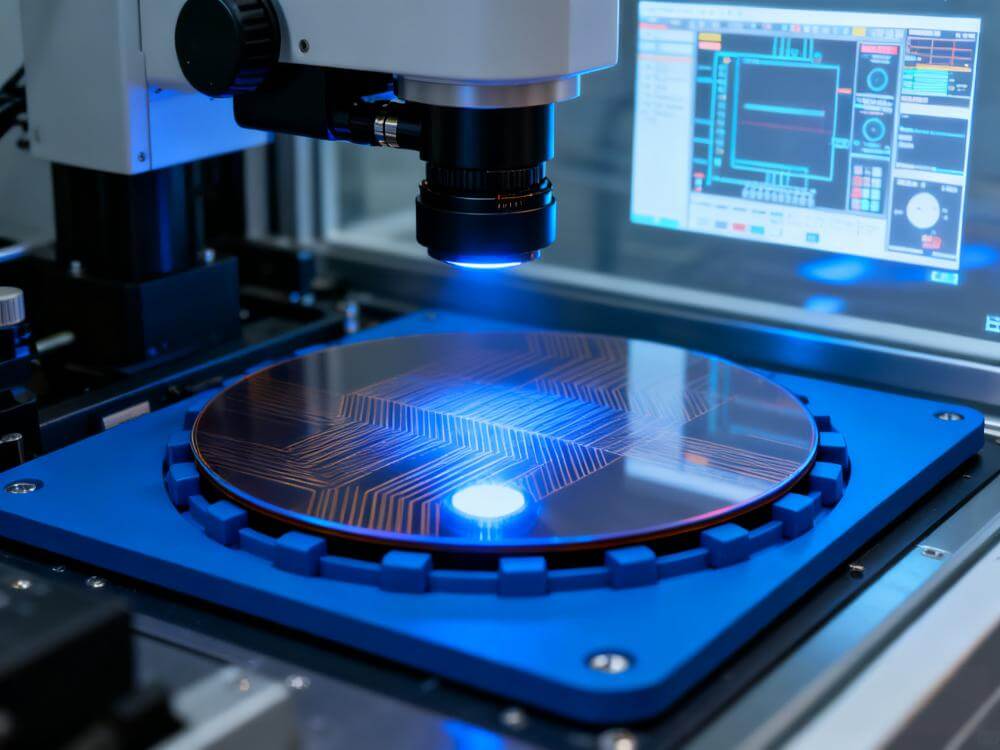
A Coherent lançou o PhotonLink, uma plataforma de óptica integrada para infraestrutura de IA que incorpora lasers de fosfeto de índio (InP), fotônica de silício, detectores e módulos ópticos. A empresa divulgou mais de 10 engajamentos de CPO, mais de 10 engajamentos de NPO e mais de cinco projetos de conectividade chip a chip, com clientes-âncora e acordos de longo prazo garantidos tanto para CPO quanto para NPO. A receita deve começar a crescer no quarto trimestre de 2026. A Coherent já enviou mais de 300 milhões de lasers de InP e está expandindo sua capacidade de fabricação de InP de 6 polegadas para suportar o aumento da demanda. O pipeline de clientes fornece um sinal de demanda comercial mais claro para dispositivos de InP e materiais a montante, embora a capacidade adicional e o consumo de índio não tenham sido divulgados.
02 Oct 2026 14:34 (GMT+8)
02 Oct 2026 10:38 (GMT+8)
O segundo equipamento da Nine Mile chega a Tribag–West Wedge para testar sete alvos eletromagnéticos
Leia mais
O segundo equipamento da Nine Mile chega a Tribag–West Wedge para testar sete alvos eletromagnéticos
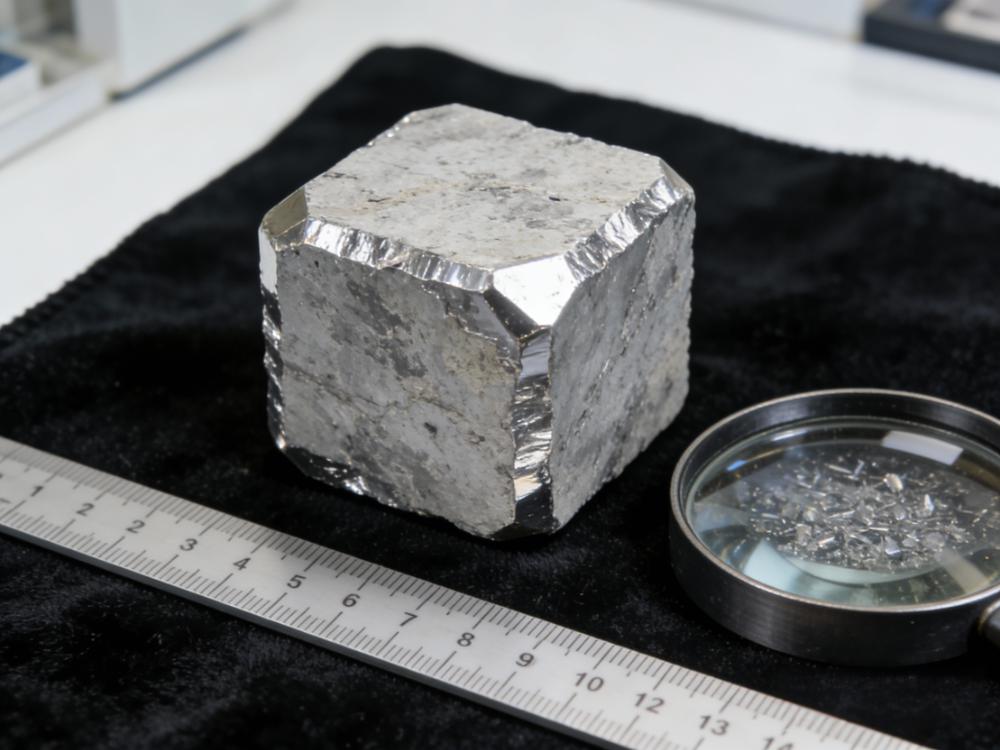
Nine Mile Metals anunciou que sua segunda sonda chegou a Tribag–West Wedge em New Brunswick, Canadá, com perfuração prevista para começar em Tribag nos próximos dias. Sete alvos eletromagnéticos modelados estão associados às ocorrências de chumbo-zinco de Tribag e cobre-chumbo-zinco de West Wedge.
A perfuração em Wedge continua em paralelo. Até 21 de setembro, a empresa havia concluído 18 furos, totalizando 4.934,50 metros de seu programa anual de 10.000 metros. Os condutores permanecem alvos geofísicos que exigem perfuração para estabelecer sua origem.
02 Oct 2026 10:38 (GMT+8)
01 Oct 2026 10:06 (GMT+8)
【SMM Notícias Rápidas】Masivo intercepta 32,50 metros de mineralização polimetálica contendo chumbo-zinco em Cerro Colorado.
Leia mais
【SMM Notícias Rápidas】Masivo intercepta 32,50 metros de mineralização polimetálica contendo chumbo-zinco em Cerro Colorado.
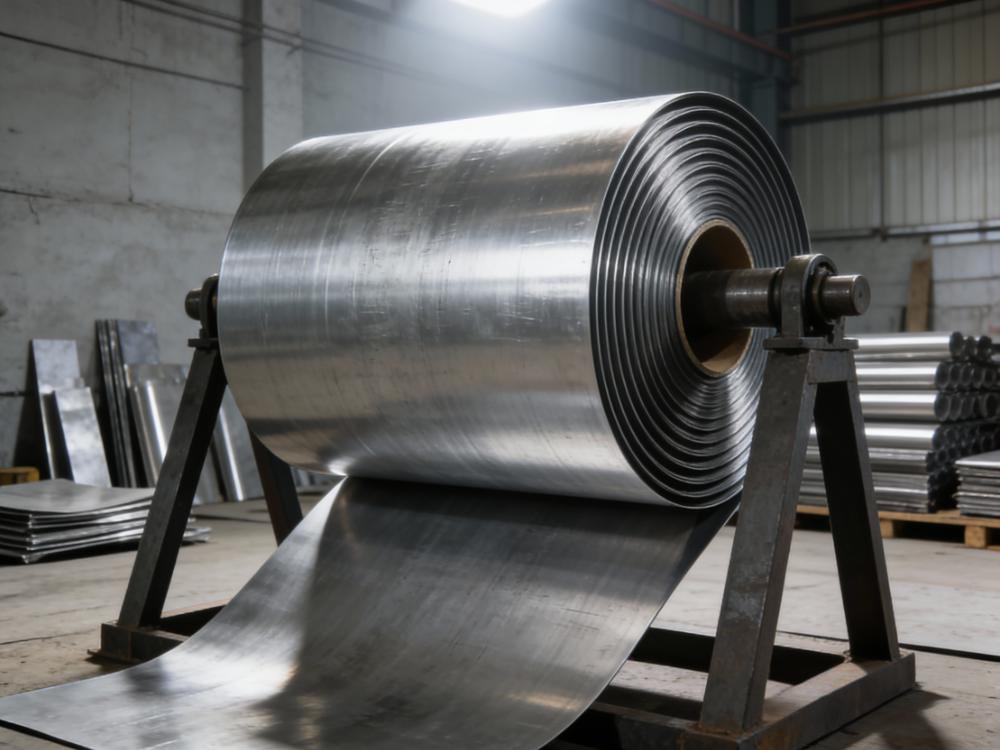
A Masivo Silver reportou resultados do furo CC-26-001, seu primeiro furo em Cerro Colorado, Sonora, México. O furo interceptou 32,50 metros de 226,30 a 258,80 metros com teor médio de 0,271% de zinco, 0,141% de chumbo e 7,0 g/t de prata. Dificuldades técnicas encerraram a perfuração a 259,5 metros, enquanto o furo ainda permanecia em rocha mineralizada.
01 Oct 2026 10:06 (GMT+8)
Notícias Relacionadas
【Flash | PhotonLink da Coherent prepara o terreno para uma expansão comercial do fosfeto de índio (InP)】
Oct 02, 2026 14:34 (GMT+8)
O segundo equipamento da Nine Mile chega a Tribag–West Wedge para testar sete alvos eletromagnéticos
Oct 02, 2026 10:38 (GMT+8)
【SMM Notícias Rápidas】Masivo intercepta 32,50 metros de mineralização polimetálica contendo chumbo-zinco em Cerro Colorado.
Oct 01, 2026 10:06 (GMT+8)

Interrupções regionais limitam a recuperação da produção em setembro; espera-se crescimento do chumbo secundário em outubro
Oct 01, 2026 09:24 (GMT+8)