This week’s capacity data disclosures focused on the regional and project levels.
There was no new large-scale public delivery information this week.
I. Project-related developments
China Coal Tongliao (China Coal Inner Mongolia Energy Co):A tender was issued for the feasibility study and application document preparation for the wind-solar hydrogen production component of the 200,000 mt/year hydrogen-based green fuel grid-connected green power direct-connection project in Horqin Left Middle Banner. The project plans to build 48,000 Nm³/h hydrogen production capacity (32 sets of 1,500 Nm³/h alkaline electrolysers), 396,000 Nm³ of effective hydrogen storage capacity (18 units of 2,000 m³ spherical tanks), and 20 MW/40 MWh electrochemical energy storage, with 8,000 operating hours per year and annual hydrogen production of 16,000 mt. The green hydrogen produced will be coupled with biomass syngas from local cattle manure gasification to produce 200,000 mt/year of green methanol.
Inner Mongolia Hydrogen Power Technology Co:The Dalad Banner grid-side (incremental distribution network) standalone ESS demonstration supporting pure hydrogen pipeline construction project received filing approval, with a total investment of 20 million yuan. The project will build approximately 10 km of pure hydrogen pipeline (5.7 km main line + three branch lines), with a design pressure of 2.0 MPa and working pressure of ≤1.6 MPa, annual hydrogen transmission capacity of approximately 4,000 mt, using L245QH seamless steel pipe. Construction is planned to start in October 2026 and complete in October 2027, with hydrogen sales revenue of 63.46 million yuan/year after reaching full production.
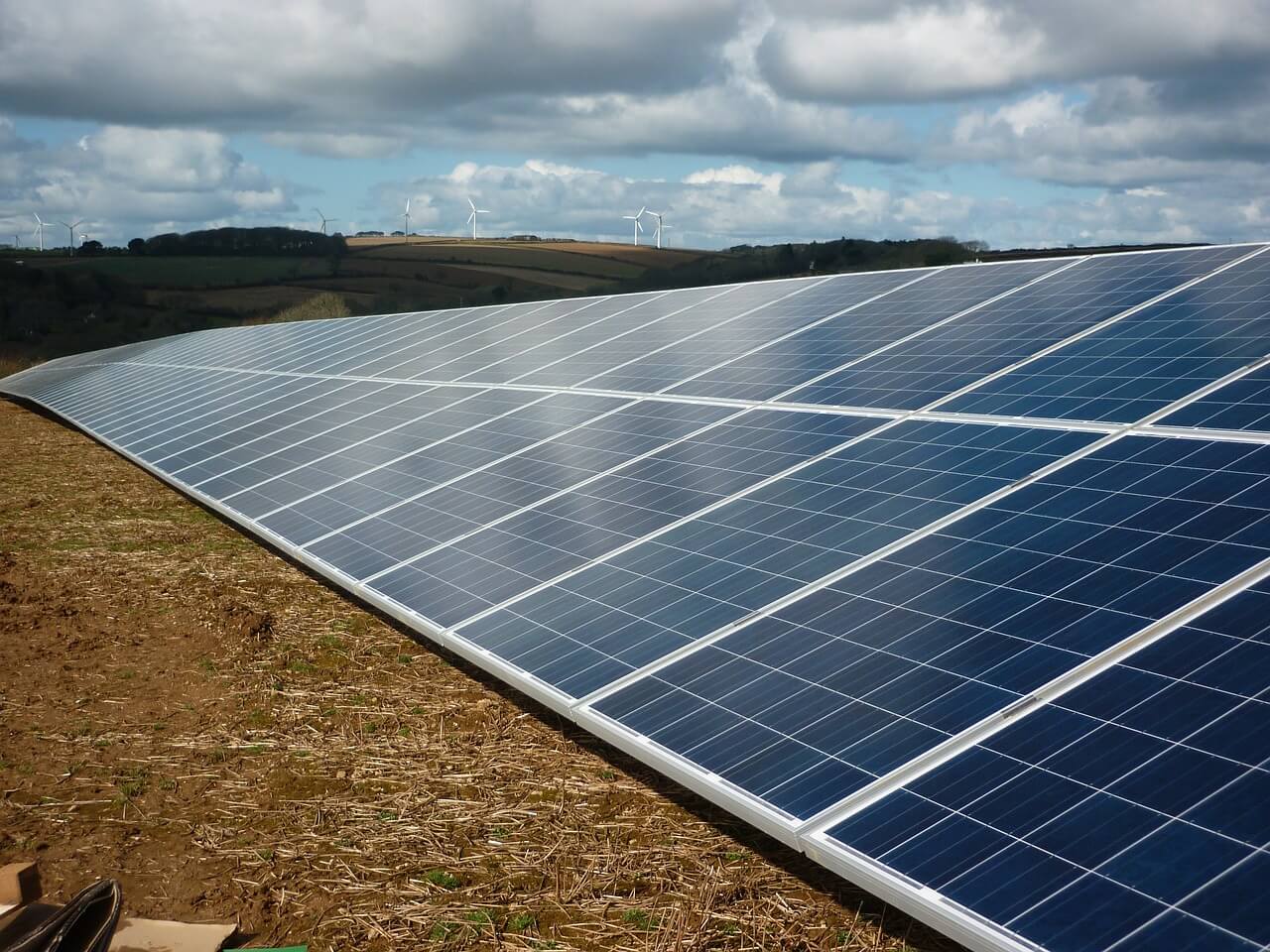
Shanghai Hytong Energy Group Co:The Hulunbuir Hytong wind-solar hydrogen production integration project began its social stability risk assessment public notice on 27 October. The project is located in the Hulunbuir Economic Development Zone, with a dynamic investment of 1.851 billion yuan. It plans to build a 240 MW PV plant (installed capacity 311.6 MWp) plus a hydrogen production plant with maximum output of 40,000 Nm³/h, annual hydrogen production of approximately 8,942 mt and annual liquid oxygen production of 35,769.64 mt, supported by 10 units of 3,000 m³ hydrogen storage tanks, a 36 MW/144 MWh energy storage station, and a hydrogen refueling station, with commissioning planned for July 2030.
Guoneng (Bei’an) Power Generation Co:An open tender was issued for electrolytic pure water hydrogen production equipment and auxiliary systems for the 2×350 MW cogeneration (build-before-retire) project, procuring complete PEM electrolyser hydrogen production equipment (including design, manufacturing, supply, installation and commissioning). The delivery date is 6 months. The two units are planned to be commissioned in July and September 2028 respectively.
CSSC (Handan) Peric Hydrogen Technologies Co: signed a memorandum of cooperation with Denmark’s GREENGO ENERGY to jointly build world-class green ammonia projects in Mauritania/Namibia.
China Marine Bunker (PetroChina) Co:The “Zhongran Lvneng 85” vessel completed a bonded green methanol bunkering of 1,005 mt for OOCL’s “OOCL Wisdom,” the world’s largest methanol dual-fuel container ship, at Xiamen Ocean Gate Container Terminal, achieving the first ship-to-ship green methanol bunkering breakthrough at Xiamen Port. The operation was completed through collaboration among China Marine Bunker, OOCL, and COSCO Shipping Ports.
II. Policy review
Beijing’s “Hydrogen Energy Industry Development Implementation Plan (2026–2030)”:deploys four major projects and 14 key tasks. By 2030, the city’s hydrogen energy industry chain scale will exceed 40 billion yuan, driving the overall Beijing-Tianjin-Hebei region to exceed 100 billion yuan. Cumulative promotion of fuel cell vehicles will exceed 10,000 units, with more than 40 hydrogen refueling stations built. In transport, a “6 main corridors + 11 branch lines” hydrogen highway network will be developed first, with more than 6,000 additional hydrogen vehicles promoted. Gaseous hydrogen heavy trucks will have a driving range exceeding 700 km, and liquid hydrogen heavy trucks will exceed 1,000 km. Whole-vehicle costs will be reduced by more than 30%. The plan will deploy ALK/PEM/AEM multi-route hydrogen production and the industrialisation of liquid hydrogen storage and transport and solid-state hydrogen storage and supply equipment. It will also promote the upgrade of the Beijing Hydrogen Energy Industry Innovation Center to a national-level center.
National Energy Administration’s “Guiding Opinions on Promoting Innovation and Development of Gas Turbines”:identifies green hydrogen, green ammonia, and green methanol as key new fuel directions for gas turbine research, focusing on three key technologies: stable combustion of high-percentage hydrogen fuel, low-nitrogen emission combustion of ammonia fuel, and system adaptation for alcohol-based fuels. It will advance in a stepwise manner from “co-firing demonstration → pure firing” to achieve wide-ratio adaptation of gas turbines at different power levels to medium- and low-calorific-value fuels and hydrogen-based fuels.
The National Development and Reform Commission (NDRC) and four other departments’ “Action Plan for Implementing the Comprehensive Conservation Strategy”:proposes to “promote energy-saving and low-carbon transport vehicles, reasonably optimise vehicle energy consumption limit requirements, and vigorously develop new energy heavy trucks and green fuel vessels.”
Beijing’s “15th Five-Year Plan Period New Energy System Plan”:includes for the first time a dedicated chapter on the large-scale application of hydrogen across the full chain, specifying a dual-track green hydrogen supply system of “external sourcing + local production” (promoting the commissioning of the Ulanqab–Yanshan Petrochemical green hydrogen long-distance pipeline and encouraging local biogas-to-hydrogen production). It targets cumulative commissioning of more than 30 hydrogen refueling stations and promotion of 10,000 hydrogen fuel vehicles, and expands innovative scenarios including hydrogen chemicals, hydrogen metallurgy, backup power supply, combined heat and power, and new-type energy storage.
Hunan Provincial Development and Reform Commission’s “Hunan Province 15th Five-Year Plan for Renewable Energy Development”:will enhance clean hydrogen source supply capacity, explore the application of renewable energy-based hydrogen, ammonia, and methanol production technologies, deploy integrated hydrogen production and refueling stations, cultivate hydrogen (ammonia) new-type energy storage scenarios, promote green hydrogen and green ammonia substitution in the chemical and transport sectors, and focus on core hydrogen energy technologies.
Guangdong Provincial Department of Transport’s “Guangdong Province Comprehensive Transport Service Development 15th Five-Year Plan”:will accelerate the construction of energy replenishment facility networks at expressway service areas for new energy heavy truck charging and battery swapping and green hydrogen, ammonia, and methanol refueling, build zero-carbon road transport corridors, and coordinate the construction of the Guangzhou–Zhanjiang and Guangzhou–Shaoguan hydrogen corridors.
Sichuan Provincial Department of Economy and Information Technology’s public notice on hydrogen energy industry incentive policy disbursement:The only project supported by special funds for hydrogen refueling infrastructure is the Panzhihua Naou green hydrogen polyhedral strontium titanate concentrating hydrogen production (refueling) integrated station pilot base (annual hydrogen production 200 mt, 144 heliostats). Four enterprises received special fund support for fuel cell vehicle demonstration applications—Dongfang Electric (Chengdu) Hydrogen Energy, Chengdu SinoHytec, Sichuan Rongchuang New Energy, and Chengdu Xinyan Hydrogen Energy—with a cumulative total of 478 demonstration vehicles.
Chengdu Municipal Bureau of Economy and Information Technology’s public notice of the proposed list for the second batch of 2025 municipal-level rewards for fuel cell commercial vehicle demonstration applications:a total of 9 projects, distributed across Longquanyi, Xindu, Qingbaijiang, and Pidu districts, led by enterprises including SinoHytec, Rongchuang New Energy, Shudao Toyota, and Dongfang Electric.
III. Corporate developments
Beijing CEI Technology Co:recently announced that, on the basis of alkaline, PEM, and AEM electrolysers, it will expand its product line to SOEC (solid oxide electrolyser) and SOFC (solid oxide fuel cell) systems. In mid-October, the company visited two European solid oxide technology companies—Elcogen in Estonia and SolydEra in Italy—to discuss cooperation, targeting the AI data center (AIDC) on-site power supply market. The company already holds more than 60 intellectual property rights in the water electrolysis field and over 300 operational references, with annual capacity of 2 GW.
Shaanxi Tongchen Heguang Cryogenic Technology Co:together with the Shaanxi Special Equipment Inspection Institute, completed air tightness testing, pressure testing, and basic performance verification of its self-developed 12L liquid hydrogen storage tank at the Shaanxi Hydrogen Energy Quality Technology Innovation Base, conducting item-by-item checks on the tank body, safety accessories, and insulation performance to accumulate verification data for the localisation of liquid hydrogen equipment.
Hydrogen Start Energy Technology (Chengdu) Co:released a metering hydrogen filling machine for metal hydride solid-state hydrogen storage devices, integrating hydrogen/water quick connectors, multiple filling modes (constant pressure/constant flow/constant flow + constant pressure), overpressure relief, hydrogen leak alarm, and interlocked emergency stop. It can store and query the latest 3,000 refueling records, serving solid-state hydrogen storage scenarios such as two-wheelers, drones, forklifts, and mobile power supplies.
Tianjin Rockcheck New Energy Technology Group Co:made two moves this week—cooperating with Sichuan Huiju Hydrogen Cold Chain Logistics to deploy the first batch of 30 units of 200 kW hydrogen heavy trucks in south-west China on the Chengdu–Panzhihua and Deyang–Yibin trunk routes, marking the first large-scale hydrogen logistics project in south-west China, with future replication planned for Yunnan, Guizhou, Chongqing, and Hubei. It also partnered with Anjie Chudao to enter the central China market, deploying the first batch of 10 hydrogen heavy trucks. October operating data was released on 4 November.
Henan Qingdongli Technology Service Co:its fleet of 460 hydrogen energy trucks has surpassed 60 million km in cumulative safe operating mileage, covering multiple areas in Henan and interprovincial trunk routes such as Zhengzhou–Beijing, with a focus on the cold chain logistics sector (clients including Shuanghui and Mixue Bingcheng). A single refueling takes 58 minutes, with a combined driving range of 450–480 km.
New Land-Sea Corridor Operation Co:the Chongqing Dry Port–Guangxi Qinzhou Port hydrogen corridor green road transport chain completed its 2025 third-party greenhouse gas verification and received the first carbon verification certificate issued by CTI Certification (based on ISO 14083), confirming carbon emissions approximately 20% lower than conventional diesel transport, filling the gap in standardised carbon accounting for trunk logistics along the Chongqing–Guizhou–Guangxi corridor.
Beijing SinoHytec Co:recently released its Q3 report. Revenue for the first three quarters was 114 million yuan (YoY +10.48%), with a net loss attributable to the parent of 187 million yuan and a non-GAAP net loss of 197 million yuan. The loss narrowed YoY (supply chain collaboration cost reduction, faster inventory turnover, and narrower investment losses from associates).
IV. Patent applications
Sinopec and Sinopec Research Institute of Petroleum Processing (China) published patent CN123005453A:discloses a control method for a water electrolysis hydrogen production system that automatically distributes flow between the pure water circulation and impurity removal loops based on feed water conductivity and temperature, balancing water quality and electrolyser inlet water temperature regulation.
Sai Kesi Sai Hydrogen Energy (China) published patent CN123010439A: proposes an intelligent closed-loop control method and system for PEM water electrolysis hydrogen production equipment, using a candidate strategy package generation—safety verification—effectiveness evaluation closed loop to achieve adaptive generation of multi-variable operating strategies and blocking of unsafe strategies.
Shenergy North (Otuoke Banner) Energy (China) published patent CN123019066A:proposes a digital twin-driven economic dispatch method for PV hydrogen production, combining electrolyser performance degradation data to establish a full-lifecycle cost/benefit function and achieve joint optimisation of unit-period marginal revenue and degradation cost.
Dayun Tiancheng (China) published patent CN123018978A:proposes a power control method for multi-energy complementary solid-state hydrogen storage fuel cells, implementing hierarchical adaptive power distribution and thermal-hydrogen-electric coupled coordinated regulation to address power consolidation issues caused by hydrogen supply lag.
Hydrogen Tour Technology (China) published patent CN123018027A:proposes a fuel cell impedance domain construction and state identification method, using a multi-dimensional impedance domain database to achieve operating state identification and adjustment direction determination.
Shuangliang Energy Saving (China) was granted:a utility model patent for “a frameless AEM electrolyser,” which removes the frame structure and adopts line-surface sealing to reduce costs, reduce electrode spacing, and improve AEM electrolyser performance.
Heshun Electric (China) was granted:a utility model patent for a “hydrogen energy fuel cell,” which increases hydrogen contact area and suppresses water film formation through differentiated anode/cathode plate groove design, maintaining stable reaction efficiency.