1 Market Review
1 Dolomite
This week, the ex-works tax-exclusive price of 1-3 cm dolomite (Wutai) was 128 yuan/mt, flat WoW, and the ex-works tax-exclusive price of 2-4 cm dolomite (Wutai) was 158 yuan/mt, flat WoW.
This week, domestic delivered prices of dolomite consolidated. On the supply side, multiple core mines around Wutai and Wenxi in Shanxi remained suspended, tightening local high-grade supply and leaving regional supply tight. Primary magnesium smelters expanded their procurement radius, with replenishment increasing from production areas such as Hebi in Henan, Datong in Shanxi, and Shiyan in Hubei. Overall supply gradually became more ample, easing the earlier supply-demand imbalance. Quotations across production areas remained stable, with delivered prices concentrated at 170-180 yuan/mt. In the short term, prices are expected to remain stable until news of mine production resumptions materializes.
1.2.1 Magnesium Ingot (Fugu and Shenmu - Main Production Areas)
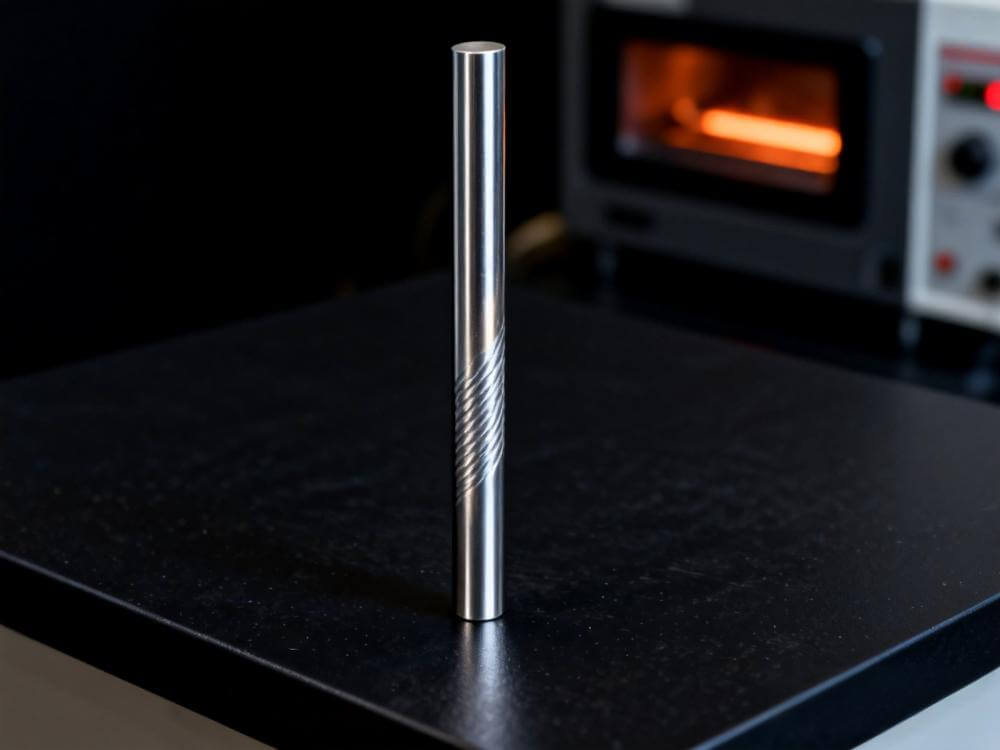
This week, magnesium prices were in the doldrums. As of press time, mainstream quotations for 99.90% magnesium ingot in main production areas were 15,050-15,150 yuan/mt, down 50 yuan/mt from last Thursday.
This week, magnesium prices showed a downward-then-upward trend. On the supply side, primary magnesium smelters were squeezed by both cost support and supply pressure, seeking a balance point. Most smelters sold small volumes at low prices, and low-priced supply was generally tight this week. On the demand side, overall end-use demand did not improve significantly, but procurement demand recovered notably from earlier levels, attracted by low prices. Overall market transactions recovered clearly, and magnesium prices bottomed out on demand support. In summary, affected by uneven inventory distribution among primary magnesium smelters, the magnesium market showed a short-term undersupply pattern this week, and magnesium prices bottomed out. However, as magnesium prices continued to rise, available supply in the market increased, reversing the short-term supply-demand pattern again. Magnesium prices are expected to lack upward momentum.
1.2.2 Magnesium Ingot (Tianjin Port - China FOB)
This week, China FOB prices were quoted at $2,160-2,260/mt, with an average of $2,210/mt. Magnesium ingot FOB prices rose $10/mt WoW.
This week, magnesium ingot FOB prices were stable first and then rose, mainly driven by improved transactions from phased delivery procurement, coupled with upstream primary magnesium smelters holding prices firm and holding back from selling, pushing magnesium ingot prices to rebound slightly. Meanwhile, foreign trade exchange rates improved slightly recently, and traders adjusted FOB quotations in line with domestic ex-works prices. However, constraints remain: although foreign trade inquiries emerged, downstream end-users pushed prominently for lower prices, continuously squeezing trader margins and suppressing willingness to take orders and stockpile. Therefore, although magnesium ingot foreign trade prices edged up, upside still depends on end-user procurement acceptance and subsequent actual order fulfillment. In the short term, prices are likely to move sideways.
1.3 Magnesium Powder
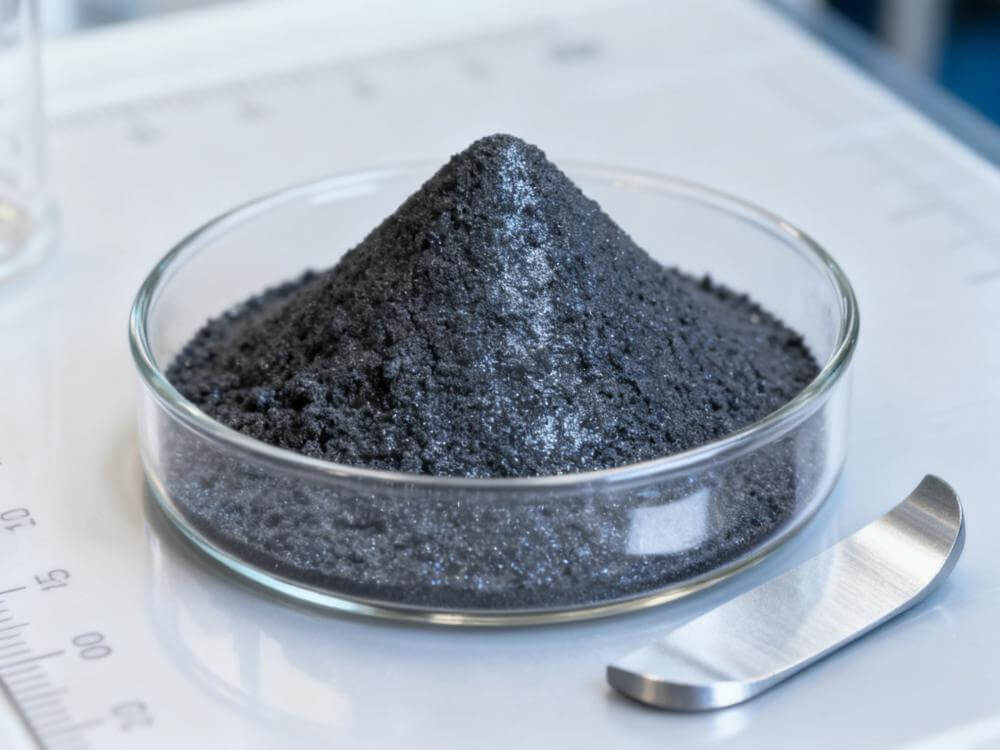
This week, mainstream tax-inclusive ex-works prices of 20-80 mesh magnesium powder in China were 16,300-16,400 yuan/mt; China FOB prices were $2,320-2,420/mt.
This week, the magnesium powder market consolidated on a weak note overall. Prices fluctuated in tandem with raw material magnesium ingot, holding steady early in the week and then edging down mid-week as semi coke and ferrosilicon costs declined. Demand remained mediocre, with domestic downstream users mainly making just-in-time procurement of small orders and no concentrated stockpiling seen. Foreign trade was pressured by both exchange rates and weak overseas demand, with new orders following up slowly. Overall, the magnesium powder market is expected to continue consolidating in line with magnesium ingot cost side in the short term.
1.4 Magnesium Alloy
This week, mainstream tax-inclusive ex-works prices of magnesium alloy in China were 16,900-17,200 yuan/mt, and mainstream FOB prices of magnesium alloy in China were $2,445-2,535/mt.
This week, the magnesium alloy market remained in the doldrums. On the supply side, magnesium alloy smelters faced an industry winter. The magnesium alloy industry generally reported that Q4 orders shrank sharply this year, with some magnesium alloy smelters seeing orders halved. Smelters successively lowered operating rates but still struggled to reverse the current oversupply pattern in magnesium alloy. On the demand side, end-use demand for magnesium alloy was mainly supported by two-wheeled electric vehicles and automobiles. Currently, automakers are struggling under the broader environment, the magnesium-for-aluminum substitution process is advancing slowly, and demand from magnesium die-casting enterprises has therefore contracted. In summary, magnesium alloy smelter demand shows no clear signs of recovery in the short term, and the market is expected to remain in the doldrums.
2 Weekly Summary
This week, the magnesium industry chain showed a downward-then-upward pattern of consolidating on a weak note. For raw material dolomite, local high-grade mines in Shanxi remained suspended and tight, and smelters expanded their procurement radius to supplement supply, keeping dolomite prices stable. Magnesium ingot in main production areas edged down during the week, but just-in-time procurement recovered somewhat on low-price attraction, and prices bottomed out. However, after supply was released, upward momentum was insufficient. Foreign trade FOB prices also edged up, with improved transactions driven by phased delivery, but overseas end-users pushed prominently for lower prices, limiting upside. Magnesium powder consolidated in tandem with magnesium ingot costs, with both domestic and ex-China demand weak and only just-in-time small orders maintained. Magnesium alloy orders contracted notably in Q4, and smelters lowered operating rates but still struggled to ease oversupply. End-use demand from automobiles and other sectors lacked momentum, and the short-term outlook remained weak overall. Focus should be on the implementation of production cuts at domestic smelters and overseas procurement orders.