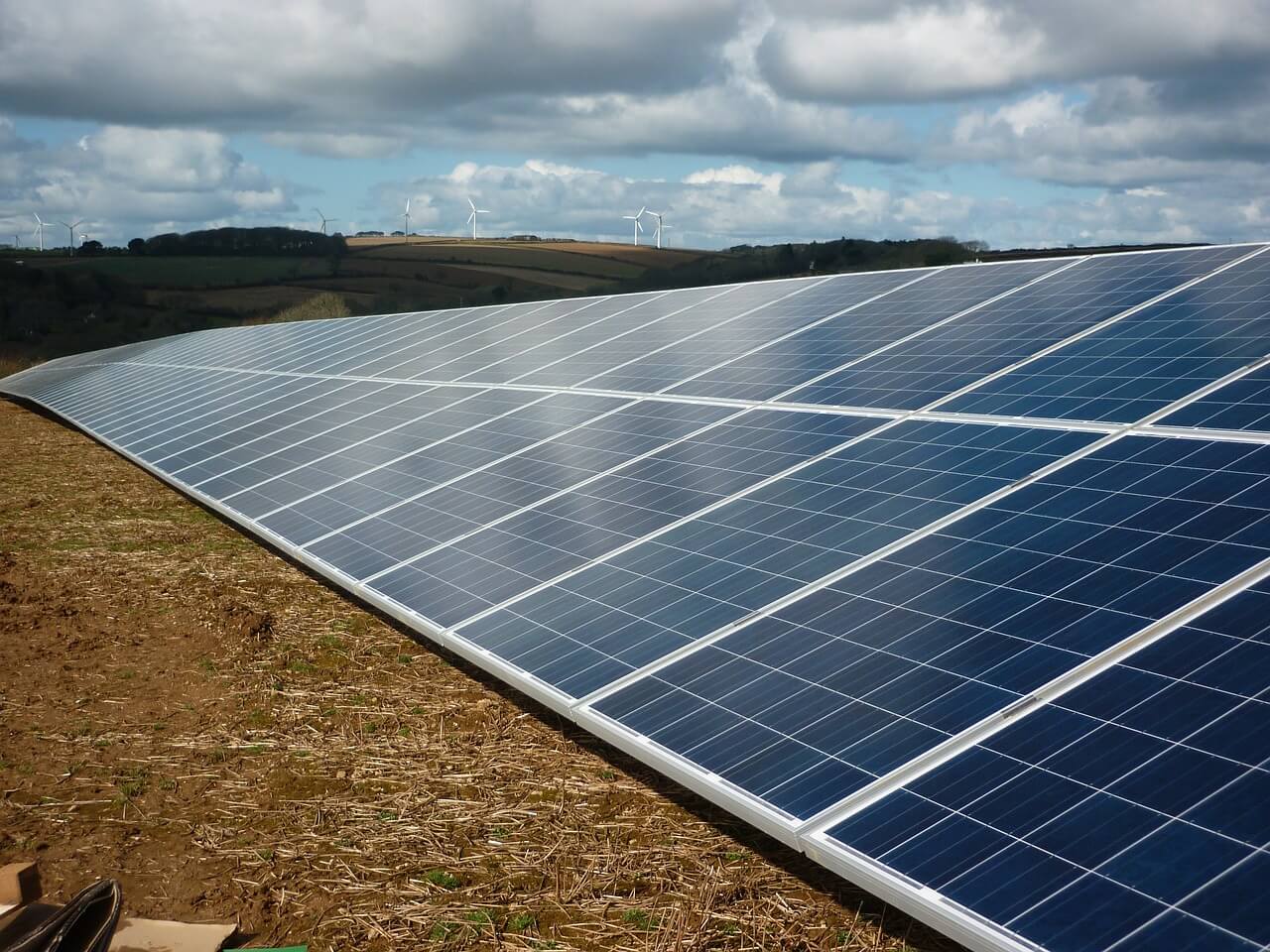
Recently, the second phase of China Energy Engineering's "Qingqing Hydrogen No. 1" Songyuan project officially commenced, with a total investment of 10.828 billion yuan. It will build a 1,600 MW wind and solar power generation project, an energy storage project, and two sets of large-scale green flexible ammonia synthesis units. Once completed and at full production, it will be able to produce 56,000 mt of green hydrogen and 400,000 mt of green ammonia annually; combining phases one and two, annual green ammonia capacity will reach 600,000 mt.
From demonstration and validation to commercialisation and scale-up
For Jilin, this is a relay "breakthrough". When phase one was put into production, Jilin had already cleared the first hurdle – the hydrogen-ammonia-methanol integrated project was implemented, enabling "wind and solar power into green ammonia" to run through Songyuan. The start of phase two is the second hurdle – whether this well-known industrial calling card can move from "demonstration and validation" into the deep waters of "commercialisation and scale-up", whether the economics work out, the industry can stay, and the experience can be replicated.
Songyuan is located in western Jilin, one of the regions rich in wind and solar resources in the province. Over the years, wind power and PV installed capacity here have grown rapidly, but the contradiction of "can generate, cannot transmit, cannot use well" was once prominent. The answer provided by "Qingqing Hydrogen No. 1" is: convert green electricity into hydrogen on site, and then convert hydrogen into ammonia and methanol. Green ammonia is easy to store and transport and has a broad market, and can be used as fertiliser raw material, chemical raw material, and marine fuel, which is equivalent to finding a conversion channel for green electricity in western Jilin that "can be accommodated, transported out, and sold".
The project innovatively adopts the "wind-solar-hydrogen-ammonia-methanol integration" model, building an entire industry chain covering hydrogen production, hydrogen storage, hydrogen-based chemicals, hydrogen energy equipment, and R&D.
Self-generation for self-use with surplus power to the grid, intelligently switching between production and power sales strategies
The significance of phase two of "Qingqing Hydrogen No. 1" lies in the fact that the 1,600 MW wind and solar power generation is paired with large-scale ammonia synthesis units, and the new energy power adopts the "self-generation for self-use, surplus power to the grid" model – most of the green electricity is converted into chemical products on site, and the remaining power is fed into the grid. This is equivalent to building a "zero-carbon chemical plant" in Songyuan that uses wind and solar power as raw materials, directly converting Jilin's natural resource advantages into advantages in chemical products.
To address the three major bottlenecks commonly faced by the wind-solar-hydrogen-ammonia industry – "fluctuation mismatch, local consumption of green electricity, and downward pressure on electricity prices under market-based trading" – the project adopts a multi-steady-state flexible ammonia synthesis process, applies virtual power plant control technology with direct green electricity connection, and relies on wind and solar power forecasting and electricity market price signals to intelligently switch between "prioritise chemical production" and "prioritise grid power sales" strategies. The piping networks of phases one and two are interconnected, and systems for hydrogen, desalinated water, and steam serve as mutual backups to ensure production continuity.
The value of this solution has reference significance for Jilin and even similar regions across the country: it proves that the fluctuations of wind and solar resources can be managed through process flexibility and market strategies, that local consumption of green electricity can be achieved through the combination of "chemical consumption + surplus power to the grid", and that downward pressure on electricity prices can be hedged through intelligent switching of revenue strategies.
Annual reduction of 1.4 million mt of carbon dioxide, equivalent to planting 70 million trees
Green ammonia is a hot track in the global energy transition. With an annual capacity of 600,000 mt, Jilin has moved to the global forefront in this track. According to estimates, after phase two is put into production, the project can reduce carbon dioxide emissions by 1.4 million mt annually, equivalent to planting about 70 million trees. This emission reduction is a tangible contribution by Jilin to the national "dual carbon" agenda.
But more important than the numbers is the industrial ecosystem. The green ammonia industry involves multiple links such as wind and solar power generation, electrolysers, hydrogen storage, ammonia synthesis processes, and equipment manufacturing. The entire industry chain layout of "Qingqing Hydrogen No. 1" provides entry opportunities for Jilin's local equipment manufacturing, engineering services, and R&D industries. The experience accumulated during project advancement in flexible ammonia synthesis processes and virtual power plant control technology will also be consolidated into Jilin's industrial capabilities in the hydrogen energy sector.
From simply developing wind and solar resources to on-site conversion into green chemical products, Jilin's new energy industry is completing a key leap: from pursuing installed capacity scale to pursuing resource conversion efficiency and industrial added value.