I. The Phenomenon: Price Hike Signals Appear at Every Link in the Chain, with Consumer-Grade Flagship GPUs Reportedly Discontinued
In SMM's original analysis of computing power rental prices published in August (https://news.smm.cn/news/104052041), the transmission effect of computing power rental prices had already become evident. The rental price of 5090 eight-card servers, located at the very end of the computing power rental price transmission chain, is a key indicator reflecting shifts in the supply-demand relationship of the computing power rental supply chain. In the week following the end of China's 2026 National Day holiday, unusual movement occurred at the very end of the chain. SMM market tracking shows that on October 10, the rental price of 5090 servers in east China rose to 16,000 yuan/unit/month, up 18.5% from 13,500 yuan/unit/month in early September, reflecting the current undersupply in the 5090 rental market.
The same holds true for selling prices of desktop personal AI terminals. SMM market tracking shows that as of October 10, the domestic channel quotation for Nvidia's DGX Spark personal desktop AI workstation, equipped with a GB10 chip and 128GB of unified memory, had risen from 37,500 yuan/unit on September 20 to 42,500 yuan/unit, an increase of 5,000 yuan over three weeks, or 13%. Nvidia's official pricing has also been raised twice within the year: the 128GB version went from $3,999 at its launch on October 15, 2025, to $4,699 in February 2026, and then to $6,000–6,500 on October 2; the new 64GB memory version released on October 5 starts at $4,999—half the memory, yet priced higher than the 128GB version from a year earlier. Domestic system producers have already followed suit: xFusion's FusionXSpark GB10 workstation (128GB unified memory) has appeared in the public procurement market at around 37,000 yuan per unit. On October 7, Microsoft released the Surface RTX Spark development host. Together with GB10-architecture products from nine producers including Acer, Asus, Dell, H3C, and Lenovo, desktop-grade AI devices have evolved from a single product into a category—and this new category has seen across-the-board price increases during its formative stage, driven by demand for local deployment of large AI models rather than purely by channel markups.
Product strategy adjustments by producers at the top of the supply chain are another variable accelerating this round of transmission. On October 10, multiple overseas hardware media outlets including Tom's Hardware and TechPowerUp reported in concentrated coverage that Nvidia has stopped allocating GB202 chip capacity to the RTX 5090 series (including the 5090D compliant version for the Chinese market), and that all subsequent GB202 supply will be exclusively dedicated to the RTX Pro professional card product line; the gaming product line will see the RTX 5080 24GB take over as the flagship, while the RTX 5080 16GB will be discontinued simultaneously.
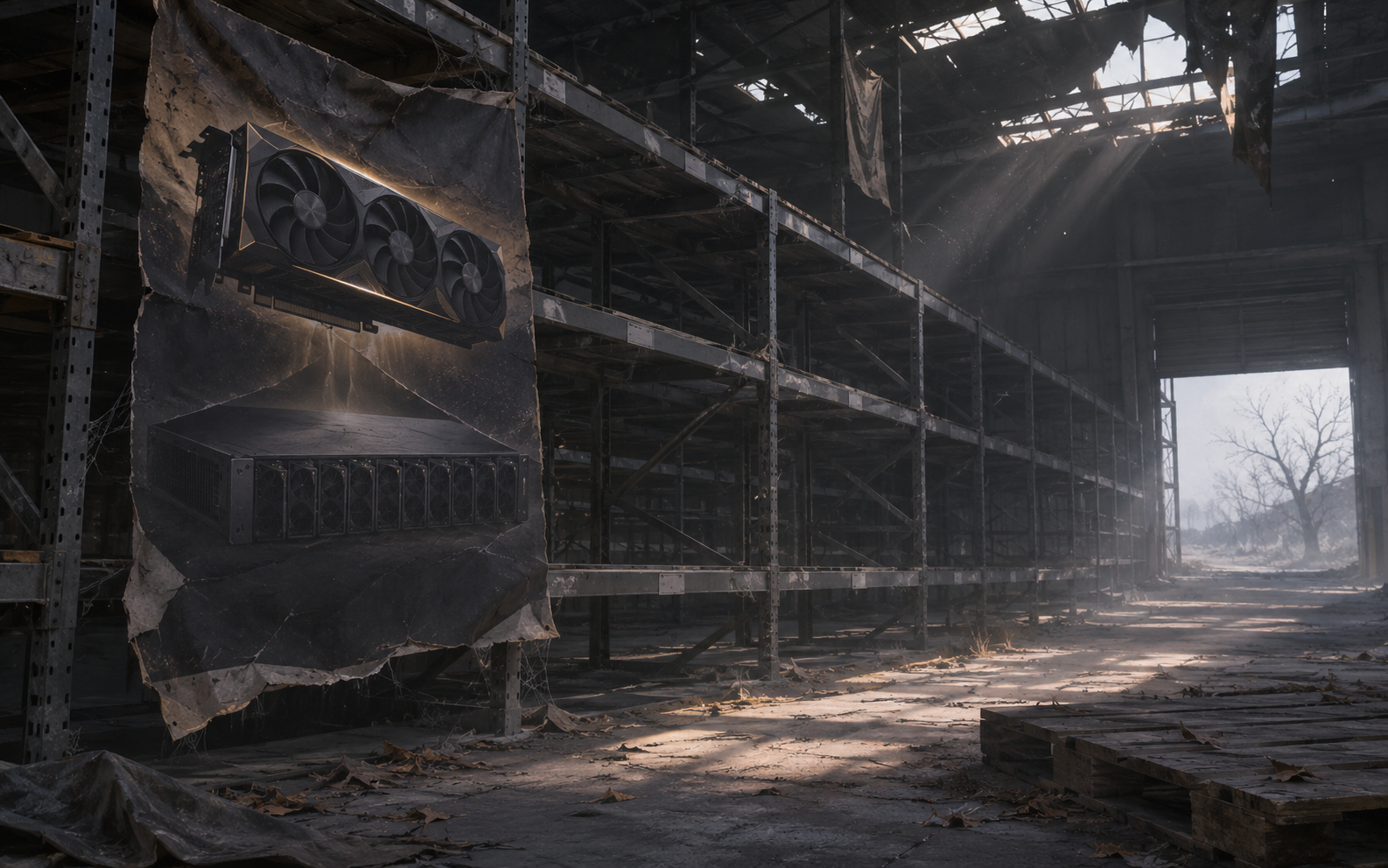
SMM's on-site visits to consumer electronics retail stores in North America in October found that the highest-performance graphics card consumers can buy as spot cargo has dropped to the RTX 5080, with the 5090 extremely hard to find. Low and mid-end models such as the 5060 and 5070 have also been locked inside display cases, with specific selling prices and cargo pick-up details requiring additional consultation with store staff. Field visits and production halt reports corroborate each other: the 5090's disappearance from shelves may not just be because GPUs are selling too fast, but because they are no longer being produced.
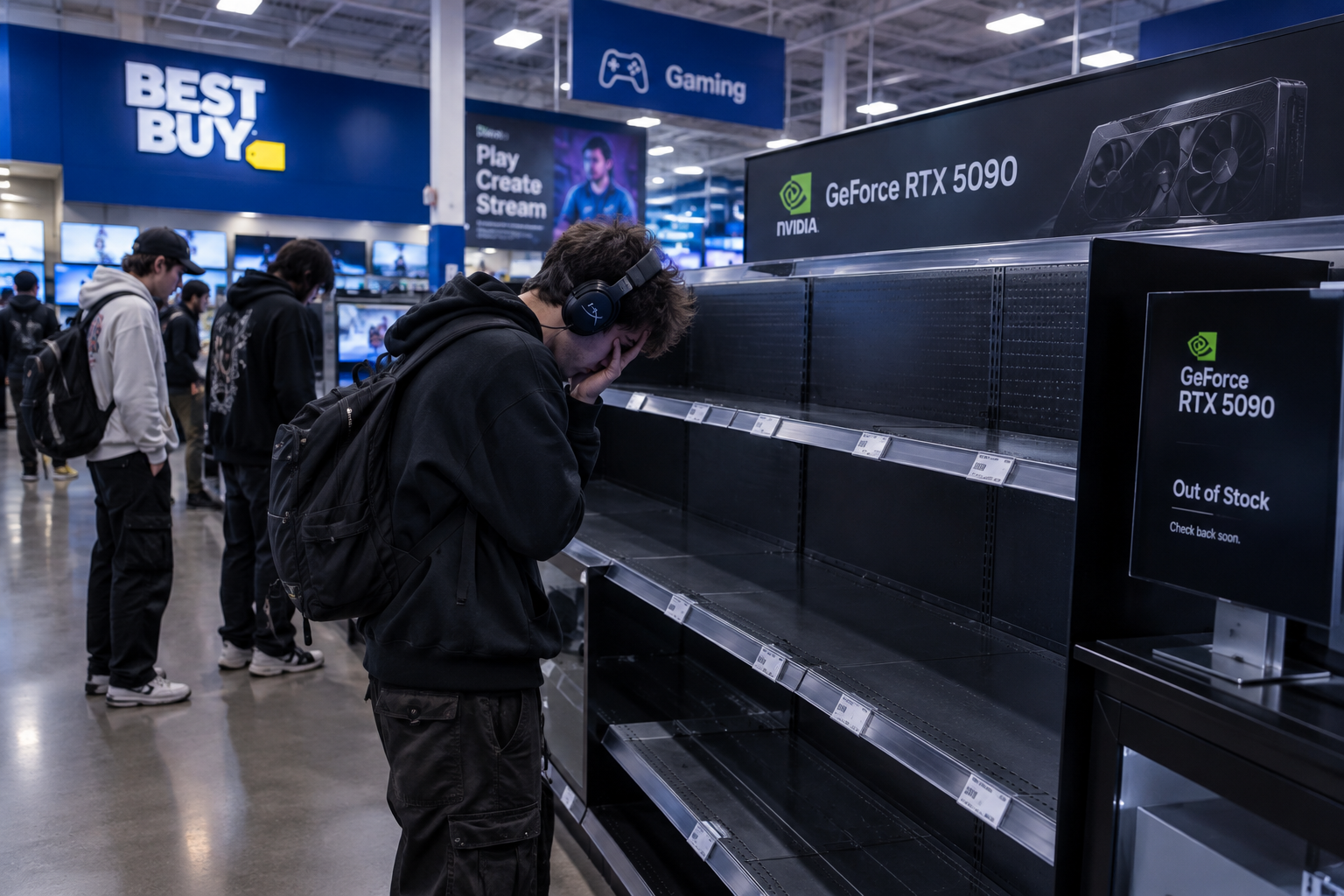
According to SMM's computing power rental market tracking, after the National Day holiday ended, the 5090 single-card quoted price continued to rise: on September 17, the 5090 fan card quoted price in the south China market was 46,800 yuan per card, and by October 10, fan cards had reached 50,500–51,000 yuan per card, while blower cards were at 53,000–54,000 yuan per card, all tax-inclusive quotes—a further increase of about 8%–9% in three weeks.
At this point, the growth and transmission of computing power demand have been confirmed by two independent price lines: in the rental market, the 5090 monthly rental and single-card prices have continued to rise, measuring the supply and demand of existing computing power; in the desktop equipment market, the purchase prices of AI terminals such as DGX Spark have risen, measuring the intensity of new computing power demand. The price increases in the two markets belong to different contract forms, but they point in the same direction.
II. Computing power price increase mechanism: upstream contraction of chip and storage capacity, reduction in midstream leasable inventory, and sustained pressure from downstream demand
The demand-side direction of this transmission chain has been detailed in previous SMM analysis (https://news.smm.cn/news/104086963).
Since August, the SMM computing power rental price composite index (average price, yuan per card per hour) has shown a "three-stage" rise, with a total increase of about 26%.
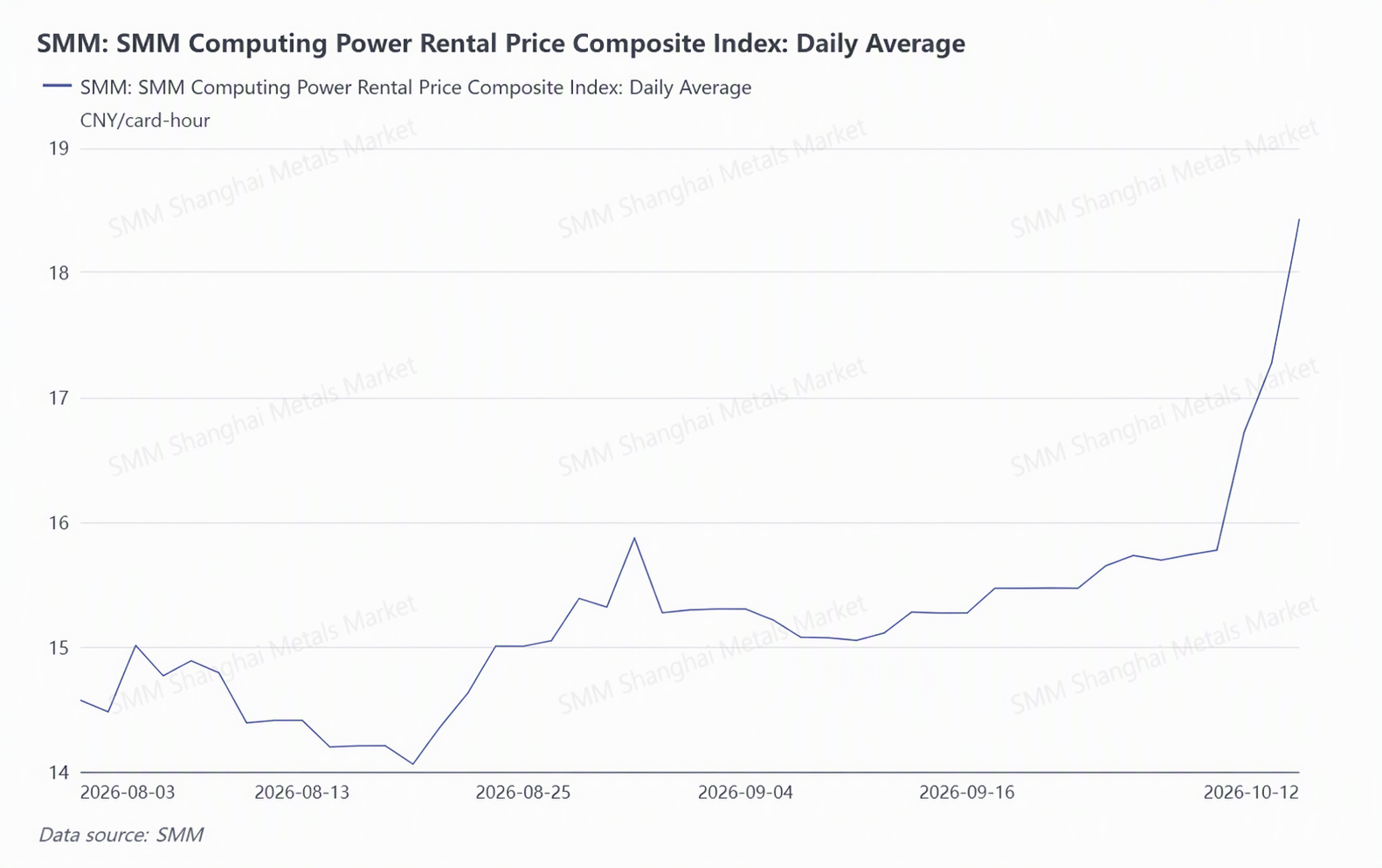
The index pattern corroborates the spot signals from SMM market tracking: the stage high at the end of August corresponds to the first wave of high-end computing power price increases being transmitted to the mid-end, the September consolidation corresponds to the "buffer absorption" stage, and the jump after October is synchronized with first-line collection signals such as an 18.5% rise in monthly rent for east China 5090 eight-card servers, an 8%–9% rise in 5090 single-card prices over three weeks, and a 13% rise in DGX Spark channel prices over three weeks—after the buffer layer was breached, the shortage has become explicit at the index level.
The computing power demand for training and inference of the new generation of large models is first transmitted to the GB300 and B300 series; top-performance servers are expensive and supply is constrained, so demand spills over in turn to the H200, H100, and existing second-hand A100 series, then down to the Pro 6000 and 5090, and finally to the 4090. SMM's judgment in August was that "the mid-end computing power rental supply side has a buffer, and subsequent price transmission lacks momentum"; two months later, the buffer has been breached—the Pro 6000 server version single-card spot price in south China has risen from about 130,000 yuan in August (third-party market data) to 182,000 yuan in late September and early October (according to SMM), an increase of about 40%. The 5090 and Pro 6000, which took over the price increases from the upper tier, have themselves become scarce models: the computing power rental demand borne by these two devices, especially inference demand, continues to be transmitted downward after supply at that tier peaks.
This week's news of the 5090 production halt adds a supply-side decline signal on top of rising demand: GB202 chip capacity is no longer split between the 5090 and RTX Pro series, but is being actively shifted to the RTX Pro, which offers higher specifications, larger memory, and a higher per-card selling price. The GB202 is the largest single chip in NVIDIA's Blackwell architecture for consumer and desktop segments, with the same chip serving four tiers: on the consumer side, it becomes the RTX 5090 (32GB memory, launch price $1,999); on the professional side, it becomes the RTX Pro 6000 (96GB memory), RTX Pro 5500 (84GB memory), and RTX Pro 5000 (72GB/48GB memory). Even if the 5090's price rises above $6,000, the revenue per chip for producers remains far lower than that of the RTX Pro series.
On September 14, NVIDIA launched the RTX Pro 5500 product page: its CUDA core count is the same as the 5090, while memory increases from 32GB to 84GB with ECC support, enabling it to handle higher-spec inference workloads while using the large-memory premium to boost product pricing and margins. The card has not yet been officially priced, with industry estimates at 90,000–95,000 yuan per unit; SMM has learned that some suppliers in mainland China have already quoted a pre-sale price of 95,000 yuan per unit. For downstream GB202 products, the 5090 targets the price-sensitive consumer market, while the RTX Pro 5500 targets the workstation and data center market, where premiums are several times higher and large-volume procurement demand exists. This is the driving force behind producers shifting available capacity to the Pro 5500 while halting 5090 production.
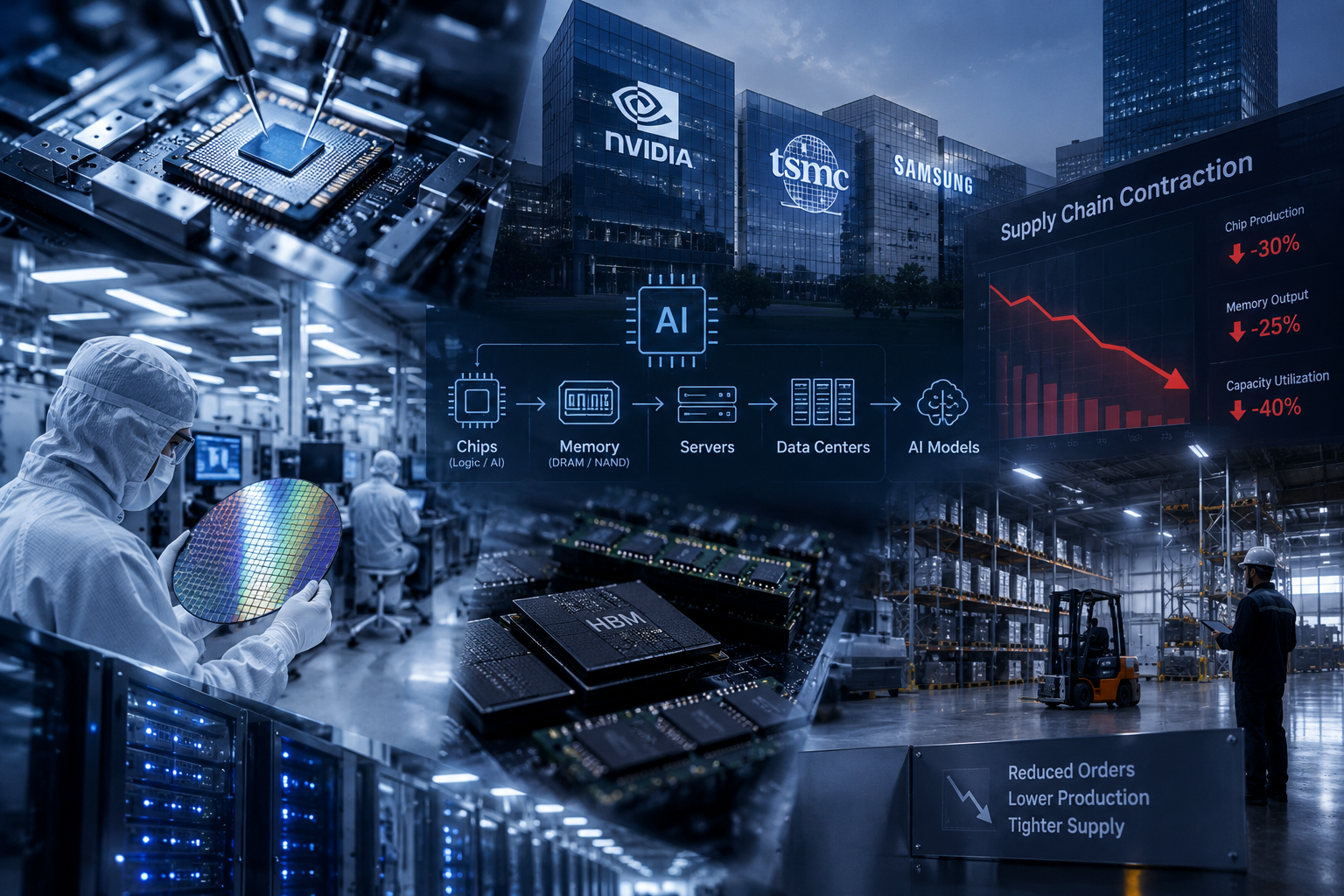
Price fluctuations caused by reallocating capacity based on product profitability have already played out once in the memory industry. In 2023, when DRAM was in severe oversupply, Samsung joined production cuts and reduced its DRAM production plans, while announcing on its July 27 earnings call that "HBM high-bandwidth memory capacity dedicated to data center GPUs will at least double in 2024 compared with 2023." Three years later in 2026, LPDDR5X memory used in desktop devices and GDDR7 memory used in high-end consumer and workstation graphics cards are both weighed down by insufficient DRAM capacity supply, driving noticeable increases in whole-device prices—NVIDIA's two DGX Spark price hikes during the year and the launch of a 64GB memory version after the 128GB version are examples of system makers protecting margins amid rising memory prices.
Meanwhile, high-bandwidth memory (HBM) has jumped from being a niche segment within memory chips to a decisive variable in Samsung Electronics' profit growth. According to Samsung Electronics' official financial reports, in Q2 2026 the company's semiconductor division posted revenue of 127.5 trillion won and operating profit of 8.92 trillion won, contributing 99.7% of the company's total operating profit in a single quarter; within that, the memory business posted quarterly revenue of 12.08 trillion won, up 471% YoY, with the company explicitly stating that the record performance stemmed from "proactively responding to AI server demand." In its Q2 2026 earnings call, Samsung said it expects Q3 HBM4 sales to grow more than 3x QoQ, and that HBM4 will account for more than 60% of its total HBM sales in H2. When Samsung announced on its earnings call in July of that year that "HBM capacity will at least double in 2024," the general-purpose memory market was at the bottom of an oversupply cycle. In three years, HBM has shifted within Samsung Electronics from a marginal category to a profit pillar.
This shows that limited chip capacity always flows to the category with higher unit returns; and from capacity strategy adjustment to supply-demand relationship changes taking effect and triggering price movements, there is a two-to-three-year time lag. In addition, the availability of vacant server rental resources and the reluctance of advanced computing equipment holders to sell have amplified downstream the hardware procurement price and computing power rental price increases caused by the above supply-demand imbalance.
III. Attribution of Computing Power Price Increases: Structural Contradictions Among Demand Surge, Supply Contraction, and Chip Import/Export Controls
From the demand side: large-model training and inference demand have both exploded—training demand for the new generation of ultra-long-context models, together with inference demand growth from embodied AI and desktop office agents, have jointly driven up computing power rental prices and server procurement prices.
On the training side, major internet companies and large-model companies are still accelerating their self-built progress, with the most representative example being DeepSeek's strategic shift. This large-model company, previously known for its "asset-light, efficient use of computing power," has clearly turned to building its own data centers: according to Bloomberg, it is planning to build a roughly 1GW-class large-scale intelligent computing center in the northwest region, intending to purchase 160,000 Huawei Ascend 950DT chips, mainly for AI inference, with total investment expected to reach tens of billions of yuan; the project adopts a parallel model of "self-built facilities + external computing power rental," with the first 500MW phase expected to come online by the end of 2027. As early as April this year, the company's website had already posted positions locally such as senior data center delivery manager and senior operations engineer, seen as an early signal of its layout.
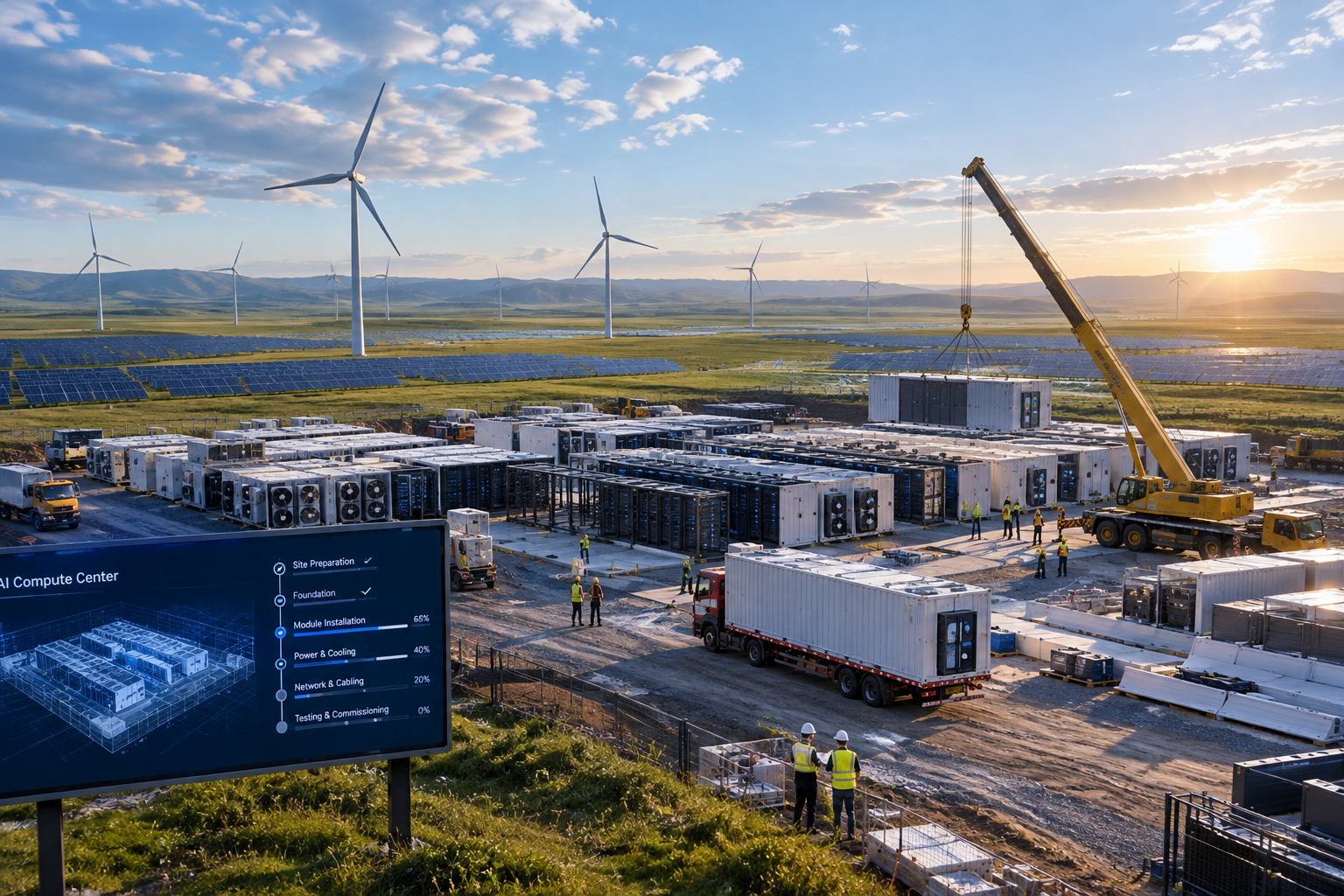
Large enterprises' parallel approach of self-building and external rental has further tightened the leasable supply in the market—when the largest demand-side players simultaneously become supply-side players, the rental market faces not just inventory tightening, but also a rewriting of the demand structure itself.
On the inference side, Chinese models have ranked first in weekly call volume on global third-party routing platforms for twenty consecutive weeks, and continuous production billed by token has transformed inference demand from project-based to constant consumption.
From the supply side: Nvidia's annual chip architecture iteration, combined with proactive product mix adjustments, means the GPU market is almost always in the capacity ramp-up period of some generation. And the discontinuation of the 5090 shows that supply contraction takes not only the form of "insufficient capacity" but also "capacity reallocation": when total capacity is constrained by memory and other factors, producers will allocate limited wafer and VRAM quotas to the product lines with the highest unit returns, and consumer-grade graphics cards are being systematically downgraded on this priority list. Another signal from the supply side comes from changes in the internal division of labor at telecom operators: the core work of intelligent computing managers at various branches has shifted from maintaining customer relationships to securing the GPU server supply chain and ensuring on-time, on-quantity equipment delivery—the functions of sales-oriented and procurement-oriented roles are further merging.
From the structural layer: export controls have split the same type of demand into two markets. Data center-grade cards available through compliant channels have narrowed to models such as the H20, while higher-end models are restricted at the full-rack level; the 5090D is reported to have been discontinued together with the standard version this time, meaning the position of the compliant consumer flagship will also be taken over by the next tier of products. The price performance of the two markets is therefore completely different: compliant versions have unrestricted supply and significantly smaller price increases than restricted versions.
IV. Boundaries of Computing Power Price Research
(I) Certainty of Information and Facts
First, the prices of the RTX Pro 5500 are all unofficial. The card's official pricing and launch date have not yet been announced: the "90,000–95,000 yuan per card" in the text is an industry estimate, and the "95,000 yuan per card pre-sale quote" is a quote from a mainland China supplier (as learned by SMM). The above figures are used to illustrate the demand intensity of the workstation-class market and do not constitute a conclusion on the card's price.
(II) Premises and Limits of This Article's Judgments
Second, the judgment two months ago that "price increases stopped at the 4090 and 5090 end" was based on the premise that mid-end consumer graphics cards had "large existing inventory + sustained new supply," sufficient to absorb the demand passed down. Looking back this week, all three premises have simultaneously loosened.
First, on the demand side: computing power demand remains hot, and large-model iteration is extremely fast—DeepSeek released V4.1 Flash on September 10, and officially announced the discontinuation of V4 Pro—model life cycles are shortening, and the market has enormous demand for computing power inventory that can be called upon at any time; inventory has shifted from "buffer" to "rigid demand."
Second, on the 4090's supply: this model itself has been discontinued, new supply has long been contracting, and combined with damage and retirement of used cards after long-term high-load operation, net rentable inventory has decreased, and the premise of "large rentable inventory" no longer holds.
Third, on the positioning of the RTX 5090: it is not a "substitute for those who cannot afford the Pro 6000"—the GB202 core is the same as the Pro 6000, with the main difference being VRAM (32GB vs. 96GB); in actual computing power inference cluster projects, when the 5090 performs local video generation inference tasks, the energy efficiency and cost-effectiveness demonstrated by 32GB single-card VRAM and 8-card full-machine parallelism give it a comparative advantage—demand is not spilling over to the 5090, but directly targeting the 5090. All three premises have loosened simultaneously, and the buffer layer has been breached.
Third, the comparability of the 2023 memory price increase analogy is limited. 2023 was oversupply amid collapsing DRAM demand; today is undersupply amid exploding demand—the directions are opposite; what is comparable is only the single action of capacity transfer and the experience that "there is a two-to-three-year time lag from capacity adjustment to price realization." This article uses it to illustrate the decision-making pattern of "tilting capacity toward AI categories," and does not imply that memory capacity will repeat an oversupply situation.
(III) Data and Caliber
Fourth, the main cause of the DGX Spark price increase is memory rather than rental demand. This model is aimed at developers' local inference and is not in the same demand pool as data center rentals; this article uses it as a signal that "computing power price transmission has reached the very end," rather than as evidence that "rental shortages directly caused desktop price increases"—the two are indirectly related through memory as a common constraint.
Fifth, there is a gap between the DGX Spark's official pricing and domestic channel prices. The official $6,000–6,500 converts to approximately 43,000–46,000 yuan, which is already roughly equivalent to the domestic channel price of 42,500 yuan—the earlier price spread of "domestic below official converted price" is rapidly converging, indicating that domestic channels' earlier inventory is being absorbed. The "5,000 yuan increase in three weeks" in this article measures the consumption speed of domestic channel inventory, which is not synchronized with the pace of official price adjustments.
V: SMM Views
1: The computing power rental price chain has run its full course, and computing power scarcity has shifted from single-layer mismatch to total shortage. Price increase signals have moved from the top-end GB300 down to the bottom-end desktop DGX Spark device, and every link is moving. Countermeasures such as finding substitute models or changing rental term structures are ineffective under total computing power shortage; the only buffer for demand-side players is time: lock in supply earlier, or purchase later. For price monitoring systems, coverage must also extend to the very end—desktop device and retail-end quotes have become leading indicators for judging tightness across the entire chain.
2: The analytical framework must be upgraded from "which layer demand has reached" to "which layer demand has reached and which layer supply has withdrawn from." If the 5090 discontinuation is officially confirmed by Nvidia, it means Nvidia is proactively rearranging its product pyramid: consumer-grade is yielding to workstation-grade, and the same chip is being concentrated toward markets with higher premiums. But the rental side's calculus is the opposite: the 5090's cost-effectiveness in local video generation inference exceeds that of the Pro 6000—from the same wafer, the producer earns more selling Pro cards, while the renter gets better value using the 5090; the two ledgers point in opposite directions, which is why the 5090's price increase is the most rigid. The impact is also twofold: consumer-grade second-hand supply narrows with the discontinuation, while the RTX Pro series becomes a new procurement target in the rental market, and the 20,000-card large order has already pointed the way.
3: Capacity always flows to categories with higher unit returns. In 2023, Samsung doubled capacity and bet on HBM when commodity memory was in surplus; in 2026, Nvidia shifted GB202 to RTX Pro when gaming card prices were rising—three years apart and across two industries, it is the same decision-making logic. For investors and builders, the next round of cost fluctuations will most likely not originate from computing power chips themselves, but from categories affected by capacity reallocation: general-purpose memory, consumer graphics cards, and complete machine components—memory price increases propping up second-hand complete machine residual values follow the same logic.
4: Server suppliers holding back from selling is both a result of price increases and an amplifier of them. The thinner the second-hand circulation, the firmer the spot price, and the less willing holders are to sell; the breaking point of this positive feedback lies on the supply side—after the 5090's discontinuation, new supply of consumer-grade existing cards has been cut off, and the conditions for reopening circulation have become more stringent.
5: The price increase gap between compliant and restricted chips is a real-time reading of policy rent. Compliant versions have unrestricted supply and smaller increases, while restricted versions have larger increases; the difference between the two is the price converted from controls at the current point in time. It fluctuates with changes in control parameters, and should not be counted as part of the equipment's performance value, nor should it serve as a long-term pricing benchmark.
6: The shift in the core focus of telecom operators' intelligent computing managers from "selling computing power" to "procuring equipment" marks the transmission of computing power scarcity from the price layer to the project delivery layer. When the focus of intelligent computing managers shifts from maintaining customer relationships to securing the supply chain, getting the goods has become more important than negotiating the price—restricted supply of advanced computing power has become a major constraint on operators' computing power businesses.
VI. Outlook
Short term (3–6 months): Q4 2026 to Q1 2027 is the traditional peak season for operator and government-enterprise centralised procurement, compounded by year-end delivery deadlines, so the tightness is likely to persist, and 2026Q4–2027Q1 is the first tightest window. Observation indicators increase to four: whether the 5090 discontinuation is officially confirmed and the speed of channel inventory consumption; the launch pricing of the RTX 5080 24GB (which will mark the new ceiling for consumer-grade computing power); whether 4090 listings reappear and at what price; and whether DDR5 spot prices stop rising.
Medium term (6–12 months): watch the production ramp-up of the Vera Rubin series in Q1 2027, as well as the official pricing and delivery pace of the RTX Pro 5500—if workstation-grade products continue to secure large orders, the price gap between consumer-grade and professional-grade will solidify into two independent markets. If Vera Rubin production scheduling goes smoothly, H2 2027 is expected to ease the current computing power shortage; if production falls short of expectations, the computing power shortage will extend to the next transition period.
Long term (1 year or more): under Nvidia's annual chip architecture iteration pace, the tightest point is never the calendar concept of "next year," but rather the transition gap during each architecture switch. The 5090 discontinuation also signals a longer-term variable: when the unit returns of AI and workstation products are consistently several times those of consumer-grade products, consumer-grade's position in chip producers' capacity priority list may be permanently downgraded—the era when gaming cards and computing power cards share the same origin and production is heading toward its end. Whether scarcity becomes normalized depends on the relative speed of demand growth versus total supply elasticity (the sum of Nvidia capacity, memory capacity, and domestic substitution ramp-up).