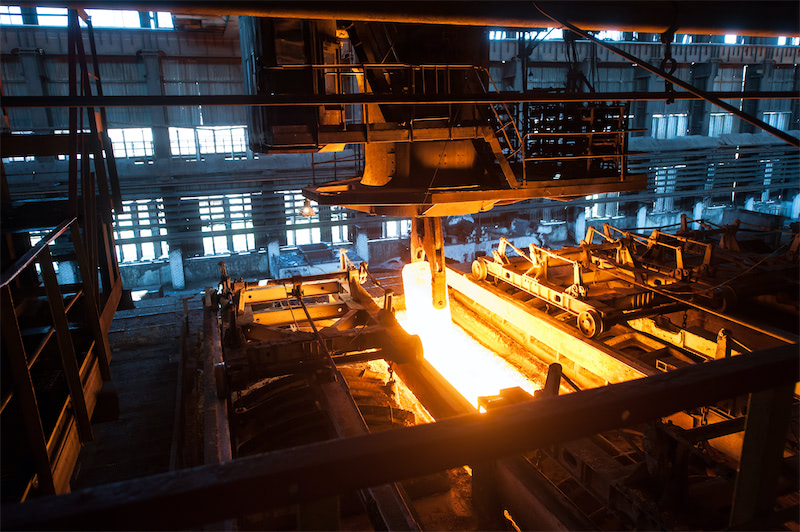
Starting from October 2025, export schedule data for steel mills has been added. The planned production of rebar and wire rod includes exports but excludes steel billet exports.
According to the SMM survey of 56 sample key steel producers:
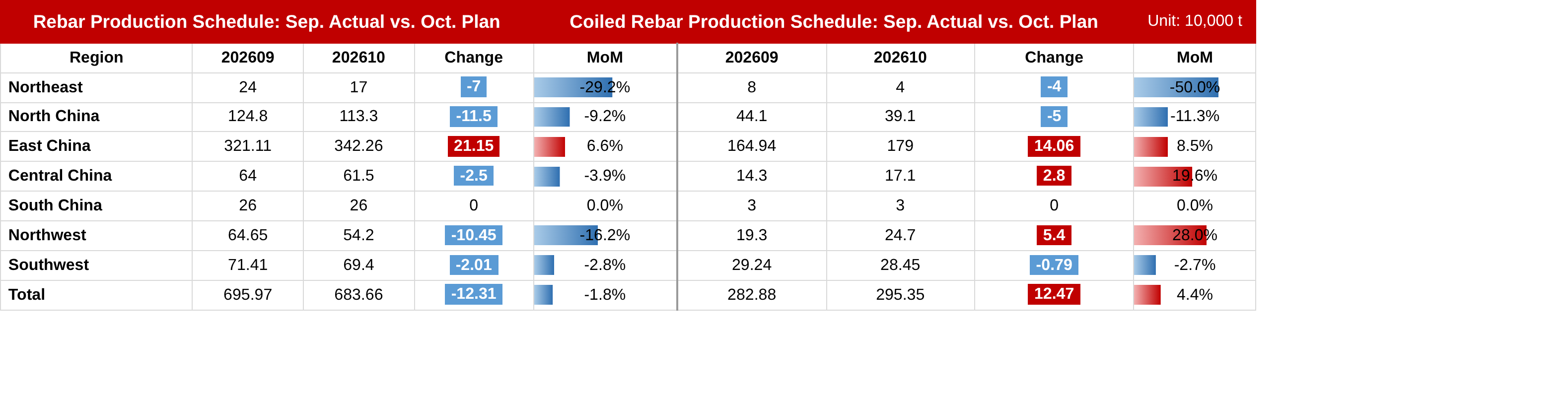
- In October, the planned rebar production was 6.8366 million mt, down 123,100 mt or 1.77% from actual September production.
- In October, the planned wire rod production was 2.9535 million mt, up 124,700 mt or 4.41% from actual September production.
Chart 1-2: Rebar & wire rod production schedules at mainstream construction steel mills (56 mills)
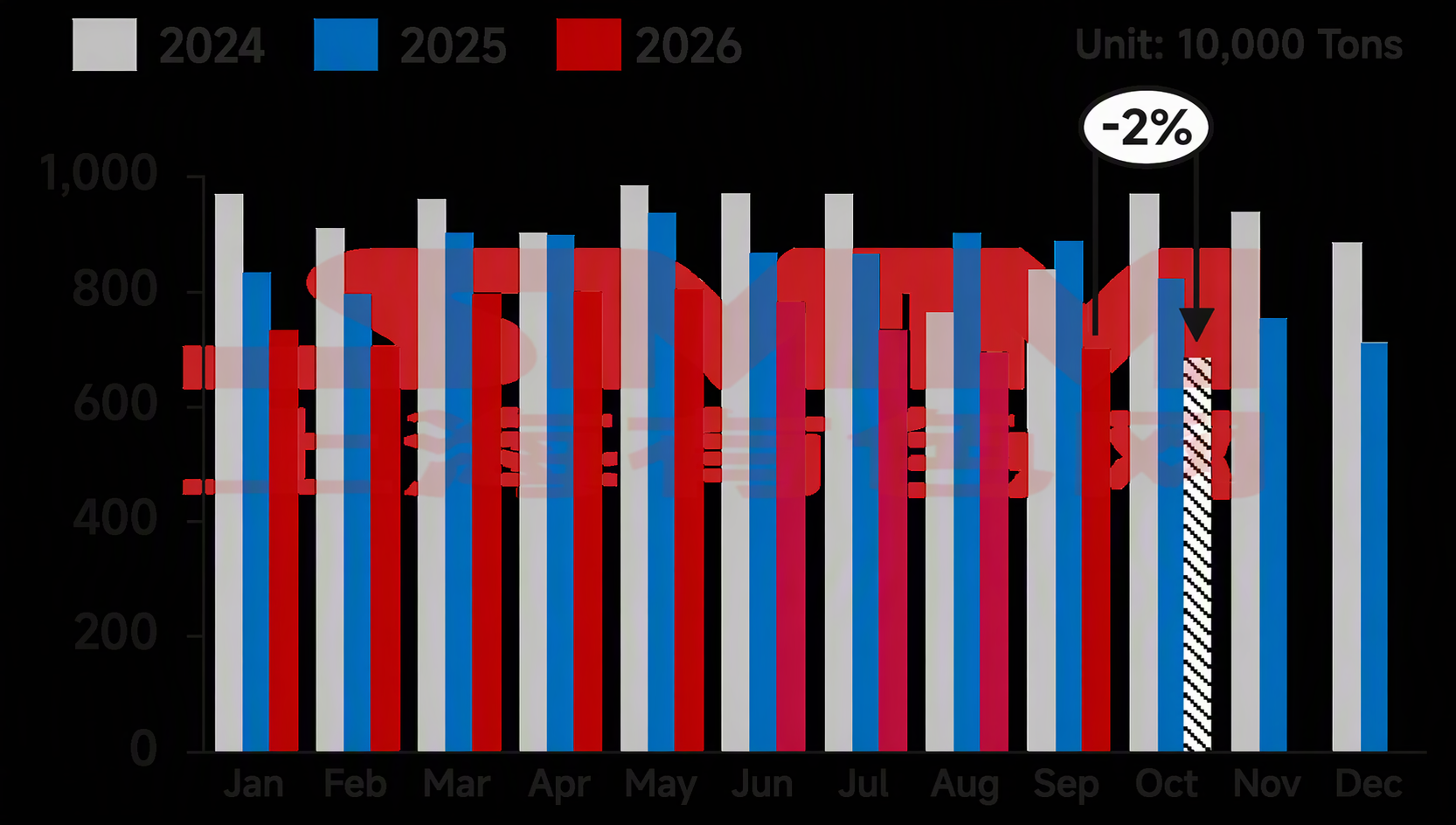
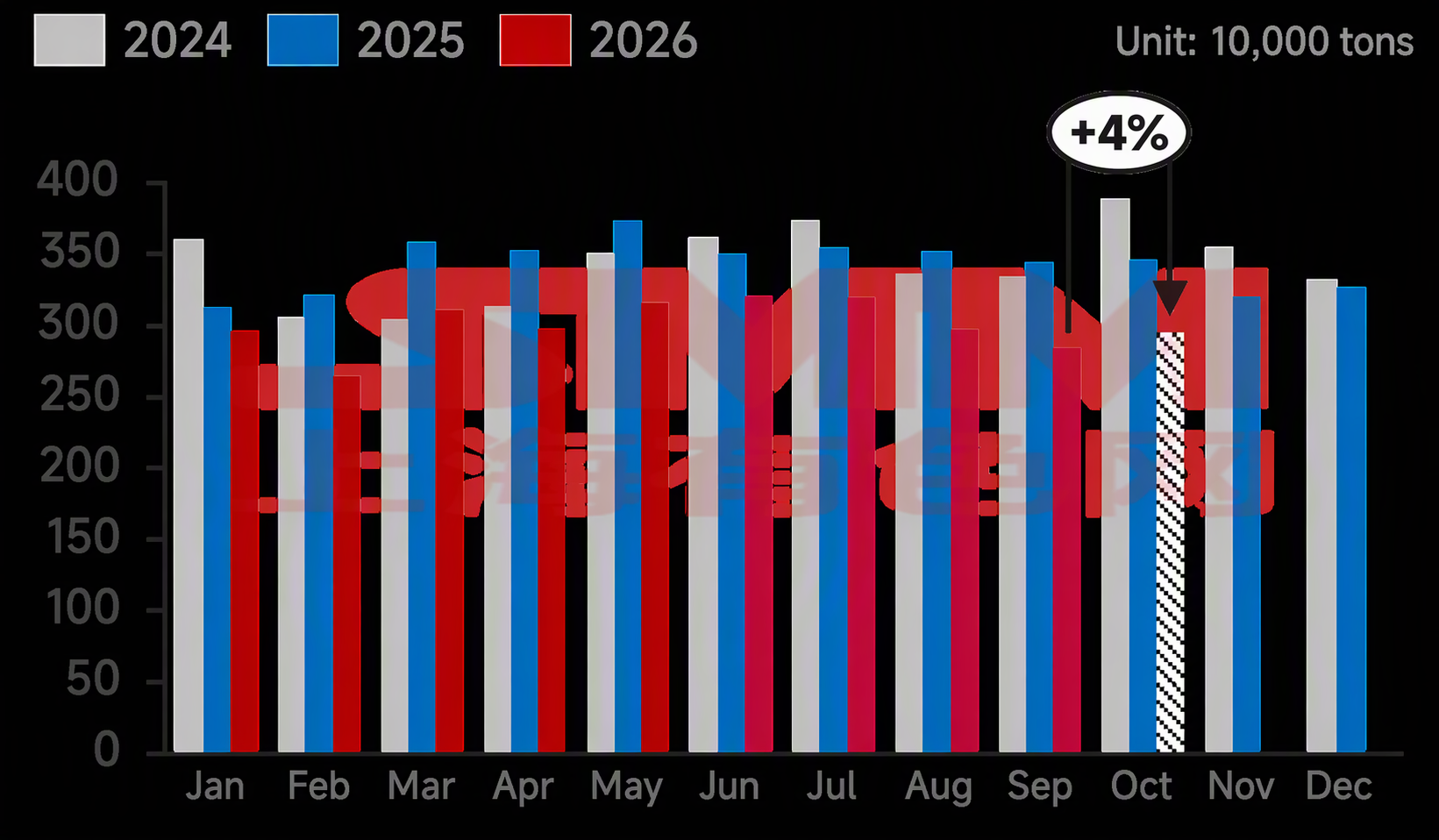
Source: SMM
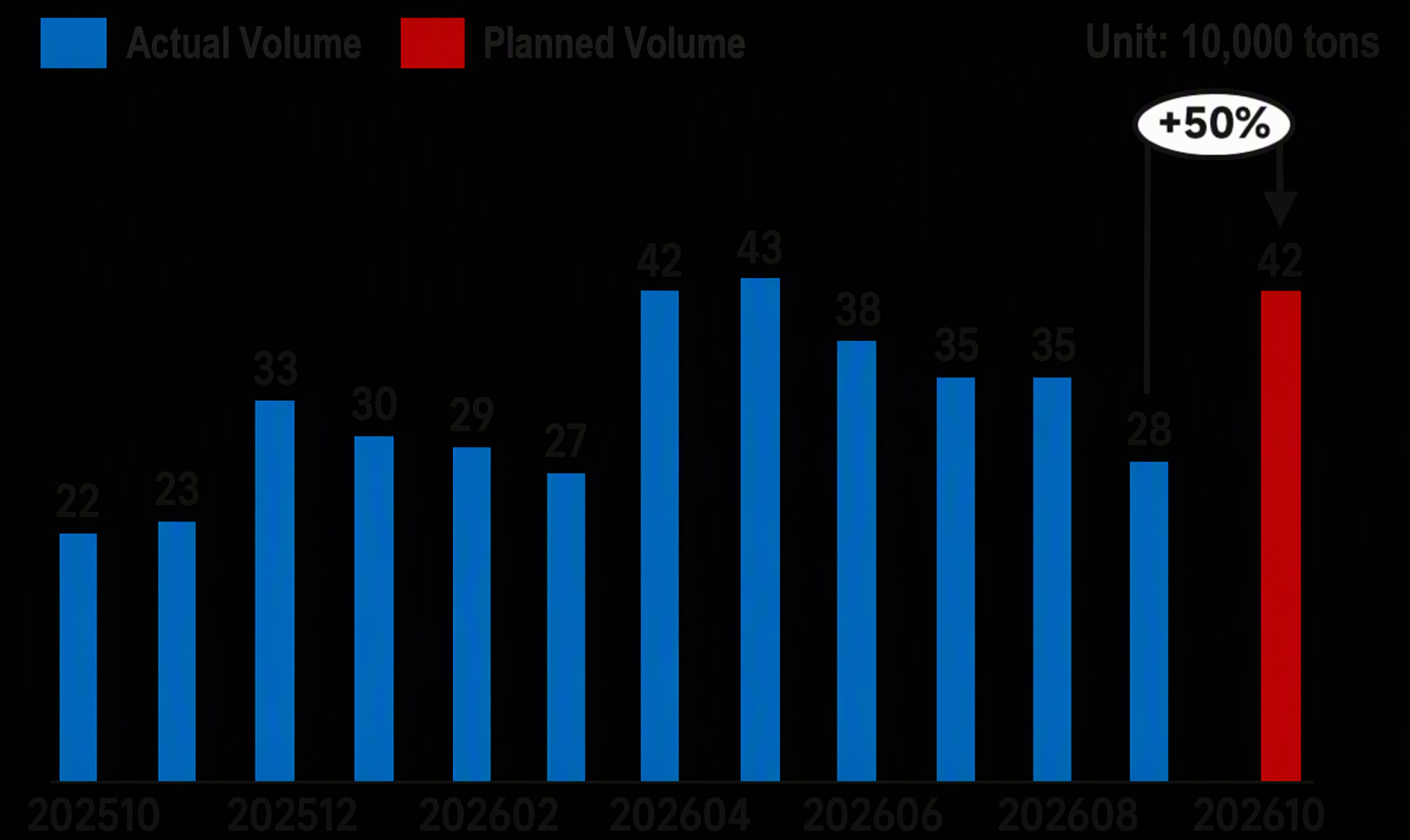
- In October, the export schedule for long steel products at sample steel mills was 805,000 mt, up 230,000 mt MoM. Among this, the export schedule for steel billets was 420,000 mt, up 50% MoM.
Specifically, for steel billets, as mid-to-late September coincided with China's Mid-Autumn Festival and National Day holidays, overseas buyers stockpiled in advance, leading to a concentrated release of export order demand. Additionally, some steel mills in north China, anticipating the onset of winter and a seasonal deterioration in domestic trade demand, increased export orders to ease shipment pressure. For rebar and wire rod, demand in Southeast Asia began to pick up in September, with overseas buyers increasing rigid purchases. Steel mills also slightly raised export volumes given generally weak domestic trade demand, with orders mostly scheduled for October-November.
Chart 3: Export schedules for long steel products at sample steel mills (including steel billets)
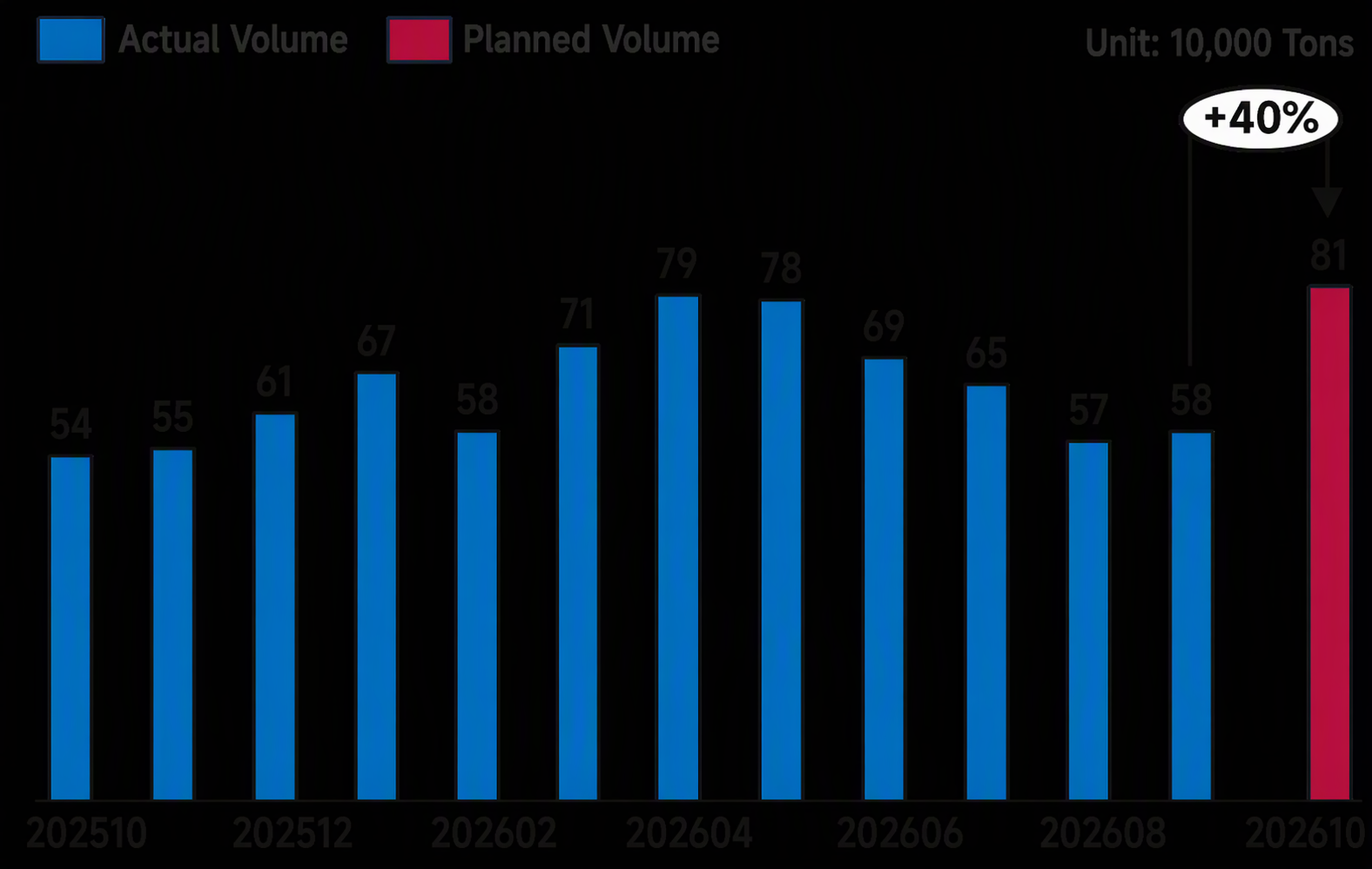
Source: SMM
Chart 4: Export schedules for steel billets at sample steel mills
Source: SMM
By region:
Table 1: Last month's actual values and this month's planned volumes for rebar and coiled rebar production
Source: SMM
Northeast China: Demand in the northeast region will gradually shrink in Q4. Some mills, considering weak demand expectations at year-end, continued to increase export volumes. Orders for finished products underperformed compared with steel billets, so October remained focused on steel billet export orders.
North China: In the earlier period, blast furnaces in Shanxi were shut for maintenance due to coal shortages. Under current losses, production will not resume in October, and some wire rod production still edged down slightly. Additionally, steel mills in Hebei have maintenance plans, leading to a notable decline in overall rebar production.
East China: Some steel mills in the region have resumed normal production at blast furnaces previously under maintenance, with a clear recovery in rolling line output for construction steel. Moreover, overall profitability in the region was better than in other markets, and some mills redirected hot metal back to construction steel. Combined with strong export orders at some mills, rebar and wire rod production increased significantly.
Central & South China: In September, some mills arranged rolling line maintenance ahead of schedule due to losses. In October, wire rod profitability was better than rebar, so wire rod rolling lines returned to normal production while rebar maintained prior production levels, resulting in a slight increase in wire rod output. Additionally, some mills saw significant losses in construction steel production and continued to cut rebar output while shifting to other steel products, leading to an overall slight decline in regional rebar production.
Northwest: Steel mills in the region saw poor profitability from producing construction materials. In mid-to-late September, temporary maintenance plans were arranged for blast furnaces and rolling lines, leading to a significant decline in construction material production.
Southwest: Steel mills in the region cooperated with production cut policies. In October, some producers slightly reduced output. In addition, some producers that had previously placed blast furnaces under maintenance delayed their production resumption plans due to lack of improvement in profitability.
Cost side:
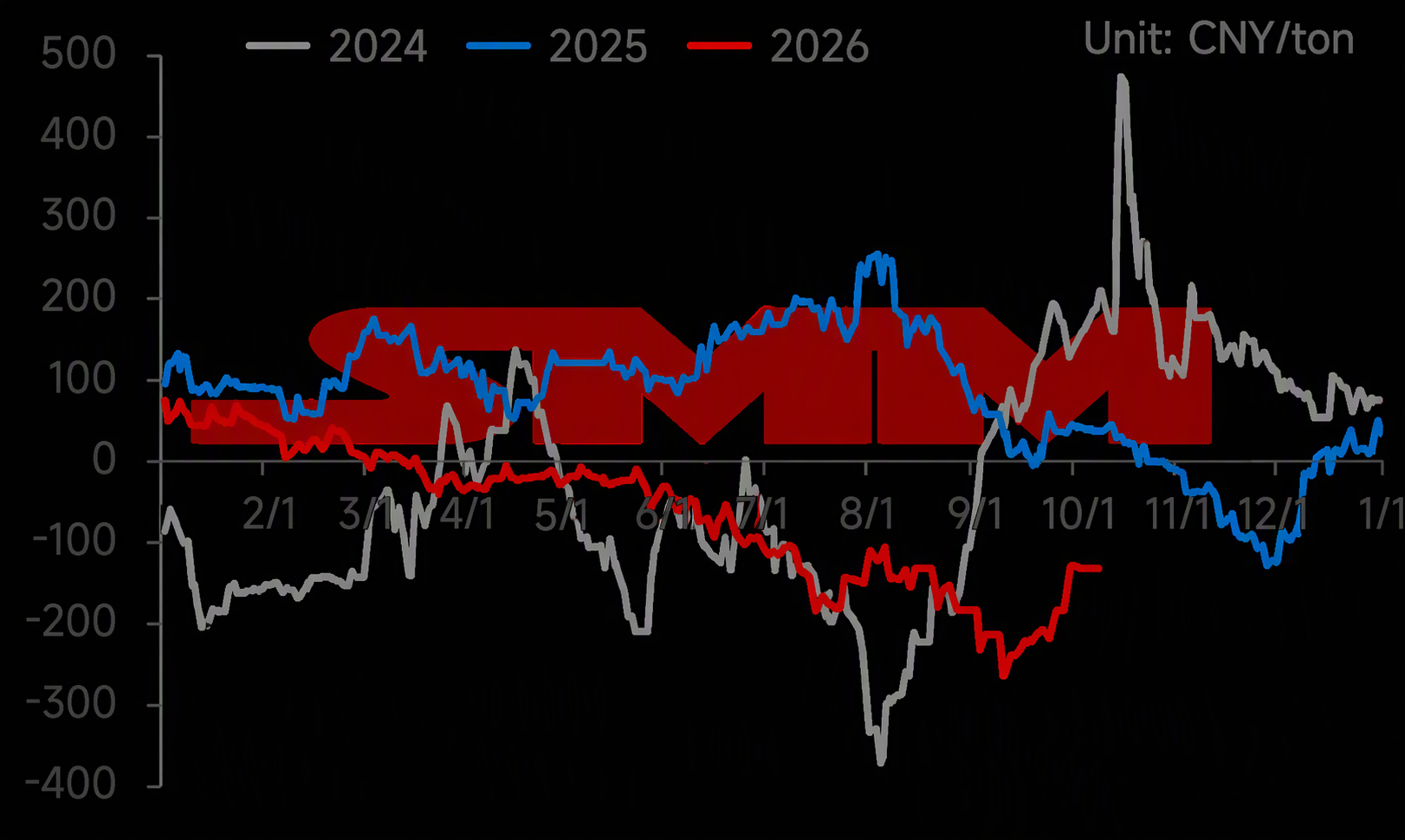
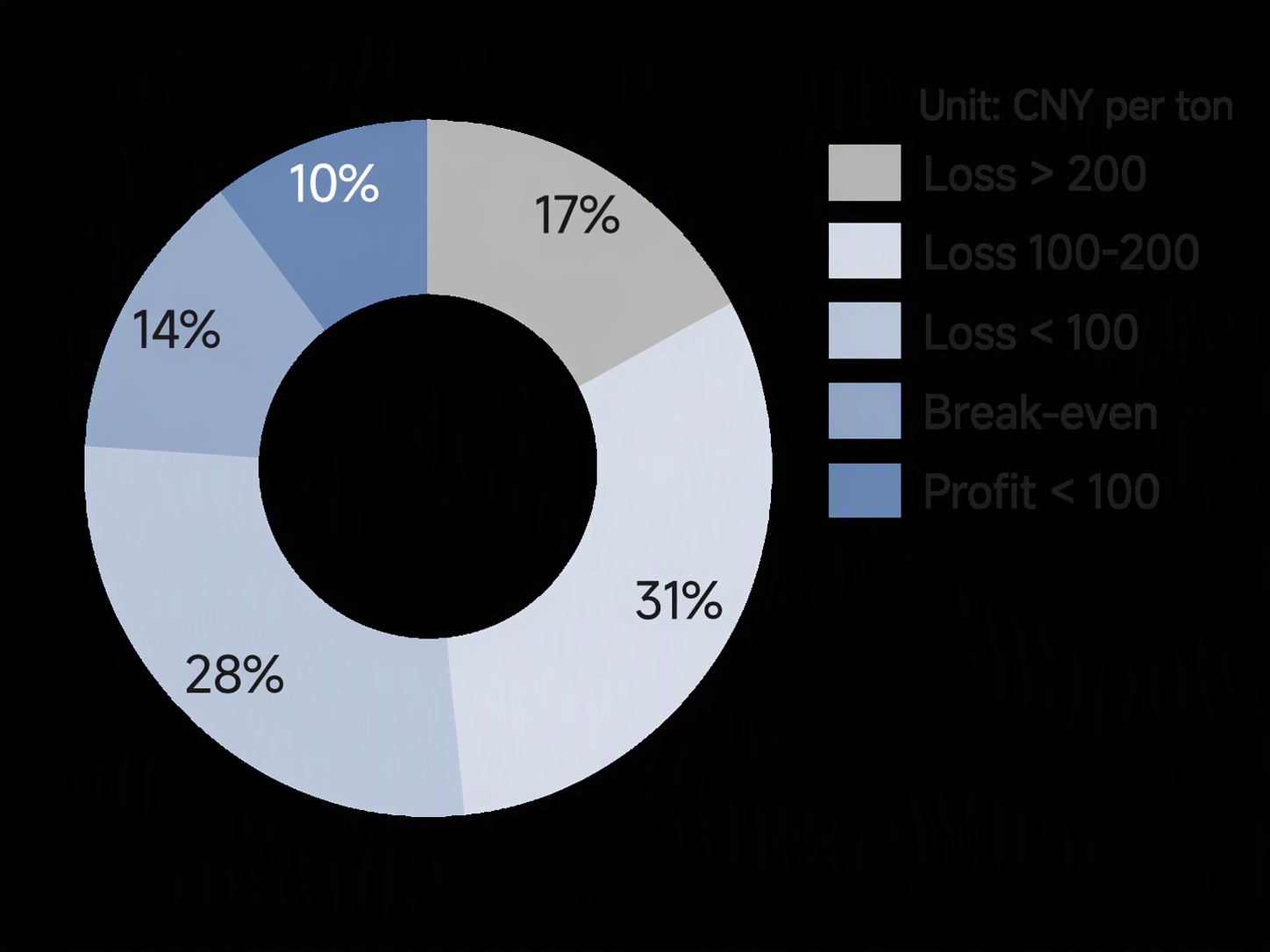
The second round of coke price cuts has been implemented, and there are still expectations for a third round. Although the cost side has shifted downward, the improvement remains relatively limited. Steel mills continue to face widespread losses, with the current profitability rate at 10.34%, down further MoM. Currently, the general profitability level is between -200 and 0.
Chart-5: Real-time profit trend of rebar production at steel mills from 2024 to date
Source: SMM
Chart-6: Marginal rebar profitability of sample steel mills
Source: SMM
Looking ahead:
Currently, production divergence across regions is pronounced. Steel mills in northeast China have increased billet export orders to ease Q4 domestic trade pressure, considering that demand will gradually stall after winter sets in. In east China, some producers, benefiting from relatively better profitability than other regions, have largely resumed normal construction material production after completing earlier maintenance, with some coastal producers further increasing rebar exports. In other regions, some steel mills are still carrying out year-end maintenance plans, with overall production declining. As a result, the daily average planned production of construction materials in October is still expected to decline, but the decline will be relatively limited. The production mix of rebar and wire rod continues to diverge. Overall profitability of wire rod is relatively better than that of rebar. Some producers resumed normal production in October after September maintenance, leading to an increase in wire rod production in October instead.
Overall, steel mills are still suffering widespread losses in construction material production at this stage. Most steel mills have low motivation to produce construction materials. In addition, some producers have arranged maintenance ahead of schedule, keeping production at mid-to-low levels. Approaching November-December, some producers will arrange year-end maintenance plans at the end of the year, and construction material production is likely to remain at low levels or face expectations of further cuts.

![[SMM Rebar Daily Review] October peak season demand is average, prices mainly consolidate](https://imgqn.smm.cn/usercenter/FGavQ20251217171717.jpg)
![[SMM Coking Coal and Coke Daily Briefing] 20261012](https://imgqn.smm.cn/usercenter/CrEsY20251217171716.jpg)
![[SMM Iron Ore] Coke price cuts fail to lift iron ore buying as prices stay low](https://imgqn.smm.cn/usercenter/exdqc20251217171717.jpg)