SMM, September 29:
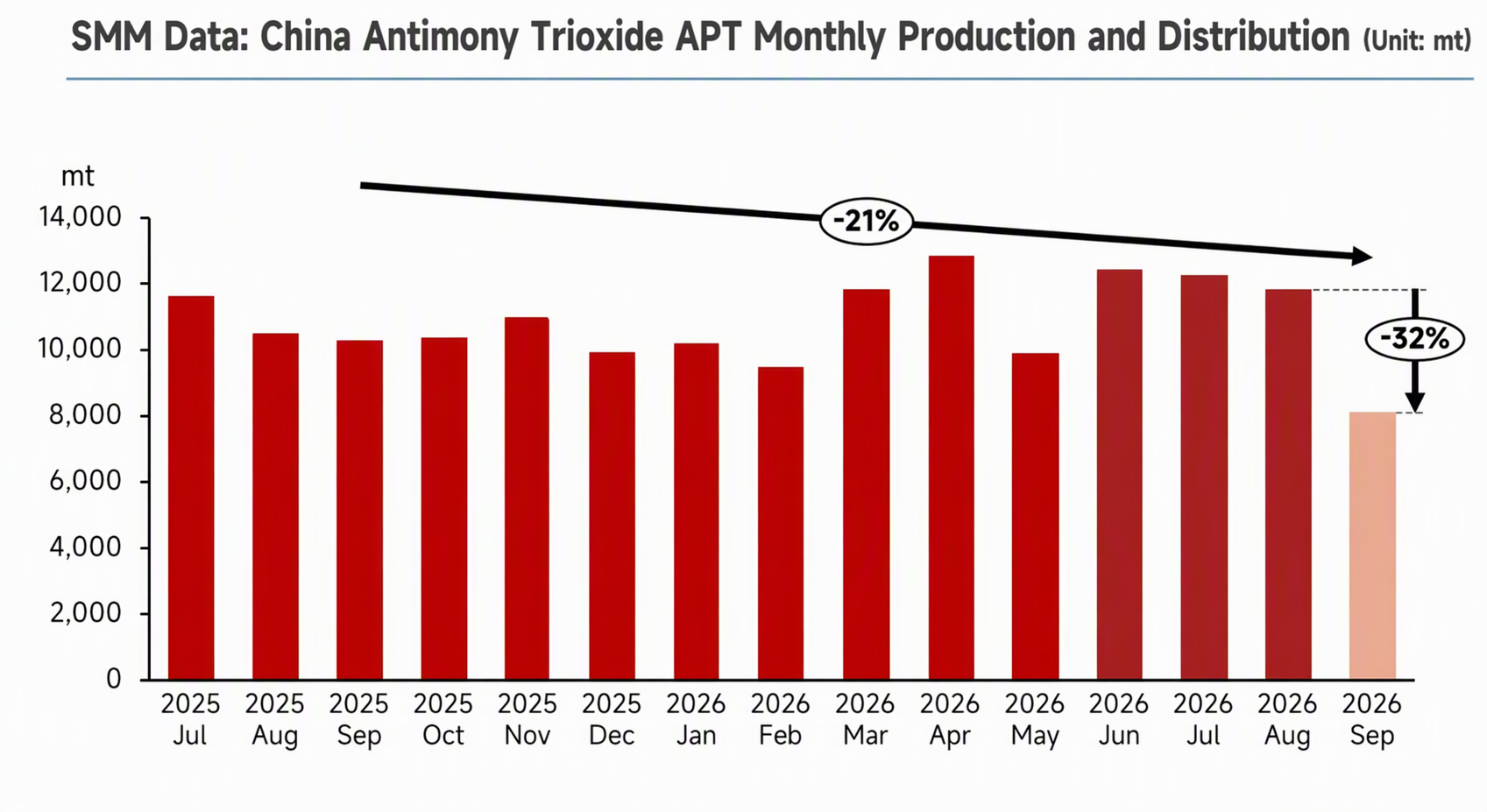
In September 2026, China's APT market exhibited deep production cuts and operating rates hitting bottom, with supply-side contraction reaching a new phase low. According to SMM survey sample data, APT production fell sharply by 32% MoM this month, while the industry operating rate plunged 21.2 percentage points MoM to around 49%, hitting a historical low. From January to September 2026, China's total APT production was approximately 100,000 mt, down 2% YoY. This round of sharp production cuts was not a minor adjustment by individual enterprises, but rather an industry-wide combination of load reductions and production halts. Leading smelters in the main production area of Jiangxi concentrated on technological transformation and maintenance, while small and medium-sized smelters proactively suspended furnaces and restricted production due to operating pressure.
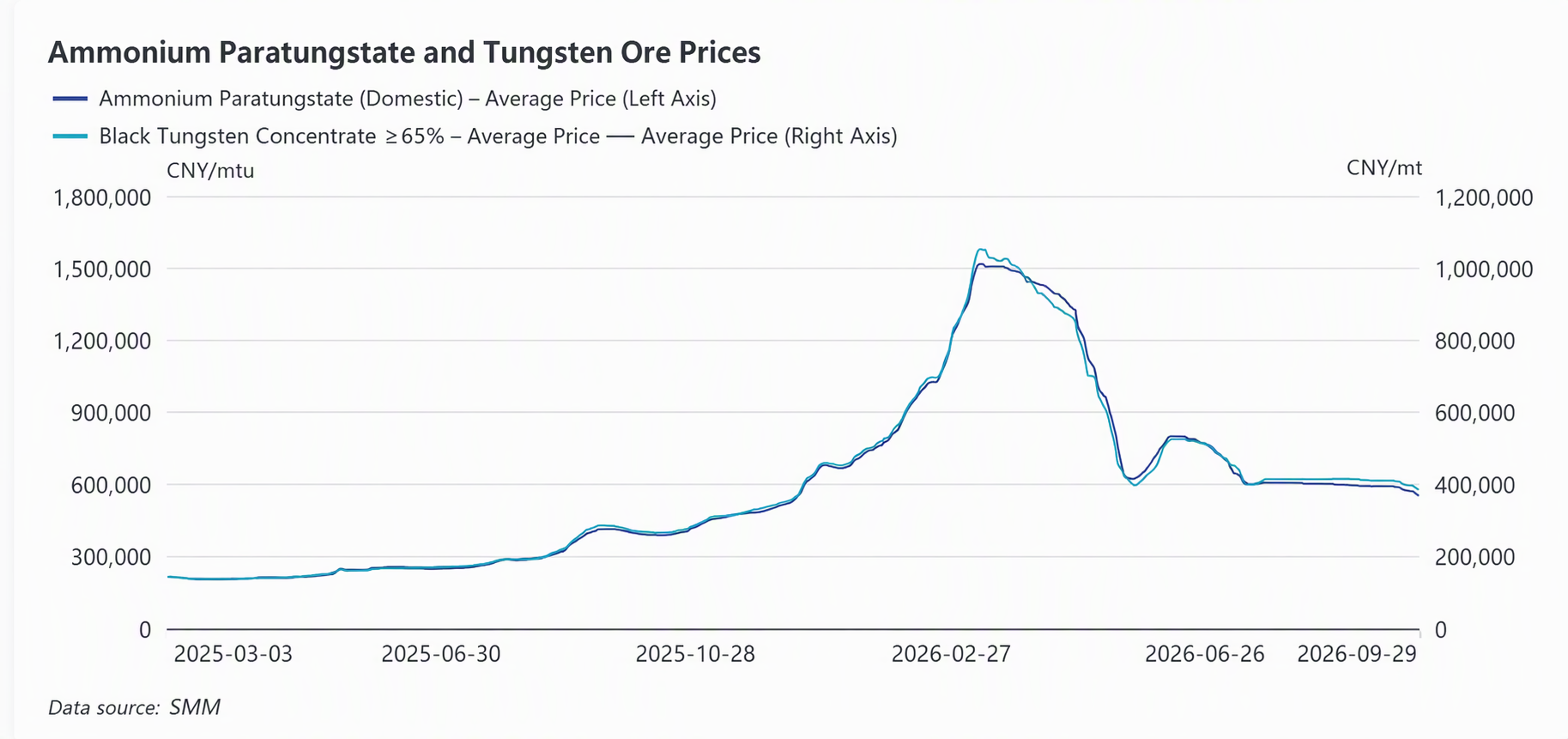
In September, tungsten concentrate raw material prices remained weak, with suppliers commonly selling at discounts to cash out. However, raw material costs still formed a significant inversion against APT selling prices, leaving smelters in a sustained loss-making state. To avoid inventory impairment risks from falling prices and ease cash flow pressure, enterprises generally took the initiative to reduce raw material procurement and lower production loads, completely abandoning the previous operating model of running at full capacity to boost volume. As a result, upstream end-use demand for tungsten concentrates weakened in tandem, mine-side transactions were sluggish, and overall production and trading sentiment across the upstream and downstream industry chain remained subdued.
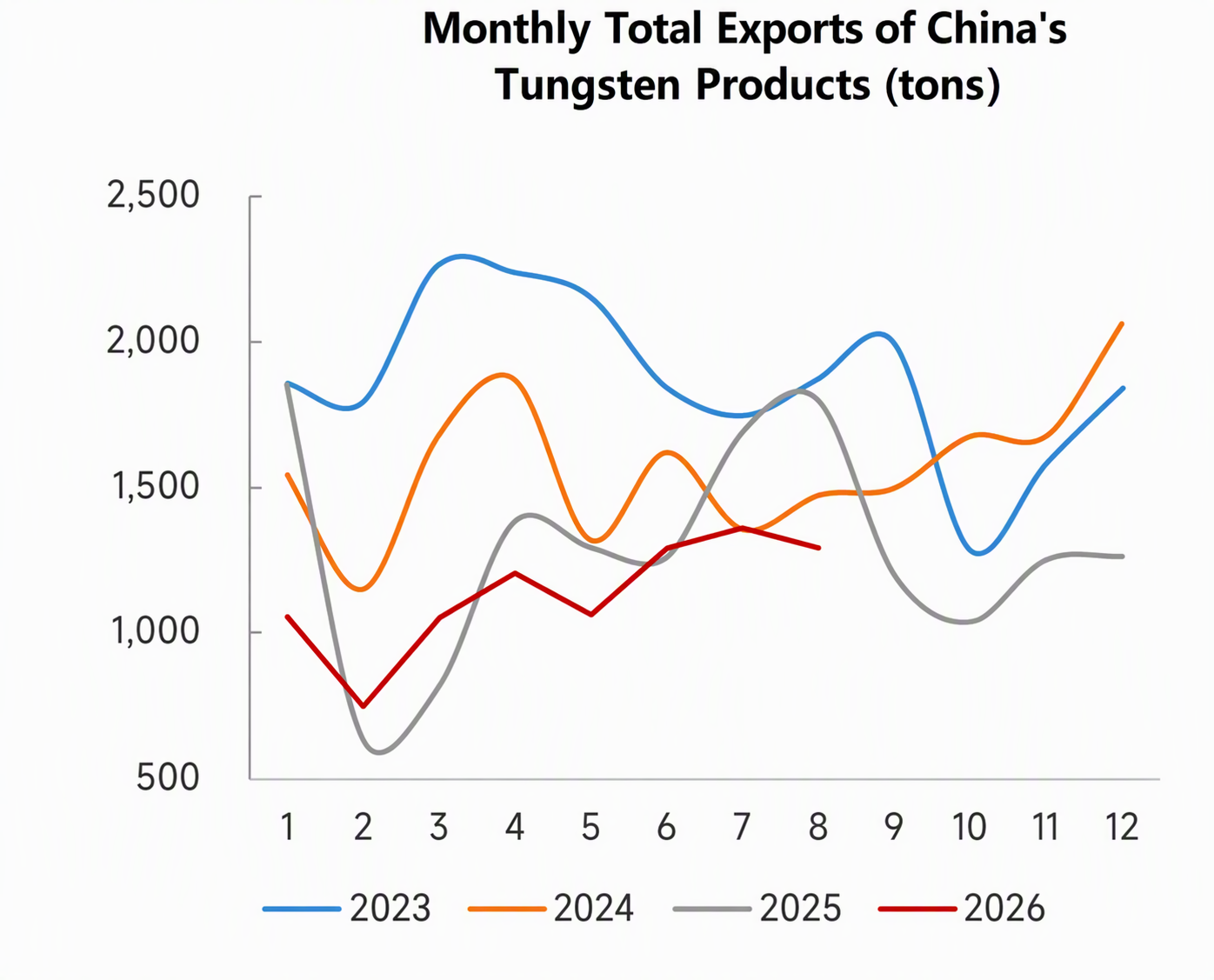
Corresponding to the sharp supply-side contraction was persistently weak end-use demand, which thoroughly dashed traditional "September peak season" expectations and created a supply-demand both weak market pattern. The cemented carbide and cutting tool industries, as core downstream sectors of APT, were affected by sluggish manufacturing recovery, with insufficient end-use orders. Enterprises maintained a low-inventory operating model throughout, making just-in-time procurement on an as-needed basis with no pre-holiday concentrated stockpiling. Meanwhile, the PV tungsten wire sector, which had previously boosted industry demand growth, saw its demand dividend rapidly fade as the silicon wafer industry's production cut wave continued, further compressing APT's overall demand space. In traditional cemented carbide applications, some end-use sectors are being replaced by cermet materials. Against the backdrop of high tungsten prices, the machining industry is seeking cost reduction and efficiency improvement through various means such as tool grinding and tool product structure optimization to reduce tungsten usage. Meanwhile, the export market for domestic cutting tools did not grow in January-August this year, and the rising substitution rate of domestic cutting tools remains in a transitional period. The decline in exports of tungsten smelting products and cutting tools has also, to some extent, fed back into weakening domestic tungsten demand. In late September, the market's wait-and-see sentiment of rushing to buy amid continuous price rise and holding back amid price downturn, combined with extremely cold trading sentiment ahead of the Mid-Autumn Festival and National Day holidays, resulted in extremely poor spot liquidity. Market transactions throughout the month were essentially supported by regular long-term contracts.
Supply-demand mismatch and fundamental imbalances in the industry drove APT prices to grind lower throughout September, highlighting the sector's core contradictions. APT quotes continued to decline during the month, with top-tier players maintaining long-term contract prices at 600,000 yuan/mt in the first half before cutting them to 580,000-560,000 yuan/mt in the second half. By month-end, spot transaction prices had pulled back to the 540,000-560,000 yuan/mt range, with actual deals mostly near the lower end of the range and bargaining room in the market continuing to widen. China's monthly APT production averaged 11,000 mt from June to August, but the spot market remained sluggish throughout, leaving the industry in a state of passive inventory buildup. High finished product inventories combined with elevated costs from earlier stockpiles pushed the APT industry into a cash flow crunch, forcing some enterprises to pledge goods to improve cash turnover. The demand peak season in September failed to materialize, with long-term contract volumes shrinking and enterprises focusing on reducing production and clearing inventory.
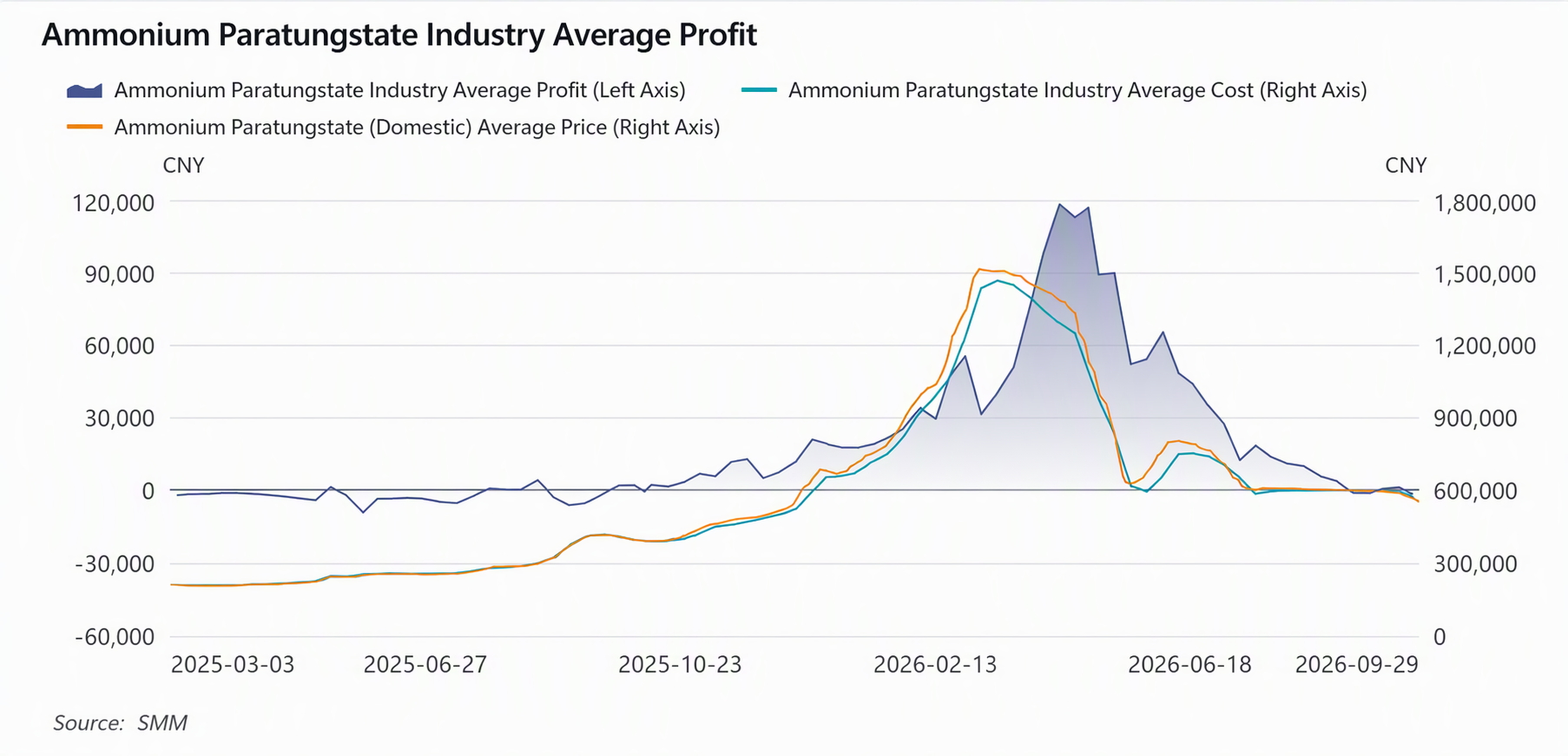
Looking ahead to the near term, the APT market is likely to continue consolidating on a weak note, and any recovery still hinges on a rebound in end-use demand. The supply side currently has little room for further significant contraction, as ultra-low operating rates provide a natural price floor, limiting the risk of sharp price declines, but prices lack a core driver for a rebound. Meanwhile, the concentrated reduction in tungsten smelting output, when traced upstream, will lead to ore shipments and inventory buildup. Although China's total tungsten mining quota for 2026 remains on a YoY decline, the supplement from domestic scrap tungsten resources combined with a substantial increase in total imports has effectively offset the production shortfall from domestic mines. Tungsten concentrate price center has pulled back to 370,000 yuan/standard tonne (65% WO3 basis), but mine profits remain substantial. With mines still holding remaining extraction quotas in Q4, the likelihood of voluntary production cuts at mines is low. However, operating rates at APT smelters are unlikely to recover quickly to high levels in the short term, and mines may still face selling pressure, capping expectations for raw material price increases. The key anchor for future market trends will center on the restocking intensity of downstream cemented carbide and tungsten export orders in Q4, along with long-term contract quotes from top-tier tungsten players, the pace of production resumptions at idled facilities, changes in scrap tungsten recycling as an alternative supply source, and policy direction, which will also be a critical factor shaping the market outlook.