Sinomine Breaks Ground on Second Ta-Nb Recovery Plant at Bikita

Published: Sep 28, 2026 15:55 (GMT+8)

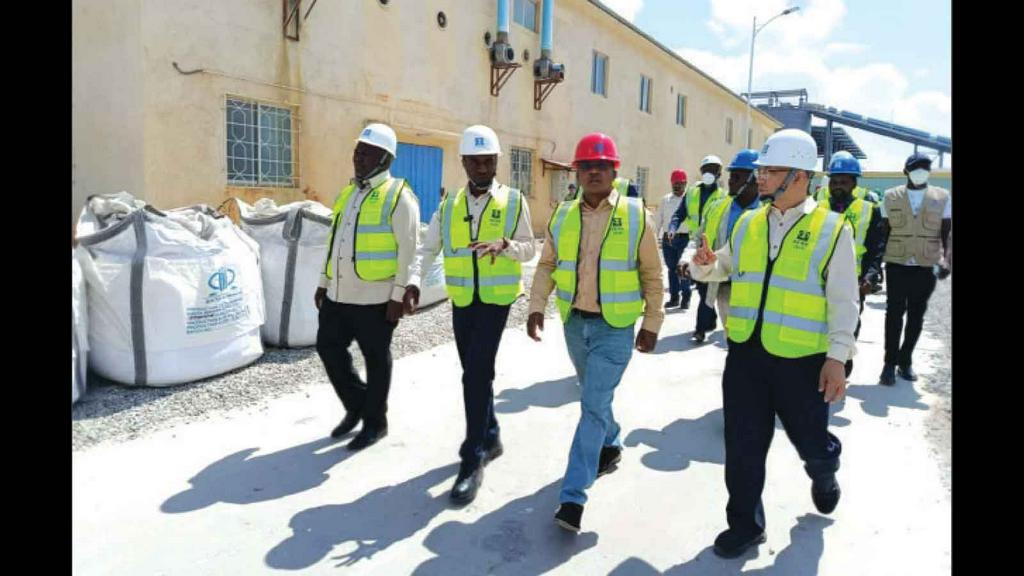
[SMM Tantalum Flash] Sinomine Resources said a groundbreaking ceremony for a second tantalum-niobium recovery plant took place at its Bikita operation in Zimbabwe on 25 September. The company says the plant is designed to treat 450,000 tonnes of ore a year and produce 500–600 tonnes of combined tantalum-niobium concentrate annually. It expects construction and commissioning in 2027; those volumes are design targets, not current output.

The project would expand recovery of critical metals associated with Bikita’s lithium operation and add processing capacity in Zimbabwe. Sinomine plans to use magnetic separation and shaking tables to extract tantalum-niobium concentrate from lithium concentrate. The ceremony marks the project’s launch; completed construction, actual throughput and recovered volumes remain to be demonstrated.

Data Source Statement: Except for publicly available information, all other data are processed by SMM based on publicly available information, market communication, and relying on SMM's internal database model. They are for reference only and do not constitute decision-making recommendations.

For any inquiries or for more information, please contact: lemonzhao@smm.cn
For more information on how to access our research reports, please contact:service.en@smm.cn
Related News
Malawi Sets Six-Month Development Milestones for Kanyika
51 mins ago
Malawi Sets Six-Month Development Milestones for Kanyika
Read More
Malawi Sets Six-Month Development Milestones for Kanyika
[SMM Niobium Flash] Globe Metals & Mining said on 28 September that Malawi’s Mining and Minerals Regulatory Authority had specified what the company must start building at its Kanyika niobium-tantalum project. The guidance, received on 25 September, sets a six-month period from that date to demonstrate substantial on-site development. The works include, where applicable, starting a processing plant, tailings storage facility, site offices and run-of-mine pad. Globe said the directive still requires ratification by the authority’s board. The guidance clarifies Kanyika’s next steps after its previous 27 September deadline to begin substantial mining operations. Globe reports that preparatory road and stockpile works have been completed, but it must still agree detailed engineering measures with regulators and demonstrate the required permanent works. Its aim of commercial production in early 2028 remains a company target.
51 mins ago
[SMM Flash]  Côte d’Ivoire: Atex review highlights near-surface tantalum
Sep 23, 2026 17:17 (GMT+8)
[SMM Flash] Côte d’Ivoire: Atex review highlights near-surface tantalum
Read More
[SMM Flash]  Côte d’Ivoire: Atex review highlights near-surface tantalum
[SMM Flash] Côte d’Ivoire: Atex review highlights near-surface tantalum
Australasian Metals reported that a review of historical exploration data identified near-surface columbite-tantalite mineralisation at its Atex project. The company is preparing drilling to assess the tantalum potential alongside lithium. The historical estimates are not a current mineral resource. Atex adds a potential West African tantalum project to watch, but fresh sampling and drilling are needed before its scale or commercial value can be assessed.
Sep 23, 2026 17:17 (GMT+8)
[SMM Flash]  Amnesty Reports Abuses at Rubaya Coltan Mines and Alleged Trafficking to Rwanda​
Sep 22, 2026 15:30 (GMT+8)
[SMM Flash] Amnesty Reports Abuses at Rubaya Coltan Mines and Alleged Trafficking to Rwanda​
Read More
[SMM Flash]  Amnesty Reports Abuses at Rubaya Coltan Mines and Alleged Trafficking to Rwanda​
[SMM Flash] Amnesty Reports Abuses at Rubaya Coltan Mines and Alleged Trafficking to Rwanda​
Amnesty International’s research briefing published on 21 September documents alleged forced labour, arbitrary detention and other abuses by M23 fighters against artisanal miners near Rubaya in eastern DRC. It also reports coltan trafficking from M23-controlled areas into Rwanda. These are Amnesty’s investigative findings; the briefing does not establish a verified volume of trafficked coltan.​ Amnesty called on countries and companies to stop purchasing coltan and gold from Rwanda until its government demonstrates that trafficked DRC material is no longer entering supply chains. The call increases scrutiny of tantalum sourcing and traceability. It is an NGO recommendation, not an enacted trade ban.
Sep 22, 2026 15:30 (GMT+8)