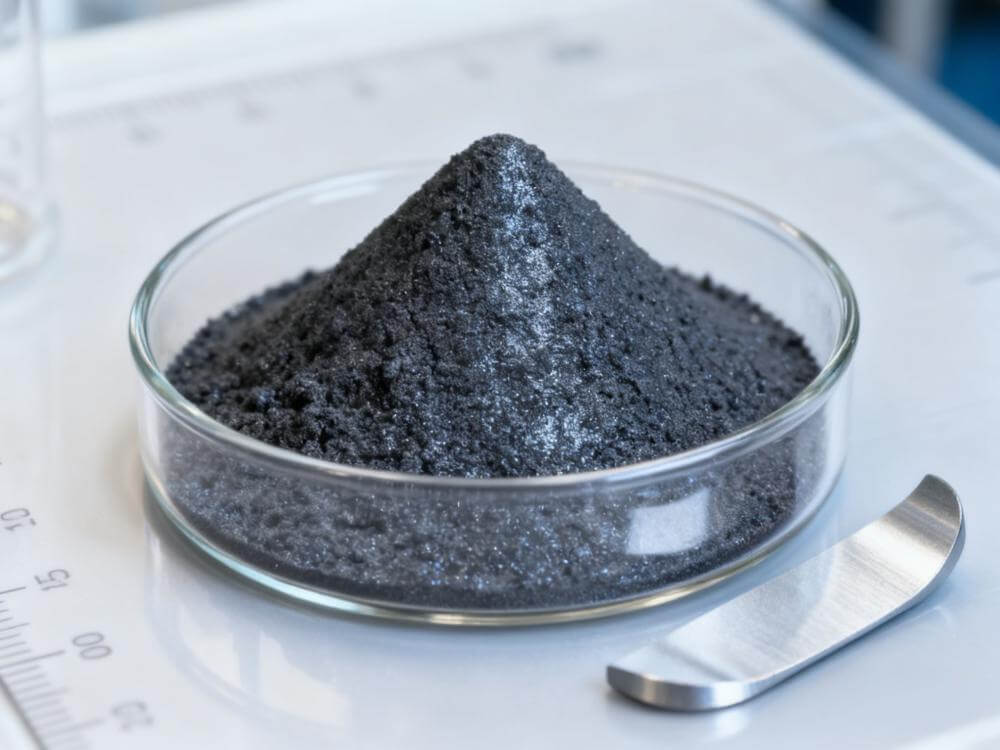
Affected by shrinking spot transactions and weak downstream end-use demand, China's tungsten market prices have entered a continuous downward trajectory over the past month. Leading tungsten enterprises further lowered their long-term contract prices for the second half of September, which to some extent reflects the current weak supply-demand conditions across the tungsten industry chain. The average price of wolframite concentrates (≥65%) fell nearly 5% in less than a month, weakening confidence across the industry chain. How will tungsten prices perform going forward?
Leading tungsten enterprises lower long-term contract prices for the second half of September
A leading tungsten enterprise in Chongyi recently released its long-term purchase prices for the second half of September as follows: 1. 55% wolframite concentrates: 400,000 yuan/standard tonne, down 13,000 yuan/standard tonne from the previous round; 2. 55% scheelite concentrates: 399,000 yuan/standard tonne, down 13,000 yuan/standard tonne from the previous round; 3. APT (national standard zero grade): 580,000 yuan/mt, down 20,000 yuan/mt from the previous round.
Wolframite concentrates fall 4.78% in less than a month
According to SMM price data, the average price of wolframite concentrates (≥65%) on September 23 was 398,500 yuan/standard tonne, down 0.5% from the previous trading day. Looking back at the price trend of wolframite concentrates, the average price of wolframite concentrates (≥65%) has been in a sustained downward trend since pulling back on August 27. Its average price of 398,500 yuan/standard tonne on September 23 was down 20,000 yuan/standard tonne from the average price of 418,500 yuan/standard tonne on August 26, a decline of 4.78%.
From the spot market performance, China's tungsten market is currently in the doldrums: downstream buyers and traders are making few purchases, with sparse spot order transactions; APT transactions are weak, with long-term contract prices already close to spot order transaction levels; although smelters have reduced operating loads, industry inventory remains high and downstream powder enterprises have poor orders, resulting in a prominent supply-demand imbalance, with traders mainly cutting prices to offload goods.
Outlook
Short-term: China's APT smelting operating rate has pulled back somewhat, while total mining volume controls at the mine end provide rigid supply constraints, giving some bottom support to tungsten prices from the upstream raw material side. However, downstream powder and cemented carbide enterprises are still digesting earlier high-priced raw material inventories, and there is no clear signal of end-use order recovery, leaving insufficient upward price momentum. Considering the tug-of-war between longs and shorts, short-term tungsten prices are expected to remain in the doldrums and consolidate, with the price center still at risk of a slight downward shift. Going forward, focus should be on the actual fulfillment of end-use orders during the traditional peak season and whether downstream restocking willingness improves.
Medium and long-term: China's outstanding tungsten resource endowment, combined with policy constraints such as total mining volume controls and export licensing, continues to provide important bottom support for tungsten prices. Although overseas mine development has accelerated somewhat, the construction cycle for complete supporting smelting capacity is relatively long, and the supply-demand imbalance in the global tungsten industry chain will persist. The current tungsten price system may be in a restructuring phase, and the evolution of structural price spreads in China and overseas markets, as well as the pace of overseas supply growth release, all require continuous and close monitoring of SMM
Recommended reading: