Hội nghị , do Shanghai Metals Market (SMM) tổ chức, đã kết thúc thành công tốt đẹp tại Lusaka, Zambia vào ngày 15-16 tháng 9. Tập trung vào phát triển các khoáng sản chiến lược như đồng, coban, lithium và thiếc tại Châu Phi, chuyển đổi chế biến sâu tại địa phương, xây dựng mỏ xanh và nâng cấp hạ tầng năng lượng, sự kiện cao cấp này đã quy tụ hơn 400 đại diện ngành từ các cơ quan chính phủ Trung Quốc và Châu Phi, các công ty khai khoáng hàng đầu, thương nhân hàng hóa, nhà đầu tư và nhà cung cấp dịch vụ kỹ thuật để cùng khám phá các lộ trình phát triển chất lượng cao cho chuỗi công nghiệp khoáng sản quan trọng của Châu Phi.
Huawei đã giới thiệu giải pháp lưới điện siêu nhỏ cho mỏ tại hội nghị này. Joseph Yao, Chủ tịch Mảng Kinh doanh Lưới điện Siêu nhỏ Khai khoáng tại , đã có bài phát biểu quan trọng với tiêu đề "Đối tác Sinh thái vì Mỏ Xanh Châu Phi: Thực tiễn Lưới điện Siêu nhỏ Mỏ của Huawei theo Mô hình IPP-PPA". Đoàn đại biểu Huawei cũng đã có các cuộc đàm phán kinh doanh với ZESCO, công ty điện lực quốc gia Zambia, về cung cấp năng lượng cho mỏ, triển khai năng lượng mới và hợp tác xây dựng hạ tầng điện.
Khi quá trình chuyển đổi năng lượng toàn cầu tiếp tục tiến triển, ngành năng lượng mới đang thúc đẩy đều đặn nhu cầu đối với các khoáng sản quan trọng như đồng và coban. Châu Phi giàu tài nguyên khoáng sản chiến lược và đang đẩy nhanh quá trình nâng cấp từ xuất khẩu nguyên liệu khoáng sản thô sang chuỗi công nghiệp giá trị gia tăng cao bao gồm luyện kim và chế biến sâu tại địa phương. Các mỏ, với tư cách là các cơ sở tiêu thụ điện lớn, đòi hỏi nguồn cung cấp điện xanh ổn định và chi phí thấp, điều này đã trở thành yếu tố cốt lõi hạn chế việc triển khai các dự án khai khoáng và giải phóng công suất tại Châu Phi. Tận dụng mô hình hợp tác IPP-PPA (nhà sản xuất điện độc lập đầu tư + thỏa thuận mua điện dài hạn), các lưới điện siêu nhỏ năng lượng mới phân tán có thể cung cấp điện đáng tin cậy tại chỗ cho các mỏ lộ thiên và nhà máy luyện kim, giúp các mỏ giảm chi phí điện và phát thải carbon, đồng thời hỗ trợ triển khai chiến lược chế biến quặng đồng tại địa phương của Zambia.
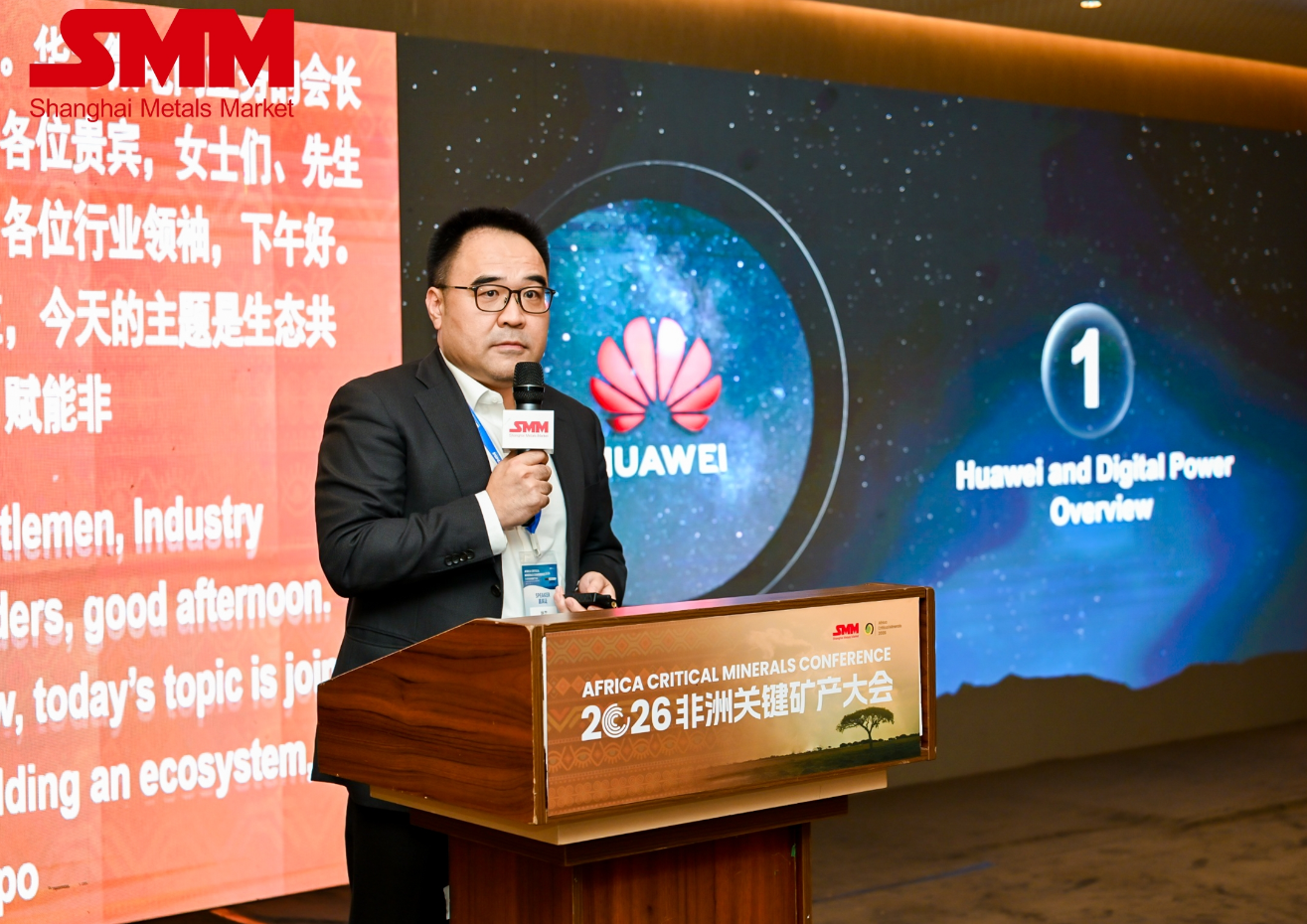
(Joseph Yao, Chủ tịch Mảng Kinh doanh Lưới điện Siêu nhỏ Khai khoáng tại Huawei Digital Power)
Joseph Yao đã chia sẻ tổng quan về Huawei và mảng kinh doanh Năng lượng Số, giới thiệu Huawei là nhà cung cấp hàng đầu về hạ tầng ICT và thiết bị đầu cuối thông minh, một doanh nghiệp định hướng công nghệ hoạt động tại nhiều quốc gia trên toàn thế giới, tập trung vào các phân khúc kinh doanh cốt lõi như PV thông minh và ESS tạo lưới.
Ông lưu ý rằng ngành khai khoáng Châu Phi thường bị ảnh hưởng bởi tình trạng thiếu điện. Chi phí diesel cao làm xói mòn biên lợi nhuận của mỏ, nguồn điện không ổn định gây rủi ro gián đoạn sản xuất, trong khi các yêu cầu ESG cũng đặt ra những hạn chế đối với xuất khẩu khoáng sản. Ông đề xuất lộ trình ba bước cho sự phát triển bền vững của ngành khai khoáng Châu Phi:
- Thứ nhất, cung cấp điện xanh cho các mỏ thông qua hạ tầng năng lượng số để giảm phát thải carbon;
- Thứ hai, chuyển đổi điện khí hóa thiết bị khai khoáng;
- Thứ ba, định hình lại quy trình sản xuất thông qua các nền tảng AI và hệ thống quản lý thông minh, tối ưu hóa lịch trình thiết bị và nâng cao công suất mỏ cũng như hiệu quả sản xuất.
Ông cũng nhấn mạnh hệ thống lưới điện siêu nhỏ cho mỏ của Huawei. Thay vì là một thiết bị độc lập, đây là một giải pháp năng lượng hoàn chỉnh tích hợp hệ thống quang điện-lưu trữ, điều độ thông minh, nguồn điện dự phòng diesel, hệ thống điều khiển và phần mềm quản lý. Nó phá vỡ mô hình nguồn điện đơn lẻ thông thường để cho phép tự cung cấp năng lượng và quản lý năng lượng hiệu quả tại các khu mỏ.
Trích dẫn dự án lưới điện siêu nhỏ quy mô lớn cho Red Sea Global của Ả Rập Xê Út làm nghiên cứu điển hình, ông giải thích rằng lưới điện siêu nhỏ cấp thành phố này đã đạt được những đột phá kỹ thuật lớn dựa trên năng lực R&D nội bộ mạnh mẽ và các phòng thí nghiệm mô phỏng điện của Huawei. Huawei sở hữu năng lực R&D độc lập cho các linh kiện điện tử công suất cốt lõi như IGBT, và cung cấp dịch vụ một cửa bao gồm thiết kế, mô phỏng và bàn giao dự án. Cùng với các đối tác hệ sinh thái, công ty cũng cung cấp tư vấn kỹ thuật toàn vòng đời và hỗ trợ triển khai tại hiện trường. Việc bàn giao thành công dự án này đã đặt nền tảng vững chắc cho việc triển khai lưới điện siêu nhỏ trong các kịch bản khai khoáng.
Ông đặc biệt đề cập đến các điểm nghẽn về tài chính phổ biến mà các dự án khai khoáng Châu Phi đang đối mặt. Theo mô hình hệ sinh thái IPP-PPA, các nhà đầu tư trong nước và quốc tế có thể được thu hút để tài trợ cho các dự án năng lượng mỏ. Các công ty khai khoáng, với tư cách là người mua điện, ký các thỏa thuận mua điện dài hạn để đảm bảo hoạt động ổn định của mỏ, trong khi các nhà đầu tư nhận được lợi nhuận ổn định, tạo thành một vòng khép kín thương mại bền vững.
Trong bài phát biểu của mình, Joseph đã trích dẫn một số trường hợp triển khai lưới điện siêu nhỏ cho mỏ tại Châu Phi. Trong số đó, sau khi hoàn thành dự án lưới điện siêu nhỏ mỏ Kamoa-Kakula tại DRC, điện xanh sẽ thay thế một lượng lớn phát điện diesel, giảm đáng kể chi phí điện và phát thải carbon của mỏ, đồng thời mang lại lợi tức đầu tư tốt. Đối với dự án mỏ đồng của nhà khai khoáng do Trung Quốc tài trợ này tại DRC, việc nâng cấp lưới điện siêu nhỏ đã giảm mạnh chi phí điện và cải thiện đáng kể tỷ lệ sử dụng công suất của mỏ, xác minh giá trị thực tiễn của lưới điện siêu nhỏ điện xanh trong các kịch bản mỏ Châu Phi.
Ông tóm tắt ba năng lực cốt lõi của Huawei: nền tảng kinh doanh toàn cầu hóa, giải pháp lưới điện siêu nhỏ một cửa đầu cuối đến đầu cuối, và hệ thống đối tác hệ sinh thái đa dạng bao gồm các nhà đầu tư, EPC và các cơ quan tư vấn thiết kế. Ông nói thêm rằng Huawei mong muốn thiết lập quan hệ đối tác với nhiều nhà đầu tư hơn để phát triển các dự án năng lượng trên khắp Zambia và Châu Phi rộng lớn hơn, đảm bảo nguồn cung cấp điện cho các ngành khoáng sản quan trọng bao gồm đồng và lithium, cùng nhau xây dựng các mỏ xanh tại Châu Phi và kiến tạo một tương lai công nghiệp carbon thấp và bền vững.
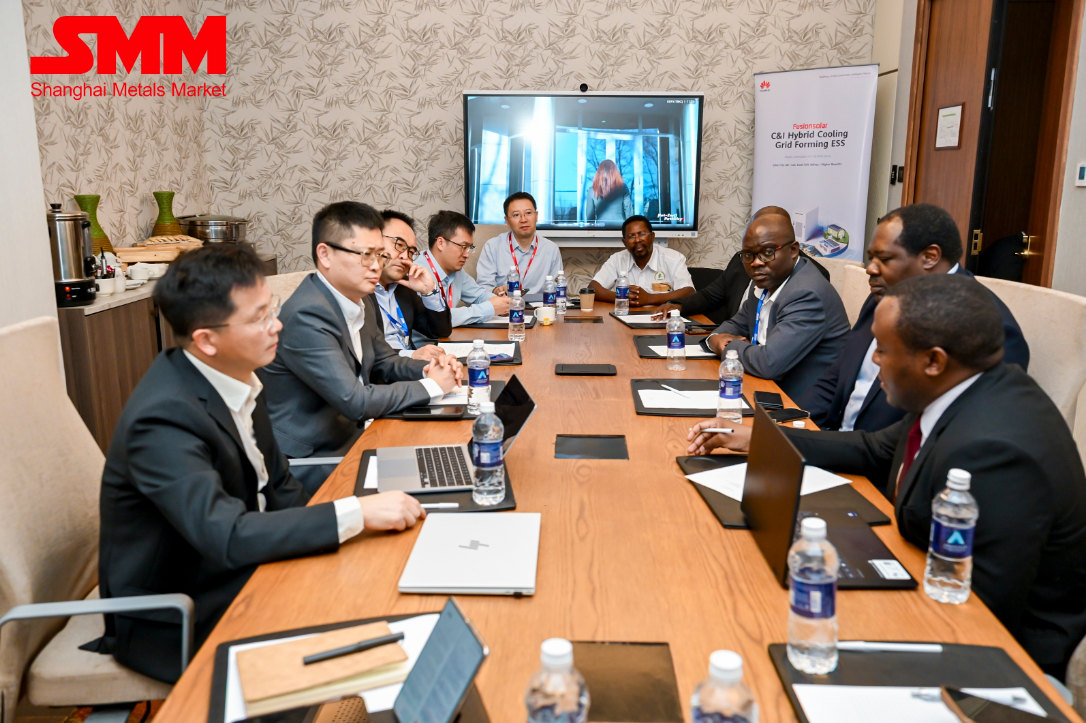
Trong thời gian diễn ra hội nghị, đoàn đại biểu Huawei đã có cuộc họp kinh doanh với đại diện từ công ty điện lực quốc gia Zambia ZESCO. Trong bối cảnh quá trình chuyển đổi xanh trong ngành khai khoáng Châu Phi đang tăng tốc và nhu cầu điện tại các khu mỏ liên tục tăng, hai bên đã trao đổi quan điểm về các chủ đề cùng quan tâm như xây dựng hạ tầng điện và hỗ trợ năng lượng mới, đồng thời bày tỏ ý định cùng khám phá các lĩnh vực hợp tác tiềm năng.
Ngành khoáng sản Châu Phi đang ở thời điểm quan trọng để nâng cấp chuỗi công nghiệp. Huawei, dựa trên thế mạnh công nghệ trong năng lượng mới và điện thông minh, sẽ hợp tác với các nhà đầu tư IPP, cơ quan điện lực địa phương và các nhà vận hành mỏ để xây dựng một hệ sinh thái hợp tác mở. Tận dụng các giải pháp lưới điện siêu nhỏ cho mỏ đã được chứng minh, Huawei đặt mục tiêu cung cấp nguồn điện xanh, đáng tin cậy cho các dự án khai khoáng và luyện kim Châu Phi, thúc đẩy quá trình chuyển đổi carbon thấp của ngành khoáng sản quan trọng Châu Phi và làm sâu sắc hơn hợp tác thực tiễn Trung Quốc-Châu Phi trong lĩnh vực khai khoáng và năng lượng.