La , organizada por Shanghai Metals Market (SMM), concluyó con gran éxito en Lusaka, Zambia, los días 15 y 16 de septiembre. Centrado en el desarrollo de minerales estratégicos como el cobre, el cobalto, el litio y el estaño en África, la transformación local de procesamiento profundo, la construcción de minas ecológicas y la mejora de la infraestructura energética, este evento de primer nivel reunió a más de 400 representantes de la industria de agencias gubernamentales chinas y africanas, importantes mineras, comerciantes de materias primas, inversores y proveedores de servicios técnicos para explorar conjuntamente vías de desarrollo de alta calidad para la cadena industrial de minerales críticos de África.
Huawei presentó su solución de microrred para minas en esta conferencia. Joseph Yao, presidente del Negocio de Microrredes Mineras de , pronunció un discurso de apertura titulado "Alianzas ecológicas para minas africanas verdes: prácticas de microrredes mineras de Huawei bajo el modelo IPP-PPA". La delegación de Huawei también mantuvo conversaciones comerciales con ZESCO, la empresa eléctrica nacional de Zambia, sobre el suministro de energía para minas, el despliegue de nuevas energías y la construcción colaborativa de infraestructura eléctrica.
A medida que avanza la transición energética mundial, la industria de las nuevas energías impulsa de manera constante la demanda de minerales críticos como el cobre y el cobalto. África es rica en recursos minerales estratégicos y está acelerando su transformación desde la exportación de materias primas minerales hacia una cadena industrial de alto valor añadido que abarca la fundición local y el procesamiento profundo. Las minas, como emplazamientos de alto consumo energético, requieren un suministro eléctrico ecológico estable y de bajo coste, lo que se ha convertido en un factor clave que limita la implementación de proyectos mineros y la liberación de capacidad en África. Aprovechando el modelo de cooperación IPP-PPA (inversión de productores independientes de energía + acuerdo de compra de energía a largo plazo), las microrredes distribuidas de nuevas energías pueden proporcionar electricidad fiable in situ para minas a cielo abierto y plantas de fundición, ayudando a las minas a reducir los costes de electricidad y las emisiones de carbono, y respaldando la implementación de la estrategia de Zambia para el procesamiento local del mineral de cobre.
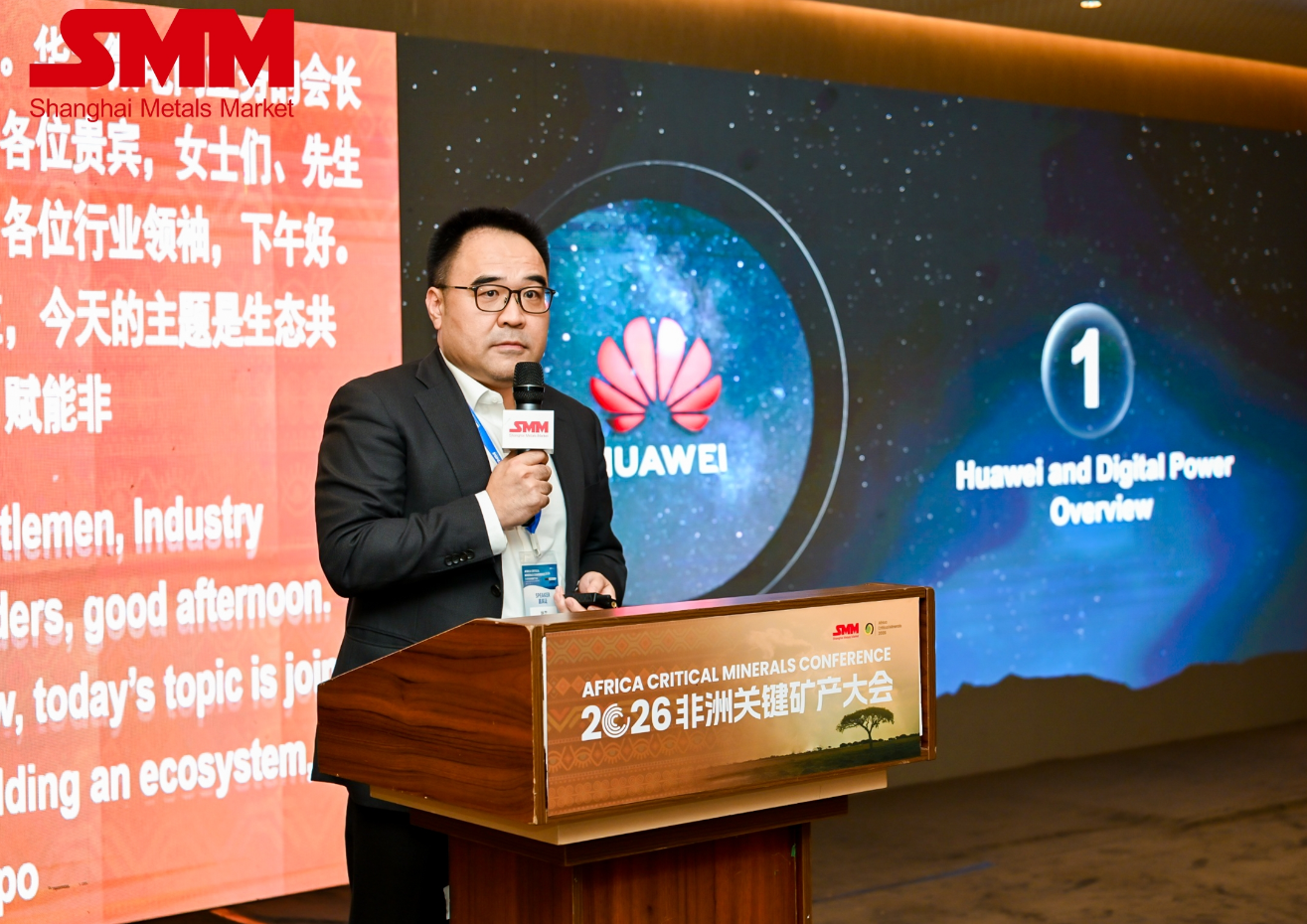
(Joseph Yao, presidente del Negocio de Microrredes Mineras de Huawei Digital Power)
Joseph Yao compartió una visión general de Huawei y su negocio de Energía Digital, presentando a Huawei como un proveedor líder de infraestructura TIC y terminales inteligentes, una empresa impulsada por la tecnología con operaciones en muchos países de todo el mundo, centrada en segmentos de negocio principales como la energía fotovoltaica inteligente y los sistemas de almacenamiento de energía con formación de red.
Señaló que el sector minero africano suele verse afectado por la escasez de energía. Los elevados costes del diésel erosionan los márgenes de beneficio de las minas, los suministros eléctricos inestables conllevan riesgos de interrupciones en la producción, y los requisitos ESG también imponen restricciones a las exportaciones de minerales. Propuso una vía de tres pasos para el desarrollo sostenible de la minería africana:
- En primer lugar, suministrar electricidad ecológica a las minas mediante infraestructura energética digital para reducir las emisiones de carbono;
- En segundo lugar, la transición a la electrificación de los equipos mineros;
- En tercer lugar, remodelar los procesos de producción mediante plataformas de IA y sistemas de gestión inteligente, optimizar la programación de equipos y mejorar la capacidad y la eficiencia productiva de las minas.
También destacó el sistema de microrred para minas de Huawei. Más que un equipo independiente, es una solución energética completa que integra sistemas fotovoltaicos y de almacenamiento, despacho inteligente, suministro eléctrico de respaldo con diésel, sistemas de control y software de gestión. Rompe el modelo convencional de fuente de energía única para permitir la autosuficiencia energética y una gestión eficiente de la energía en los emplazamientos mineros.
Citando el proyecto de microrred a gran escala para Red Sea Global en Arabia Saudita como caso de estudio, explicó que esta microrred a nivel de ciudad logró importantes avances técnicos respaldados por las sólidas capacidades internas de I+D de Huawei y sus laboratorios de simulación de energía. Huawei posee capacidad de I+D independiente para componentes electrónicos de potencia básicos como los IGBT, y ofrece servicios integrales que abarcan diseño, simulación y entrega de proyectos. Junto con sus socios del ecosistema, también proporciona consultoría de ingeniería durante todo el ciclo de vida y soporte de implementación in situ. La entrega exitosa de este proyecto ha sentado una base sólida para el despliegue de microrredes en escenarios mineros.
Abordó específicamente los problemas generalizados de financiación que enfrentan los proyectos mineros africanos. Bajo el modelo de ecosistema IPP-PPA, se puede atraer a inversores nacionales e internacionales para financiar proyectos de energía para minas. Las empresas mineras, como compradoras de energía, firman acuerdos de compra de energía a largo plazo para garantizar la estabilidad de las operaciones mineras, mientras que los inversores obtienen rendimientos estables, formando un ciclo comercial cerrado y sostenible.
En su discurso, Joseph citó varios casos de implementación de microrredes en minas africanas. Entre ellos, tras la finalización del proyecto de microrred minera de Kamoa-Kakula en la RDC, la electricidad ecológica sustituirá una gran cantidad de generación diésel, reduciendo significativamente los costes de electricidad y las emisiones de carbono de la mina, y ofreciendo un buen retorno de la inversión. Para este proyecto de mina de cobre de un inversor chino en la RDC, las mejoras de la microrred redujeron drásticamente los costes de electricidad y mejoraron significativamente la tasa de utilización de la capacidad de la mina, verificando el valor práctico de las microrredes de electricidad ecológica en escenarios mineros africanos.
Resumió las tres capacidades fundamentales de Huawei: una plataforma de negocio globalizada, soluciones integrales de microrred de extremo a extremo y un sistema diverso de socios del ecosistema que incluye inversores, contratistas EPC y agencias de consultoría de diseño. Añadió que Huawei espera establecer alianzas con más inversores para desarrollar proyectos energéticos en Zambia y en toda África, asegurar el suministro eléctrico para las industrias de minerales críticos, incluidos el cobre y el litio, fomentar conjuntamente minas ecológicas en África y construir un futuro industrial bajo en carbono y sostenible.
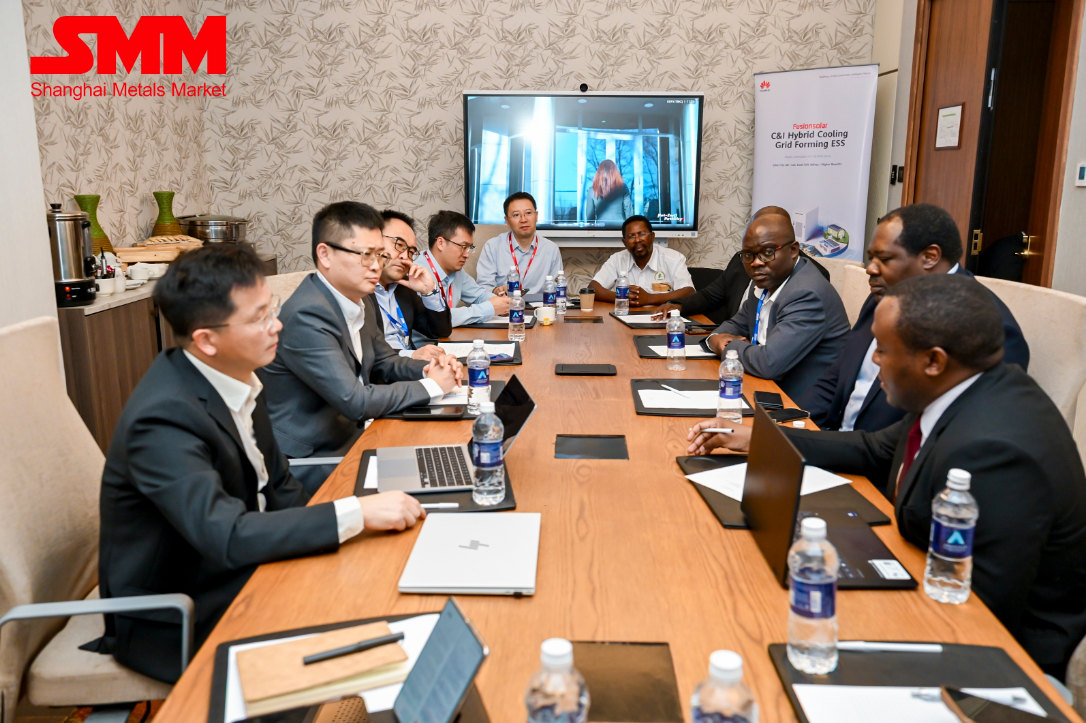
Durante la conferencia, la delegación de Huawei mantuvo una reunión de negocios con representantes de la empresa eléctrica nacional de Zambia, ZESCO. En el contexto de la aceleración de la transformación ecológica en la minería africana y la creciente demanda de energía en las zonas mineras, ambas partes intercambiaron puntos de vista sobre temas de interés común, como la construcción de infraestructura eléctrica y el apoyo a las nuevas energías, y expresaron su intención de explorar conjuntamente posibles áreas de cooperación.
La industria minera africana se encuentra en una ventana crítica para la mejora de su cadena industrial. Huawei, aprovechando sus fortalezas tecnológicas en nuevas energías y energía inteligente, se asociará con inversores IPP, autoridades eléctricas locales y operadores mineros para construir un ecosistema de cooperación abierta. Aprovechando sus probadas soluciones de microrred para minas, Huawei aspira a ofrecer suministros eléctricos ecológicos y fiables para los proyectos mineros y de fundición africanos, impulsar la transición baja en carbono de la industria de minerales críticos de África y profundizar la cooperación práctica entre China y África en los sectores minero y energético.