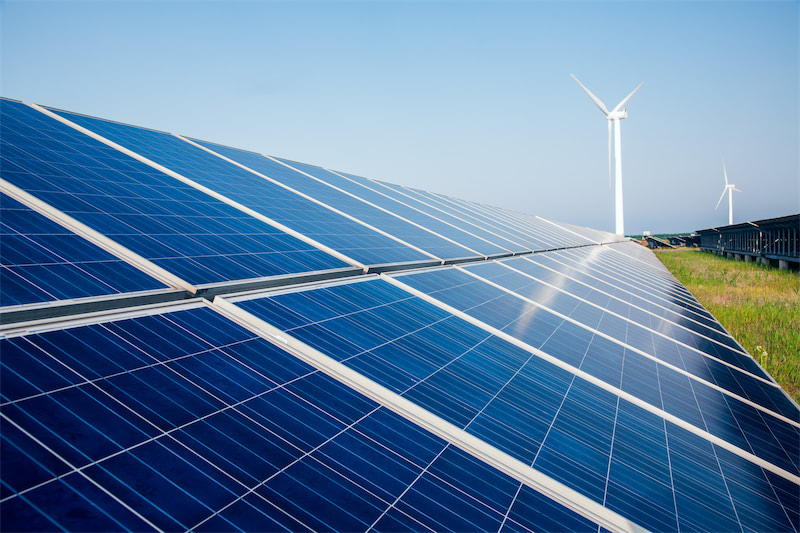
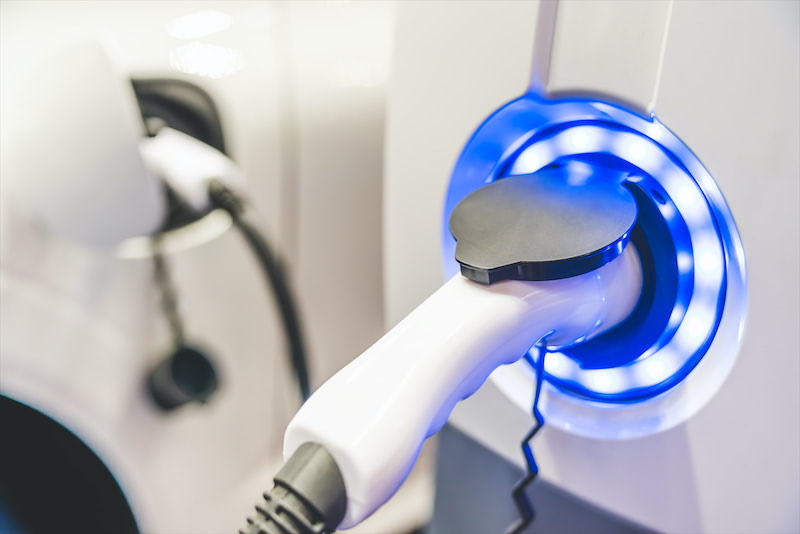
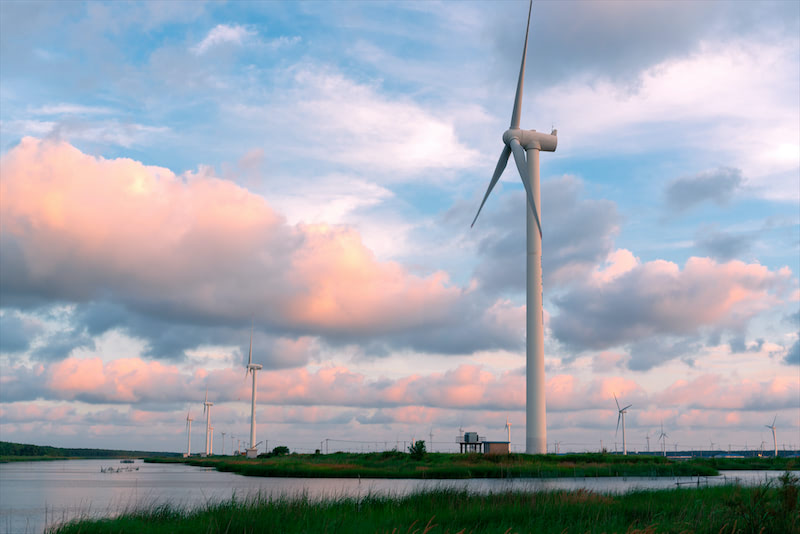
Recently, the Department of Industry and Information Technology of Shandong Province issued the Notice on Organising the Application for Typical Scenarios and Cases of Green Energy Application in the Industrial and Information Technology Sector in 2026 (Lu Gong Xin Lv Fa Han [2026] No. 18), soliciting typical scenarios and cases of green energy application from industrial enterprises and parks. The notice explicitly includes hydrogen energy as a key direction for industrial green microgrids, promoting the integrated application of hydrogen energy with PV, wind power, new-type energy storage, and other technologies.
Six Key Directions Covering Green Energy Applications Across Multiple Industries
The document states that this solicitation targets industrial enterprises and parks, collecting a batch of typical scenarios and cases of green energy application, covering industries such as steel, non-ferrous metals, petrochemicals and chemicals, building materials, textiles, automobiles, battery manufacturing, PV, electronics and electrical appliances, light industry, machinery, as well as computing power facilities and communication base stations. It mainly includes six key directions:
First,industrial green microgrids. In accordance with the relevant requirements of the Guide for the Construction and Application of Industrial Green Microgrids (2026–2030),integrated systems combining PV, wind power, high-efficiency heat pumps, new-type energy storage, hydrogen energy, waste heat, waste pressure, waste gas, and smart energy management and control are appliedto achieve deep coordination of generation-grid-load-storage and high-proportion local consumption of renewable energy.
Second,electrification of end-user energy consumption. Targeting key energy-consuming processes in the industrial sector such as heating, drying, and steam supply, electrification technology upgrades are carried out with electric kilns, electric heating, high-temperature heat pumps, electric boilers, and large power electric thermal storage boilers, promoting the substitution of fossil energy consumption such as coal, oil, and gas with electricity, and achieving a cleaner and more efficient end-user energy consumption structure.
Third,coordination of green electricity and computing power. For computing power facilities such as general-purpose computing, intelligent computing, and supercomputing, green electricity access, energy storage configuration, computing task scheduling, cooling and heating, and waste heat utilisation are coordinated to advance the "green electricity–computing power–thermal energy" synergy. Based on green electricity output and computing power load, flexible tasks are scheduled across time and space to improve power utilisation efficiency and green electricity consumption, and green Token metering, accounting, and value realisation are explored.
Fourth,digital green energy and carbon emission management platforms. Leveraging technologies such as the industrial internet and the Internet of Things, digital energy and carbon management centres are built for industrial enterprises or parks to aggregate data on green energy, energy storage, power supply and distribution, green energy-consuming equipment, and carbon emissions. These platforms conduct analysis, forecasting, and scheduling of green energy output and load, supporting energy storage, adjustable loads, production scheduling, green supply chain coordination, and green electricity procurement optimisation, forming a closed loop of green energy and carbon emission monitoring and accounting.
Fifth,artificial intelligence empowering green energy equipment. Focusing on the design and manufacturing, system matching, and integrated operation and maintenance of green energy equipment, high-quality datasets integrating equipment performance, process constraints, and green energy supply characteristics are built. Large models for equipment energy conservation and carbon reduction, intelligent green energy equipment, and intelligent group control technologies for equipment are developed to enhance the energy efficiency of green energy equipment and its coupling capability with green energy sources such as wind power, PV, and clean low-carbon hydrogen.
Sixth,carbon dioxide capture, utilisation, and storage (CCUS). Focusing on key links of carbon dioxide capture, transport, utilisation, and storage in key industries, advanced technologies or materials such as high-efficiency low-energy chemical absorption/membrane separation, carbon dioxide geological storage and monitoring equipment, and electrocatalytic reduction for producing high-value chemicals are applied. Models such as low-cost carbon capture and resource utilisation for diverse carbon sources including industrial flue gas, biomass, and air, full-process large-scale CCUS demonstration, cross-industry CCUS clusters, and hydrogen-carbon coupling innovation are cultivated to achieve deep decarbonisation of energy-intensive industries.
Application Conditions and Timeline Requirements
According to the notice, applicants must be industrial and information technology enterprises registered within the territory of the People's Republic of China with independent legal person status, or operating organisations of industrial parks at or above the provincial level. Applicants must not have received administrative penalties of a relatively serious nature or above from relevant administrative authorities in the past three years, must not have experienced environmental emergencies, environmental pollution accidents, or ecological damage incidents of a relatively large scale or above, must not have experienced production safety accidents of a relatively large scale or above, and must not be included in energy conservation supervision rectification lists or lists of entities with serious dishonesty.
Scenarios and cases should be focused, accurately described, and well-documented, comply with relevant national laws, regulations, and policy requirements, and be suitable for public disclosure. Municipal bureaus of industry and information technology are requested to submit recommendation reports, recommendation summary tables, and application documents for typical scenarios and cases from each entity through the "Industrial Energy Conservation and Green Development Management Platform" to the Provincial Department of Industry and Information Technology by30 September.