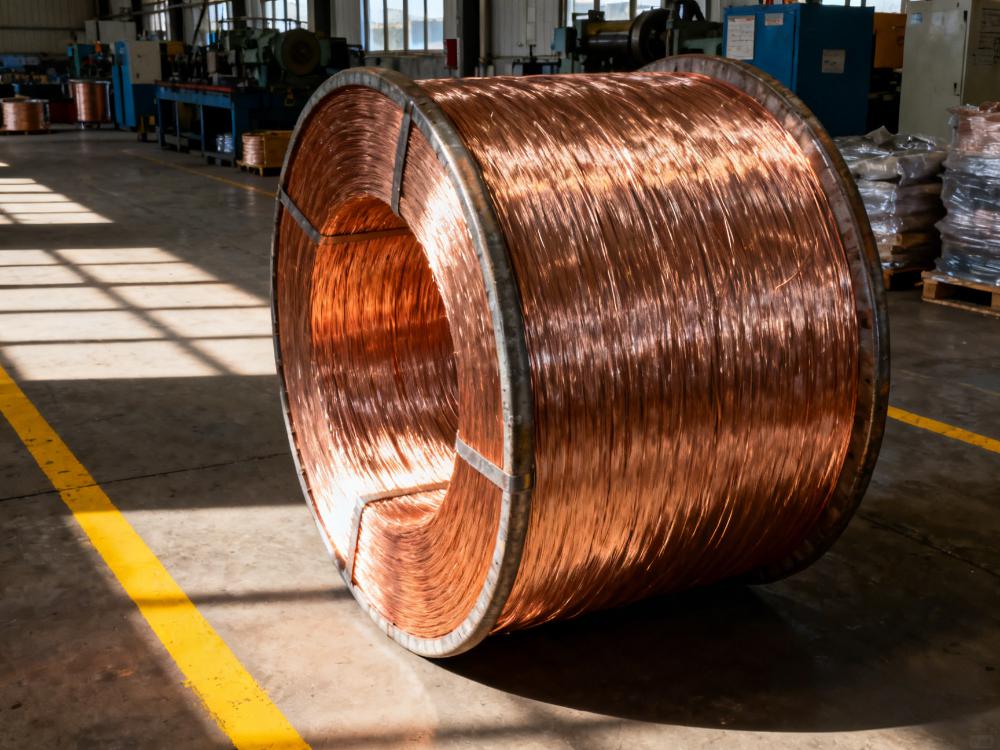
The operating rate of secondary copper rod was 11.83% in August 2026, higher than the expected 10.26%, up 1.57 percentage points MoM but down 16.5 percentage points YoY. In August 2026, the average price difference between copper cathode rod and secondary copper rod stayed high at 1,450-1,874 yuan/mt throughout the month. The average discount of secondary copper rod in Jiangxi against copper futures fluctuated between 722 yuan/mt and 1,418 yuan/mt, while the average gross profit on sales appeared considerable (1,474-1,875 yuan/mt). From the supply side, production contraction and raw material shortages created dual constraints. On the production side, after the formal implementation of reverse invoicing, the tax-inclusive invoice tax rate surged to 11.5%-12% (reaching 12% in Guangdong). Document No. 770 eliminated illegal local subsidies, causing enterprises in places such as Shuyang, Jiangsu to halt production and adopt a wait-and-see stance after losing subsidies, with some orders flowing to neighboring provinces. Under the pressure of high copper prices, where selling prices were approached or even undercut by costs, enterprises were reluctant to resume production hastily. Even though signs of loosening in reverse invoicing controls emerged in Jiangxi and a few enterprises resumed production, most enterprises remained on the sidelines because local tax authorities had not yet issued clear notices. On the raw material side, domestic tax-inclusive copper scrap supply was scarce. Enterprises competed for input invoices, keeping compliant supply persistently tight. Visits to warehouses in Zhenhai, Ningbo showed that high-grade bare bright copper inventories were extremely tight, with some warehouses holding less than one-quarter of previous years' levels. Imported copper scrap discounts stayed high due to increased demand outside China and elevated payable indicators, with no significant growth in overseas supply. Suppliers exhibited a pattern of selling into price rallies and holding back from selling on dips. Tax-inclusive material quotes were firm, while tax-exclusive material was difficult to circulate at scale due to inconsistent local implementation standards.
From the demand side, August was a transitional period from the off-season to the September-October peak season, but high copper prices and invoice costs jointly suppressed physical consumption. Terminal wire and cable enterprises faced the dual pressure of copper cathode approaching 110,000 yuan/mt and high spot premiums, leading to strong fear of high prices. New orders underperformed in the peak season. During the month, copper cathode rod orders were weak when copper prices shot up, while secondary copper rod orders saw limited growth. Secondary copper rod enterprises calculated their actual take-home costs after the 12% tax-inclusive invoice tax rate. Even when the price difference between copper cathode rod and secondary copper rod widened to above 2,000 yuan/mt, it was still insufficient to cover furnace losses and production costs. They could only lower tax-exclusive copper scrap purchase prices to pass pressure upstream. The monthly purchasing sentiment index remained at a low level of 1.68-1.96. Enterprises wanted to buy but were unwilling to chase higher prices. Sustained purchasing left raw material inventories relatively ample, while earlier arbitrage transactions tied up substantial capital. Pulse restocking occurred only during periods when copper prices stabilized, supply increased, or reverse invoicing controls in Jiangxi loosened. In transactions, traders prioritized scrap utilization enterprises that could make quick payments within 3-5 days, making payment collection efficiency the key to securing supply. Overall, the core contradiction in the August market has completely shifted from "copper price levels" to the dual pressure of "invoice cost losses and high copper prices suppressing physical demand." The 5,000 yuan/mt-level price difference between primary metal and scrap and the price difference between copper cathode rod and secondary copper rod above 2,000 yuan/mt created by the copper price squeeze offered unprecedented book-level substitution advantages, but after the tax-inclusive invoice tax rate rose to 12%, the actual net cost did not decline in tandem. The price spread dividend was eroded by tax costs, leaving enterprises with no choice but to cut operating rates, push for lower prices, and make only essential bargain purchases. Despite peak-season expectations, end-users continued to hold back due to high copper prices, and stockpiling in advance had yet to materially begin. The market fell into a weak equilibrium of "suppliers holding prices firm, rod enterprises waiting for declines, and transaction volumes becoming pulse-like."
Looking ahead to September, if copper prices pull back from the 110,000 yuan mark and the squeeze unwinds, and if Jiangxi's "reverse invoicing" restrictions are gradually relaxed with clear notices issued to guide production resumptions, liquidity of compliant supply may improve marginally. The material release of peak-season stockpiling demand would boost transaction activity. However, if the tax-inclusive invoice tax rate remains high at 12% and copper prices hold above 107,000 yuan, the market will continue the pattern of "low operating rates, firm supply-side pricing, and pulse-like essential demand." A genuine recovery in physical consumption will require copper prices to correct to downstream psychological price levels, or a substantial decline in invoice costs to rebuild reasonable profit margins for rod enterprises.