Почему рынок следит за Bayan
Неопределенность в отношении собственности на PT Bayan Resources Tbk (BYAN) вышла за рамки простых корпоративных слухов из-за масштаба и значимости Bayan на угольном рынке Индонезии. Рыночные сообщения связывают индонезийского бизнесмена Анди Сьямсуддина Арсяда, широко известного как Хаджи Исам, с возможной сменой контроля над компанией.
Для угольного рынка ключевой вопрос не в том, является ли предполагаемая сделка позитивной или негативной для цены акций BYAN. Более важный вопрос — сможет ли новый контролирующий акционер в конечном итоге повлиять на позиционирование Bayan в рамках RKAB, стратегию добычи, распределение продаж, координацию логистики и роль в продолжающейся консолидации угольного сектора Индонезии.
На данном этапе непосредственных сигналов о перебоях в поставках нет. Действующие соглашения об отгрузке, лицензии на добычу и операционные планы остаются за операционными компаниями. Однако если сделка будет подтверждена и впоследствии одобрена регулирующими органами, а также если последуют пересмотры RKAB или изменения в стратегии добычи и маркетинга Bayan, последствия для прогноза поставок угля в Индонезии станут более существенными.
Позиция Bayan на угольном рынке Индонезии
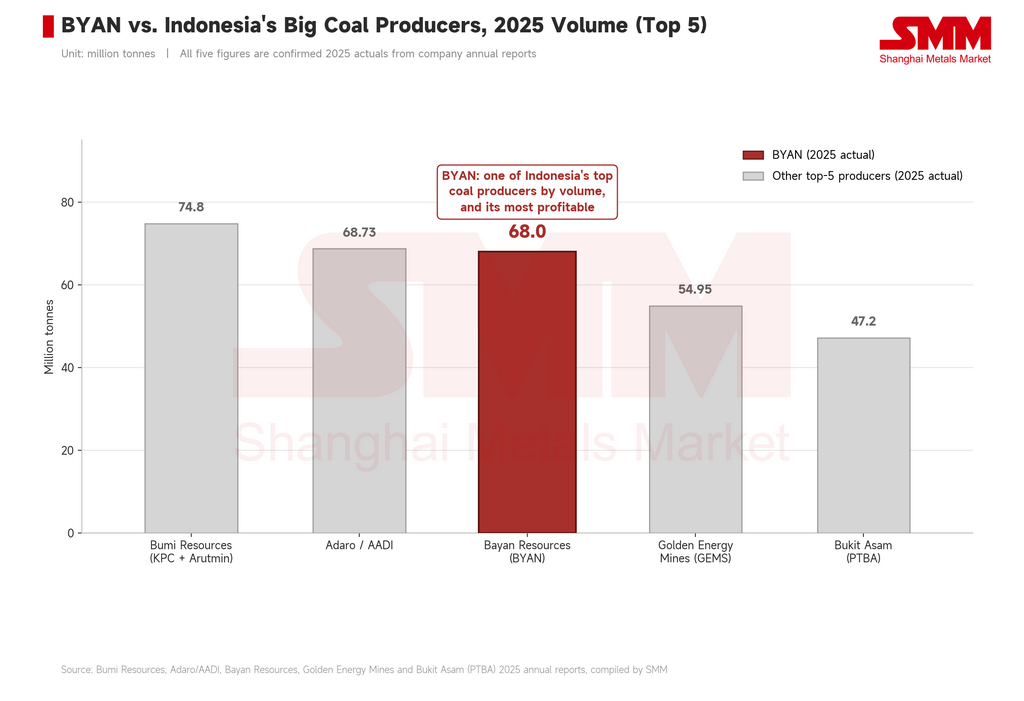
Согласно годовому отчету компании, в 2025 году Bayan Resources добыла 68,0 млн тонн угля. Это ставит Bayan в число крупнейших производителей угля Индонезии по объему, хотя и ниже подтвержденного объема добычи Bumi Resources за 2025 год в 74,8 млн тонн.
Значимость Bayan обусловлена не только ее размером, но и относительно концентрированной угольной специализацией. В то время как несколько крупных индонезийских ресурсных групп диверсифицировались в металлы, энергетику, инфраструктуру, золото, алюминий и другие сырьевые товары, Bayan остается одной из наиболее чистых угольных платформ среди крупных производителей страны. Ее проект Tabang также играл центральную роль в росте компании, что делает Bayan значимым игроком для среднесрочного баланса поставок угля в Индонезии.
Именно поэтому потенциальная смена собственника имеет значение. Смена акционера не приведет автоматически к изменению поставок угля, но личность контролирующего акционера может повлиять на будущую дисциплину добычи, распределение капитала, маркетинговую политику и стратегию в рамках RKAB.
Структура собственности и предполагаемый масштаб сделки
Нынешняя неопределенность восходит к середине августа, когда распространилась фотография, на которой Хаджи Исам посещает горнодобывающие предприятия Bayan в Кутай-Картанегара, Восточный Калимантан, вместе с основателем Bayan Лоу Так Квонгом и Норманом Джоэсофом, владельцем Republik Korpora Indonesia.
Индонезийская фондовая биржа запросила официальные разъяснения 18 августа. Bayan и PT Jhonlin Agro Raya Tbk (JARR), листинговая компания, связанная с Jhonlin, позже представили разъяснения, заявив, что им ничего не известно о такой сделке или что у них нет планов по ее проведению. Эти опровержения остаются официальной публичной позицией.
Последующие сообщения СМИ описывали возможные переговоры и предполагаемое денежное предложение в размере около 3 млрд долларов США за контрольный пакет примерно в 62%. Ни Bayan, ни Jhonlin не подтвердили сделку.
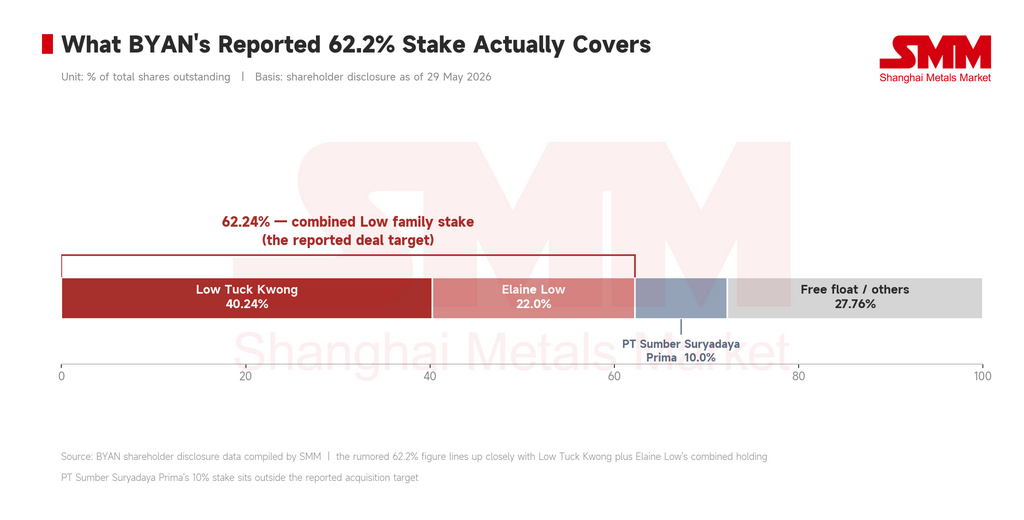
Исходя из сообщаемого масштаба, потенциальной целью, по-видимому, является контрольный пакет семьи Лоу. Лоу Так Квонг владеет 40,24% акций BYAN, а Элейн Лоу — 22%, что в сумме составляет около 62,2% семейного пакета. Именно этот пакет упоминается в рыночных сообщениях о возможной сделке с контрольным пакетом. Отдельно PT Sumber Suryadaya Prima владеет около 10% и, по-видимому, не входит в предполагаемую цель сделки. Иными словами, предполагаемая сделка касалась бы контроля над мажоритарным пакетом семьи Лоу, а не полного приобретения Bayan или всех крупных акционеров.
Что это может означать для предложения и структуры рынка
Возможное объединение с участием Хаджи Исама было бы примечательным, поскольку Jhonlin Group уже активна в угольной отрасли через Jhonlin Baratama. Рыночные сообщения связывают Jhonlin Baratama с запросом на производственную квоту в размере около 60 млн тонн на текущий год.
К этой цифре следует относиться осторожно. 68,0 млн тонн Bayan — это подтвержденный фактический объем добычи за 2025 год, тогда как сообщаемые 60 млн тонн Jhonlin — это показатель, связанный с квотой. Запрошенная квота RKAB не равна одобренному объему добычи, фактическому выпуску или экспортному предложению.
Тем не менее эти две цифры объясняют, почему рынок обращает на это внимание. Если производственные амбиции Jhonlin будут одобрены и реализованы, и если Bayan в конечном итоге окажется под тем же контролирующим зонтиком, образовавшаяся платформа может стать одной из самых влиятельных угольных групп в Индонезии по производственной базе и переговорной позиции.
Однако консолидация собственности не означает автоматического увеличения предложения. Добыча угля в Индонезии определяется одобрениями RKAB, требованиями по обязательствам внутреннего рынка, экспортной политикой, последовательностью разработки месторождений, логистическими мощностями и ценовыми соображениями. В этих условиях более крупная платформа собственности может привести либо к более высоким производственным амбициям, либо к более скоординированной дисциплине добычи.
Для физического рынка угля более значимым сигналом стало бы любое изменение одобренного объема RKAB Bayan, траектории расширения Tabang, распределения продаж, логистической стратегии или поведения в экспортном маркетинге. Эти факторы имели бы большее значение, чем движение цен акций BYAN или JARR.
Регуляторный контрольный пункт
Потенциальная сделка также столкнулась бы с регуляторным аспектом. Операционные дочерние компании Bayan владеют лицензиями на добычу, включая активы, связанные с IUPK. Согласно нормативной базе горнодобывающей отрасли Индонезии, изменения в структуре акционеров на уровне держателя лицензии, как правило, требуют одобрения Министерства энергетики и минеральных ресурсов.
Это означает, что любая сделка, затрагивающая контроль над лицензированными операционными компаниями, не была бы чисто частным делом между покупателем и продавцом. Регуляторная проверка стала бы важным контрольным пунктом до того, как смена собственника станет полностью эффективной с точки зрения горнодобывающего сектора.
До тех пор пока не будет подтвержденной сделки, четкой регуляторной заявки или обновления, связанного с RKAB и операционными планами Bayan, этот вопрос остается объектом наблюдения за собственностью, а не подтвержденным событием со стороны предложения.
Последствия для покупателей и более широкого угольного рынка
Для клиентов Bayan ближайший вопрос — непрерывность поставок. Исходя из текущей информации, нет доказательств того, что смена собственника на уровне акционеров немедленно нарушит существующие отгрузки, работу шахт или законтрактованные поставки. Соглашения об отгрузке угля, операционное планирование и лицензионные обязательства остаются за операционными компаниями.
Среднесрочный вопрос заключается в том, приведет ли новый контроль в конечном итоге к изменениям в производственных целях Bayan, каналах сбыта, внутреннем распределении, экспортной стратегии или темпах инвестиций в Tabang. Учитывая масштаб Bayan, даже умеренные стратегические корректировки могут иметь значение для экспортной доступности Индонезии и баланса внутреннего предложения.
Этот случай также вписывается в более широкую тему консолидации угольного сектора Индонезии. Производители работают в условиях более строгого контроля RKAB, обязательств по DMO, ослабленного долгосрочного финансирования угольной отрасли и неравномерного давления энергетического перехода. Некоторые группы диверсифицируются в сторону от угля, в то время как другие могут предпочесть консолидировать угольные активы, пока денежные потоки остаются сильными. Завершенная сделка по Bayan имела бы значение не столько как немедленное событие со стороны предложения, сколько как возможный шаг к более концентрированной структуре производителей.
Мнение SMM
На данном этапе краткосрочная добыча Bayan и существующие обязательства по поставкам не подвержены риску из-за самих слухов о собственности. Смена контроля над акционерами не приведет автоматически к изменению объемов добычи, контрактов, лицензионных обязательств или одобренных производственных планов.
Более важный вопрос — повлияет ли подтвержденная сделка впоследствии на стратегию Bayan в рамках RKAB, траекторию расширения Tabang, распределение продаж, экспортный маркетинг или распределение капитала. Именно через эти каналы смена собственника может стать значимой для баланса поставок угля в Индонезии.
SMM будет следить за более значимыми сигналами, включая официальную заявку в MEMR или Minerba, регуляторное одобрение, связанное со сменой собственника, пересмотренный объем RKAB Bayan, обновленный производственный прогноз, изменения в планах развития Tabang или признаки изменения распределения продаж между внутренними обязательствами, долгосрочными контрактами и экспортными спотовыми поставками.
До появления этих сигналов данный вопрос остается объектом наблюдения за структурой рынка, а не подтвержденным перебоем в поставках.
![[SMM Coal Flash] Yancoal завершила приобретение угольной шахты Kestrel за 1,85 млрд долларов США](https://imgqn.smm.cn/usercenter/ENDOs20251217171718.jpg)
![[SMM Coal Flash] Продление срока эксплуатации угольного разреза Hunter Valley Operations компаний Yancoal и Glencore одобрено до 2045 года](https://imgqn.smm.cn/usercenter/VgxkU20251217171719.jpg)
![[Экспресс-новости SMM по углю] ESDM одобрило 95% заявок РКАБ по углю на 2026 год](https://imgqn.smm.cn/usercenter/UrrTG20251217171717.jpg)