[SMM News] Zimbabwe's Mining Investment Appeal Hinges on Stability, Infrastructure and Lithium Beneficiation Push

Published: Sep 07, 2026 18:46 (GMT+8)

Zimbabwe's ability to attract and retain mining investment depends on maintaining economic stability, infrastructure development and access to long-term capital, according to Stanbic Bank Zimbabwe mining and metals VP Tania Mandaza.

Zimbabwe's lithium export restrictions, aimed at encouraging domestic processing, are already influencing investor capital allocation. Beneficiation requires higher upfront capital than raw ore export, and the policy is expected to encourage consolidation, with smaller miners pursuing toll-processing arrangements, joint ventures or acquisitions with larger operators.

Stanbic Bank Zimbabwe funds mine development and processing plants, including lithium facilities, ferrochrome smelters and PGM refineries, and participates in syndicated financing, trade finance, guarantees, letters of credit and working-capital facilities. Demand for longer-tenor structured project finance is rising, with some projects requiring terms of up to seven years strongest currently for gold mine expansions on higher gold prices, alongside growing requests for processing-plant financing.

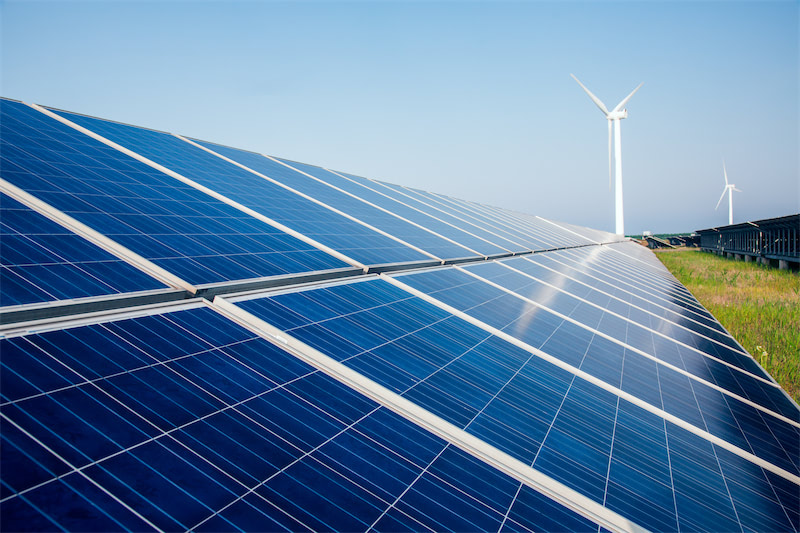
Power supply security remains a key focus for the sector. The government has directed miners to develop their own power solutions, and the bank is funding renewable-energy transactions as well as public-private partnerships for rail and logistics revival.

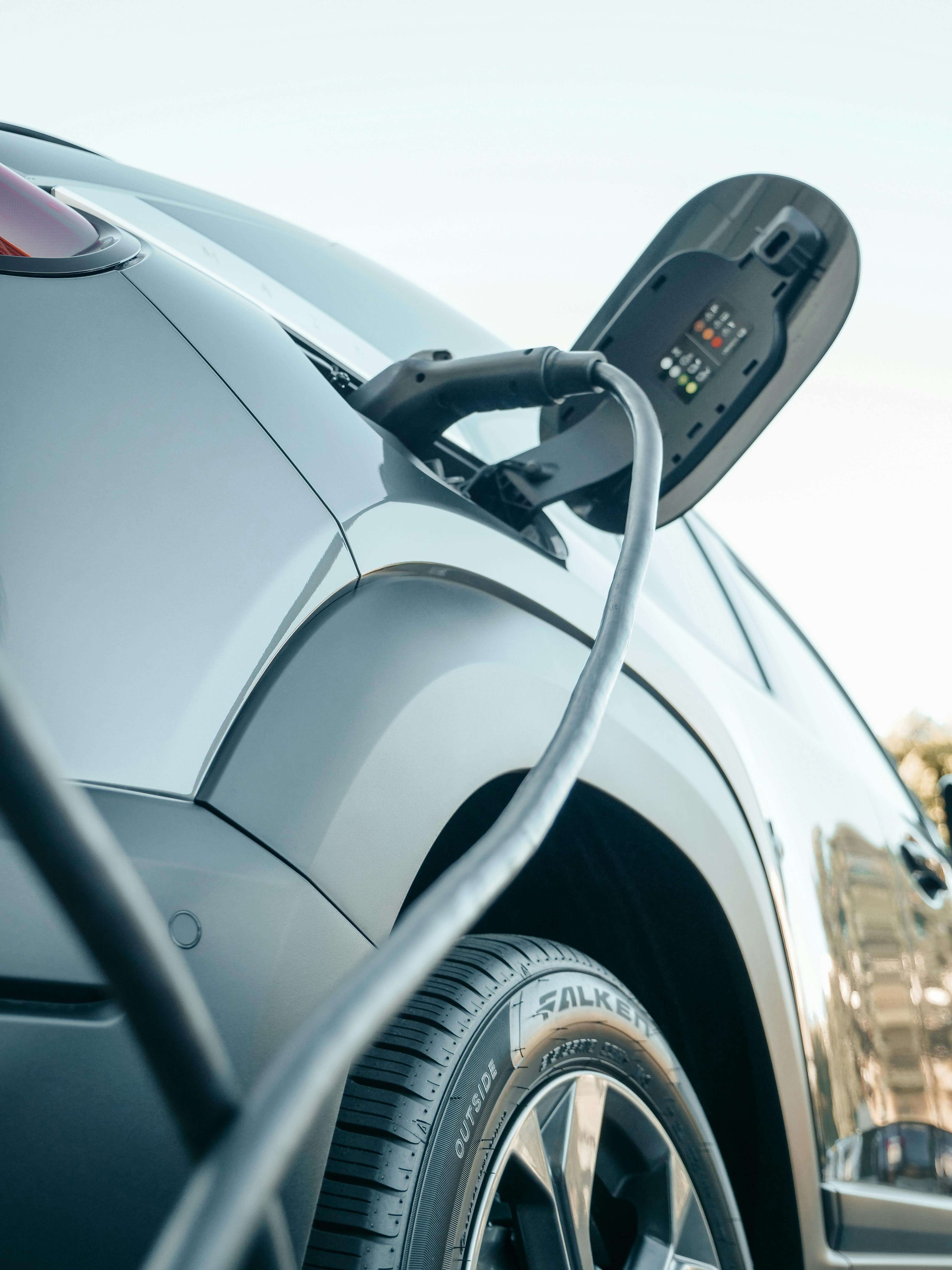
Beyond lithium, Mandaza cites PGMs, gold, chrome and nickel as offering investment opportunities, with rare earths a longer-term prospect. Nickel demand is being driven by EV and battery markets. Zimbabwe's gold output rose from 38.5 t in 2024 to 50.5 t in 2025, with about 55 t targeted this year; gold prices near $4,000/oz are drawing investor interest in local assets.

Proposed reforms the Mines and Minerals Bill and a digital mining permit system aim to provide regulatory certainty on mining rights, taxation, foreign-currency rules and export policy. ESG requirements, spanning green energy, water and tailings management, emissions, community development and governance, are increasingly factored into financing decisions.

Chinese investment is expected to remain significant in Zimbabwe's lithium sector, with additional interest emerging from the Middle East, the Americas and India, as investors broaden into processing and manufacturing to secure critical mineral supply chains.

The export restrictions are reshaping Zimbabwe's position in the global spodumene supply chain: raw concentrate available for export is constrained near-term as beneficiation capacity develops, while the country's export profile is expected to shift toward higher value processed lithium products over time.
Data Source Statement: Except for publicly available information, all other data are processed by SMM based on publicly available information, market communication, and relying on SMM's internal database model. They are for reference only and do not constitute decision-making recommendations.

For any inquiries or for more information, please contact: lemonzhao@smm.cn
For more information on how to access our research reports, please contact:service.en@smm.cn
Related News
[Lithium battery: China exported 3.69 billion lithium-ion batteries in Jan-Aug, up 22.9% YoY]
9 hours ago
[Lithium battery: China exported 3.69 billion lithium-ion batteries in Jan-Aug, up 22.9% YoY]
Read More
[Lithium battery: China exported 3.69 billion lithium-ion batteries in Jan-Aug, up 22.9% YoY]
[Lithium battery: China exported 3.69 billion lithium-ion batteries in Jan-Aug, up 22.9% YoY]
Per MIIT data and customs statistics, China exported 3.69 billion lithium-ion batteries in Jan-Aug 2026, up 22.9% YoY. Value-added output of the electronics manufacturing industry grew 15.7% YoY, with revenue up 20.1% to RMB 12.8 trillion and total profit up 110% to RMB 847.5 billion. The strong battery exports reflect sustained overseas demand for power and energy storage batteries.
9 hours ago
Solid-State Battery Next Decade Series, Part 9 of 9: A Brand-New Track, Not a "Simple Sequel" to Liquid Lithium Batteries [SMM Analysis]
15 hours ago
Solid-State Battery Next Decade Series, Part 9 of 9: A Brand-New Track, Not a "Simple Sequel" to Liquid Lithium Batteries [SMM Analysis]
Read More
Solid-State Battery Next Decade Series, Part 9 of 9: A Brand-New Track, Not a "Simple Sequel" to Liquid Lithium Batteries [SMM Analysis]
[SMM Analysis: Solid-State Battery Next Decade Series, 9 of 9: A Brand-New Track, Not a "Simple Sequel" to Liquid Lithium Batteries] The industrialisation of solid-state batteries is not a "capacity replication + minor technical adjustment" of liquid lithium batteries, but a systematic shift from resource logic, chemical logic, and material logic to patent logic. The most common mistake in understanding solid-state batteries through the framework of liquid lithium batteries is treating "planned capacity" as "effective supply," treating "technical routes" as "settled answers," and treating "first-mover advantage" as "ultimate victory.
15 hours ago
[Weekly Observation] Cobalt industry chain in the doldrums in first week after holiday; cobalt salt prices continue to grind lower; some enterprises remain in reduced or halted production
19 hours ago
[Weekly Observation] Cobalt industry chain in the doldrums in first week after holiday; cobalt salt prices continue to grind lower; some enterprises remain in reduced or halted production
Read More
[Weekly Observation] Cobalt industry chain in the doldrums in first week after holiday; cobalt salt prices continue to grind lower; some enterprises remain in reduced or halted production
[Weekly Observation] Cobalt industry chain in the doldrums in first week after holiday; cobalt salt prices continue to grind lower; some enterprises remain in reduced or halted production
19 hours ago